09 March 2006

China's Impending Fall


The growth in China's economy over the past two decades has been very impressive. One might be forgiven for assuming that China will soon overtake the US as world economic leader. Is it time to brush up on your Mandarin and Cantonese? Should you think about sending your children to Peking University? Maybe not. Foreign Policy journal has a short piece by Minxin Pei entitled "The Dark Side of China's Rise."

The only thing rising faster than China is the hype about China. In January, the People’s Republic’s gross domestic product (GDP) exceeded that of Britain and France, making China the world’s fourth-largest economy. In December, it was announced that China replaced the United States as the world’s largest exporter of technology goods. Many experts predict that the Chinese economy will be second only to the United States by 2020, and possibly surpass it by 2050.

Western investors hail China’s strong economic fundamentals—notably a high savings rate, huge labor pool, and powerful work ethic—and willingly gloss over its imperfections. Businesspeople talk about China’s being simultaneously the world’s greatest manufacturer and its greatest market. Private equity firms are scouring the Middle Kingdom for acquisitions. Chinese Internet companies are fetching dot-com-era prices on the NASDAQ. Some of the world’s leading financial institutions, including Bank of America, Citibank, and HSBC, have bet billions on the country’s financial future by acquiring minority stakes in China’s state-controlled banks, even though many of them are technically insolvent. Not to be left out, every global automobile giant has built or is planning new facilities in China, despite a flooded market and plunging profit margins.

And why shouldn’t they believe the hype? The record of China’s growth over the past two decades has proved pessimists wrong and optimists not optimistic enough. But before we all start learning Chinese and marveling at the accomplishments of the Chinese Communist Party, we might want to pause for a moment. Upon close examination, China’s record loses some of its luster. China’s economic performance since 1979, for example, is actually less impressive than that of its East Asian neighbors, such as Japan, South Korea, and Taiwan, during comparable periods of growth. Its banking system, which costs Beijing about 30 percent of annual GDP in bailouts, is saddled with nonperforming loans and is probably the most fragile in Asia. The comparison with India is especially striking. In six major industrial sectors (ranging from autos to telecom), from 1999 to 2003, Indian companies delivered rates of return on investment that were 80 to 200 percent higher than their Chinese counterparts. The often breathless conventional wisdom on China’s economic reform overlooks major flaws that render many predictions about China’s trajectory misleading, if not downright hazardous.

Behind the glowing headlines are fundamental frailties rooted in the Chinese neo-Leninist state. Unlike Maoism, neo-Leninism blends one-party rule and state control of key sectors of the economy with partial market reforms and an end to self-imposed isolation from the world economy. The Maoist state preached egalitarianism and relied on the loyalty of workers and peasants. The neo-Leninist state practices elitism, draws its support from technocrats, the military, and the police, and co-opts new social elites (professionals and private entrepreneurs) and foreign capital—all vilified under Maoism. Neo-Leninism has rendered the ruling Chinese Communist Party more resilient but has also generated self-destructive forces.

To most Western observers, China’s economic success obscures the predatory characteristics of its neo-Leninist state. But Beijing’s brand of authoritarian politics is spawning a dangerous mix of crony capitalism, rampant corruption, and widening inequality. Dreams that the country’s economic liberalization will someday lead to political reform remain distant. Indeed, if current trends continue, China’s political system is more likely to experience decay than democracy. It’s true that China’s recent economic achievements have given the party a new vibrancy. Yet the very policies that the party adopted to generate high economic growth are compounding the political and social ills that threaten its long-term survival.


Command and Control

After a quarter century of gradual economic reform, has China succeeded in transforming its old command economy into a genuine market economy? Not nearly as well as most people would guess. Although China was one of the earliest socialist economies to begin serious reform, recent data on the country’s regulation, international trade, fiscal policy, and legal structure place China in the bottom third of 127 countries surveyed for economic freedom, below most Eastern European countries, India and Mexico, and all of its East Asian neighbors, save Burma and Vietnam.

The Chinese state remains deeply entrenched in the economy. According to official data for 2003, the state directly accounted for 38 percent of the country’s GDP and employed 85 million people (about one third of the urban workforce). For its part, the formal private sector in urban areas employed only 67 million people. A research report by the financial firm UBS argues that the private sector in China accounts for no more than 30 percent of the economy. These figures are startling even for Asia, where there is a tradition of heavy state involvement in the economy. State-owned enterprises in most Asian countries contribute about 5 percent of GDP. In India, traditionally considered a socialist economy, state-owned firms generate less than 7 percent of GDP.


Read the entire four page article here.

I have posted on this topic here, and here.
It is always good to maintain a skeptical view of anyone who proposes an indefinite continuation of any trend. Most things behave cyclically, particularly in the field of economics.

In the short run, China is running a huge accounts surplus, with lots of cash. If China can reform its banking system, and thus its corrupt government practices, it may be able to maintain its fabulous run a bit longer.

Labels: , ,

Bookmark and Share

Cognitive Psychology and the Study of Human Intelligence

A big tip of the hat to Kevin at Intelligence Testing Blog, for his posting on this article in the European Journal of Cognitive Psychology by Cesare Cornoldi at the University of Padova, Italy.

This evening I stumbled across a wonderful/glorious synthesis article in the European Journal of Cognitive Psychology by C. Cornoldi, the editor of a special issue devoted to the contributions of cognitive psycholgoy to the study of intelligence. The complete reference is:

* Cornoldi, C. (2006). The contribution of cognitive psychology to the study of human intelligence. European Journal of Cognitive Psychology, 18 (1), 1-17

Cornoldi provides a concise historical and comtemporary overview of psychometric theories of intelligence, appropriately emphasizing the work of Cattell-Horn and Jack Carroll. This overview of the psychometric models is alone worth reading the article. More importantly, Cornoldi then tackles, in broad strokes (which is what many of us need to make the leap; or to ascertain if we have been on the correct path in our own conceptual leaps), how cognitive psychology can address a serious problem with hierarchical psychometric theories (like CHC).


Kevin then goes on to quote Cornoldi:

"In particular hierarchical theories based on psychometric evidence pose one serious problem: It is not clear to which psychological processes the highest stratum or components correspond. Cognitive Psychology has isolated powerful cognitive mechanisms that appear to be critical predictors of high level intelligence and underlie different cognitive tasks. Reference to these mechanisms could help in the specification of the most central components of human intelligence."

Cornoldi then proceeds to summarize the cognitive psychology research that has been zeroing in on the contsructs of of working memory (Gsm-MW), processing speed (Gs), and executive function...as explanatory mechanisms necessary to understand human intelligence and to allow for the integration of psychometric and information processing models. He also provides a coherent synthesis of various brain imaging studies and how they relate to all of this (e.g., the neural efficiency hypothesis).

In my brief overview of the article, my opinion matches Kevin's--it is an excellent review of the subject. Thanks for the information, Kevin.

Labels:

Bookmark and Share

Is This Sexist? Why not?

In North America, women make up about 60% of the student population in higher learning institutions. Women are doing very well in education, and it is not clear that there are any significant institutional barriers to their progress in any field whatsoever. Perhaps all that is different in Europe, but I doubt it.

Here is an interesting project aimed at bringing more women into nanotechnology. It is being funded by the EU. Is focusing on one particular gender or ethnic group a valid use of public funds? If the same outreach were directed toward males, would it be accepted?

The WomenInNano project aims to encourage women to take a more active interest in science, and especially nanotechnology, using experienced researchers in the field as ambassadors.

Eleven women from Germany, Romania, Sweden, Spain, Slovenia, the UK, Bulgaria, Italy and France will act as 'ambassadors for women and science': The ambassadors believe that women scientists in many countries lack contact with role models, which makes it more difficult for them to achieve their ambitions. The team plan to publicise their work in order to provide the necessary role models and demonstrate that it is possible to be a senior figure in science and also be a woman. The ambassadors intend to:

- encourage women to work in nanotechnology;
- attract young people to the field;
- build networks of women already working in nanotechnology;
- encourage women to participate in EU programmes;
- develop gender equality in scientific research;
- build a dialogue between science and society.

Dr Annett Gebert from the Leibniz-Institute for solid state and materials research in Dresden is the coordinator for the project, and talked to CORDIS news. 'I am strongly involved in the scientific community. Our industry is dominated by males, at all levels, including decision-making, conference organisation, project funding, etc. We also feel that younger girls do not consider the natural sciences as a career path. Girls feel that they have no talent in this field, and we want to address this. After talking about this with colleagues, we decided to do something about it.'

CORDIS News asked Dr Gebert why gender stereotypes persist today. 'I am from Eastern Germany, and so my history is a little different from my colleagues, but I feel it is a traditional thing, and not driven by politics. Society looks at what roles people should play, and this pushes women into the social sciences, but not natural or engineering sciences,' she said.

The project is grouped into three stages. In stage one, the team will establish the project's framework, identify competencies in the field and draw up a list of women working in nanotechnology throughout Europe.

In stage two, the media campaign begins, with public events, workshops and visits to schools. The third and final stage involves meeting decision-makers to develop best practice in the recruitment of researchers.

The 30-month project will receive 500,000 euro in funding under the Science and Society priority of the Sixth Framework Programme (FP6). The contract was signed in 2006, and the project is already into stage one.

For further information, please visit:
http://www.ifw-dresden.de/women-in-nano/


Might it be more appropriate to allocate funds in recruiting well qualified students--regardless of gender or ethnicity , rather than focusing on one particular group--particularly if you are using general tax funds in your promotion?

Update:
Here is a related posting dealing with an investigation into the shortage of women at top positions in academic medicine. Given that within the past decade or so, women have achieved virtual parity in admissions to medical schools in North America, one might expect the numbers to correct themselves with time. Certainly in Obstetrics, women are virtually taking over the entire field. Given the current political climate of political correctness, it is not clear if the investigators are aware of the inevitable time lag involved between parity at the medical school level, and parity at the top levels of academic medicine.

Labels: , ,

Bookmark and Share

08 March 2006

Hotter Than the Sun--Z Pinch Points to Small Nuclear Fusion Generators


In an earlier posting here, I briefly mentioned the Z Pinch machine at Sandia Labs. Now the Z machine has achieved plasma temperatures hotter than the interior of a star. This finding suggests that smaller than predicted fusion generators may be possible.

ALBUQUERQUE, N.M. -- Sandia's Z machine has produced plasmas that exceed temperatures of 2 billion degrees Kelvin -- hotter than the interiors of stars.

The unexpectedly hot output, if its cause were understood and harnessed, could eventually mean that smaller, less costly nuclear fusion plants would produce the same amount of energy as larger plants.

The phenomena also may explain how astrophysical entities like solar flares maintain their extreme temperatures.

The very high radiation output also creates new experimental environments to help validate computer codes responsible for maintaining a reliable nuclear weapons stockpile safely and securely -- the principle mission of the Z facility.

"At first, we were disbelieving," says Sandia project lead Chris Deeney. "We repeated the experiment many times to make sure we had a true result and not an 'Ooops'!"

The results, recorded by spectrometers and confirmed by computer models created by John Apruzese and colleagues at Naval Research Laboratory, have held up over 14 months of additional tests.

A description of the achievement, as well as a possible explanation by Sandia consultant Malcolm Haines, well-known for his work in Z pinches at the Imperial College in London, appeared in the Feb. 24 Physical Review Letters.

Sandia is a National Nuclear Security Administration laboratory.

What happened and why?

Z's energies in these experiments raised several questions.

First, the radiated x-ray output was as much as four times the expected kinetic energy input.

Ordinarily, in non-nuclear reactions, output energies are less -- not greater -- than the total input energies. More energy had to be getting in to balance the books, but from where could it come?

Second, and more unusually, high ion temperatures were sustained after the plasma had stagnated -- that is, after its ions had presumably lost motion and therefore energy and therefore heat -- as though yet again some unknown agent was providing an additional energy source to the ions.

Sandia's Z machine normally works like this: 20 million amps of electricity pass through a small core of vertical tungsten wires finer than human hairs. The core is about the size of a spool of thread. The wires dissolve instantly into a cloud of charged particles called a plasma.

The plasma, caught in the grip of the very strong magnetic field accompanying the electrical current, is compressed to the thickness of a pencil lead. This happens very rapidly, at a velocity that would fly a plane from New York to San Francisco in several seconds.

At that point, the ions and electrons have nowhere further to go. Like a speeding car hitting a brick wall, they stop suddenly, releasing energy in the form of X-rays that reach temperatures of several million degrees -- the temperature of solar flares.

The new achievement -- temperatures of billions of degrees -- was obtained in part by substituting steel wires in cylindrical arrays 55 mm to 80 mm in diameter for the more typical tungsten wire arrays, approximately only 20 mm in diameter. The higher velocities achieved over these longer distances were part of the reason for the higher temperatures.

(The use of steel allowed for detailed spectroscopic measurements of these temperatures impossible to obtain with tungsten.)

Haines theorized that the rapid conversion of magnetic energy to a very high ion plasma temperature was achieved by unexpected instabilities at the point of ordinary stagnation: that is, the point at which ions and electrons should have been unable to travel further. The plasma should have collapsed, its internal energy radiated away. But for approximately 10 nanoseconds, some unknown energy was still pushing back against the magnetic field.

Haines' explanation theorizes that Z's magnetic energies create microturbulences that increase the kinetic energies of ions caught in the field's grip. Already hot, the extra jolt of kinetic energy then produces increased heat, as ions and their accompanying electrons release energy through friction-like viscous mixing even after they should have been exhausted.

High temperatures previously had been assumed to be produced entirely by the kinetic flight and intersection of ions and electrons, unaided by accompanying microturbulent fields.

Z is housed in a flat-roofed building about the size and shape of an aging high-school gymnasium.

This work has already prompted other studies at Sandia and at the University of Nevada at Reno.


The Z pinch has figured in some fascinating speculation, concerning potential nuclear fusion, and hyperspace star drives. Achieving temperatures this high should stimulate a good deal of further research. Where it eventually leads is impossible to say.

Labels:

Bookmark and Share

Dynamic Cancer Protein and Flexible tRNA


Here are two interesting research items. First, from the biological researcher who won the Sexiest Name of 2005 Biolabs Contest, we learn about an exciting new method of monitoring the dynamic movement of nuclear protein in a cell. According to Purdue's Sophie Lelievre,

"When you look at cells that don't yet have a specific function - aren?t differentiated, compared to fully differentiated cells, which are now capable of functioning as breast cells - the organization of proteins in the nucleus varies tremendously," Lelièvre said. "Then looking at how the proteins in malignant cells are distributed, it's a totally different pattern compared to normal differentiated cells."

The research team's study on the imaging technique and its use in 3-D mapping and analysis of nuclear protein distribution is published this week online in Proceedings of the National Academy of Sciences. Ultimately, the scientists want to use the technique to determine not only if a lesion is malignant but also the exact kind of cancer, how likely it is to spread and the most appropriate treatment for a particular patient.

"The major problem exists in the pre-malignant stages of abnormal cells in determining whether cancer will develop, what type and how invasive it will be," Lelièvre said. "The decision then is whether to treat or not to treat and how to proceed in these preliminary stages because only a certain percentage of these patients will ultimately develop cancer.

"We want to use this technique to identify subtypes of cells within lesions that potentially could become more aggressive forms of cancer."


Very exciting news for cancer research. I wish them well in their rapid development of a workable method for hospital labs.

The second report sheds light on why sometimes A-U and G-U pairs in transfer RNA are sometimes mismatched as A-C or G-U pairs in the nucleotide chain. William McClain at UW Madison explains:

Scientists have long known that transfer RNA - which adds amino acids to a growing chain during protein synthesis - holds a surprising secret when it comes to its base pairs: occasionally, instead of the expected A-U or G-C pairs, there exists instead a mispair of A-C or G-U. However, the role and importance of mispairs has never been well understood, says McClain.

McClain, who has spent his career investigating how transfer RNA selects specific amino acids during protein synthesis, was curious about how mispairs affect the function of RNA. In the study reported in PNAS, he altered the position of a G-U mispair in a bacterial plasmid - by literally moving the mispair up and down the molecule’s cloverleaf structure -- and demonstrated that the mutation increases the ability of the RNA to accept amino acids and improves its efficiency at moving through the ribosome, the cellular organelle where translation occurs. In fact, removing the mispair or repairing it to make it a correct matched pair inactivated the molecule completely.

"The wobble pairs fit together at an angle and the bonds are much less stable than matched pairs," McClain explains. "This makes the molecule more likely to come undone, and therefore more reactive."

This is crucial because DNA and RNA molecules are not the static, flat images that are depicted in textbooks, McClain notes. "They flex, move and come apart all the time," he says. "And mispairs promote this movement. My interpretation is that nature conserves these mispairs because they enhance protein synthesis."


This research is published in NAS Proceedings.

The textbooks can never keep up with the research. Even the journals cannot keep up. Only electronic information methods can even try. The quantity of information being generated by modern bioresearch labs around the world is immense. Correlating and making sense of it all is virtually impossible. I suspect that many information scientists have got their hopes pinned on the development of more capable machine intelligences, to data mine the research, sort it out, interpret it, then make suggestions for fruitful areas of future investigation. Because it is not just bioresearch that is exploding, it is science and technology research in general.

This is the legacy of Aristotle, Avicenna, Galileo, and Newton. It is a prolific but fragile generator of knowledge. It rests upon a narrow foundation. That is the subject of this blog, the foundation that makes the knowledge generation possible. Many things try to destroy the foundation, from religion to mass media to political correctness. But the foundation supports us all, including those who try to destroy it.
Bookmark and Share

07 March 2006

Flunking at Math

There are primitive tribes whose members cannot count past three. Within their own environment, they function well. A member of a modern industrial society with that incapacity would be diagnosed with dyscalculia--analogous to dyslexia. Not surprisingly, there are specific regions of the brain that must function well to avoid dyscalculia--just as specific brain dysfunction is responsible for dyslexia.

This physorg.com news report discusses the research that located the dyscalculia brain regions, using brain imaging.


It is the discovery of the part responsible for counting or numerosity that is a major finding for Professor Brian Butterworth, who also published ‘The Mathematical Brain’ and is an authority on dyscalculia. He believes his finding is the key to diagnosis of dyscalculia.

Professor Butterworth, of the UCL Institute of Cognitive Neuroscience, said: “Now that we know where to look for the differences in brain activation between those who suffer from dyscalculia and those who don’t have the learning disorder, we will be able to come up with better diagnosis and insights.

“Some years ago, my colleague, Professor Uta Frith, found the part of the brain responsible for dyslexia. That discovery has led to a much better understanding of the condition, promising better diagnosis and treatment. We hope our discovery will lead to similar insights into dyscalculia – a similar learning disability but one that is still relatively unknown to the general public.”

.... Professor Butterworth said: “There are two ways of counting things. Imagine assessing how many men versus women are in a room by counting them at the door as they enter the room, let’s say three women and four men, and then try assessing the difference by looking at the room when everyone is present. Both methods of assessing the number of people should produce the same result. Instead of assessing numbers of men and women, subjects saw blue and green squares shown in a sequence or blue and green squares shown on screen at the same time. We found that both methods activated the same brain region.

“But when we showed subjects the colours merged and appearing either as a continuously changing square or as one cloudy coloured rectangle different results were produced and a different brain network lit up. This is because the brain was no longer able to try to count the objects. Instead it had to assess how much colour was in the block and guess whether there was more of one colour or another.

“By comparing these two types of stimulus, we identified the brain activity specific to estimating numbers of things. We think this is a brain network that underlies arithmetic and may be abnormal in dyscalculics.”


Read more here.

In the modern world, a person without basic counting skills is lost. Fortunately, most people are able to count change from a purchase, and pay their bills accurately. More advanced math skills are going to be more difficult to locate with brain imaging, but perhaps not impossible. Real time functional brain imaging is still in its early stages. There is much more to learn about functional brain locations and interaction between brain centers.

Our interest here at this blog is generally in the more advanced math skills necessary for scientific and technological progress. A shortage of those skills in a society would leave it helpless before the future. Statistically, more males score in the upper tail of the distribution in math than females, particularly at the very highest levels. A woman has not won the highest math honor, the Fields Medal. Most top professors of math and physics at the elite schools are men, as expected from the research. It would be best if we could keep politics out of this matter, since the scientific and technological challenges to society are so pressing. Unfortunately, the Lawrence Summers affair illustrates the type of self-defeating and vicious infighting that continues to waste so many resources.

Labels: , ,

Bookmark and Share

06 March 2006

Biological Nanomachines--First in their Class

Life as we know it would not exist if not for incredible numbers of tiny bio-machines, molecular sized powerhouses that work at fantastic speeds, and with amazing efficiencies. I recently discovered a fine nano-blog by Will Ware, a software engineer who writes software for nano-engineering and development. This past New Year's Eve morning, Will wrote a fine posting on "Nanomachines in Nature," that I recently discovered. Will lets us know that there are indeed people in the nanotech culture who admire nano-biomachines, and who are willing to learn from them.

Kinesin and dynein are proteins that move along a microtubule and can drag along a mechanical load (another molecule). They are among several molecular motors found in nature. Another example is the flagella that push bacteria around in pond water, driven by a motor that looks like it came from a mechanical parts catalog.

....Some people are using these molecular machines to plan nanotechnology roadmaps, and there has been some laboratory progress. We won't have real nanotechnology any time soon, but these are excellent steps in that direction. Biomechanics hints at a lot of interesting things we can do with available cellular mechanisms.

To people thinking about the long term, as I like to do, these efforts are stepping stones. We'll use them to build tools, and use those tools to build other tools, with the eventual goal of a manufacturing infrastructure that permits us to build large rationally-designed products to atomic precision.


I am encouraged to see such enthusiasm for bio-nano from Will, and others like him. Read Will's entire posting, with great links and a fine graphic, here.

There has been a bit of discussion at The Speculist, and at Responsible Nanotechnology, about two previous postings "Nanotechnology Learns from Biology" and "Holy Grail of Enzymatics." Will's posting adds quite a bit to that discussion.

Update: Here is a link to an excellent set of publications from Bionano.neu.edu. It comes from one of the links obtained from Wills post above. There is far more activity on this front than I previously realised. Thanks again to Will Ware.
For anyone interested in the NSTI Bio Nano conference in Boston this May, here is the website for that event.

Update 13 March 2006: Here is a bizjournal article discussing the explosion of patent applications for bio-nano.

Labels: , ,

Bookmark and Share

Edelman's Darwin VIII Discovers Neural Synchrony


Chris Chatham at Develintel Blog has added another post in his series on neural synchrony and oscillatory activity. The latest one deals with experiments in artificial intelligence from Gerald Edelman's lab, the complex neural net machine named Darwin VIII. Interestingly enough, Darwin VIII demonstrated synchronous activity during training, so long as the model's connections were left intact. The following is a bit technical:

The details of the implementation are as follows: the physical anatomy of Darwin VIII includes a CCD camera for vision, microphones for audition, infrared detectors for navigation, effectors for movement, and a 12 unit Beowulf cluster for the number crunching. Darwin's synthetic neuroanatomy consists of more than 53,000 units and over 1.5 million synaptic connections, with layers corresponding to V1, V2, V4, inferotemporal cortex (IT), superior colliculus, and ventral tegmental area (including a dopamine-like neuromodulatory system, based on an algorithm similar to temporal differences). For simplicity, the primary visual layer responds preferentially to green, red, horizontal, vertical and diagonal lines; all subsequent visual layers are bidirectionally connected and have increasingly large receptive fields (until IT, in which representation is non-topographic). The robot's orientation is guided by a topographic activity map in the superior colliculus layer, which also receives direct excitatory input from tones with specific amplitude and frequency picked up by the stereo microphones (this represents an a priori drive or bias for "target tones"). The dopamine system modulates synaptic efficacy between itself and IT, as well as between IT and superior colliculus, with effects that last several processing cycles. All areas contain both recurrent excitatory connections and lateral inhibition.

Neural activity was modeled via a mean firing rate model, with one small addition: a phase parameter "provides temporal specificity without incurring the computational costs associated with modeling of the spiking activity of individual neurons in real-time." All synaptic connections were modeled as phase-dependent, such that new phases are chosen at random unless the a unit's presynaptic input phases surpass a threshold, after which phase changes are first sent through a nonlinear "squashing" function and then scaled by a phase learning rate. This implementation causes postsynaptic phase to be influenced in the direction of the most active presynaptic units' phases. Synaptic efficacy is modified both with traditional firing-rate dependent credit/blame assignment, as well as with phase-dependent credit/blame assignment, in which units with tightly coupled phases are subject to potentiation, and those with uncoupled phases are subject to depression.

The experiment was divided into training and testing phases; during training, Darwin autonomously explored an environment consisting of one target item and three distractor items which share multiple attributes with the target item. For example, if a red diamond was the target, red squares and green diamonds would be distractor items. At the beginning of each training phase (which was repeated for three different Darwin "subjects"), all weights were randomized. Throughout the training phases, sounds were emitted from speakers which caused Darwin to orient towards the target. In the testing phase, these speakers are turned off and Darwin is allowed to explore its environment for another 15,000 cycles.

The authors measured Darwin's ability to locate the targets in its environment: each simulated subject was able to do so over 80% of the time. As the authors point out, " It should be noted that successful performance on this task is not trivial. Targets and distracters appeared in the visual field at many different scales and at many different positions as Darwin VIII explored its environment. Moreover, because of shared properties, targets cannot be reliably distinguished from distracters on the basis of color or shape alone."

At each timestep in the experiment, the researchers took a "snapshot" of the activity in every unit, and the weight of every connection. Results showed self-synchronization among neurons with recurrent connections within only 15 cycles; when reentrant connections were lesioned, no synchrony occurred within 10,000 cycles. Most importantly, multiple simultaneous synchronous firing patterns were observed within the active units of both IT, superior colliculus, and the value system (dopamine) layer, with both more synchrony and higher firing rates in circuits corresponding to targets or target features; in their own words, "the simultaneous viewing of two objects clearly evoked two distinct sets of circuits that were distributed throughout the simulated nervous system and distinguished by differences in the relative timing of their activity." In other words, multiple polyphase patterns of synchronous firing can self-organize inside a network with the proper architecture and environment.

You can find more information from Edelman's group here.

Thanks to Chris for alerting us to this remarkable finding. Neural net models apparently show emergent behaviour similar to that of actual neuron groupings in brains. Will the scientists find more similarity the more faithfully their models copy biological brains? Quite possibly. Then what? Then you might find more neuroscientists using neural net models to test their theories of brain function. When the information flows in both directions, the potential for important breakthroughs increases.

Labels: , ,

Bookmark and Share

Remarkable Advance in Cell Culture, Tissue Engineering

Tissue engineering has long been in need of biological "fill material." Blood vessels, nerves, and other small structures lie in a "matrix" of tissue that supports it and facilitates necessary growth of biological structures. A recent news report details the creation of a new type of "bio-gel" that may suit the need.

Scientists at The University of Manchester have created a new type of 'bio-gel' which provides a pH neutral environment for culturing cells in 3D, as published in the journal Advanced Materials (March 2006).

The gel is the first pH neutral material made from combinations of dipeptides (pairs of amino acids) to provide an environment in which cells can be cultured under physiological conditions.

Uniquely, the gel mimics the properties of cell scaffolds which naturally occur in the body and has potential applications for wound healing and tissue engineering.

Cell scaffolds, known as the extra cellular matrix (ECM), are naturally produced by the body to grow new cells in order to repair damaged tissue. Like the ECM, the gel acts like a scaffold in which cells can grow.

In their paper, 'Nanostructured Hydrogels for Three-Dimensional Cell Culture Through Self-Assembly of Fluorenylmethoxycarbonyl-Dipeptides', Dr Rein Ulijn and collaborators describe how the gel is created through a process of self-assembly.

Dr Ulijn said: "We have used combinations of modified dipeptides which act like building blocks and spontaneously assemble into nanometer sized fibres when exposed to physiological conditions, to create a fibrous gel-like structure in which cells can be cultured. Because this material is made up of 99% water and is pH neutral, it is compatible with biological systems.

"By using dipeptide building blocks instead of much larger oligo-peptides used by other researchers, we have greater control over the fibrous architecture and the physical properties of the gels. These materials offer us great potential for future applications in wound healing and regenerative medicine."

Dr Ulijn and his collaborators have successfully cultured cartilage cells using the gel. They found that both the properties of the gels formed and the cell response to the gels could be controlled by using different combinations of di-peptides. The team recently received a £630k award from EPSRC to develop the gels further.


This is good news for tissue engineers, and forward thinking plastic surgeons. With improvements in collagen synthesis, cartilage production, and other basic level tissue engineering processes, the creation of functioning lab-grown organs, complete with support tissue, is much closer.
Bookmark and Share

Killing Neurons with Excitement


We know that much of the damage from strokes comes from an overload of glutamate, an excitatory neurotransmitter. Neurodegenerative changes in Alzheimer's Disease is probably also due to glutamate overexcitation, at least in part. Now scientists are beginning to tease apart the mechanism of excitative neurotoxicity. This news release give more information:

For neurons, overexcitement is deadly. To avoid this, brain cells must sop up unneeded neurotransmitters from the synapse through membrane-bound transporters. If these transporters fail, neurons and other brain cells get excited to death-- a phenomenon that may contribute to brain damage during stroke and Alzheimer's disease.

Indeed, brain deterioration after stroke is associated with elevated levels of glutamate -- the major excitatory neurotransmitter in the mammalian central nervous system (CNS) -- in the plasma and cerebral spinal fluid. One possible explanation for this glutamate build-up, reported online on March 6th in The Journal of Experimental Medicine, is a mutation in the gene encoding the glutamate transporter protein EAAT2.

This mutation --- a single nucleotide change in the promoter region of the EAAT2 gene -- was equally prevalent in healthy individuals and stroke patients. But among stroke patients, those with the mutated allele had higher plasma levels of glutamate and were more likely to suffer from post-stroke neurological problems than those with the normal allele.

The mutation changed a binding site for the activating transcription factor AP-2 into a binding site for the repressor GCF2 -- a swap that inhibited promoter activity in transfected rat brain cells. Whether the mutant promoter decreases EAAT2 expression in the human brain, as would be predicted, remains to be tested.


Little by little, gene by gene, protein by protein, science is learning why humans suffer the way they do. And little by little science is finding ways to do something about it.

Labels: ,

Bookmark and Share

05 March 2006

Gene Therapy: Cancer, Heart Disease, Life Extension

Since before Crick and Watson, people have been dreaming about making changes to the human genome. First of all, watching a child die from an inherited disorder is heart-wrenching. Most parents and physicians would do almost anything to change that child's destiny. Then, the knowledge that many adults get sick and die prematurely, lose their strength and their minds prematurely, leads many physicians and scientists to think about changing the genes that cause that early decline. Finally, the knowledge that the degenerative changes of most common disease, including cancer and heart disease--and of aging itself--are moderated by genetic processes, led many scientists to think of adjusting the genetic compliment routinely.

With the discovery of restriction enzymes and practical methods of gene sequencing, the race to map the genes was on. It was important to understand the normal human genome before scientists could identify the genes that led to disease. Once all the disease genes were identified, it was thought that perhaps substituting healthy genes for the disease genes might cure the underlying problem.

But the story was not that simple. Early attempts to introduce genes into human subjects met with unforeseen obstacles. And when it was discovered that there were only 25,000 to 30,000 human genes--instead of the expected 100,000--it began to dawn on scientists that there was more to the story than just the genes. Epigenetic factors play into gene expression, which complicated the plot significantly.

Protein interaction, gene regulator proteins, non-coding RNA, and glycomics--among other things--influence gene expression and the ultimate fate of the cell. Of course, in humans, cells exist within tissues, tissues within organs, and organs within the human organism. Complex interactions occur at every level.

To introduce new genes into a cell with defective genes, you must have a vector. Gene vectors are typically viral, since viruses make a living by introducing their genes into an animal cell for its own replication. There are also non-viral vectors that can be used to introduce genes into cells. Viruses have a billion+ year advantage as gene vectors, but nonviral methods are improving despite the challenges.

Besides introducing genes into cells, modern gene therapy also involves silencing of genes by various means. Sometimes it involves activating dormant genes that are already present. And sometimes it means delivering the entire cell--genes, nucleus, cytoplasm, and all.

Human Gene Therapy journal has made an entire issue freely available on the internet. The latest news on gene therapy is available through various sources. A recent article in The Scientist discussed future directions of gene therapy.

The SENS approach to life extension involves interventions against seven causes of aging: Cell depletion, Unwanted Cells, Chromosomal Mutations, Mitochondrial Mutations, Protein Crosslinks, Extracellular Junk, and Intracellular Junk. None of them are insurmountable, and much of the new knowledge from molecular biology, stem cell biology, cell biology, and other areas of biotechnology, are applicable to these challenges.

The very proliferation of new knowledge in all of these areas present a difficulty. Bioinformatics has evolved to keep track of the impossible quantity of data being generated, but what is actually needed is a super-human intelligence to make sense of it all, and to prioritise new research. In lieu of that, we will have to muddle through. Bit by bit, we seem to be succeeding. It would go much faster with some next-level supervision, but such is life.

Labels: , ,

Bookmark and Share

03 March 2006

Peak Oil: Meet Athabasca Oil Sands


The Athabasca oil sands region lies in northern Alberta Province, in Canada. The Chevron oil company has been involved in oil recovery efforts in Athabasca for several years. Now Chevron is moving into the region in a big way, having recently acquired several oil sands leases, for land with over 7 billion barrels of oil in place.

The new leases are approximately 76 miles west of Fort Mackay in northern Alberta, and 24 miles south west of AOSP.

Chevron will use Steam Assisted Gravity Drainage (SAGD), an in-situ technology that uses steam and horizontal drilling to extract the bitumen. Shell Canada and Western Oil Sands will each have the right to elect to acquire a 20% working interest in these leases.

The SAGD process involves drilling pairs of horizontal wells in the oil sands reservoir. Steam is injected through an upper well—about 3 to 10 meters above the lower—and contacts the bitumen. The heated bitumen becomes mobile and flows with condensed water from the steam chamber to the lower well through gravity drainage. Thence it is lifted to the surface for upgrading.

Each well pair is typically 2,500 to 3,000 feet in length, and optimally produces 1,000 to 1,500 barrels per day. Well pairs are drilled parallel to one another, and spaced 300 to 650 feet apart.


Read the full article here.

Oil sands are a heavy oil resource, requiring special refining methods, and not nearly as well suited for gasoline production as sweet crude oil. Along with shale oil, oil sands represent a huge and relatively untapped oil resource.

In addition to oil sands and shale oil, coal is another fossil fuel that can be converted to liquid hydrocarbon fuel form. Cleaner methods of processing and buring coal are a top priority in the industrial nations.

Peak Oil Debunked is an excellent source of information about Peak Oil Hype. Go on over and give them a look.

I am a big fan of renewable energy, having helped install a number of solar and wind home energy systems. Fossil fuels and nuclear fission should be seen as only a stopgap measure until renewable methods of energy production can take over.

One other source of gasoline that I should mention--cow dung! Japanese scientists have learned to make gasoline from the dung of cattle. They are a bit short on details at the moment, but it seems they are in earnest.

Update 6 March 06: Here is an update on the Chevron oil sands venture:

On Friday I was at the Stanford Institute for Economic Policy Research’s Economic Summit (some videos available), where among other things I learned that the oil sands of Canada are, unfortunately, more accurately thought of as “tar sands”. But Chevron has announced a $60 million deal to develop these sands. The Motley Fool’s Jack Uldrich speculates on why they are willing to take this big project on:

“The risky venture could ultimately cost tens of billions of dollars and take up to a decade to develop, since the tar in the oil sands isn’t easily converted to usable oil. But Chevron may have a very tiny ace up its sleeve, thanks to its involvement with nanotechnology…

“Chevron’s work in creating new nanoparticles offers the greatest promise. If the company can produce new nanoparticles with unique catalytic capabilities, it may be able to more effectively and efficiently refine the thick, gooey tar-sands into highly refined — and profitable –oil.

“Headwaters (NYSE: HW) is already developing nanocatalysts to convert heavy oils into higher-yield oils, and I have reason to believe that Chevron is doing the same. If the company succeeds, these powerful new nanocatalysts could make extracting oil from the tar sands profitable, even at prices lower than $35 a barrel. And if oil prices stay high, a cheaper extraction process will only bolster Chevron’s profit margins. It’s yet another small solution to a potentially big risk.”


The use of nanoparticles as catalysts to make the oil sands more productive, is just one timely synergy of technological development. There will be many more, that improve both the economy and the environment. The key is for the active members of society to think like problem solvers, rather than doomsayers.

Labels: , , , ,

Bookmark and Share

Free Medical Textbooks--The Amedeo Challenge

Here at Al Fin, we value the free access of electronic information--as you can see by scanning the sidebar links. It is good to hear about the Amedeo Challenge to medical authors to write and publish free, high quality medical textbooks. Amedeo operates websites that provide free medical textbooks, free medical journals, and free medical information. Two recent medical books made freely available, are Influenza Report 2006, and HIV Medicine 2005.

Here is the story behind Bernard Sebastian Kamps, the human force behind Amedeo and other information ventures.

Story source.
Bookmark and Share

Neural Oscillations and the Virtues of Automaticity

Two good postings on brain function today. One from our old friend Chris at Develintel, titled Models of Active Maintenance as Oscillation. This excellent post continues the series on neural oscillation and synchrony.

Lisman and Idiart, Luck and Vogel, and Nelson Cowan have all suggested that working memory could be the result of the multiplexing of gamma oscillations (20-60 Hz) by theta oscillations (5-10 Hz) in the prefrontal cortex, such that capacity is determined by the number of gamma cycles that can occur within a single theta cycle.

Supporting this highly reductionistic claim are the observations that gamma oscillations are made more prominent by focused attention, that gamma oscillations are known to be important for transmitting information across large cortical distances and for visual binding of features into singular objects. Gamma synchrony is also known to increase performance in target detection as well as recall. Further, by playing auditory "clicks'" at near-gamma frequencies, it is possible to upwardly or downwardly entrain gamma rhythms and directly observe their effects on working memory span - exactly this was done by Burle and Bonnet.


Read the entire post here.

The second post on brain function is from Eide Neurolearning Blog, titled In Praise of Automaticity. Automaticity is when subconscious brain assets take over many tasks for the conscious brain. The Eides point out that conversion of conscious tasks into automaticity saves a great deal of work, and allows for natural progression of learning.

When academic or motor skills don't become automatic, a whole host of problems present themselves. Dyslexic students who have trouble remembering how to form letters automatically, can overload with essay writing, taking notes, or math problem sets (dysgraphia). If math facts, spelling or grammar conventions aren't known to the point of automaticity, then even very intelligent students can find themselves overwhelmed by higher order activities based on these building block skills. As a result, if we don't look for opportunities to accommodate, we may never discover a student's creative or critical thinking strengths.

For us adults, automatic expertise helps us carry out most of our activities of daily living and multi-tasking. It's a beautiful system because it allows us to rest while still getting plenty of work done.


Hat tip to Kevin at Intelligence Testing Blog.

It is helpful to look at brain activity from the different perspectives of neural networks, and developing human organisms.

Labels: , , ,

Bookmark and Share

Virtual Humans--The Reality

Now we are ready to take a closer look at virtual humans, and what is being done with them. The Virtual Human Project grew from research staff discussions at the US Oak Ridge National Lab (ORNL). This review article from ORNL provides a useful history.

....The beauty of a computer model of a human is that it can be customized for a specific person at any point in time. At least, that's the long-term vision shared by Easterly and his colleagues. Customization is important because of evidence that men, women, and children respond differently to various drugs, drug dosages, and other treatments, as well as environmental insults.

"From our earlier work in modeling children's organs," Ward says, "we see the need to build human models for different ages, sizes, and sexes. By using equations and changing some parameters, we can make the heart smaller or larger. We can make a human model or phantom grow with age." Use of a customized model—a computerized clone of you that includes your genetic makeup—will make it possible to predict how you might respond to different doses of radiation, chemicals, and drugs, or what damage you might suffer if you were in an automobile accident or airplane crash.


Researchers are using virtual humans to monitor human response to drugs, other chemical stimuli, and physical stimuli. The US National Institute for Occupational Safety and Health (NIOSH) is using virtual humans to study hazardous interations, as between an operator and a machine. Toyota uses virtual humans to predict injuries from various types of accidents, so as to design safer vehicles. The University of Pennsylvania has developed a Virtual Human Testbed for studying the ergonomics and kinematics of various work environments.

The Visible Human Project has spawned the Virtual Human, a set of CT scan images from cadavers, showing the whole body inside and out, making the images available to researchers for use in computer models.

The US Defense Advanced Research Projects Agency (DARPA) has developed the Virtual Soldier Project,

The DARPA Virtual Soldier Project will investigate methods that will revolutionize medical care for the soldier. The project will produce complex mathematical models to create physiological representations of individual soldiers. These holographic medical representations (known as Holomers) can be used to improve medical diagnosis on and off the battlefield.

The Holomers coupled with predictive modeling software, will facilitate a new level of integration in medical procedures. The Virtual Soldier will provide multiple capabilities, including automatic diagnosis of battlefield injuries,prediction of soldier performance, evaluation of non-lethal weapons, and virtual clinical trials.


Links to affiliated projects of The Virtual Human Project can be found here.

Simulations of humans are now used for medical training of future physicians and surgeons, for entertainment, in advertising, in research as substitutes for using human or animal subjects, even as substitutes for physical dummies in automobile crash research. Police departments are using virtual humans for training police officers.

In a previous posting, I took a more light-hearted view of virtual humans. In reality, simulated humans are now mainstream technology in several fields. How real can the simulations get? Some of them are going to the cellular and molecular levels. In the other direction, simulating the actions of groups of humans might also be enlightening.

It is important to understand that the model is not the real thing. The map is not the territory. Computer modelling is still relatively primitive, and it is always best to confirm the predictions of a model whenever possible.

Labels:

Bookmark and Share

02 March 2006

Virtual Humans, Virtual Sex, Robot Sex

Singularity News (multipolarity memes) reports on the use of virtual humans in movies, games, and now for testing of digital prototypes based on CAD models. From their source in Betterhumans:

The well known company Caterpillar, which manufactures heavy equipment, uses a digital human called Santos for testing:

"They (Caterpillar) have an interest in serviceability and mental ability," said Abdel-Malek. "We can ask Santos to change an oil filter on a dump truck or some similar task. As he goes about doing the job, we can query any part of his body functions, such as heart rate, temperature, muscle load and others. At the same time, we can watch him work onscreen and observe any problems he might encounter." (Wired, Feb. 22, 2006)

The U.S. Army also uses Santos for testing new designs for body armor and other protective gear. When Santos moves in response to commands, information is relayed regarding his heart rate, comfort level, restrictiveness of the outfit, and joint angles.


The rather fetching virtual image at the multipolarity memes site quite naturally got me thinking about the growing popularity of virtual sex. In Canada:

young Canadians are practicing a new style of safe sex and the only touching required involves a keyboard.

Of more than 2,500 university and college students polled across Canada, 87 percent of them are having sex over instant messenger, webcams or the telephone, according to results of a national survey released on Monday.

"We were very surprised," Noah Gurza, a founder of Toronto-based CampusKiss.com, an online dating community for students, which commissioned a Canadian CampusKiss & Tell Survey.

"We did realize that new technologies are always embraced by younger individuals, but we didn't think it would've reached such a high number."

Gurza said most post-secondary school students grew up using computer technology, and their lives currently revolve around technology, so it makes sense that it would extend to their sex lives.

"It's now extended within their sexual world, whether it be as a social lubricant as a means to then engage in something that's more real, in more real time, or if it's just a means in itself of pleasuring here and there," he said.

Some 2,684 students from more than 150 university and college campuses across Canada took part in the survey. Fifty-one percent of the participates were female and 49 percent were male.

Of those surveyed, 53 percent of students enjoyed sex over instant messenger, while 44 percent did the deed using a webcam and over the phone.


But why stop there? Certainly in this enlightened age we are now ready for sex with . . . . . . robots? For this, the Germans seem to have an advantage:

A German inventor claims to have created the world's most sophisticated robot sex doll.

The sex androids developed by aircraft mechanic Michael Harriman from Nuremberg have 'hearts' that beat harder during sex.

They also breathe harder and have internal heaters to raise the body temperature - but their feet stay cold "just like in real life", according to Harriman.

He said: "They are almost impossible to distinguish from the real thing, but I am still developing improvements and I will only be happy when what I have is better than the real thing."

The dolls sold under the Andy brand name are on offer for £4,000 each for the basic model, with extra charges for adaptations like extra large breasts.


Of course, if you spend that much for a robot doll, you should keep a close eye on him or her. It would not do for your doll to fall for another person--or even another robot. That is quite a lot of money to just walk out the door.

Labels: ,

Bookmark and Share

01 March 2006

Cancer Tracking Stem Cells and Cytokines that Kill Tumors

It is important to be able to track down specific cell types, and deliver a treatment specifically to that type of cell. Whether the treatment is meant to kill the cell, or merely to introduce a genetic or pharmacologic therapy, it is important to be able to reach out and touch that one specific cell type. This report details the use of neural stem cells as "cancer trackers"--to hunt down glioma tumor cells and deliver a killing dose of the cytokine interleukin 23 (IL-23).

Gliomas are highly invasive tumors with poorly defined borders that intermingle with healthy brain tissue, making complete surgical removal nearly impossible. Furthermore, cells separate from the main tumor and migrate to form satellites that escape treatment and often lead to recurrence.

Researchers at the Maxine Dunitz Neurosurgical Institute documented several years ago that some neural stem cells - "immature" cells that can differentiate into central nervous system cells - have the ability to target and track glioma cells in the brain, even as they migrate. The researchers identified the mechanism that enables certain neural stem cells to develop this tracking ability and genetically engineered neural stem cells to transport several cytokines - proteins that regulate immune responses - to track down and destroy glioma cells.

....This study provides the first documentation that the marrow-derived stem cells possess the same tumor-tracking capability of other neural stem cells. It also includes the first report on the use of the cytokine interleukin-23 (IL-23) as a potential gene-delivered therapy against glioma.

"The paper recapitulates our previous data demonstrating that the neural stem cells - in this case from bone marrow - were able to track to the tumor very efficiently and, like a heat-seeking missile, deliver a killer depot," said John S. Yu, M.D., neurosurgeon, co-director of the Comprehensive Brain Tumor Program at the Maxine Dunitz Neurosurgical Institute, and the article's senior author. "We obtained the stem cells from bone marrow, mirroring what we want to do clinically, which is to take bone marrow cells from a patient, make them into neural stem cells, put in the gene of interest and treat the patient."

In this case, the gene of interest produces IL-23, which appears to be very well suited for attacking gliomas. Earlier studies used IL-4, IL-12, and tumor necrosis factor related apoptosis inducing ligand (TRAIL).

"Each cytokine has unique functions. What we want to do is marry the function with the therapeutic response we want to achieve. Interleukin-23 promotes the function of dendritic cells and memory T-cells, important components in an immune response to tumor cells. The earlier cytokines produced good results, but IL-23 is even more potent," Yu said.

"Most anti-tumor gene strategies attempt to deliver genes directly to tumor cells, but gliomas are especially challenging because of their highly invasive and migratory characteristics," said Keith L. Black, M.D., director of the Maxine Dunitz Neurosurgical Institute, director of Cedars-Sinai's Division of Neurosurgery, and co-director of the Comprehensive Brain Tumor Program. "By combining the tumor-tracking properties of bone marrow-derived neural stem cells with interleukin-23, we are able to initiate a very powerful anti-tumor response that tracks to migrating glioma islands and offers long-term protection - all of which would make this a very attractive therapeutic option."

In the animal study, bone marrow-derived neural stem-like cells (BM-NSC) genetically engineered to produce IL-23 were injected into intracranial gliomas and other areas of the brain. Treated animals survived significantly longer than those in control groups. In fact, of those receiving BM-NSC-IL-23, 60 percent survived beyond day 120 tumor-free. Only 20 percent of those treated with IL-23 that was not attached to neural stem cells survived, and no animals survived if they received neural stem cells without IL-23.

Even after additional glioma cells were injected, BM-NSC-IL-23-treated animals remained tumor free, evidence of the long-term immunity provided by IL-23's generation of memory T-cells.


Read the entire report here.

In the future, therapies will be increasingly targeted to specific cells. This will limit side effects and increase therapeutic effects. This report is merely documenting the early steps of this process.

Labels:

Bookmark and Share

Aging Biomarkers Focus on Mitochondrial Mutations and Mitomap


Aging cells show their age in different ways. Their telomeres shorten, they accumulate nuclear DNA errors, and mitochondrial DNA deletions accumulate. Medical researchers, drug researchers and cosmetic researchers, all want to find ways to monitor the efficacy of their treatments and products. To that end, they are contributing to the mapping of the mitochondrial DNA genome, called the mitomap. The state of the mitochondrial genome, with its point mutations and deletions, will constitute biomarkers, to indicate cellular age.

The new biomarkers are changes to the DNA of cellular organelles called mitochondria. Mitochondria, which have their own DNA that is distinct from the DNA in the cell's nucleus, serve as the "power plants" of the cell. They manufacture energy in the form of the molecule ATP. Energy generation includes, as a byproduct, the production of reactive oxygen species, which can damage the DNA present in mitochondria, Sligh said.

Some theories of cellular aging -- why and how cells age -- center on mitochondria and decreased energetic capacity resulting from mitochondrial DNA mutations, Sligh explained. In addition, mutations in mitochondrial DNA have been associated with tumor development.

....The investigators searched for mitochondrial DNA deletion mutations in skin samples from patients having non-melanoma skin cancer removed in the Vanderbilt Mohs Clinic. Mohs micrographic surgery is a treatment for skin cancer, particularly the most common forms: basal and squamous cell carcinomas.

Sligh and colleagues were surprised to find a panel of mitochondrial DNA deletions in the tumor-free skin that was adjacent to the tumors, but not in the tumors themselves. The tumor samples were more likely to have full-length mitochondrial DNA, with point mutations rather than significant deletions, Sligh said.

The mitochondrial DNA mutations in the tumor-free skin correlated with the aging process, Sligh said. The newly identified deletion mutations will now go into "Mitomap," a database of all known human mitochondrial genome changes.

"Unraveling the molecular clues as to why aging cells function differently than young cells requires that we have molecular markers that we can track," Sligh said. "It won't be long before other investigators who have other human tissue specimens -- brain, lung, heart, for example -- look for these changes and report back.


Read the entire report here.

The mitomap is one more biomolecular database that will be immensely helpful in the continued quest to understand the effect of age on the human organism.
Bookmark and Share

Fighting Alzheimer's Disease: The One-Two Punch

An experimental drug called AF267B has been shown to curb both the intracellular (neurofibrillary tangles) and extracellular (amyloid plaque) manifestations of Alzheimer's disease.

What's more, AF267B also appeared to reverse cognitive declines in mice genetically designed to mimic Alzheimer's disease. Mice appeared to gain renewed powers of memory and learning after treatment, the researchers report in the March 2 issue of Neuron.

AF267B "does exactly what one would hope a drug for Alzheimer's is going to do -- it's a disease-modifying compound that's not only able to treat symptoms, but was able to reverse the onslaught of the pathology in these mice," said study senior author Frank LaFerla, a professor of neurobiology at the University of California, Irvine (UCI).

He explained that AF267B is an "M1 agonist" -- a drug that acts by stimulating the muscarinic receptor lying on the surface of nerve cells.

"It's been known for about 30 years that there's a selective loss of neurons in the brains of Alzheimer's patients, neurons that produce a neurotransmitter chemical called acetylcholine," LaFerla explained.

One way to boost flagging acetylcholine activity is to stimulate the M1 receptor, which is designed to interact with the neurotransmitter.

AF267B does just that. It was developed by noted Alzheimer's researcher and study co-author Abraham Fisher, of the Israel Institute for Biological Research, in Ness-Ziona, Israel.

....About two years ago, LaFerla's team developed a genetically engineered mouse model that mimics human Alzheimer's disease more closely than any previous rodent strain. That's because these mice develop both plaques and tangles.

"Models used up till now have only developed the plaques," LaFerla pointed out.

"It's a model that a lot of people are excited about," added William Thies, vice president of medical and scientific affairs at the Alzheimer's Association. Because it so closely resembles human disease, the new mouse model "shows promise for broadening what we can measure in animal studies," he added.

The UCI team tested AF267B in the new mouse model.

"We found that when we stimulated the muscarinic receptor, we were able to reduce the two major neuropathological lesions -- plaques and tangles," LaFerla said.

What's more, mice given AF267B began to perform much better in tests meant to assess memory and learning, reversing previous Alzheimer's-linked cognitive dysfunction. Later examination of brain tissue confirmed that the drug appears to target neurons in exactly those brain centers affected by the disease.

....Although many experimental drugs are being targeted to remove plaques, "we know that tangles, by themselves, can clearly cause dementia and neurological disease," La Ferla said. "So, the sooner you can get rid of both lesions, the better."

Thies said he's cautiously optimistic about AF267B. "In this case, you have some evidence that the agent modifies both amyloid and tau -- that's something you want to see in a therapeutic agent," he said.

But he also cautioned that animal findings don't always translate to humans. "A mouse is never a person, even when you put in a lot a human genes," he said.


Read the entire article here. Or go to HealthDay News, the original source. Hat tip to Mental Health Net.

I am skeptical that simply stimulating muscarinic receptors will abolish the histological and neurological manifestations of Alzheimer's disease. If these promising results are replicated in human trials, I would begin looking for other additional sites of action for AF267B.

Labels:

Bookmark and Share

Mitochondrial Dysfunction and Disease

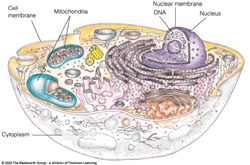
Mitochondria are the powerhouses of the cell. The better your mitochondria perform, the more energy you will have. All of your cells need well-functioning mitochondria, or they will suffer. Mitochondria were probably bacteria, originally. They contain much of their own DNA, and divide like bacteria, with both copies retaining the genome.

Not surprisingly, mitochondria are sensitive to certain antibiotics, like bacteria. In fact, one approach to cancer chemotherapy is to develop an antibiotic that specifically targets the mitochondria of cancer cells. Causing sufficient damage to mitochondria can induce apoptosis of the cell. A lot of research is currently being conducted to clarify the connection of mitochondria with caspase releae and subsequent apoptosis.

Mitochondrial dysfunction participates in neurodegeneration of Huntington disease (HD), Friedreich ataxia, hereditary spastic paraplegia, and rare familial forms of Parkinson disease (PD), Alzheimer disease (AD), and amyotrophic lateral sclerosis (ALS). Although this is only one of the many molecular pathways to neurodegeneration, it is a potentially important one.

In a previous post, I referred to the speculation that chronic fatigue syndrome was related to mitochondrial dysfunction, which could theoretically be caused by any number of micro-organisms including Epstein Barr Virus (EBV). Chemical insult can also cause mitochondrial dysfunction.

The scope of mitochondrial dysfunction is very broad. Some disorders are inherited and manifest in infancy or childhood, many others are acquired in later life. Several dozen known diseases are related to mitochondrial dysfunction.

The good news is that science is getting a better understanding of how mitochondria resist damage.

The SENS approach to life extension includes the preservation of mitochondrial function as one of its basic tenets.

What if we could all have the mitochondrial function of a Lance Armstrong or a champion Iron Man triathlete? That is the short term goal. Longer term, who knows?

Labels:

Bookmark and Share

Helping CD4+ Cells Survive: Stealth Vectors, Antisense RNA, HIV/AIDS


HIV/AIDS is an increasingly severe worldwide problem. If the infected person can keep his CD4+ count high enough, he will probably not get AIDs. Anti-retroviral drugs have helped millions of HIV infected persons stave off AIDS, where the drugs are available, but a better method of restoring the CD4+ cell population is needed--one that does not require taking so many expensive pills on a daily basis.

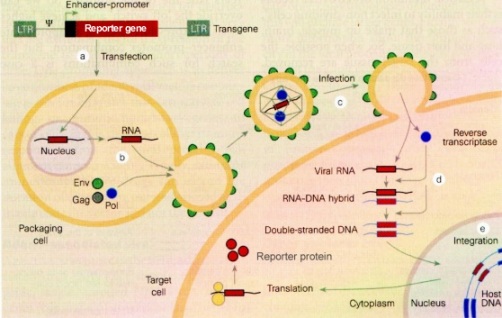
Enzo Biochem has developed a "gene construct" consisting of three anti-sense genes, which are introduced into blood stem cells that are destined to become CD4+ T cells. These new CD4+ T cells will be resistant to the HIV retrovirus because the antisense genes they contain will neutralize the HIV gene products that are necessary for the virus to infect the cell. The more CD4+ T cells that survive, the less likely the person is to develop full blown AIDS.

Here is the report from Enzo Biochem (NYSE:ENZ):

In the upcoming trial, which is expected to get underway shortly, Enzo’s StealthVector® HGTV43™ gene construct will be used to transfer three antisense genes designed to interfere with the growth of HIV-1 into blood stem cells. These cells are expected to replicate and differentiate within the body of the HIV-1 infected individual to produce CD4+ T-cells, the main target of infection by HIV-1. The novel aspect of the current study is to increase the percentage of CD4+ cells that contain the anti-HIV-1 antisense genes with a protocol designed to partially reduce the patient’s blood stem cells before infusion of the engineered cells. The trial is intended to determine whether this procedure will create a supply of HIV-1 resistant CD4+ cells large enough to materially defer the disease progression of these HIV-1 infected individuals into AIDS

The Phase I study that took place at UCSF demonstrated the safety of the procedure and showed that the engineered stem cells were able to survive long term in vivo and to produce a low number of CD4+ cell progeny containing functioning antisense genes. Although there was no increase in the CD4+ cell count or reduction in the viral load, the yield of engineered cells has remained approximately constant over a number of years, in the case of one individual for as long as five years, supporting the conclusion that stable engraftment of anti-HIV-1 antisense RNA-producing blood stem cells occurred and the antisense genes continued to function.

....The HGTV43™ vector was developed by Enzo to include a proprietary delivery system designed to overcome a major challenge in gene medicine, namely the efficient and safe delivery of the medicine to the appropriate target. The benefits of Enzo’s “Stealth” vector technology are that it achieves efficient delivery of the genes into the patient’s cells, and that it is “silent” and unlikely to trigger an immune response. In addition, during the development of the vector two critical safety features were incorporated to minimize the possibility of inadvertently turning on deleterious genes in the subject.

“The Phase I trial demonstrated the safety of the HGTV43™ gene construct in 5 subjects and the ability of the engineered cells to survive and continue to function in vivo.


Read the full Enzo release here.
Hat tip medgadget.

Anti-sense RNA gene constructs are just one form of non-coding RNA. HIV/AIDS is such a complex infection, that it has been difficult for scientists to find the best way to attack it. Approaches to developing working vaccines have not been productive so far, but there is more than one way to skin this cat. Molecular biology has just begun to flex its muscles. Microbes, even HIV, do not stand a chance, in the long run--if.

If what? If western civilisation can continue to support its vast scientific research infrastructure. Given all the ongoing threats, that is not guaranteed.

Labels:

Bookmark and Share

Epstein Barr Virus and Chronic Fatigue Syndrome

Australian scientists have been following people who were infected by three microbes, including Epstein Barr Virus (EBV) to determine if there were any long term complications from the infections.

New evidence on chronic fatigue causation:
The 'Dubbo Infection Outcomes Study'

A seven-year tracking study has prompted scientists to suggest that chronic fatigue syndrome could be the result of brain injuries inflicted during the early stages of glandular fever.

Australian researchers have put the suggestion in this week's Journal of Infectious Diseases, which reveals new findings from the 'Dubbo Infection Outcomes Study'. Since 1999, a team led by UNSW Professor Andrew Lloyd have been tracking the long-term health of individuals infected with Epstein-Barr virus (EBV), Ross River virus (RRV) or Q fever infection. Their goal is to discover whether the post-infection fatigue syndrome that may affect up to 100,000 Australians is caused by the persistence of EBV, a weakened immune system, psychological vulnerability, or some combination of these.

Glandular fever – sometimes called 'the kissing disease' – is caused by Epstein-Barr virus (EBV). Transmitted via saliva, its acute symptoms include fever, sore throat, tiredness, and swollen lymph glands. Most patients recover within several weeks but one in ten young people will suffer prolonged symptoms, marked by fatigue. When these symptoms persist in disabling degree for six months or more, the illness may be diagnosed as chronic fatigue syndrome (CFS).

The researchers followed the course of illness among 39 people diagnosed with acute glandular fever. Eight patients developed a 'post-infective fatigue syndrome' lasting six months or longer, while the remaining 31 recovered uneventfully. Detailed studies of the activity of the Epstein-Barr virus in the blood and the immune response against the virus were conducted on blood samples collected from each individual over 12 months.

Commenting on the findings, Professor Lloyd says: "Our findings reveal that neither the virus nor an abnormal immune response explain the post-infective fatigue syndrome. We now suspect it's more like a hit and run injury to the brain.

"We believe that the parts of the brain that control perception of fatigue and pain get damaged during the acute infection phase of glandular fever. If you're still sick several weeks after infection, it seems that the symptoms aren't being driven by the activity of the virus in body, it's happening in the brain."

The research team comprising scientists from the University of New South Wales, the University of Sydney and the Queensland Institute of Medical Research plan to test their 'brain injury' hypothesis by doing neurological tests on the study participants.


Read the full report here.

"Parts of the brain that control perception of fatigue and pain get damaged . . . " This is only a preliminary finding, understand. People with chronic fatigue syndrome (CFS) know very well that it is not "all in their heads." The fatigue is real and debilitating. But if the brain is misreading the true state of the body, and relaying false impressions to the conscious mind, it would be difficult for the person to tell the difference.

I suspect the true picture is more complex. It is more than just the conscious mind that is misreading the state of the body. It is likely that several brain centers are involved. Furthermore, since the brain is involved in heart rate, respiratory rate, body temperature, perspiration, and motor control--among other things related to perception of fatigue--the deception could be incredibly thorough.

Mitochondria dysfunction is a very real possibility with CFS. I will post more on mitochondrial dysfunction later.
Bookmark and Share
Newer Posts Older Posts
Al Fin Main Page
Enter your Email


Powered by FeedBlitz
Google
WWW AL FIN

Powered by
Blogger

``