13 May 2009

Focus and Drift: A Secret Path to Brain Power?

Image Source: Magic Trance

"Generate and test" is the secret to prolific creativity for both humans and nature (natural selection). Another powerful pairing may be "focus and drift", for building mental facility -- perhaps even brain matter. First, focus:
In the study, Luders and her colleagues examined 44 people — 22 control subjects and 22 who had practiced various forms of meditation, including Zazen, Samatha and Vipassana, among others. The amount of time they had practiced ranged from five to 46 years, with an average of 24 years.

More than half of all the meditators said that deep concentration was an essential part of their practice, and most meditated between 10 and 90 minutes every day.

The [UCLA] researchers used a high-resolution, three-dimensional form of MRI and two different approaches to measure differences in brain structure. One approach automatically divides the brain into several regions of interest, allowing researchers to compare the size of certain brain structures. The other segments the brain into different tissue types, allowing researchers to compare the amount of gray matter within specific regions of the brain.

....The researchers found significantly larger cerebral measurements in meditators compared with controls, including larger volumes of the right hippocampus and increased gray matter in the right orbito-frontal cortex, the right thalamus and the left inferior temporal lobe. There were no regions where controls had significantly larger volumes or more gray matter than meditators. _PO
The discipline of meditation provides the brain with more "staying power" when confronting a problem, situation, or challenge. That is focus. Now, drift:
“Mind wandering is typically associated with negative things like laziness or inattentiveness. But this study shows our brains are very active when we daydream – much more active than when we focus on routine tasks,” Christoff, who has also been the lead author of the study, says. The experts used an observation technique known as functional Magnetic Resonance Imaging (fMRI) for their study. This machine has the ability to show brain areas basically “lighting up” or “turning off,” depending on whether they are active or dormant. In addition, it allows for almost real-time observations on a test subject's brain.

As a reference point, the researchers employed readings recorded while the patients sat in the fMRI machine, and pushed a button when numbers appeared on a screen. Their brain activities were monitored second after second, and stored for comparison.....Christoff says that daydreaming, a contemplative state in which the brain wonders, occupies about one third of every individual's life, and, as such, merits more investigation.

For example, the study has revealed that the “executive network” in our brains, usually dealing with high-level, complex problem-solving, is also highly active in daydreaming. This network consists of the lateral prefrontal cortex (PFC) and the dorsal anterior cingulate cortex. In addition to these regions, the wondering mind also activates the “default network,” which is made up of the medial PFC, the posterior cingulate cortex and the temporoparietal junction. The later network has been thus far believed to be the only segment of the brain active during daydreaming. _Softpedia
Competence in using the "focus and drift" cycle can provide a greater potential for problem-solving and creativity, in addition to a better ability to cope with routine challenges. There are many useful approaches to meditative focus. And quite a few methods have been developed to facilitate highly productive daydreaming "drift." Combinatorial sorting suggests an enormous range of potential "systems" for using focus and drift in a highly personal manner.

Be sure to remember to throw in a generous mix of exercise, creative play, good nutrition, and stimulating social interaction.

It may not be long before we develop "smart drugs" and smart therapies that are capable of building intelligence and executive powers to amazing levels. The humans who are already familiar with their mental and emotional powers will be best able to take advantage of an artificial boosting of intelligence and EF. Most people -- the academically lobotomised psychological neotenous narcissistic zomboids of our day -- will only grow more warped and dysfunctional. Technology can only accomplish so much, if humans lack wisdom in applying it.

Labels: , , , ,

Bookmark and Share

27 March 2009

Mind Maps Video


Mind maps are a way of organising our thoughts, plans, projects, etc.
# Start from the center of the page and work out.
# Make the center a clear and strong visual image that depicts the general theme of the map.
# Create sub-centers for sub-themes.
# Put key words on lines. This reinforces structure of notes.
# Print rather than write in script. It makes them more readable and memorable. Lower case is more visually distinctive (and better remembered) than upper case.
# Use color to depict themes, associations and to make things stand out.
# Anything that stands out on the page will stand out in your mind.
# Think three-dimensionally.
# Use arrows, icons or other visual aids to show links between different elements.
# Don't get stuck in one area. If you dry up in one area go to another branch.
# Put ideas down as they occur, wherever they fit. Don't judge or hold back.

H/T SimoleonSense

Move your best ideas from inside your head out into the world where they can rub elbows with other ideas. Use mind maps, journals, blogs, art, audio and video messages to yourself, and whatever passageways you can find.

Labels:

Bookmark and Share

04 March 2009

Paying Attention, Making Sense of It

To understand and learn from our experiences, we need to be able to
  1. pay attention to what is happening,
  2. remember sequences of events, and
  3. try out different causative scenarios
-- while continuing to attend to real world events as they occur around us. Some people are better at paying attention than others (via Simoleonsense).

Attention and working memory are centered on the pre-frontal cortices, but involve many other parts of the cortex and sub-cortex. They are important features of both intelligence and executive functions. Being able to focus on a task (learning or acting) despite distractions from the outer and inner worlds, is a complex skill that often separates the highly successful from less successful persons.

Intelligence as measured in IQ tests is highly heritable (between 50 and 80%). Executive functions of the pre-frontal lobes also seem to be highly heritable, but may be more trainable than IQ. Interestingly, since short term memory and attention can be trained in children between the ages of 4 and 7 years, both EF capacity and IQ scores can be raised in young children with proper training. It is too early to tell whether such gains will be long-lasting.

The fact that we seem to have the ability to favourably alter a young child's trajectory in life should offer us some hope for the future. Though the current Obama / Pelosi reich will do nothing to upset the powerful teachers' unions or public employee unions, eventually the current fascist rule in the US will pass, and more thoughtful and progressive leadership may come about.

But honestly -- only a fool would wait for an enlightened leadership to come about before utilising what is known to help those he cares about. The current perfect storm of fascism in the US is slowly teaching Americans the difference between the government and the country. The dumbed down, academically lobotomised, psychologically neotenised, slow learning citizenry of the US is becoming at least dimly aware that the government is not their parent, is not their god, is not worth believing or honouring. They are ever so slowly learning that the US government is more their enemy now than at any time in the nation's history.

Such knowledge should stimulate at least a little nascent self-sufficiency. And just because today's Americans are dumbed down, incompetent perpetual adolescents, there is no reason why future Americans should be forced into the same dead end.

Labels: , ,

Bookmark and Share

03 March 2009

The Ultimate Multi-Function Survival Tool

Image Source

The human brain is the ultimate tool for survival in a changing environment. Since the brain is constantly evolving in response to experience, it is never exactly the same as before. This means that we can shape our experiences to improve desired brain functions.

Specialists in brain function such as Michael Merzenich, in the Google Talk video above, have developed sophisticated software training tools to develop a medley of brain functions necessary for high level thinking and learning. Dr. Merzenich claims that the current incarnation of his software tools can subtract roughly 11 years of age-related mental decline from the average middle-aged or elderly brain. For anyone past the age of 50, an 11 year improvement is quite significant.

The expense of Merzenich's Posit Science software limits the application to research, institutional use, and moderately affluent users. But competing companies are entering the brain training arena, and making strong claims for the efficacy of their own products, compared to the Posit Science regimen.
The Posit Science and Mind Sparke programs both employ training protocols that can help mitigate and reverse the mental declines associated with aging. The programs differ in four broad respects:

1. Relative Training Time Required – Posit Science requires 65 to 80 hours of training over a 3 month period. Mind Sparke’s integrated exercise trains several functions simultaneously and requires just 20 hours over a three month period.
2. Training Targets – Mind Sparke’s training program targets two brain functions that the Posit Science programs do not -- multi-tasking skills and simultaneous left-brain / right-brain processing.
3. Training of Natural Listening Skills – The Mind Sparke program does not train natural ('real life') listening comprehension. (This can be supplemented by mindfully engaging in everyday tasks and activities that require prolonged attention and focus.)
4. Relative Cost – The Posit Science program bundle costs a total of $690. Mind Sparke Brain Fitness Pro costs less than $60.

....Posit Science and Mind Sparke customers report similar subjective benefits from their training – improved focus and concentration, improved memory, and improved visual processing. Mind Sparke’s customers (a broader customer base in terms of age range) have also reported improved mathematical ability, a boost in puzzle-solving ability and improved hand-eye coordination and musical proficiency. _MindSparke
Links to 10 top websites for brain training games and information

Brain-Mind web resource -- provides background for understanding how the brain works

As does McGill's "Brain Top to Bottom"

Labels:

Bookmark and Share

23 February 2009

The Next Economy & Sharpening the old Noggin


In order to comprehend and take part in the next economy, most of us will need to take active steps to sharpen and/or preserve our mental acumen. Here is a list of 6 ways from SciAm:
METHOD 1: EXERCISE
Mice that run on wheels increase the number of neurons in their hippocampus and perform better on tests of learning and memory. Studies of humans have revealed that exercise can improve the brain’s executive functions (planning, organizing, multitasking, and more). Exercise is also well known for its mood-boosting effects, and people who exercise are less likely to get dementia as they age....

A variety of mechanisms might be responsible for this brain boost. Exercise increases blood flow to the brain, which also increases the delivery of oxygen, fuel and nutrients to those hard-working neurons. Research has shown that exercise can increase levels of a substance called brain-derived neurotrophic factor (BDNF), which encourages growth, communication and survival of neurons....

METHOD 2: DIET
The brain needs fuel just as the body does. So what will really boost your brainpower, and what will make you lose your mind?...The brain is mostly fat—all those cell membranes and myelin coverings require fatty acids—so it is important to eat certain fats, particularly omega-3 fats, which are found in fish, nuts and seeds. Alzheimer’s disease, depression, schizophrenia and other disorders may be associated with low levels of omega-3 fatty acids.

Fruits and vegetables also appear to be brain superfoods. Produce is high in substances called antioxidants, which counteract atoms that can damage brain cells. Researchers have found that high-antioxidant diets keep learning and memory sharp in aging rats and even reduce the brain damage caused by strokes. That’s food for thought....

METHOD 3: STIMULANTS
Stimulants are substances that rev up the nervous system, increasing heart rate, blood pressure, energy, breathing and more. Caffeine is probably the most famous of the group. (It is actually the most widely used “drug” in the world.) By activating the central nervous system, caffeine boosts arousal and alertness.....One study showed that the equivalent of two cups of coffee can boost short-term memory and reaction time. Functional MRI scans taken during the study also revealed that volunteers who had been given caffeine had increased activity in the brain regions involving attention. In addition, research suggests caffeine can protect against age-related memory decline in older women.

METHOD 4: VIDEO GAMES
.....Surgeons who spend at least a few hours a week playing video games make one-third fewer errors in the operating room than nongaming doctors do. Indeed, research has shown that video games can improve mental dexterity, while boosting hand-eye coordination, depth perception and pattern recognition. Gamers also have better attention spans and information-processing skills than the average Joe has. When nongamers agree to spend a week playing video games (in the name of science, of course), their ­visual-perception skills improve.....

Video games activate the brain’s reward circuits but do so much more in men than in women, according to a new study. Researchers hooked men and women up to functional MRI machines while the participants played a video game designed for the study. Both groups performed well, but the men showed more activity in the limbic system, which is associated with reward processing. What is more, the men showed greater connectivity between the structures that make up the reward circuit, and the better this connection was in a particular player, the better he performed. There was no such correlation in women. Men are more than twice as likely as women are to say they feel addicted to video games.

METHOD 5: MUSIC
Music can...activate your brain’s reward centers and depress activity in the amygdala, reducing fear and other negative emotions.

....music does seem to possess some good vibrations. It can treat anxiety and insomnia, lower blood pressure, soothe patients with dementia, and help premature babies to gain weight and leave the hospital sooner.

Music training can bolster the brain. The motor cortex, cerebellum and corpus callosum (which connects the brain’s two sides) are all bigger in musicians than in nonmusicians. And string players have more of their sensory cortices devoted to their fingers than do those who don’t play the instruments..... some studies have indeed shown that music lessons can improve the spatial abilities of young kids.

METHOD 6: MEDITATION
Meditation, or the turning of the mind inward for contemplation and relaxation, seems to help all types of conditions—anxiety disorders, sure, but it can also reduce pain and treat high blood pressure, asthma, insomnia, diabetes, depression and even skin conditions.

...Researchers are now illuminating the actual brain changes caused by meditation by sticking meditators into brain-imaging machines. For one, although the brain’s cells typically fire at all different times, during meditation they fire in synchrony. Expert meditators also show spikes of brain activity in the left prefrontal cortex, an area of the brain that has generally been associated with positive emotions. And those who had the most activity in this area during meditation also had big boosts in immune system functioning.

Meditation can increase the thickness of the cerebral cortex, particularly in regions associated with attention and sensation. (The growth does not seem to result from the cortex growing new neurons, though—it appears that the neurons already there make more connections, the number of support cells increases, and blood vessels in that area get bigger.) _Sciam
There you have it. A glimpse into the future, and a few of the things you will need to do to be able to take advantage of it.

H/T Zenpundit

Labels: ,

Bookmark and Share

27 January 2009

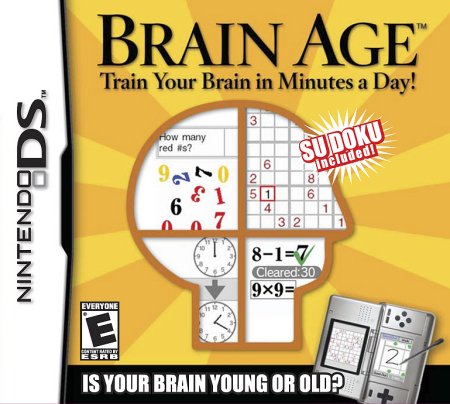
Brain Training May Not Improve Sexual Performance: Nintendo DS In Question

Recent research from the University of Rennes in Brittany suggests that popular brain training methods such as Dr. Kawashima's Brain Training, may not be as helpful as previously believed (or claimed). The researchers studied the memory training available for the Nintendo DS.
New research from the University of Rennes in Brittany has found that games such as those available for the Nintendo DS do not lead to increased memory performance.

The team studied the impact of the popular Dr Kawashima's Brain Training on 67 ten-year-olds. Alain Lieury, professor of cognitive psychology at the university, explained that improvements in memory and mental agility are more likely around the age of ten.

However, his team found that tasks such as completing homework, playing Scrabble or attempting a SuDoku puzzle improved results more than the Brain Training and Big Brain Academy games. _bcs
Similarly, an unofficial survey of current and former Al Fin sex partners reveals that the Nintendo brain training failed to improve sexual performance. Publication in Nature is pending peer review.

In all seriousness, the study from the University of Rennes should not be used to judge professional brain training of executive function for children, which has been found to be most effective between the ages of 4 and 6 years.

Labels: , ,

Bookmark and Share

16 January 2009

Learning To Remember, Remembering to Learn

There is something of a conflict between learning something new, and remembering something old. Different parts of the brain are involved, and they tend to inhibit each other's activity (seen on fMRI) when the brain tries to engage both functions (learning and remembering) simultaneously. Researchers in the Netherlands and the US recently published an fMRI based study in PLOS Biology demonstrating this conflict, and the part of the frontal lobe that appears to mediate the conflict and maximise functionality of both learning and remembering.
Despite the encoding/retrieval competition, on several trials, all participants were actually able to both remember and learn. Follow-up fMRI analyses showed that these trials were accompanied by selective activity in the left mid-VLPFC (Figure 3C). A subsequent correlation analysis indicated a negative relationship showing that more activity in left mid-VLPFC was coupled with less encoding suppression. Together, these findings suggest a role for the left mid-VLPFC in resolving the competition between learning and remembering. Given that encoding and retrieval were forced to occur within a brief period of time, we propose that the role of left mid-VLPFC involves the facilitation of rapid switching between the encoding and retrieval processes.

A role of left mid-VLPFC in rapid memory switching fits well with evidence implicating this region in flexible behavior and cognitive control. Outside the domain of memory, several studies have linked left mid-VLPFC activity to situations requiring flexible switching between different task sets or rules. For example, a recent fMRI study showed that activity in left mid-VLPFC is linked to task-switching [20]. _PLOSBiology _ via _SD
It is often necessary to remember and learn virtually simultaneously.
Virtually all social interactions require the rapid exchange of new and old information. For instance, normal conversation requires that while listening to the new information another person is providing, we are already retrieving information in preparation of an appropriate reply.

....Future research should reveal the extent and practical implications of impairments in switching between learning and remembering in patients and older adults, and whether we can improve our switchboard through training. _SD
You would expect any lesion to the left ventral lateral pre-frontal cortex (VLPFC) to interfere with a person's ability to rapidly switch between learning and remembering modes. Since any type of active learning involves both new encoding of information and recall of previously encoded information, the left VLPFC appears to be critical to the knowledge acquisition -- as well as retrieval -- process. (the right VLPFC is involved in vigilance and implicated in anxiety disorders)
Cognitive control mechanisms permit memory to be accessed strategically, and so aid in bringing knowledge to mind that is relevant to current goals and actions. In this review, we consider the contribution of left ventrolateral prefrontal cortex (VLPFC) to the cognitive control of memory. Reviewed evidence supports a two-process model of mnemonic control, supported by a double dissociation among rostral regions of left VLPFC. Specifically, anterior VLPFC (approximately BA 47; inferior frontal gyrus pars orbitalis) supports controlled access to stored conceptual representations, whereas mid-VLPFC (approximately BA 45; inferior frontal gyrus pars triangularis) supports a domain-general selection process that operates post-retrieval to resolve competition among active representations. We discuss the contribution of these control mechanisms across a range of mnemonic domains, including semantic retrieval, recollection of contextual details about past events, resolution of proactive interference in working memory, and task switching. _Neuropsychologia (review) 1,Oct2007
The authors of the recent PLOS article quoted at top admit that fMRI lacks the spatial resolution needed to achieve fine definition of brain activity involved in information encoding and retrieval. The rough outline achieved by the study will likely be useful in further experiments, nonetheless.

We need to know how to optimise learning materials for individual students, but we also need to know how to optimise information encoding for individuals, given the learning materials at hand. Maximising the use of a person's intelligence may involve special exercises for the VLPFC, even deep brain stimulation (DBS) of the VLPFC or associated regions of the brain.

Given the wide variety of brain exercise systems on the market currently, it will probably take time and experimentation to determine which systems most optimally train the parts of the frontal lobe that are most operative in learning.

The educational establishment is bogged down in labour union politics and other forms of inertial resistance to adaptating to the neuroscience of learning. A certain amount of conservatism is fine, if the current theories of pedagogy were based upon sound principles. Unfortunately, the opposite is true. This means that enlightened educators will need to work to improve teaching and learning methods in spite of and in opposition to the full weight of the government-supported and financed education establishment.

Labels: , , , , ,

Bookmark and Share

18 December 2008

Brain Training: What Makes You So Special?

The brain fitness software market has been growing at a dizzying pace. Worldwide revenue surged to $850 million last year, up from $250 million in 2005, according to SharpBrains, a company that tracks the mental fitness industry. _CNN
Your brain makes you special. Taking care of your brain should be one of your top priorities. A large number of brain training programs have been developed to train brains of all ages. Some studies suggest that specific types of brain training may improve a person's mental performance: short-term memory, ability to perceive subtle connections between seemingly unconnected events and phenomena, capacity to "multi-task", fluid intelligence as measured by IQ tests, and more.
New work by Minear & Shah shows that as little as 2 hours of practice can promote improvements in multitasking that generalize beyond the particular tasks trained. Specifically, they show that performance on individual tasks can be made more efficient while multitasking, but the efficiency of actually switching between them cannot. The data supporting this conclusion is fairly complex, but significantly adds to theoretical accounts to a number of previous studies showing that even the highest levels of cognitive processing (the so-called "executive functions") can be improved with practice. _DevelopingIntelligence
Look over the posts at Developing Intelligence. Chris Chatham has posted a number of times on different research looking at brain training for children and adults. The real possibility that some types of brain training might help to improve a child's IQ and/or EF makes the research worth following.
Web sites like BrainBuilder.com and MyBrainTrainer.com offer members access to a variety of training exercises.

Other software programs like MindFit from Israel-based CogniFit are customized to each user.

Growth in mental training has been particularly explosive in the U.S., where aging Baby Boomers have begun to fret about their mental sharpness. According to SharpBrains, the U.S. brain fitness industry is forecast to exceed $2 billion by 2015.

"There is more awareness that the brain evolves depending on what we do in our lives. People who are getting older now are much healthier than they've ever been and want to keep doing things to keep their brains alive," Alvaro Fernandez, CEO of SharpBrains, told CNN.

The growing prevalence of Alzheimer's has also heightened anxiety about mental acuteness. According to researchers at the Johns Hopkins Bloomberg School of Public Health in Maryland, one in 85 people worldwide will have Alzheimer's by 2050. _CNN
A person's choice of leisure activities may help determine his ongoing brain fitness. Choosing a crossword puzzle or a game of chess provides the brain with a lot more stimulation than passive distractions such as television, movies, or pulp fiction.
Using functioning Magnetic Resonance Imaging (fMRI), Bishop and her team conducted the study of 17 men and women, ranging in age from 19 to 48, at Cambridge University. They scored in standardized tests as having varying levels of anxiety, but were not on medication. Their brains were scanned as they performed letter-searching tasks on a screen.

Each time they saw an "N" or "X" in a string of letters, they had to press a corresponding button. At times, the Ns and Xs were easy to spot, and at other times they were buried among long strings of letters. To present a distraction, a similar but irrelevant letter was placed above or below the letter sequence.

When the letter search was demanding, brain scans showed all the study participants' dorsolateral prefrontal cortexes, which control planning, organization and memory, to be fully engaged. But when the letter search was easy, the prefrontal brain activity in high-anxiety participants plummeted as their attention wandered. In contrast, low-anxiety participants easily activated the prefrontal brain to focus on the task at hand when presented with distractions. _RedOrbit
The brain craves a challenge, even in leisure. Persons susceptible to anxiety may have to force themselves to include mental challenges in their daily routines.

Labels:

Bookmark and Share

24 April 2008

You Must Remember This: Unless You Forget

We navigate our way through the world around us by memory. Imagine having to consult a map each morning on the way to work or school! How do we remember these things, and what goes wrong when we start to forget?
Dr Sarah Griffiths, lead author on the paper, explained: "Nerve cells in the perirhinal cortex of the brain are known to be vital for visual recognition memory. Using a combination of biological techniques and behavioural testing, we examined whether the mechanisms involved in synaptic plasticity are also vital for visual recognition memory."

In their experiments, they were able to identify a key molecular mechanism that controls synaptic plasticity in the perirhinal cortex. They then demonstrated that blocking the same molecular mechanism that controls synaptic plasticity also prevented visual recognition memory in rats. This shows that such memory relies on specific molecular processes in the brain.

Professor Bashir added: "The next step is to try to understand the processes that enable visual memories to be held in our brains for such long periods of time, and why these mechanisms begin to break down in old age."

The research is published online April 23 in Neuron. ScienceDaily_via_KurzweilAI.net
In that utopian future that we all envision, the things that we want to remember are remembered, and the things we wish to forget are forgotten. Too often in the real world, just the opposite is the case.

Labels: ,

Bookmark and Share

19 April 2008

Brain-Building Through Early Childhood Music

Lately, parents have taken to playing Mozart to their infant children, in hopes that the music will provide an advantage in brain development for the child. Music and math, at least, are related. Many mathematicians are also skilled musicians. The long relationship between music and mathematics apparently runs deep in the structure of the human brain. But to provide a true advantage to the young, growing brain, may require more active participation than merely listening to the music.
Schlaug, now at Harvard Medical School in Boston, and colleagues including Marie Forgeard and Ellen Winner at Boston College, studied 31 children. The researchers collected detailed magnetic resonance images of the children's brains at age 6 and again at 9. Of the original group, six children faithfully practiced at least 2.5 hours a week in the time between the scans. In these budding musicians, a region of the corpus callosum that connects movement-planning regions on the two sides of the brain grew about 25% relative to the overall size of the brain. Children who averaged only an hour or two of weekly practice and those who dropped their instruments entirely showed no such growth. All of the children practiced instruments, such as a piano or a violin, that required two hands.

In every subject, the researchers found that the size of increase in the corpus callosum predicted the improvement on a nonmusical test that required the children to tap out sequences on a computer keyboard. Schlaug says the findings should settle the earlier debate by showing that musical training can enhance neural connections related to planning and coordinating movements between the two hands. His team is now following up with the same children to investigate whether their training had other benefits, such as improved memory or reasoning skills. __Science
Schlaug's findings appear quite significant, and you would expect that 25% growth in the corpus callosum, which connects the two cerebral hemispheres, would contribute to significant differences in other brain functions, and probably behaviours, besides musical performance. It is important to note that both instruments practised by the children required the use of both hands. Other instruments that require complex planning and coordination between the two hands would likely produce similar neuro-structural changes.

Music possesses an inner, mathematical structure. As young brains struggle to reproduce the inner structure of music through practise, is there any doubt but that their brains are changing--modifying themselves--to be better able to instantiate the musical structure through the musical instrument of choice?

The neuroanatomical changes only occurred in children who began regular musical practise before the age of 7, which suggests that an early start on musical training is important for those who eventually are to become virtuosos--for these particular instruments anyway.

The young brain develops along a sequential pathway. Critical periods or windows for different brain functions occur at different points in time. The window for vision is from two months to eight months. The social development and emotional control window is particularly open from ten to eighteen months. The window for math and logical skills is widely open between one and four years, and the window for musical development is between three and ten years--although perhaps one should not wait much beyond the sixth year to start. Source Other sources suggest waiting until five years before intense fingering training on musical instruments begins. Each child's developmental windows will be unique, although they should roughly follow the sequence suggested.

If children are to learn to speak a second language like a native, they should be introduced to the language by age ten. Source for more windows of development According to this source, social developmental windows remain open until ten years, particularly for empathy and envy.

The brain's neural axons myelinate in a roughly back-of-the-brain to front-of-the-brain direction, over the years. Trying to jump-start a particular brain function before the particular nerve pathways are myelinated, may produce less than satisfactory results. The windows of development for thought/emotional/motor skills follow the myelination sequence of the brain.

The pre-frontal lobes are the last parts of the brain to myelinate and mature--finally completing anywhere between the early twenties to the late twenties. Adolescents lack perspective and judgment at least partially due to the delayed maturity of the prefrontal lobes. Other neural functions can be mature, and the adolescent capable of phenomenal performance in many areas--and still lack basic adult-level maturity. This is common knowledge to any observer of adolescents and young adults.

We are all unique. We begin as unique individuals genetically, and grow more unique with every passing and diverging experience. Even identical twins display uniqueness in both genetics (copy number variants [CNV] and environmentally triggered epigenetic controls) and environment (intra- and extra-uterine).

The more we know about the unfolding of a child's being with time, the better able we will be to provide a more optimal environment for child development, and the acquisition of real world talents and competence.
But as the imaging technologies have become more sophisticated, the scientists have found many other neuroanatomical effects of the practice of music. Musicians have enlarged Broca's areas--the famous language area named after the 19th century psychiatrist.
Music practice correlates with an enlarged left planum temporale which is in Wernicke's area and lights up during both speech and music processing. What's going on with these language centers? One very clever study revealed the "bottomline". The scientists hooked up some musicians to the fMRI machines and had them listen to and follow the score of a Bach chorale. Unbeknownst to the musicians the investigators introduced an error into both teh performance and the score, to see what what would happen with this kind of 'exception processing' What happened was that the unexpected event lit up half a dozen areas of the brain which had prior thereto been considered part of the language-specific cortical circuitry.

So that's the bottom line of a decade of PET, MRI, fMRI and other imaging studies on the effect of the practice of music on the brain. The practice of music develops the language circuitry of the brain.
Source

Labels: , , , , ,

Bookmark and Share

19 January 2006

Retraining the Brain


CBS News posts a story about brain plasticity, using various non-drug therapies. Using something called CI Therapy, or Constraint Induced Therapy, some patients are regaining the use of limbs deadened by brain injury. Using another therapy called the "Brain Gym", a software training device, others likewise regain use of facilities previously thought permanently lost.

Hat tip Intelligence testing blog.

Another rapidly growing area of non pharmaceutical brain retraining is Neurofeedback, described in this Wiki article with links.

Labels: , ,

Bookmark and Share
Older Posts
Al Fin Main Page
Enter your Email


Powered by FeedBlitz
Google
WWW AL FIN

Powered by
Blogger

``