27 January 2013

Children Cannot Be Taught, But They Can Learn

Children are not taught, they learn. How well and how much they will learn depends upon the skills that they master, long before they are aware that they are learning. Whether or not they have the chance to master those skills depends upon their caretakers.

Even the best of us is limited in what we can learn and what we can conceive. Such limitations applied to Albert Einstein and they apply to you, and your dangerous child. But all of us can learn ways to push against our limits, if we wish. Most people never come close.


The video above, "Cognitive Limits," is a useful introduction to the cognitive science of attention, memory, and learning.

Concepts of "Attention and Memory" are key to understanding how a relatively inexperienced and ignorant human infant can develop into a skilled walking and talking toddler who is into everything he can reach, learning and remembering as he goes.

Everyone is limited in what he can hold in his short-term working memory -- some more limited than others. Likewise, each person is limited as to how many active thinking processes he can maintain simultaneously -- how many dynamic activities he can keep track of.

Brief intro. to Cognitive Load Theory:
In essence, cognitive load theory proposes that since working memory is limited, learners may be bombarded by information and, if the complexity of their instructional materials is not properly managed, this will result in a cognitive overload. This cognitive overload impairs schema acquisition, later resulting in a lower performance (Sweller, 1988). Cognitive load theory had a theoretical precedence in the educational and psychological literature, well before Sweller’s 1988 article (e.g. Beatty, 1977; Marsh, 1978). Even Baddeley and Hitch (1974) considered “concurrent memory load” but Sweller’s cognitive load theory was among the first to consider working memory, as it related to learning and the design of instruction...

...Schema acquisition is the ultimate goal of cognitive load theory. Anderson’s ACT framework proposes initial schema acquisition occurs by the development of schema-based production rules, but these production rules may be developed by one of two methods (Anderson, Fincham, & Douglass, 1997), either by developing these rules during practice or by studying examples. The second method (studying examples) is the most cognitively efficient method of instruction (Sweller & Chandler, 1985; Cooper and Sweller, 1987; Paas and van Merriënboer, 1993). This realization became one of the central tenets of cognitive load theory.

Once learners have acquired a schema, those patterns of behavior (schemas) may be practiced to promote skill automation (Anderson, 1982; Kalyuga, Ayres, Chandler, and Sweller, 2003; Shiffrin & Schneider, 1977; Sweller, 1993) but expertise occurs much later in the process, and is when a learner automates complex cognitive skills (Shiffrin & Schneider, 1977), usually via problem solving. _Cognitive Load Theory


Reference examples for the deeply interested who have a research bent:

Cognitive Bottleneck in Multitasking (PDF)

Dynamic Competition and the Cognitive Bottleneck (PDF)

Advanced educators not only try to introduce useful "schemas" to the learner -- they also try to choose conceptual schemas that will be useful in multiple contexts:
Students do not automatically connect, apply, or extrapolate what they know to other learning contexts. So what foundations can we put in place to ensure we are dong the best we can to nurture conceptual understanding and seek its transfer to new contexts? Here is my attempt to map out a few strategies that work for me:
  1. Make transfer the big goal of conceptual teaching and learning – always have ideas in mind about how students can transfer their conceptual understandings and skills to new contexts.
  2. Concepts over content – think big picture not activities. The exploration of concepts during collaborative teacher planning sessions will lead to a multitude of activities that can be applied in the classroom – the activities will always take care of themselves!
  3. Less is more – working with fewer conceptual understandings means that you can use and extend the knowledge and skills students present in a meaningful, formative way – be mindful.
  4. Prior knowledge – Take the time to nurture student’s interest and avenues into the concepts you are teaching.
  5. Authentic assessment – map out the formative and summative assessment opportunities that are likely to arise through the teaching and learning experiences. Through these opportunities, challenge student’s misconceptions, stereotypes and tendencies toward rigid thinking.
  6. Levels of transfer – transfer can happen on a “near” level where contexts can be very similar, or transfer can happen on a “far” level where the context is more abstract and removed from the original learning, some learners are natural abstract thinkers, others are not.
  7. Think discriminatively – be measured about when opportunities arise for students to apply transfer, be mindful about when you can make it happen authentically, create opportunities for success and not failure.
  8. Value thinking, nurture it and make it visible – train and engage students in a variety of daily thinking routines, use Socratic questioning in discussions to connect new ideas with existing knowledge. Metacognition, metacognition, metacognition!!
  9. Nurture the potential of transfer in younger students – (EY- G1) value and reflect upon the meaning of children’s connections in collaboration with others. Make children’s connections visible and a part of discussion for other learners.
  10. Homework – getting students to apply what they are learning in class and explore the meaning of concepts to their own lives can provide rich and diverse opportunities for transfer. Infinitely more valuable than completing worksheets!
_Conceptual Learning in Classroom
In terms of modern classroom educational practise, many of these ideas are more useful than a lot of what one sees -- if they are ever applied in anything but the rare, ideal classroom setting, which is unlikely.

More commonly, the best of theoretical intentions go badly awry when the rubber meets the road. This is particularly true when the masses of teachers attempt to implement the conceptual ideas and schemas of theorists, most of which they themselves only vaguely comprehend.

Remember: The teacher does not teach. Instead, the learner learns. If the learner's mind is not structured and ready to learn the concept for the day, it will not matter how well the teacher has prepared his lesson.

The learning mind must be "empowered" from the earliest age, and continuously reinforced -- until it is the child himself who is doing the reinforcing. This self-reinforcement occurs at different ages for different children -- even under the most ideal conditions. Young Mozart, for example, required much less external reinforcement to achieve a given level of mastery than did young Salieri.

So far, we have skipped around one of the central issues: how to learn difficult concepts which do not come naturally to most children. We know that boosting self-esteem doesn't work for that. We know that paying a cash reward doesn't work. Even the promise of sensory pleasure and euphoric mind states are limited in how well they will expand the learner's conceptual grasp, within apparently innate cognitive and conceptual limits.

But we must learn to walk before we learn to run a marathon up a mountain. This is a blog, not a textbook. Our approach will necessarily seem a bit scattered and of variable depth. Readers may choose to stop reading and abandon the quest at any time, without penalty.

That is not necessarily the case for those who work at the Al Fin Dangerous Child Institute.

Labels: , ,

Bookmark and Share

26 September 2012

Rhythmic Learning: Our Oscillating Reality

Researchers at the Max Planck Institute of Psychiatry in Munich, have discovered an important mechanism for long term learning in the hippocampus of the mouse brain.
The hippocampus represents an important brain structure for learning. Scientists at the Max Planck Institute of Psychiatry in Munich discovered how it filters electrical neuronal signals through an input and output control, thus regulating learning and memory processes. Accordingly, effective signal transmission needs so-called theta-frequency impulses of the cerebral cortex. With a frequency of three to eight hertz, these impulses generate waves of electrical activity that propagate through the hippocampus. Impulses of a different frequency evoke no transmission, or only a much weaker one. Moreover, signal transmission in other areas of the brain through long-term potentiation (LTP), which is essential for learning, occurs only when the activity waves take place for a certain while.

...Jens Stepan, a junior scientist at the Max Planck Institute of Psychiatry in Munich, stimulated the input region of the hippocampus the first time that specifically theta-frequency stimulations produce an effective impulse transmission across the hippocampal CA3/CA1 region. This finding is very important, as it is known from previous studies that theta-rhythmical neuronal activity in the entorhinal cortex always occurs when new information is taken up in a focused manner. With this finding, the researchers demonstrate that the hippocampus highly selectively reacts to the entorhinal signals.

...One possible reaction is the formation of the so-called long-term potentiation (LTP) of signal transmission at CA3-CA1 synapses, which is often essential for learning and memory. The present study documents that this CA1-LTP occurs only when the activity waves through the hippocampus take place for a certain time. Translating this to our learning behavior, to commit for instance an image to memory, we should intently view it for a while, as only then we produce the activity waves described long enough to store the image in our brain. With this study, Matthias Eder and colleagues succeeded in closing a knowledge gap. "Our investigation on neuronal communication via the hippocampal trisynaptic circuit provides us with a new understanding of learning in the living organism. We are the first to show that long-term potentiation depends on the frequency and persistency of incoming sensory signals in the hippocampus," says Matthias Eder.

More information: Jens Stepan, Julien Dine, Thomas Fenzl, Stephanie A. Polta, Gregor von Wolff, Carsten T. Wotjak and Matthias Eder (2012) Entorhinal theta-frequency input to the dentate gyrus trisynaptically evokes hippocampal CA1 LTP, Frontiers in Neural Circuits, Volume 6, Article 64, 1-13. _MedXPress_via_Max Planck
The translation from the German is a bit sloppy, but the basic idea is that in order for the brain to remember something, the information must be encoded properly and presented for a minimum time period.

We have looked at the importance of brain oscillations in consciousness and cognition, previously. Specifically, oscillations in the gamma band -- modulated by theta frequency oscillations -- appear to facilitate communication between different brain centres in an intermittently synchronous manner.

In other words, unlike digital computers, the brain does not have a central clock to maintain synchronous transfer of data. But by using specific modulated brain frequencies, the brain can apparently synchronise information transfer between different parts of the brain for short periods of time.

This is a key concept in understanding how sophisticated biological brains function. An incredible amount of insight can be derived from that simple concept, and Al Fin cognitivists anticipate that both neuroscience and the broader field of cognitive science will benefit immensely, once the insights are more broadly propagated within the various fields of study involved.

Labels: ,

Bookmark and Share

07 September 2012

Are These the 10 Smartest People Alive?

Of course not. But they make a flashy infographic. And they are certainly "10 of the smartest people alive".
The 10 Smartest People Alive Today
Source: SuperScholar.org

But don't despair if you are not pictured on the graphic above. The US agency DARPA is working to develop "superlearning," for the next generation supersoldier.
The Accelerated Learning program will develop quantitative and integrative neuroscience-based approaches for measuring, tracking and accelerating skill acquisition while producing a twofold increase in an individual's progress through the stages of task learning. Accelerated Learning will identify the neural basis of expert performance by integrating behavioral data with neurophysiological measures to track the progression of novices on the training path to expertise.

Accelerated Learning will develop reliable, quantitative methods to track task progression based on noninvasive measures of brain activity, including neurophysiologically driven training regimens, neurally optimized stimuli and stimulatory or modulatory interventions. Complementary components to help attain this goal include development of neurally based techniques to maintain acquired skills, prediction of skill acquisition based on real-time neural activity, preferential brain network activation, and strategies for understanding relationships between cognition and emotion in skills learning. _DARPA Accelerated Learning

It is too bad that we have to wait for the US Defense Department to develop these methods for accelerated human learning. I suppose the US Education Department is too busy devising better methods of "dumbing down" and mental indoctrination to be concerned about anything that might contribute to personal empowerment and increased personal productivity.

We need to work both on improving average human intelligence levels and on developing better methods of compensating for our undeniably limited intelligence. Both of these goals should take higher priority than the drive to develop human-replacing artificial intelligences.

As always, we should remind ourselves that executive function (EF) is even more important to life success than is IQ. Any efforts to improve IQ and to compensate for low IQ, must also include efforts to improve EF.

Labels: , ,

Bookmark and Share

13 January 2012

Can Codecademy Save the World?

We are socializing, working, consuming, and living in a world increasingly defined by programs. Learning to code is the best way to understand what all those programs do, or even to recognize that they are there in the first place...Just a couple of years ago, I was getting blank stares or worse when I would suggest to colleagues and audiences that they learn code, or else. "Program or be programmed," became my mantra...If you know how to code, you can get a high-paying job right now, or make valuable stuff right now. You will understand more about how the world works, and become a participating member in the digital society unfolding before us...

...while learning to code may have once been an arduous or expensive process, the college dropouts who developed Codecademy have democratized coding as surely as Gutenberg democratized text. Anyone can go to Codecademy and start learning and creating code through their simple, fun, interactive window, for free. _CNN Douglas Rushkoff, Media Theorist
Doug Rushkoff is not the first tech enthusiast to be gushing about Codecademy, and he will not be the last. You may want to go to Codecademy and try out a few exercises, just to get a feel for what is going on there.

Don't get me wrong. There are plenty of critics of Codecademy who see the project -- for all its early success -- eventually coming to a bad end, like many similar projects in the past. Scott Gray worked on a very similar "free coding tutorial" project a number of years ago, and provides a number of pointed comments regarding Codecademy and computer tutorials in general. Scott also has some criticism for Khan Academy's approach to pedagogy, so he is not afraid of speaking his mind.

Before you dismiss Gray's criticisms as those of a frustrated competitor whose similar early efforts did not work out, you should probably read this extended blog posting which relates the development and evolution of Scott's ideas on teaching practises (pedagogy), and what kinds of pedagogical approaches he is offering as alternatives to Codecademy and Khan Academy.

Scott Gray's emphasis is math pedagogy using software and teacher coaching. But he comes at math from a different direction than almost all other US educators. Scott rejects the traditional formulaic (or "algorithmic") approach to teaching and learning math, in favour of a more exploratory, experimental, and individual creative "pattern-forming" approach to learning and using mathematical concepts.

The exploratory approach to math that Scott promotes in his work has a long history, and is more widely used in math pedagogy in some countries other than the US. It is an approach that trains the intuition to "feel" and manipulate the mathematics internally in a dynamic manner. The approach is certainly different to the one that Khan Academy uses, and Gray explains the difference in his two articles linked above.

As for Codecademy, Gray has other criticisms of the newly popular website which should be considered carefully. Certainly Gray is not the same sort of Codecademy booster that Doug Rushkoff seems to be.

The truth in this case would seem to be somewhere in between. Codecademy allows for some quick and easy experimentation with basic computer coding methods. But it has important limitations, which may not be clear to the novice coder at first glance. Gray provides a service by pointing out that a new coder who completes the Codecademy series is still likely to be at a loss if placed in a programming environment in the real world. Perhaps Codecademy will move beyond these limitations in the near future.

In the future we will look at some of these new trends in pedagogy (mastery learning, adaptive learning, exploratory learning etc), and attempt to predict how they will bring about particular changes in how human brains will work in the future. Changes which will make the "Flynn Effect" seem trivial in comparison.

Labels:

Bookmark and Share

Can Humans Invent New Ways of Knowing and Discovery In Time?


Michael Nielsen is a pioneer of quantum computing and a champion of open-source science. Nielsen sees the Polymath Projects -- an open online group effort by mathematicians around the world to solve interesting problems on the edge of mathematical knowledge -- as a prototype for what is possible in open-source science as a whole.
A project that I really like a lot is one called the Polymath Project, which has involved a large number of people, mostly mathematicians, from all over the world. They have started using blogs and wikis to collaborate together on difficult, unsolved mathematical problems. It’s a place where they can pool all their different types of expertise, hopefully get a conversation going, and maybe make some progress on problems that any individual amongst them might find very, very challenging. They have had some big successes. They have also had some other projects that haven’t gone so well, which is about par for the course in research. If you’re not having a lot of failures, it means you’re trying problems that are too easy. But it is exciting to see them doing this and pioneering a new way of doing research.

...By and large, [universities are] not standing in the way except through inertia. As a scientist, you build your career by publishing papers, basically. If you’re spending a lot of time doing that, it’s hard to make time to, say, share your ideas online or to share computer code online or any of the other things you might potentially be doing, even though those things have tremendous scientific value. So, in some sense, the entrenched system of reward that universities use is standing in the way of open science, but it’s not because of anything malicious on anybody’s part. It’s just that we have this established system, and it’s very difficult to get everybody to change at the same time. _Boston Review: Michael Nielsen
Reinventing Discovery by Michael Nielsen

Nielsen's open-source group approach to problem solving and discovery is one possible answer to the daunting problem of a rapidly building data glut in science. Scientists have been aware of this problem at least since the 1960s, but it is becoming particularly acute in the 21st century:
When the datasets are so large that they become unwieldy even for the Internet, innovators are spurred to invent new forms of sharing. For example, Tranche, the system behind ProteomeCommons, created its own technical protocol for sharing terabytes of data over the Net, so that a single source isn't responsible for pumping out all the information; the process of sharing is itself shared across the network. And the new Linked Data format makes it easier than ever to package data into small chunks that can be found and reused. The ability to access and share over the Net further enhances the new economics of deletion; data that otherwise would not have been worth storing have new potential value because people can find and share them.

...the biological system of an organism is complex beyond imagining. Even the simplest element of life, a cell, is itself a system. A new science called systems biology studies the ways in which external stimuli send signals across the cell membrane. Some stimuli provoke relatively simple responses, but others cause cascades of reactions. These signals cannot be understood in isolation from one another. The overall picture of interactions even of a single cell is more than a human being made out of those cells can understand. In 2002, when Hiroaki Kitano wrote a cover story on systems biology for Science magazine -- a formal recognition of the growing importance of this young field -- he said: "The major reason it is gaining renewed interest today is that progress in molecular biology ... enables us to collect comprehensive datasets on system performance and gain information on the underlying molecules." Of course, the only reason we're able to collect comprehensive datasets is that computers have gotten so big and powerful. Systems biology simply was not possible in the Age of Books.

...The problem -- or at least the change -- is that we humans cannot understand systems even as complex as that of a simple cell. It's not that were awaiting some elegant theory that will snap all the details into place. The theory is well established already: Cellular systems consist of a set of detailed interactions that can be thought of as signals and responses. But those interactions surpass in quantity and complexity the human brains ability to comprehend them. The science of such systems requires computers to store all the details and to see how they interact. Systems biologists build computer models that replicate in software what happens when the millions of pieces interact. It's a bit like predicting the weather, but with far more dependency on particular events and fewer general principles.

Models this complex -- whether of cellular biology, the weather, the economy, even highway traffic -- often fail us, because the world is more complex than our models can capture. But sometimes they can predict accurately how the system will behave. At their most complex these are sciences of emergence and complexity, studying properties of systems that cannot be seen by looking only at the parts, and cannot be well predicted except by looking at what happens.
_theatlantic: David Weinberger_via_J.Curry_via_WUWT
Too Big to Know by David Weinberger. Weinberger is a philosopher, author, marketing guru, and more.

In the early 1950s, psychologists of learning attempted to describe different levels of thinking and learning:
Recognizing that there are different levels of thinking behaviors that are important to learning, Bloom, Englehart, Furst, Hill, and Krathwohl (1956), developed a classification of levels of intellectual behaviors. This taxonomy... contains three domains: the cognitive, psychomotor and affective. The cognitive domain had six levels: knowledge, comprehension, application analysis, synthesis, and evaluation. _ Synergy PDF
Moving up the levels from primary recall knowledge up to comprehension, application, synthesis etc. represents increasing levels of understanding and ability to interconnect and utilise knowledge in productive ways.

Here is an example of an attempt to climb up the levels of knowledge, from the field of climate science: A physicist attempts to build a mental model of the radiation balance of the Earth from basic principles. Following physicist Robert Brown's (Duke U.) logic as he tries to make sense of a complex dynamic system, may give you an idea of the process of moving from general knowledge to the early stages of understanding in science.

Nielsen and Weinberger would like to help find ways around the impasse with which modern human societies are confronted. But it is not clear that entrenched modern institutions -- academia, government, media etc -- are as willing to help. In many ways, humans that are good with their brains -- and capable of teaming up with others who are also good with their brains -- represent a significant threat to current ways of doing things, or of preventing things from getting done in many cases.

Human societies are confronted with some very serious problems which may prove to be the end of us all. For example, most governments of advanced societies are wasting time and enormous resources fighting phantom, non-existent problems such as carbon hysteria. To fight this phantom problem, they are committing their citizens to a progressive energy starvation which will inevitably handicap their societies just at the moment that they are being hit the hardest by the twin problems of debt and demographic decline. Tragically, the institutions of academia and the media appear to be solidly behind governments in this suicidal agenda.

It seems a bit futile to worry about the problems and solutions presented by Weinberger and Nielsen, when our own governments and societal institutions are busy doing us in. But in reality, humans can use the powerful networking resources of modern technologies to move beyond their governments and other institutions -- at least to an important, if limited, extent.

Consider this a wakeup call of sorts. A marvelous future waits for us, if we will only wake up and make it happen.

Labels: , ,

Bookmark and Share

03 January 2012

Exciting and Powerful New Method of Learning a Foreign Language

It has previously been demonstrated that enactment (i.e., performing representative gestures during encoding) enhances memory for concrete words, in particular action words. Here, we investigate the impact of enactment on abstract word learning in a foreign language. We further ask if learning novel words with gestures facilitates sentence production. In a within-subjects paradigm, participants first learned 32 abstract sentences from an artificial corpus conforming with Italian phonotactics. Sixteen sentences were encoded audiovisually. Another set of 16 sentences was also encoded audiovisually, but, in addition, each single word was accompanied by a symbolic gesture. Participants were trained for 6 days. Memory performance was assessed daily using different tests. The overall results support the prediction that learners have better memory for words encoded with gestures. In a transfer test, participants produced new sentences with the words they had acquired. Items encoded through gestures were used more frequently, demonstrating their enhanced accessibility in memory. The results are interpreted in terms of embodied cognition. Implications for teaching and learning are suggested. _Mind, Brain, and Education
Manuela Macedonia, Max Planck Institute PDF

Researchers at the Max Planck Institute are discovering that the adult brain learns foreign languages better, when physical gesturing is incorporated into the training, to assist brain encoding.
Manuela Macedonia and Thomas Knösche at the Max Planck Institute for Human Cognitive and Brain Sciences in Leipzig, Germany, enrolled 20 volunteers on a six-day course to learn "Vimmi", an artificial language designed to make study results easier to interpret. Half of the material was taught using spoken and written instructions and exercises, while the other half was taught with body movements to accompany each word, which the students were asked to act out.


Students remembered significantly more of the words taught with movement, and used them more readily when creating new sentences (Mind, Brain and Education, DOI: 10.1111/j.1751-228X.2011.01129.x).


Whilst this may seem intuitive for words that have a physical counterpart, like "cut", the pair were surprised to find the trick also worked for abstract words like "rather" that have no obvious gestural equivalent.


Based on fMRI scans, the pair argue that enactment helps memory by creating a more complex representation of the word that makes it more easily retrieved. Unpublished results from tests in real language classes suggest that the method "could really speed up foreign language learning in schools", says Macedonia. _NewScientist
The concept is not difficult to accept. But devising the best accompanying gestures to best assist brain encoding of a foreign language, may take some time to work out.

Here is an image-rich explanation of the concept (PDF), demonstrating examples of gestures, accompanying MRI scans, and a data analysis of the study results.

Labels:

Bookmark and Share

09 December 2011

Instant Complex Skills Training, Like in The Matrix?


Scientists in Boston and Tokyo are developing an advanced form of fMRI neurofeedback that promises to make the learning of complex skills both faster and easier. The study was published in the Journal Science.

When we learn complex skills consciously, we typically practise the skill over and over, comparing our performance with an ideal performance. Eventually, our skills generally improve, and become automatic -- bypassing the conscious level. But with advanced neuroimaging feedback, we can skip the long and tedious training period and move directly to the automatic brain plasticity phase.
MedXpress
Boston University post-doctoral fellow Kazuhisa Shibata designed and implemented a method using decoded fMRI neurofeedback to induce a particular activation pattern in targeted early visual areas that corresponded to a pattern evoked by a specific visual feature in a brain region of interest. The researchers then tested whether repetitions of the activation pattern caused visual performance improvement on that visual feature.

The result, say researchers, is a novel learning approach sufficient to cause long-lasting improvement in tasks that require visual performance.

What's more, the approached worked even when test subjects were not aware of what they were learning.

"The most surprising thing in this study is that mere inductions of neural activation patterns corresponding to a specific visual feature led to visual performance improvement on the visual feature, without presenting the feature or subjects' awareness of what was to be learned," said Watanabe, who developed the idea for the research project along with Mitsuo Kawato, director of ATR lab and Yuka Sasaki, an assistant in neuroscience at Massachusetts General Hospital.
"We found that subjects were not aware of what was to be learned while behavioral data obtained before and after the neurofeedback training showed that subjects' visual performance improved specifically for the target orientation, which was used in the neurofeedback training," he said.
The finding brings up an inevitable question. Is hypnosis or a type of automated learning a potential outcome of the research?

"In theory, hypnosis or a type of automated learning is a potential outcome," said Kawato. "However, in this study we confirmed the validity of our method only in visual perceptual learning. So we have to test if the method works in other types of learning in the future. At the same time, we have to be careful so that this method is not used in an unethical way."
At present, the decoded neurofeedback method might be used for various types of learning, including memory, motor and rehabilitation. _MedXpress

It is fascinating to Al Fin cognitivists that the subjects were unaware of the skills which were to be learned, even though a complex type of learning actually occurred inside the brain. Not surprising, but fascinating nonetheless.

In order for complex skills learning to become faster and easier, it must necessarily bypass the slow and tedious conscious levels of learning and pass directly to the fast, hyper-parallel, sub-conscious levels of automatic brain plasticity.

Yes, this technology -- like all powerful technologies -- is extremely dangerous if used improperly. Since the learner is unconscious of what he is to learn, he is at the mercy of the person or program which has designed the learning protocol. Such is the life of an advanced ape species.

But on the more positive side, one of the greatest tragedies of human life has been that the wisdom, knowledge, and skills of highly accomplished persons has never been transferrable to other persons, in any practical way -- other than through a long, limited, awkward, and uncertain apprenticeship process.

Advanced induced neuroplasticity methods -- of which this is only one -- can study the working brains of highly skilled individuals, and learn how the skills are assembled and integrated within brain structures. Then, creating highly abstracted target images, neurofeedback protocols can be designed to quickly build neural foundations for the transferrence of these mental and physical skill sets.

NSF newsrelease

More: Enhanced memory through the blocking of a natural protein

Labels: , ,

Bookmark and Share

26 November 2011

Knewton's Adaptive Learning Platform


via SingularityHub

A large proportion of college-bound students are unprepared for the level of math, writing, and study intensity required by college level work. Several for-profit companies compete to provide remedial and review materials for the college-bound. Knewton's materials attempt to fulfill the promise of automated tutorials: to adapt the presentation of material to the individual student's specific needs.
Knewton’s Adaptive Learning Platform takes the material in textbooks and reorganizes it in a way that best suits the students’ learning style. Mastered material is skipped, which makes for a less boring study time. And material that used to be just pages in a textbook are combined with multimedia for maximum engagement. But the truly remarkable aspect of the technology is its iterative aspect. Through exercises and quizzes the program learns what the student’s strengths and weaknesses are, and adjusts the material in real time. Instead of subjecting all students to the same curriculum, Knewton’s technology shapes the material so that each student receives a personalized education that meets their unique needs.

For example, after tracking the strengths and weaknesses of a student, the program determines whether to present the next concept with text, a video clip, an interactive exercise, or even a video game. It can give a short summary or a longer, detailed explanation. Instead of handing out the same questions to the entire class, the student can now set the difficulty level for practice questions. Knewton can also suggest study partners in the class who have similar studying styles but have a better grasp of concepts than a particular student is struggling with. With customized learning, Knewton keeps the students engaged by giving them material suited to their level of knowledge.

More and more students are using notebooks and tablets to access their homework and even classes online. Even kindergarten students aregetting iPads. And Knewton isn’t the only technology out there trying to use the Internet to improve education. The Khan Academy has 2,000 videos that cover diverse topics such as math, history, and finance. As with Knewton, teachers using Khan can track their students’ progress and help them when needed. But Khan doesn’t offer the automated and realtime adjustments that Knewton’s software does._SingularityHub
Teachers using Khan Academy materials must do just a bit more work to monitor and customise each student's progress and work. But over time, Khan Academy is likely to provide improved automated monitoring and customising tools -- thanks to contributions from its many admirers.

Going beyond college level remediation, Knewton is also specialising in college preparation and test prep for SAT, GMAT, and LSAT. The test prep industry is very lucrative -- and very competitive. If Knewton can make significant inroads here, they will be planting a salient flag for adaptive learning software.

Of course, we all know that learning does not stop after high school, college, or university. Wise persons never stop their intentional learning activities. And so we can likely expect a veritable explosion of adaptive learning tools to enter the adult learning and lifelong learning areas. Perhaps with just a few milliamps of DC current, to your taste. All in a virtual reality, total immersion environment.

Thanks to the Idiocratic governments of the world, things are beginning to get interesting again, after a short "break from history." We will soon need to be on our best learning and innovating behaviour.

Labels: ,

Bookmark and Share

19 August 2011

Efficient Learning via Brain Priming

Externally modulating the brain's activity can boost its performance. The easiest way to manipulate the brain is through transcranial direct current stimulation (tDCS), which involves applying electrodes directly to the head to influence neuron activity with an electric current.

Roi Cohen Kadosh's team at the University of Oxford showed last year that targeting tDCS at the brain's right parietal lobe can boost a person's arithmetic ability - the effects were still apparent six months after the tDCS session (newscientist.com/article/dn19679).

More recently, Richard Chi and Allan Snyder at the University of Sydney, Australia, demonstrated that tDCS can improve a person's insight. The pair applied tDCS to volunteers' anterior frontal lobes - regions known to play a role in how we perceive the world - and found the participants were three times as likely as normal to complete a problem-solving task (newscientist.com/article/dn20080).

Brain stimulation can also boost a person's learning abilities, according to Agnes Flöel's team at the University of Münster in Germany. Twenty minutes of tDCS to a part of the brain called the left perisylvian area was enough to speed up and improve language learning in a group of 19 volunteers (Journal of Cognitive Neuroscience, DOI: 10.1162/jocn.2008.20098).

Using the same technique to stimulate the brain's motor cortex, meanwhile, can enhance a person's ability to learn a movement-based skill (Proceedings of the National Academy of Sciences, DOI: 10.1073/pnas.0805413106). _NS
In traditional learning psychology, the term "priming" often refers to the concept of "implicit learning (PDF)," where unconscious associations between mental objects often aids recall and memory. But in a larger sense, priming can refer to a wide array of methods to prime the brain for more efficient learning. As mentioned above, different types of direct electromagnetic brain stimulation can serve as "priming" stimuli.

A person can learn to prime the brain for efficient learning to the point where he can eventually dispense with the hardware, once he develops the knack -- using feedback.
Gabrieli and his colleagues used functional MRI scanning to monitor the naturally fluctuating brain activity of 20 volunteers and investigate whether the brain enters such a learning state. While in the scanner, each person was presented with 250 images, one at a time, and asked to memorise them. The volunteers were shown the images again 2 hours later - mixed in with 250 new ones - and asked to remember which they had seen before.

Looking through the results, the team was surprised to find that in the moments before individuals were shown images that they later remembered, they had low levels of activity in the parahippocampal place area - a region of the brain that is known to be highly active during learning. "Maybe the fact that this region was less active meant that the deck was cleared - that it was more open for a stimulus to provoke a response," suggests Gabrieli.

To investigate further, the team attempted to boost subsequent participants' memory test scores by presenting them with images only when they showed this pattern of brain activity. "There was around a 30 per cent improvement in the memory task," Gabrieli says (NeuroImage, DOI: 10.1016/j.neuroimage.2011.07.063).

The MIT team is now working on a way to monitor this "preparedness to learn" using electroencephalography (EEG) - a more portable and much cheaper brain-monitoring technique. Gabrieli's idea is to make learning more efficient by selectively teaching the prepared brain. "You could imagine a computer-based learning system which would stop when the brain is not prepared to learn and restart when it is," he says. _NS
The MIT researchers are able to detect when the brain is ready to learn, by using MRI and EEG. But individuals can teach themselves to detect this "learning readiness state" using neurofeedback.

Using neurofeedback, subjects not only can learn to detect their learning readiness states, but they can learn to actively shift their brain into more efficient learning modes on command. Eventually they can master the skill well enough to do it without the expensive equipment.

This is a type of individual empowerment which is potentially revolutionary and disruptive to society at large. It is particularly threatenting to a power structure which has worked so hard to dominate most levels of academia, media, political agencies, and conventional culture and thought.

Imagine, individuals who are more creative, learn better, can master physical skills more quickly -- and are likely to grow more independent from the herd. It will be interesting to watch these developments.

Labels: , ,

Bookmark and Share

23 June 2011

A Fresh Approach to Foreign Language Learning

Learning languages is fun and easy -- if you are a small child. If, on the other hand, you have allowed your critical window of language development to close without having learned multiple languages, you have a serious challenge to face in trying to add languages to your verbal repertoire. But a new team of learning gurus are in town, and they aim to make language learning fun and easy again, even for you old codgers who are long past your peaks!
A world memory champion and a neuroscientist have joined forces to create a language-learning website called Memrise, which combines mnemonic tricks with a game to help users learn quickly and efficiently. Its carefully paced learning structure and competitive points system, the app's developers believe, make their site more effective than other language-learning tools.

Memrise makes learning a game with virtual gardens that users must tend. As they do, they also earn points and thereby fight their way up a community-wide leaderboard.

Mandarin Chinese and English are the only languages that have been rolled out yet, but others including French, Spanish, Italian, German, and Arabic can be used in beta form.

...The premise is that each word or phrase is a seed for users to plant in their gardens. A new word is planted when a user is exposed to it. Once planted, the seed sprouts in a few hours and must be harvested—that is, the user is tested, typically by having to type out words or choose characters, depending on the language. With each success, a plant is moved to a greenhouse, where it will thrive or wilt depending on how well the user tends it by practicing with the word.

"Learning should always be emotional; you should always be delighted and proud of what you've learned,

" says Memrise cofounder and memory champion Ed Cooke. That's where many language-learning aids lose users, he says—the presentation fails to engage users and make them want to learn.

The Memrise learning method is based on three principles. The first, Cooke says, is one of the most important aspects of memory training: vivid encoding. In order to recall otherwise arbitrary words, the user's brain benefits from connecting them to an image. The more associations to a word the user makes, the quicker and clearer the recall. Memrise provides some associations for users—the Chinese character for "man," for example, transforms into a cartoon drawing of a man. But it also encourages users to submit their own verbal mnemonics. For instance, in one French session, the phrase "une boucle" (which means "a loop" in English) is paired with a user-submitted mnemonic about a roller coaster: "I hope they boucle us in securely. This roller coaster has so many loops."

The second principle of Memrise's approach is to remind users systematically. Using an algorithm developed by neuroscientist and cofounder Greg Detre, the app is designed so "plants," or words, wilt when not tended to. The user interface tells users which plants are wilting, a problem they can remedy by "watering," or repeated testing. Reminders pop up when a user is most likely to forget new words, rather than at random intervals.

The final Memrise principle is adaptive testing, which means that questions vary in difficulty according to the user's performance. "Other language sites get this wrong," says Cooke. "It's really important that you test these memories at the right time and in the right way." _TechnologyReview
In an age where machine language translation devices are growing on trees, one might wonder why humans would take the trouble to fill their minds with foreign sounding words and phrases when machines could do the work for them. And yet there is that "use it or lose it" dynamic at work, where entire parts of the brain are taken over by other -- perhaps more mundane -- tasks if certain skills and abilities are not exercised or learned.

Humans have not yet begun to learn how to use their brains. Research into memory and learning is helping to slowly unwrap the marvelous present so carefully packed and perched on a stalk above our shoulders. But most people will not want to take the trouble, when there are so many mind-numbing ways of killing time out there.

The choice between the next level and the Idiocracy is made on a daily and sometimes hourly basis.

Labels:

Bookmark and Share

19 April 2011

Objective Testing of Individual Learning Capacity

Researchers collected brain imaging data from people performing a motor task, and then analysed this data using new computational techniques. They found evidence that the 'flexibility' of a person's brain - how much different areas of the brain link up in different combinations; essentially 'swapping partners' - can be used to predict how fast someone will learn. _PO
PO

Scientists are developing better tools for testing human cognitive capacity objectively. In a recent study featuring an international scientific team from Oxford University, UC Santa Barbara, and UNC Chapel Hill, sophisticated brain imaging techniques were used to predict how quickly individuals could learn particular motor tasks.
The new study uses computational methods developed to analyze what the researchers call multilayer networks, in which each layer might represent a network at one snapshot in time, or a different set of connections between the same set of brain regions. These layers are combined into a larger mathematical object, which can contain a potentially huge amount of data and is difficult to analyze. Previous methods could only deal with each layer separately.

..."Parts of the brain communicate with one another very strongly, so they form a sort of module of intercommunicating regions of the brain," said first author Danielle S. Bassett, postdoctoral fellow in physics at UC Santa Barbara. "In this way, brain activity can segregate into multiple functional modules. What we wanted to measure is how fluid those modules are."

Bassett explained that there are flexible brain regions with allegiances that change through time. "That flexibility seems to be the factor that predicts learning," said Bassett. "So, if you are very flexible, then you will end up learning better on the second day, and if you are not very flexible, then you learn less." _PO

The ability to objectively measure cognitive capacity using brain imaging, bypasses most of the problems identified with IQ testing. During a brain imaging session, the person does not necessarily know what is being measured, and could not likely influence the measured outcome even if he tried -- short of withholding cooperation entirely. And that would be quite obvious to observers.

With the ability to objectively measure cognitive capacity, we are faced with a "put up or shut up" moment. If scientists seriously want to accurately measure group differences in IQ and cognitive ability, they now have the tools to do so. But if they only want to shout down opposing viewpoints without doing the work to get to the heart of the matter -- they will continue to shout, grouse, whine, and grumble. Which is it to be?

Labels: ,

Bookmark and Share

10 April 2011

Getting to the Bottom of IQ Differences

The old IQ comparison studies that looked merely at skull size or head circumference as proxies for brain size, have been superceded by more advanced brain imaging capable of precise measurements of whole brain, total grey matter, total white matter, specific brain centers, and specific brain pathways and networks. These volumes are, to a large extent, under genetic control. A new era in comparing group IQs is dawning, thanks to advanced brain imaging and matching analysis of brain genetics. And a new era in improving gene expression relating to cognition is near to dawning -- as long as the key research is carried out and not obstructed out of a misguided sense of "political correctness."
Brain size as measured by MRI correlates highly with IQ. Specific brain networks and brain centers are even more highly correlated to IQ than gross brain size. In fact, a particular type of MRI analysis -- diffusion tensor imaging -- may supersede traditional IQ tests as the most objective means of testing IQ.

Anyone who truly wants to get to the bottom of the question of IQ differences between population groupings, will want to see the best designed, executed, and analysed research possible done on the subject. Anyone who is afraid of having such research done, does not truly want the question answered, and is lying to himself and everyone else when he claims that "there are no IQ differences, and even if there were it wouldn't matter!" Such persons' voices should be ignored as mere noise by all of those committed to finding the best answers to important questions.

A recent UK study at UCL Institute of Child Health, finds that teens who were delivered premature at birth have significantly lower brain white matter and IQ. (Abstract Annals of Neurology) For this study, it would be helpful to match by ethnicity, sex, and SES.

Between species, a longer gestation and breast feeding, correlate with larger brains, higher cognition, and longer lifespan.

And on and on. As brain genetic expression is correlated with advanced brain imaging with greater precision, and further correlated with IQ (and executive function), the larger global picture of human brain development should become clearer. At that point it will be impossible to deny the glaringly obvious group differences in brain function, and how these differences manifest themselves on a societal and economic level.

Being an HBD denier is growing more untenable every day.

Labels: , , ,

Bookmark and Share

13 June 2010

Making a Habit of Blowing One's Monkey Mind

Most humans never rise above "First Order Thinking" -- basic goal oriented behaviours, reading, computing, memorising, and fitting acquired comprehensions within a pre-existing, culturally inherited mental frame. At the most, a typical human will achieve "Metacognition," where he monitors his progress in first order thinking, and grades his progress. It is the unusual human who breaks through to "Transformative Learning."

The capacity for transformative learning develops in middle to late adolescence, although few persons truly experience it, and fewer still achieve mastery of the transformative process. Transformational learning involves breaking through cultural and paradigmatic constraints, to richer conceptual fields beyond.

The academic theory of transformative learning is almost entirely restricted to the field of "adult learning", because that is the field of learning where the theory originated and developed, for the most part. And perhaps those who teach adolescents and young adults in conventional institutions of education are just a bit too happy and complacent with the way things are in conventional education.

Transformational learning is not easy or comfortable -- for either teacher or student. But it is necessary, and those who care about the fate of humans in this part of the galaxy will begin to take it seriously.
Personal transformations often follow  the following phases:
  1. Experiencing a disorientating dilemma, paradox, enigma or anomaly
  2. Feelings of fear, anger, guilt, or shame
  3. Questioning one's assumptions
  4. Recognising the need for personal transformation
  5. Exploring new roles, relationships and actions
  6. Planning a course of action
  7. Acquiring new knowledge and skills
  8. Provisional trying of new roles
  9. Building confidence in new roles and relationships
  10. A re-integration of a new perspective into one's life

Ref. Mezirow, Jack et al. (2000) Learning as Transformation
_Hent.org

Most people do not take kindly to being "disoriented." Feelings of "guilt, shame, anger" etc. are not the half of it, for most ordinary monkey-minds. The full play of emotions can enter the dynamic process of transformative learning. Not exactly how you remember school? Join the club.
When a fundamentally disconfirming experience or a disorienting dilemma challenges our frame of reference, we are presented with the opportunity to dive to the deepest level of learning in an effort to make meaning of the catastrophic experience. So powerful is this kind of learning that Mezirow described it as "emancipation from libidinal, linguistic, epistemic, institutional or environmental forces that limit our options and our rational control over our lives, but have been taken for granted or seen as beyond human control." This experience can cause us to critically reflect on our beliefs and presuppositions, resulting in either a transformed way of pattern recognition, or, at the deepest level, a totally transformed framework. _ Learning to Think Strategically
Emancipation? Yes, and much more. Release from constraints plus the motive power to go beyond previous limitations.

Many animals can be trained to remain within a limited perimeter of physical or behavioural space. Then, when the real constraints are surreptitiously removed without the animal's awareness, the animal continues to limit itself as if the constraints remained. Monkey men are just like those animals. Transformative learning wakes them up.
For learners to change their "meaning schemes (specific beliefs, attitudes, and emotional reactions)," they must engage in critical reflection on their experiences, which in turn leads to a perspective transformation (Mezirow 1991, p. 167). "Perspective transformation is the process of becoming critically aware of how and why our assumptions have come to constrain the way we perceive, understand, and feel about our world; changing these structures of habitual expectation to make possible a more inclusive, discriminating, and integrating perspective; and, finally, making choices or otherwise acting upon these new understandings" (ibid.).

...Transformative learning has two layers that at times seem to be in conflict: the cognitive, rational, and objective and the intuitive, imaginative, and subjective (Grabov 1997). Both the rational and the affective play a role in transformative learning. Although the emphasis has been on transformative learning as a rational process, teachers need to consider how they can help students connect the rational and the affective by using feelings and emotions both in critical reflection and as a means of reflection (Taylor 1998). _ericdigests
Very few theorists have come to understand the centrality of grief to the process of learning and growing. Manfred Clynes is one such researcher. Robert Boyd is another. To understand why meaningful learning and transformation should involve grief, is to begin to appreciate how profoundly important being a human (as opposed to being a monkey) truly is.
There is an innate drive in all humans to understand and make meaning of their experiences. It is through established belief systems that adults construct meaning of what happens in their lives...Developing more reliable beliefs about the world, exploring and validating their dependability, and making decisions based upon an informed basis, is central to the adult learning process. _PraegerHandbookVol2
Most pseudo-intellectuals in academia, media, law, politics, and environmentalism are perfectly content to forego the exhausting work of transformation. Their time is filled with a daily routine of monkey games, which is as satisfying as they seem to require.

But those who wish to step beyond the ordinary shite fight and mudslinging of monkey play, into the larger universe of human, trans-human, and "posthuman" possibilities, it's going to take a lot of work, pain, and grief. Over and over, as long as you continue wanting to go farther.

Good little self-satisfied monkeys would never tolerate anything like that.

This is important: The crucially important and helpful techniques of transformative learning can be twisted -- are being twisted every day -- by professors, workshop leaders, propagandists, politicians, and others who shape the minds of others for their own benefit, rather than helping the person shape his own mind for purposes of personal and professional growth. This perversion of the transformative process is called brainwashing, or sometimes "consciousness raising." The goal of brainwashing is to confine the mind -- the opposite of liberation or emancipation.

Anyone who has experienced genuinely liberating and empowering transformation will detect the attempt at false and perverted "transformation" fairly easily. And it will make him very, very angry to see it.

More on this topic later.

Labels: , , , ,

Bookmark and Share

27 January 2009

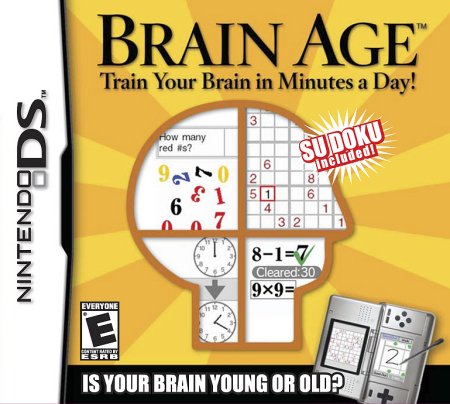
Brain Training May Not Improve Sexual Performance: Nintendo DS In Question

Recent research from the University of Rennes in Brittany suggests that popular brain training methods such as Dr. Kawashima's Brain Training, may not be as helpful as previously believed (or claimed). The researchers studied the memory training available for the Nintendo DS.
New research from the University of Rennes in Brittany has found that games such as those available for the Nintendo DS do not lead to increased memory performance.

The team studied the impact of the popular Dr Kawashima's Brain Training on 67 ten-year-olds. Alain Lieury, professor of cognitive psychology at the university, explained that improvements in memory and mental agility are more likely around the age of ten.

However, his team found that tasks such as completing homework, playing Scrabble or attempting a SuDoku puzzle improved results more than the Brain Training and Big Brain Academy games. _bcs
Similarly, an unofficial survey of current and former Al Fin sex partners reveals that the Nintendo brain training failed to improve sexual performance. Publication in Nature is pending peer review.

In all seriousness, the study from the University of Rennes should not be used to judge professional brain training of executive function for children, which has been found to be most effective between the ages of 4 and 6 years.

Labels: , ,

Bookmark and Share

21 January 2009

Transcranial DC Stimulation Improves Learning


Research soon to be published in PNAS involves transcranial direct current stimulation (tDCS) of the brain to aid learning a motor skill. The findings suggest that tDCS over the motor cortex can aid the learning and long term retention of a new motor skill.
The new paper targets an area of the brain known as the primary motor cortex, which helps control muscle movements. The authors focused on a learning task, one they describe as similar in principle to the process we go through when we learn a new sport. Subjects were given a device that measured the pressure applied between the thumb and forefinger, and asked to use it to maneuver a cursor through an on-screen obstacle course. One group of subjects received a current; the controls had electrodes attached, but received no current. The subjects were asked to come in for five consecutive days to repeat the process so that researchers could track how their skill improved.

By the end of day one, those who had an anode placed near the primary motor cortex were already pulling away from their peers (a cathode had no effect), and had opened up a large and significant gap by the end of day five. As expected, stopping the training at day five resulted in a gradual decline of the skills over time. Because the two sets of subjects showed declines of roughly the same rate, the gap that opened up during training wound persisting to at least 85 days after the training sessions ended.

Between days... the control group was prone to forget some of the skills they had developed; in contrast, those receiving the current actually came back the next day in better shape than they'd left the day before.

The authors argue that this fits in nicely with our model of how memories are formed, as it involves a three-step process of learning, consolidation, and retention. Clearly, the tDCS was only affecting the consolidation portion of the process.

Although the results are startling enough on their own—the fact that something as crude as sticking an electrode on your head is enough to have such specific consequences is quite surprising—they actually have significant practical implications. Strokes and many other types of brain damage often force their victims to relearn basic motor skills, from speech to walking. Given that tDCS is noninvasive and may help speed to recovery of these patients, I'd expect to see tests of its efficacy in the near future. _arstechnica
Other non-invasive approaches to electromagnetic brain stimulation include the external magnetic coil stimulator. An Israeli company named Brainsway has recently received European approval for using its deep TMS system to alleviate depression, bipolar disease and schizophrenia (H/T Brainstimulant). The interesting thing about the Brainsway is that it can be used to either inhibit or augment neural activity in the targeted part of the brain.

The prospect of improved learning through brain stimulation is just as exciting as the prospect of better therapies for depression, stroke, and other neuro-psychiatric disorders. We are aiming for something beyond normal. The next level.

Labels:

Bookmark and Share

16 January 2009

Learning To Remember, Remembering to Learn

There is something of a conflict between learning something new, and remembering something old. Different parts of the brain are involved, and they tend to inhibit each other's activity (seen on fMRI) when the brain tries to engage both functions (learning and remembering) simultaneously. Researchers in the Netherlands and the US recently published an fMRI based study in PLOS Biology demonstrating this conflict, and the part of the frontal lobe that appears to mediate the conflict and maximise functionality of both learning and remembering.
Despite the encoding/retrieval competition, on several trials, all participants were actually able to both remember and learn. Follow-up fMRI analyses showed that these trials were accompanied by selective activity in the left mid-VLPFC (Figure 3C). A subsequent correlation analysis indicated a negative relationship showing that more activity in left mid-VLPFC was coupled with less encoding suppression. Together, these findings suggest a role for the left mid-VLPFC in resolving the competition between learning and remembering. Given that encoding and retrieval were forced to occur within a brief period of time, we propose that the role of left mid-VLPFC involves the facilitation of rapid switching between the encoding and retrieval processes.

A role of left mid-VLPFC in rapid memory switching fits well with evidence implicating this region in flexible behavior and cognitive control. Outside the domain of memory, several studies have linked left mid-VLPFC activity to situations requiring flexible switching between different task sets or rules. For example, a recent fMRI study showed that activity in left mid-VLPFC is linked to task-switching [20]. _PLOSBiology _ via _SD
It is often necessary to remember and learn virtually simultaneously.
Virtually all social interactions require the rapid exchange of new and old information. For instance, normal conversation requires that while listening to the new information another person is providing, we are already retrieving information in preparation of an appropriate reply.

....Future research should reveal the extent and practical implications of impairments in switching between learning and remembering in patients and older adults, and whether we can improve our switchboard through training. _SD
You would expect any lesion to the left ventral lateral pre-frontal cortex (VLPFC) to interfere with a person's ability to rapidly switch between learning and remembering modes. Since any type of active learning involves both new encoding of information and recall of previously encoded information, the left VLPFC appears to be critical to the knowledge acquisition -- as well as retrieval -- process. (the right VLPFC is involved in vigilance and implicated in anxiety disorders)
Cognitive control mechanisms permit memory to be accessed strategically, and so aid in bringing knowledge to mind that is relevant to current goals and actions. In this review, we consider the contribution of left ventrolateral prefrontal cortex (VLPFC) to the cognitive control of memory. Reviewed evidence supports a two-process model of mnemonic control, supported by a double dissociation among rostral regions of left VLPFC. Specifically, anterior VLPFC (approximately BA 47; inferior frontal gyrus pars orbitalis) supports controlled access to stored conceptual representations, whereas mid-VLPFC (approximately BA 45; inferior frontal gyrus pars triangularis) supports a domain-general selection process that operates post-retrieval to resolve competition among active representations. We discuss the contribution of these control mechanisms across a range of mnemonic domains, including semantic retrieval, recollection of contextual details about past events, resolution of proactive interference in working memory, and task switching. _Neuropsychologia (review) 1,Oct2007
The authors of the recent PLOS article quoted at top admit that fMRI lacks the spatial resolution needed to achieve fine definition of brain activity involved in information encoding and retrieval. The rough outline achieved by the study will likely be useful in further experiments, nonetheless.

We need to know how to optimise learning materials for individual students, but we also need to know how to optimise information encoding for individuals, given the learning materials at hand. Maximising the use of a person's intelligence may involve special exercises for the VLPFC, even deep brain stimulation (DBS) of the VLPFC or associated regions of the brain.

Given the wide variety of brain exercise systems on the market currently, it will probably take time and experimentation to determine which systems most optimally train the parts of the frontal lobe that are most operative in learning.

The educational establishment is bogged down in labour union politics and other forms of inertial resistance to adaptating to the neuroscience of learning. A certain amount of conservatism is fine, if the current theories of pedagogy were based upon sound principles. Unfortunately, the opposite is true. This means that enlightened educators will need to work to improve teaching and learning methods in spite of and in opposition to the full weight of the government-supported and financed education establishment.

Labels: , , , , ,

Bookmark and Share

Khhaaann!!! No, Not that Khan! Khan Academy -- An Amazing Place for At-Home Learning at Any Age Anywhere on Earth

Khan Academy is a free online library of over 700 learning videos that make learning easy. This marvelous intutive-learning website is a labour of love from Salman Khan, investment professional and holder of multiple advanced degrees from Harvard and MIT.

Perfect for the homeschool student who is studying for the SAT, for the budding young engineer or scientist, or for anyone wanting to get better at math, physics, management, finance, banking, probability, pre-engineering etc. Example: have you been curious about Singapore Math? Khan Academy offers a series of videos to give you a good idea of what the program is all about.

Every homeschool parent should be aware of Khan Academy, as should anyone studying for the SAT or GMAT, or anyone who needs a better understanding of math, physics, probability or finance.

Labels: , , ,

Bookmark and Share

31 August 2008

...And a Child With High Genetic Potential Plus Good Training Does Even Better Still . . . .

..."So a child who has a good home learning environment, good preschool and good primary school will do better than a child with only two who will do better than a child who has one who will do better than a child who has none of these.... _Telegraph
Everyone wants superior children, but no one seems to be willing to do anything to help bring them about. Bright mothers with good educations tend to have bright and capable children, relatively speaking. Sadly, society increasingly tries to shunt bright women away from motherhood, as if mothers cannot also succeed in other areas. Anyway, a University of London project looking at the effect of quality pre-school education suggests that the formative pre-school years of a child are very important to his future cognitive capacity.
Ten-year-olds who have attended "high quality" preschool tend to score higher on mathematics tests than those who haven't, reports Prof Edward Melhuish of Birkbeck, University of London, and colleagues from the Effective provision of Preschool and Primary Education (EPPE) project.

He said they were surprised by the degree to which early experience both in the preschool and home were so influential later in the child's life.

"For the average child who went to a particularly effective or high quality preschool their maths scores would be boosted by around 27 per cent," says Prof Melhuish.

However, the project revealed that the education of the parents - particularly the mother- still has the greatest influence, having twice the effect and thus boosting maths scores even more.

What parents did at home mattered too. "The effects of the early home learning environment were very strong, much stronger than people had anticipated."

"An ideal home learning environment would be rich in stimulation and very responsive to the child's communications and activities," says Prof Melhuish.

"Parents would talk to their children frequently, read to them, maybe visit library to increase range of books for child, provide opportunities to draw, paint, learn songs and rhymes, dance and physical activities, play with numbers and shapes.
Parents make the difference in the child's future life. From the genes, to the intrauterine environment, to early childhood and beyond, parents lay the foundation. Then parents hand children to schools, which may or may not care what happens to the child from then on.

As is seen in population groups where up to 70% of children are born out of wedlock, the results of a childhood without caring and resourceful parents can be stark indeed.

Labels: ,

Bookmark and Share

04 August 2008

The Promise of the Intelligent Child

Common wisdom regarding the education of particularly gifted children is sometimes not very wise. Consider this article in the recent issue of Scientific American Mind.
IQ is just one ingredient among many in the recipe for success. Children thrive or struggle in school for a host of reasons apart from IQ, according to psychologist Franz Mönks of the University of Nijmegen in the Netherlands. These include motivation and persistence, social competence, and the support of family, educators and friends. Emphasizing the importance of persistence and hard work, for example, will help a child avoid the laziness trap. Gifted children also need intellectual challenges—to teach them how to work hard.
So far, so good. Of course highly intelligent children need to be trained in persistence and motivation. That is called executive function (EF), and in fact all children should be trained in EF by the time they are 6 or 7 years old. Failure to emphasize such training is educational malpractice. Yet it is rarely provided by government schools.
Highly gifted children solve the most varied thought problems faster and more thoroughly than those with more average aptitudes do. Because these children speed through the regular curriculum for their grade, they need additional intellectual stimulation while they wait for the rest of the kids to learn the basics. Two central approaches are used to satisfy the educational needs of such children: acceleration and enrichment. Acceleration means studying material that is part of the standard curriculum for older students. Enrichment involves learning information that falls outside the usual curriculum—say, investigating a topic in greater depth or finding out about new topics....

... mixed-age classes such as those found at Montessori schools prevent precocious students from leaving their regular class completely and yet may enable some acceleration for younger students. In some cases, gifted kids might be given the opportunity to, say, take an accelerated class in a subject that interests them while remaining in their regular classroom for other ­subjects.

When acceleration is not an option, or not a good one, enrichment can be. After all, school is not a race but an adventure in learning....Thus, providing opportunities for a child to study topics outside the regular curriculum can be at least as valuable as pushing him or her through the required material faster. Gifted kids might get the stimulation they require by, say, joining a chess club, a math or debate team, or another enrichment activity that engages their intellect. Another common technique is to enable a child to embark on an independent project or experiment under the guidance of a mentor.

...In the “revolving door” model developed by educational psychologists Joseph Renzulli and Sally Reis of the University of Connecticut, a broad swath of above-average elementary school students—those who score in the top 15 to 25 percent on standardized tests—leave their regular classrooms for several hours to work individually on projects of their own choosing.
_SciAmMind

Unfortunately, few schools even bother to identify the top 10 or 15% of students, much less provide opportunities for them to pursue special projects or interests. In fact, schools cringe at the thought of identifying and assisting gifted children out of fear of being accused of political bias of various types. Gifted children are not distributed equally among various population groups.

Modern government schools are too often a project in dumbing all children down to the same level, which can be extremely dumb. What a waste, when society truly needs all the intelligence, imagination, innovation, and invention from its best and brightest.

Obstacles to better developing the human capital of our children includes

  1. teachers' unions that enforce counter-productive contracts and restrict access to alternative educations,
  2. corruption and nepotism in government school hiring and contracts,
  3. overt indoctrination of teachers that emphasizes ideologically and politically biased curricula at the expense of basic preparation for the student's future life
  4. and a long list of other corrupt complexities and parasitic processes .

[edited since initial publication for clarity]

Labels: ,

Bookmark and Share
Older Posts
Al Fin Main Page
Enter your Email


Powered by FeedBlitz
Google
WWW AL FIN

Powered by
Blogger

``