21 February 2006

Sleeper Virus Waits to Trigger Cancer in 90% of Humans

Epstein Barr Virus, EBV, infects most humans during their childhood. For most, the symptoms are mild, like a passing cold. For some, the infection manifests as mononucleosis, with side effects that can range from hepatitis to splenic rupture to heart and CNS involvement. Like other herpes viruses, EBV sticks around after the initial infection, sleeping and waiting.

Sometimes the sleeping virus wakes up and causes cancer--Burkitt's lymphoma or nasopharyngeal carcinoma. Sometimes persons with vague immune disorders or fatigue syndromes reveal nothing more on laboratory tests than latent or chronic EBV infection.

Medical News Today has a newsrelease about the sleeping EBV and a possible weakness in the virus that might be exploited.

Like Sleeping Beauty, the Epstein Barr Virus (EBV) slumbers in the cells of 90 per cent of the world's population, waiting to be awakened - but it's no beauty. The study, which appears in this week's issue of the journal Molecular Cell, also reveals a potential weak point that could be targeted by antiviral drugs.

The molecule is a protein called ZEBRA, which the virus brings along as it infects human cells. ZEBRA is essential to switching the virus from its latent to its active state. "During an infection, EBV inserts its own DNA into the nucleus of human cells. This information contains the codes for about 100 genes," says Christoph Müller, head of an EMBL research lab in Grenoble. "Less than 10 genes are sufficient for the virus during its latent state, whereas all others are necessary to produce new viruses and to infect new host cells. Those have to be switched on, and ZEBRA functions as the switch which turns the cell into a factory to manufacture thousands of copies of the virus."

One result is the disease infectious mononucleosis - called the "kissing disease" because EBV is transmitted in saliva - whose symptoms resemble that of a cold. But in rare cases activation of the virus also leads to EBV associated cancers, especially in people with immune deficiencies.

Researchers have focused on ZEBRA because of its ability to activate so many genes. It does so by recognizing specific strings of chemical "letters" in the DNA, docking onto them and allowing the information to be read and transformed into raw materials to make new viruses.

"A good strategy in fighting viruses is to block the activation of viral genes," says Patrice Morand, a physician at the University hospital and the IVMS. "The drugs we currently use against EBV work that way. The problem is that they only interrupt the late phase of the viral cycle. Since ZEBRA is essential to the first steps, waking the virus, blocking it would be much better."

The researchers utilised the tools of genomics and proteomics to find the target protein, and potential drug targets on its surface. Read the entire article for more details.
Bookmark and Share

Hating America: New Olympic Sport?


If one grows up in Canada, it can be easy to learn to hate america, almost as much as palestinian children learn to hate jews and Israel. It is almost a reflex. It is interesting to observe how someone who moves to Europe from the US might be swayed by anti-americanism there, might reflexively come to adopt some of the same prejudice of his hosts. Bruce Bawer moved to Europe from the US in 1988, and started drawing comparisons. After discussing personal anecdotes, Bawer moves to reviewing recent anti-american popular publications that are selling well in Europe.

Bawer quotes briefly from Mark Heertsgard's "In the Eagle's Shadow" and concludes that:

America, in short, is a mess—a cultural wasteland, an economic nightmare, a political abomination, an international misfit, outlaw, parasite, and pariah. If Americans don’t know this already, it is, in Hertsgaard’s view, precisely because they are Americans: “Foreigners,” he proposes, “can see things about America that natives cannot. . . . Americans can learn from their perceptions, if we choose to.” What he fails to acknowledge, however, is that most foreigners never set foot in the United States, and that the things they think they know about it are consequently based not on first-hand experience but on school textbooks, books by people like Michael Moore, movies about spies and gangsters, “Ricki Lake,” “C.S.I.,” and, above all, the daily news reports in their own national media. What, one must therefore ask, are their media telling them? What aren’t they telling them? And what are the agendas of those doing the telling? Such questions, crucial to a study of the kind Hertsgaard pretends to be making, are never asked here. Citing a South African restaurateur’s assertion that non-Americans “have an advantage over [Americans], because we know everything about you and you know nothing about us,” Hertsgaard tells us that this is a good point, but it’s not: non-Americans are always saying this to Americans, but when you poke around a bit, you almost invariably discover that what they “know” about America is very wide of the mark.

....Yes, there’s much about the American news media that deserves criticism, from the vulgar personality journalism of Larry King and Diane Sawyer to the cultural polarization nourished by the many publishers and TV news producers who prefer sensation to substance. But to suggest that American journalism, taken as a whole, offers a narrower range of information and debate than its foreign counterparts is absurd. America’s major political magazines range from National Review and The Weekly Standard on the right to The Nation and Mother Jones on the left; its all-news networks, from conservative Fox to liberal CNN; its leading newspapers, from the New York Post and Washington Times to the New York Times and Washington Post. Scores of TV programs and radio call-in shows are devoted to fiery polemic by, or vigorous exchanges between, true believers at both ends of the political spectrum. Nothing remotely approaching this breadth of news and opinion is available in a country like Norway. Purportedly to strengthen journalistic diversity (which, in the ludicrous words of a recent prime minister, “is too important to be left up to the marketplace”), Norway’s social-democratic government actually subsidizes several of the country’s major newspapers (in addition to running two of its three broadcast channels and most of its radio); yet the Norwegian media are (guess what?) almost uniformly social-democratic—a fact reflected not only in their explicit editorial positions but also in the slant and selectivity of their international coverage.3 Reading the opinion pieces in Norwegian newspapers, one has the distinct impression that the professors and bureaucrats who write most of them view it as their paramount function not to introduce or debate fresh ideas but to remind the masses what they’re supposed to think. The same is true of most of the journalists, who routinely spin the news from the perspective of social-democratic orthodoxy, systematically omitting or misrepresenting any challenge to that orthodoxy—and almost invariably presenting the U.S. in a negative light. Most Norwegians are so accustomed to being presented with only one position on certain events and issues (such as the Iraq War) that they don’t even realize that there exists an intelligent alternative position.

Things are scarcely better in neighboring Sweden. During the run-up to the invasion of Iraq, the only time I saw pro-war arguments fairly represented in the Scandinavian media was on an episode of “Oprah” that aired on Sweden’s TV4. Not surprisingly, a Swedish government agency later censured TV4 on the grounds that the program had violated media-balance guidelines. In reality, the show, which had featured participants from both sides of the issue, had plainly offended authorities by exposing Swedish viewers to something their nation’s media had otherwise shielded them from—a forceful articulation of the case for going into Iraq.4 In other European countries, to be sure, the media spectrum is broader than this; yet with the exception of Britain, no Western European nation even approaches America’s journalistic diversity. (The British courts’ recent silencing of royal rumors, moreover, reminded us that press freedom is distinctly more circumscribed in the U.K. than in the U.S.) And yet Western Europeans are regularly told by their media that it’s Americans who are fed slanted, selective news—a falsehood also given currency by Americans like Hertsgaard.


Bawer moves through a long line of authors who write scathingly about the US, who obviously hate america and have many friends and sympathizers. Then he moves to an immigrant to america who tells a different story:

Dinesh D’Souza seeks not to encourage or explain anti-Americanism but to counter it by answering the question posed in his book’s title: What’s So Great about America?13 D’Souza, a former Reagan aide and longtime fixture at right-wing think tanks, reminds us that many of the Third World societies that leftists such as Hertsgaard and Hutton affect to admire are (hello!) fiercely reactionary. Indeed, D’Souza makes it clear that his own conservative moral perspective owes much to the traditional cultural values of his native India. “The critics of America,” he asserts—referring not to European socialists but to reactionary Muslims—are “onto something.” Their critique, he says, is moral in character, and D’Souza (a Catholic) gives little indication of disagreeing with their moral criteria, including their equation of morality with religious orthodoxy. “The West,” he proposes, “is a society based on freedom whereas Islam is a society based on virtue.” How about: Islamic societies enforce stifling Koranic notions of virtue, and punish infractions with brutal Sharia justice, while democratic societies do not presume to dictate individual moral convictions? D’Souza shares the Islamic view that “there is a good deal in American culture that is disgusting to normal sensibilities.” (He never tells us what he means by “normal”—and one is not sure one wishes to know.) Muslims, he notes, “say our women are ‘loose,’ and in a sense they are right.” (Yes, if by “loose” you mean that they have the same sexual freedom as men; it’s called “equal rights.”) The father of a young daughter, D’Souza says he has “come to realize how much more difficult it is to raise her well in America than it would be . . . to raise her in India.” (Yes, if by “raise her well” you mean—oh, never mind. You get the idea.)

Despite America’s lack of virtue, however—all the “crime, drugs, divorce, abortion, illegitimacy, and pornography” (given his track record, the omission of homosexuality from this list is surprising)—D’Souza chooses the U.S. over India. Why? Because “I know that my daughter will have a better life if I stay. I don’t mean just that she will be better off; I mean that her life is likely to have greater depth, meaning, and fulfillment in the United States than it would in any other country.” For he’s come to see that there’s “something great and noble about America”: namely, the fact that in the U.S., you’re “the architect of your own destiny.” He tries, not with undivided success, to distinguish between the founding American principle of self-determination (good) and the narcissistic do-your-own-thing mentality of the 1960s (not so good). As an example of the former, he movingly describes how his talk of feeling “called to be a writer” and of wanting “a life that made me feel true to myself” baffled his Indian father; as an example of the latter, he unfeelingly mocks a young man with “a Mohawk, earrings, a nose ring, tattoos” who waited on him at a Starbucks and whom D’Souza dismisses as “a specimen.” Not a pretty performance.


Then Bawer moves to Jean Francois Revel's "Anti American Obsession:"

Item by item, Revel refutes the European media’s picture of America. Poverty? An American at the poverty level has about the same standard of living as the average citizen of Greece or Portugal. (Indeed, according to a recent study by the Swedish Trade Research Institute, Swedes have a slightly lower standard of living than black Americans—a devastating statistic for Scandinavians, for whom both the unparalleled success of their own welfare economies and the pitiable poverty of blacks in the racist U.S. are articles of faith.) Crime? America has grown safer, while the French ignore their own rising crime levels, a consequence of “permanent street warfare” by Muslim immigrants “who don’t consider themselves subject to the laws of the land” and of authorities with “anti-law-and-order ideologies.” Revel contrasts France’s increasingly problematic division into ethnic Frenchmen and unassimilated immigrants with “America’s truly diverse, multifaceted society,” pointing out that “the success and originality of American integration stems precisely from the fact that immigrants’ descendants can perpetuate their ancestral cultures while thinking of themselves as American citizens in the fullest sense.” Bingo. (Most Americans, I think, would be shocked to realize how far short of America Europe falls in this regard.)

Media? Revel recalls that when he first visited the U.S., he “was struck by the vast gulf that separated our [French] state-controlled television news services—stilted, long-winded and monot- onous, dedicated to presenting the official version of events—from the lively, aggressive evening news shows on NBC or CBS, crammed with eye-opening images and reportage that offered unflinching views of social and political realities at home and American involvement abroad.” (Take that, Mr. Hutton.) He also observed a difference in the populace: “whereas in France people’s opinions were fairly predictable and tended to follow along lines laid down by their social role, what I heard in America was much more varied—and frequently unexpected. I realized that many more Americans than Europeans had formed their own opinions about matters—whether intelligent or idiotic is another question—rather than just parroting the received wisdom of their social milieu.” True: by Western European standards, I’ve come to realize, Americans are very independent thinkers.

To Revel, the tenacity of European anti-Americanism, despite historical developments that should have finished it off once and for all, suggests “that we are in the presence, not of rational analysis, but of obsession”—an obsession driven, he adds, by a desire to maintain public hostility to Jeffersonian democracy. The European establishment, Revel notes, soft-pedals the fact that Europeans “invented the great criminal ideologies of the twentieth century”; it defangs Communism (at “the top French business school,” students think Stalin’s great error was to “prioritize capital goods over . . . consumer goods”); and it identifies the U.S., “contrary to every lesson of real history . . . as the singular threat to democracy.” Revel’s vigorous assault on all this foolishness might easily have been dismissed in France (or denied publication altogether) but for the fact that he’s a member of that revered symbol of French national culture, the Académie Française.


The bulk of Bawer's article discusses the many recent books detailing the evils of america, and why america should be hated and feared far more than any threat from violent muslim fanatics or expansionist nationalist China with its puppet dictators. He discusses where this hatred and fear of america came from and why it is a virtual inevitability regardless of the foreign policy actions of the US government. Read the whole thing.

Hat tip: Donald Sensing's One Hand Clapping.

Labels:

Bookmark and Share

20 February 2006

Designer Genes: Wear With Pride


Medical News Today provides an intriguing report on the development of an advanced computer program from Johns Hopkins that should speed up the design and manufacture of artificial genes for genomics and proteomics research.

The program, called GeneDesign, guides the design of blueprints for DNA segments to the exacting specifications required for studying gene function and genetically engineering cells. The blueprints are then used by companies or other investigators to synthesize the gene.

....GeneDesign automates the process of determining which base pairs -- the building blocks of DNA -- should be linked together in a particular order to make a gene, according to Jef Boeke, Ph.D., professor of molecular biology and genetics and director of the High Throughput Biology Center at The Johns Hopkins University School of Medicine. A gene codes for a specific protein, and the order of the hundreds or thousands of base pairs making up that gene determines the order of the amino acid building blocks making up that protein. Boeke is senior author of the paper.

"GeneDesign not only guides the user in designing the gene, but also automatically diagnoses design flaws in the sequence of bases making up the gene," said Boeke.

....GeneDesign consists of six modules that can be used individually or in series to automate the tasks required to design and manipulate synthetic DNA sequences. The program allows the user to start with either the sequence of the amino acid making up the protein or the bases making up the gene that codes for that protein. Then the user moves through a series of steps that guide the design of the gene and vector that will carry the gene into the cell. Users can follow the main "Design a Gene" path or use the modules individually as needed. Vectors are mobile pieces of DNA that are used to carry artificial genes into cells.

A major advantage to GeneDesign is the ability to choose specific codons that work especially well in specific organisms, Boeke said. A codon is a trio of bases in a gene that codes for a specific amino acid building block. Most amino acids are represented by more than one codon. For example, the codons GCU, GCC, GCA, GCG can each code for the amino acid alanine.

....Another advantage of the GeneDesign is ease of creating restriction sites -- places along the DNA where the gene can be cut, said Sarah M. Richardson, a Ph.D. candidate in the Department of Genetic Medicine at Hopkins and first author of the paper. Scientists use molecular scissors called restriction enzymes to make these cuts, which allow them to do the cutting and pasting needed to put artificial genes into vectors.

"GeneDesign guides the choice of the series of base pairs where the restriction enzymes cut the DNA," Richardson said. "That lets investigators use different restriction enzymes to make cuts exactly where they want to.


Here is the link to the website for GeneDesign Beta2.0, which includes instructions for using the program's modules, and the program manual.

This is just one more tool in a long line of exciting new tools for advancing knowledge in the big three fields of the future: molecular biology (genomics, proteomics, RNA etc), nanotechnology, and information science/technology. A powerful synergy between these fields has developed which steepens the knowledge acquisition curve even more.

Labels: ,

Bookmark and Share

Europe Falls Further Behind


Albion's Seedlings provides a posting that compares the economic progress of Europe with that of the USA. I am happy to see that at least Canada is doing relatively well.

Adding 1 million net citizens every nine months (one every 13 seconds), America is extending its lead in prosperity over not only poor and moderately wealthy nations, but over virtually all of its erstwhile companions on the “heights” of Mount Prosperity. Next-door neighbour Canada is the only eight digit population close to the US, coming in at 78% of US per capita GDP (PPP adjusted).

The article discusses the rise of Japan, Korea, and China, along with the relative stagnation of Brazil, Russia, India, and Europe. Follow this link to read the entire article.


Unfortunately for Europeans, the member states of the EU appear to be transforming into a large retirement home of limited means. Even more sadly for Europe, the young workers being imported to provide financial support for the native retirees appear to have troublemaking on their minds.

Labels: ,

Bookmark and Share

Resveratrol, Quercitin, Calorie Restriction, Longevity

Scientific American's new issue contains an article about "longevity genes" and the search to unlock them. Many articles have been written about the Sir and Sirt genes known to influence longevity in yeast and lower animals. The recent SciAm article brings us fairly up to date on the research of the authors and their associates (David Sinclair and Lenny Guarente).

Calorie restriction (CR) was cited as one of the few maneuvers known to increase lifespan of laboratory animals. Not surprisingly, CR works through the Sirt genes. What was surprising was that resveratrol, found in red grapes and wine, also affects the Sirt genes in much the same way as CR.

First of all, the researchers had to dispense with an old theory that turned out to be false:
The phenomenon (life extension through CR) was long attributed to a simple slowing down of metabolism--cells' production of energy from fuel molecules--and therefore reduction of its toxic by-products in response to less food.

But this view now appears to be incorrect. Calorie restriction does not slow metabolism in mammals, and in yeast and worms, metabolism is both sped up and altered by the diet. We believe, therefore, that calorie restriction is a biological stressor like natural food scarcity that induces a defensive response to boost the organism's chances of survival. In mammals, its effects include changes in cellular defenses, repair, energy production and activation of programmed cell death known as apoptosis.


....Yet if humans are ever to reap the health benefits of calorie restriction, radical dieting is not a reasonable option. Drugs that can modulate the activity of Sir2 and its siblings (collectively referred to as Sirtuins) in a similar manner will be needed. Just such a Sirtuin-activating compound, or STAC, called resveratrol has proven particularly interesting. Resveratrol is a small molecule present in red wine and manufactured by a variety of plants when they are stressed. At least 18 other compounds produced by plants in response to stress have also been found to modulate Sirtuins, suggest?-ing that the plants may use such mole?-cules to control their own Sir2 enzymes.

....Feeding resveratrol to yeast, worms or flies or placing them on a calorie-restricted diet extends their life spans about 30 percent, but only if they possess the SIR2 gene. Moreover, a fly that overproduces Sir2 has an increased life span that cannot be further extended by resveratrol or calorie restriction. The simplest interpretation is that calorie restriction and resveratrol each prolong the lives of fruit flies by activating Sir2.

Resveratrol-fed flies not only live longer, despite eating as much as they want, but they do not suffer from the reduced fertility often caused by calorie restriction. This is welcome news for those of us hoping to treat human diseases with molecules that target Sir2 enzymes. But first we want a better understanding of the role of Sir2 in mammals.


....Increased Sirt1 (the mammalian version of Sir2) in mice and rats, for example, allows some of the animals' cells to survive in the face of stress that would normally trigger their programmed suicide. Sirt1 does this by regulating the activity of several other key cellular proteins, such as p53, FoxO and Ku70, that are involved either in setting a threshold for apoptosis or in prompting cell repair. Sirt1 thus enhances cellular repair mechanisms while buying time for them to work.

....Both our labs are running carefully controlled mouse experiments that should soon tell us whether the SIRT1 gene controls health and life span in a mammal. We will not know definitively how Sirtuin genes affect human longevity for decades. Those who are hoping to pop a pill and live to 130 may have therefore been born a bit too early. Nevertheless, those of us already alive could live to see medications that modulate the activity of Sirtuin enzymes employed to treat specific conditions such as Alzheimer's, cancer, diabetes and heart disease. In fact, several such drugs have begun clinical trials for treatment of diabetes, herpes and neurodegenerative diseases.

The authors were careful not to hype resveratrol, since the research is still ongoing. Other people working with CR are a bit more enthusiastic about resveratrol. Both resveratrol and quercetin have been known for a number of years now to influence Sirt genes. Vitamin and supplement makers are growing quite sophisticated in keeping up with research, and waste no time making natural phytochemicals available to the public, where legal.

It is unlikely that these phytochemicals represent a hazard to the public. Certainly I have been imbibing resveratrol in liquid form for several years now, with no untoward effects noted. Nevertheless, it is hazardous to the purse to buy every supplement that some vitamin salesman promotes. Follow the research and make up your own mind.

I recommend reading the Scientific American article in its entirety.

Labels: , , , ,

Bookmark and Share

19 February 2006

New Blog Discovery: Beta Rhythm


Update 20 Feb 2006: Several postings have been moved from Beta Rhythm blog to another blog callednanobiologynotes. I just discovered this alteration today, so please adjust your bookmarks accordingly. Here is the new link for the clathrin article. The old link will fail if you try to use it. That is one hazard of linking to websites that may move or be discontinued.


Beta Rhythm blog (see sidebar under cognitive science/neuroscience) has posted an interesting article about clathrin, a polymerising peptide molecule that naturally self-organises to form intracellular vesicles, for transporting molecules into cells, then fusing with lysosomes and other intracellular organelles for intra-cellular processing. Very interesting stuff. He references several excellent sources in this one article, including Botany Online, internet hypertextbook.

I only recently discovered The Beta Rhythm blog family when doing a blog search on some topic or other of interest to me. Looking over the site, I found that other bloggers who I link to have also discovered the blog. The subheading under the blog title reads: ".neurobiology, signal processing, nanotech, genetic engineering, creativity, music." He also provides links to fine sources, on his sidebar and particularly within his articles. His graphics are of the highest quality.

Anyone drawn to the science content of this blog would likely enjoy surfing the blog Beta Rhythm and nanobiologynotes blog.

Science blogs that I visit regularly and draw a lot of information and material from include:

Biosingularity
Develintel
Intelligence Testing
Singularity News

and many others listed on the sidebar. I have begun listing some science and specialty blogs inside category listings of specialty topics in the sidebar, rather than the blogroll. Eventually I may surrender and utilise a third party blogroll managing service. If anyone has any recommendations, please let me know.
Bookmark and Share

18 February 2006

Brain Synchrony, the Eureka! Moment, and Information Integration


Chris at Develintel Blog gives us two interesting posts titled Neural Correlates of Insight, and Entangled Oscillations.

Both postings concern the phenomenon of synchronous oscillatory neural activity. Brain synchrony is a fascinating topic that Chris posts on fairly often. Many neuroscientists believe that the understanding of brain synchrony holds the key to the decoding of the language of mind.

Chris provides links to excellent papers here, here, and here, to help understand the phenomenon that he describes.

Labels:

Bookmark and Share

Islam is Widely Misunderstood--But a Peaceful Religion

It is very important that we in the western world raise our collective consciousness in the face of widespread muslim discontent documented here, here, here, here, here, and here.

It is selfish of the western media to demand freedom of speech and freedom of the press, when an entire culture's sensibilities have been offended. It is as if the west has decided that Islam is the most violent religion in the world. Have they all forgotten the crusades? If they are too young to remember them, they should ask their parents.

Freedom of speech is well and good, as long as no one is being offended. Well, not "no one" exactly. It is important not to offend certain groups. There are other groups whom it is fashionable to offend, even an obligation to offend. Muslims are not one of the "officially offense-enabled" groups. Muslims are of the developing world, economically disadvantaged (except for oil rich regions), and victims of the imperialist warmongers of the capitalist west. They are a protected group, and honored by the intellectual elite who decide these things.

Besides that, if you offend the islamists, the nazis heroes of Islam, you may learn the effects of hight explosive at close range. Freedom of speech is certainly not as important as the freedom to bomb anyone who offends violent members of the religion of peace. It is an elementary concept, not rocket science.

No Pasaran blog points to this comparison of cartoons. Anyone can see that the cartoons dealing with Islam are totally offensive, and the cartoons dealing with other groups--groups whom it is appropriate to offend--are actually not offensive at all. Those non-muslim people who are offended are simply hyper-sensitive.

Most importantly, freedom of speech is not compatible with Sharia, the new law of the brave new world we are all confronted with.

The US president Bush is belligerent and confrontative toward the brave new world--he refuses to accept it. The Danish offenders of the faith likewise refuse to accept the new world. Theo van Gogh was another atavistic western chauvinist who obstructed the coming of the new dawn. But he was dealt with, like Fortuyn and many others.

Bush will not be president of the US in a few years. Those of us who observe are expecting a more rational president, more accepting of the brave new world that is Sharia. No more offensive cartoons. No more women speaking out against Sharia. Only burkhas, honour killings, public stoning ceremonies, and other rational approaches to maintaining the dignity of the faith.

What of science under the rational regime of Sharia? Science under Sharia will be like science in the arab world today. Islam is the fount of all knowledge, and science is no exception. First you must memorise Quranic verses in arabic. Then you must uphold the pillars of the faith. If you have time left over, you may practise science, so long as you do not question or offend. If you are a woman, of course, your primary duties are to your husband and family.

Islam is widely misunderstood, but a peaceful religion when all is said and done.

Labels: ,

Bookmark and Share

17 February 2006

Dissecting Protein Receptors, Mega Magnets, New Drug Discovery


This newsrelease from eurekalert, caught my eye. Not simply because it details a significant advance in technique for new drug discovery, but also for what it tells about the technique within the technique.
Here's how it works:

The receptor protein with a drug stuck to it is dipped into a solvent called "heavy water" (deuterium oxide, or D2O). In the portions of the receptor that can exchange with heavy water (regions not involved in hydrogen bonding), the natural hydrogen atoms are gradually replaced by deuterium atoms, which increase the mass from 1 to 2 mass units. Scientists then dissect the receptor and use the magnet to weigh pieces of it to see which segments of the receptor remain covered up by the drug.


Wait a minute! The scientists dissect the receptor? I have dissected frogs, cats, dogs, humans, and various other animals, but I have never dissected a receptor. How did they do it?

By utilizing the high-field ICR magnet and its powerful spectrometer, coupled with a sample preparation robot, the scientists were able to extract data that show how the drug alters the dynamics of the receptor upon binding. Did they use the sample preparation robot to dissect the receptor? Interesting. How will they analyse all the data they generate?

Now that the data acquisition has been automated, the next step is automating the data analysis. The amount of data generated by the magnet's high-test mass spectrometer is staggering: 1 million data points every second. To analyze the data by hand would take a month. With automated software being developed at the magnet lab, the analysis will take just a few minutes.


Hat tip to Beta Rhythm Blog, the source for my graphic, and an interesting place to browse.
Bookmark and Share

Poverty, Inequality, Injustice


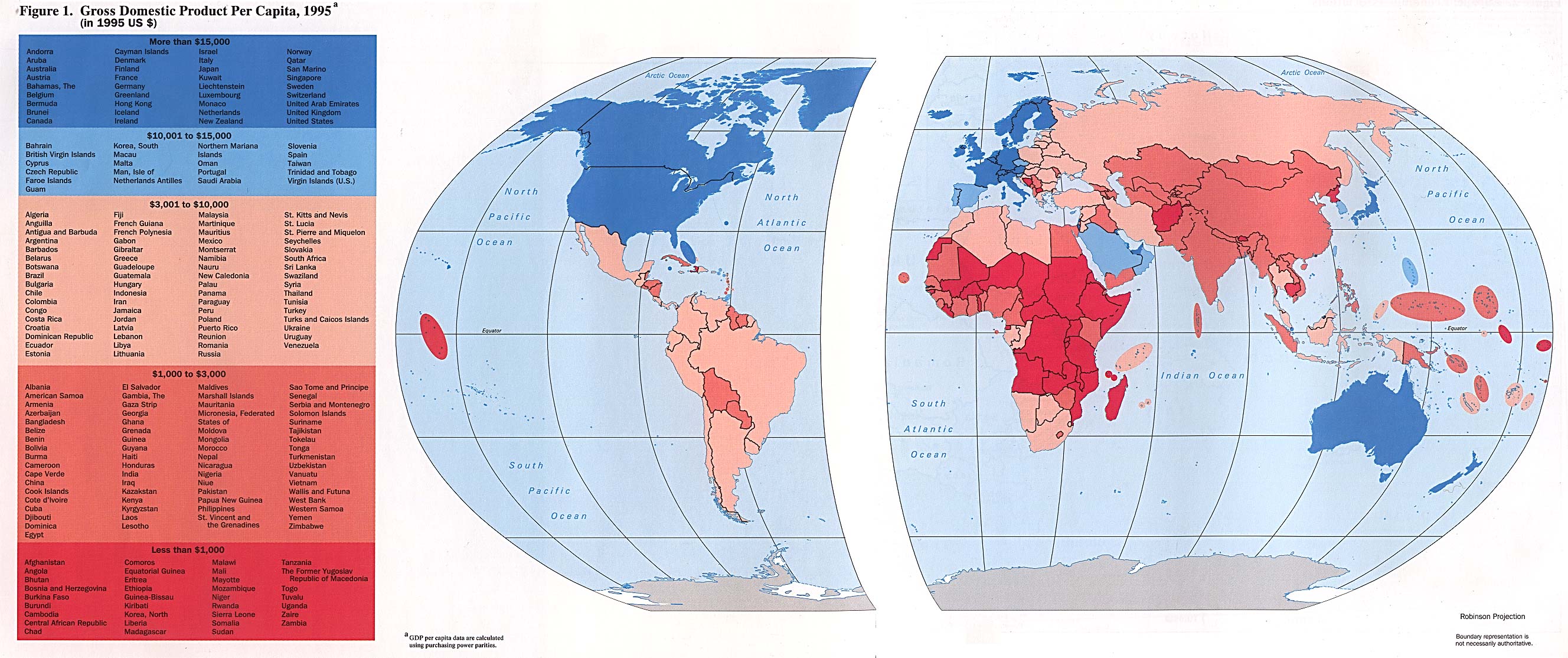
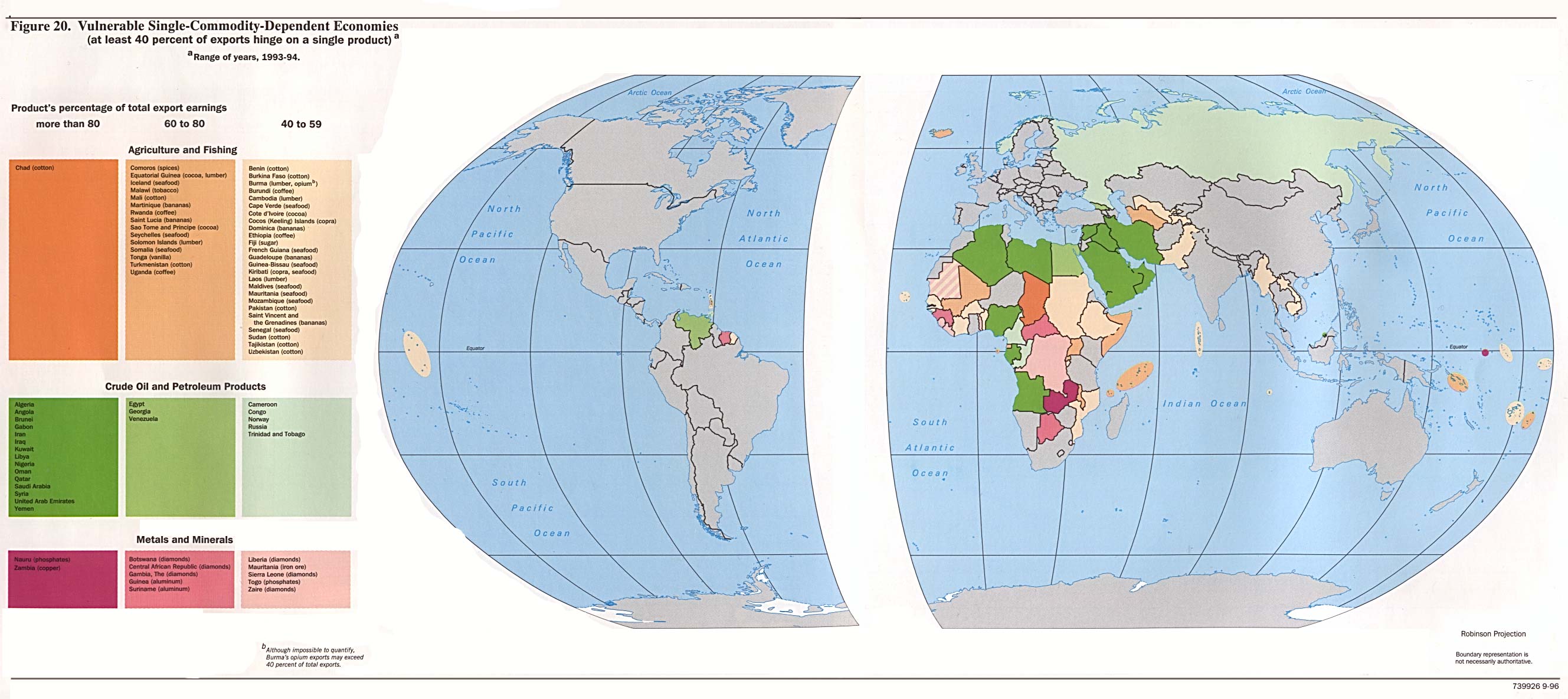
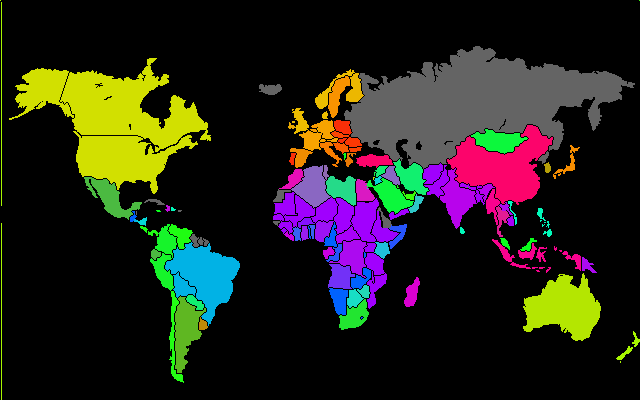
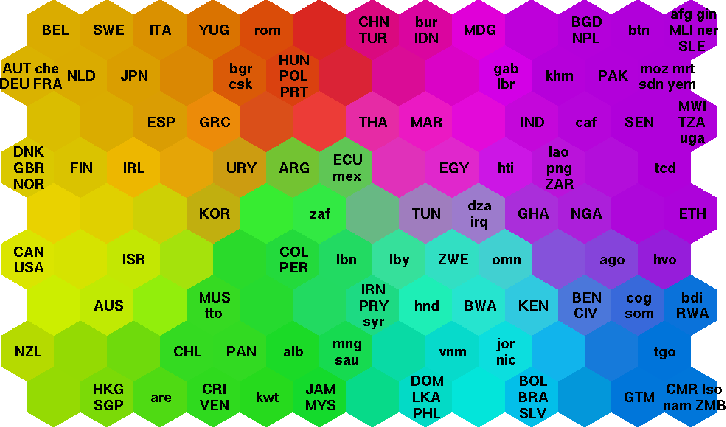
In honor of today's Columbia University symposium on world poverty, I would like to post a few statistically based world maps as visual food for thought. What is the underlying cause of poverty, economic inequality, and human deprivation?
According to the World Council of Churches, poverty is manufactured by capitalism. This is an oft-repeated cliche, dating back to paleo-Marxists of two centuries ago. Should we consider that trite assertion as the end of the matter?
Jared Diamond's book, Guns Germs and Steel, put forward several fascinating explanations for the relative wealth and poverty of the world. The book is quite readable, filled with useful historical details. Certainly if we were still living in the 19th or 20th century, one might consider a few of Diamond's arguments quite strong.
David Landes, in The Wealth and Poverty of Nations, takes another approach. Landes looks at wealth as the result of being able to make the leap to the industrial revolution. He attributes this ability to various cultural features of nations. Many historical and cultural arguments are made to support that attribution.
Jane Jacobs, in her excellent "Cities and the Wealth of Nations", describes the many benefits to a nation of aggregating many people together in cities. She is an excellent proponent of the economic and cultural advantages of cities.

Lynn and Vanhanen's "IQ and the Wealth of Nations" looks at the average IQ found in various nations around the world, and considers how the mean IQ of a nation might influence its ability to "make the leap" to an industrialised economy, or an advanced information economy.

Inequality and poverty are very real, and have a considerable effect on the amount of misery in the world. The above map details the phenomenon of "displaced persons", or refugees.

Previous posts on this blog relating to the current post can be found here, here, here, and here.

I do not expect a lot of results from all the symposia devoted to world poverty. They are attended by plump, tenured individuals from academia, NGOs, governments, United Nations sub-organisations, think tanks, economic institutions, foundations, and occasional rock stars and film celebrities. Their own well-being is assured many times over, so their interest in the actual poverty of others is, well, never mind. They will not affect poverty to any significant degree, but they make themselves feel better about themselves. Lyndon Johnson declared war on poverty in the US. That was in the 1960s.


To affect poverty, one must not only understand the roots of poverty, and have the ability to influence those roots---one must also have the will to swim against the tide, against popular misconceptions, against the fashions and fads of "anti-poverty" movements and facades. The above map of the world by religion might be juxtaposed with the above world maps showing per capita GDP and other statistical parameters of the various nations of the world. Religion is simply a cultural parameter that may influence the overall equation of poverty in a region.

It is one thing for a nation to find itself impoverished at some point in time. If the nation is like Germany, Japan, or Korea, it will be able to rescue itself with some outside help. It requires quite a different approach when a nation, or entire region, is perpetually impoverished and showing no sign of being anything but impoverished, regardless of the amount of aid given to it. That is what the donor nations of the world are facing--but refuse to face. That type of poverty will never be solved unless the root causes are comprehended, acknowledged, and remedied.

Labels: ,

Bookmark and Share

16 February 2006

Important New Discovery Keeps Stem Cells Alive Longer


Here is word of an important discovery at UC Irvine. Scientists at UCI, along with scientists at Johns Hopkins, have found a way to keep Human Embryonic Stem Cells (hES) alive in the laboratory. Up until now, keeping enough of the cells alive until time to transplant into a human patient has been difficult.


Human embryonic stem cells (hES) offer great hope for the treatment of some devastating diseases, but finding a way to keep enough of these cells usable and healthy for transplantation in patients has been an ongoing problem. Now, scientists at UC Irvine have discovered a way to keep large quantities of these cells alive, a finding that could potentially lead to mass production of hES cells for therapeutic use at lower cost.

These findings appear in a paper in the early online version of the journal Nature Biotechnology.

UCI stem cell researchers Peter Donovan and Leslie Lock, along with April Pyle of Johns Hopkins University, found that molecules known as neurotrophins have a significant effect on whether hES cells survive in the laboratory. Although stem cells have the ability to self-renew and to differentiate into any cell in the body, it has been a challenge to keep them alive as single cells in an undifferentiated state.


In their studies, Donovan and Lock added neurotrophins to hES cells in the laboratory to see the effect they would have on cell survival. Neurotrophins normally encourage the survival of tissue in the nervous system. When three members of the family of neurotrophin growth factors – brain derived neurotrophic factor (BDNF), neurotrophin 3 (NT-3), and neurotrophin 4 (NT-4) – were added to hES cells in culture, the cells’ survival increased 36-fold.

....“Much of the research regarding stem cell therapy today focuses on areas involving the nervous system, such as the spinal cord,” Donovan said. “Neurotrophins help the growth of tissues in those areas and are commonly found in the nervous system. Therefore, when we use stem cells for therapy in those areas, we must be especially careful that no undifferentiated cells are transplanted where they could respond to neurotrophins and form tumors.” The work by Donovan and Lock provides a potential solution to the problem. By treating stem cells in culture with chemicals that block the action of neurotrophins on hES cells, Donovan said, scientists can kill the undifferentiated stem cells before they are implanted into the body.

According to Donovan, the studies also offer further proof that new stem cell lines need to develop beyond those already in existence. Federally approved hES lines currently used for research were not created in the presence of growth factors such as neurotrophins. The work undertaken by Donovan and Lock indicates that cell lines not created in these optimal conditions may eventually mutate and lose their usefulness for therapeutic purposes.

This study was funded through grants from the National Institutes of Health and Johns Hopkins University.


US Federal Government support for developing new hES lines would be very helpful. Even without such support, the research will go on. It will merely take longer, and probably cause the emigration of scientists from the US to other countries where funding is more generous.

Here is the source of the graphics, with details, and other graphics.
Hat tip to Biospace.com.

Labels:

Bookmark and Share

World Poverty: Does Science Have an Answer?


Multipolarity Memes (singularitynews) points to an interesting report from Eurekalert titled "Science and the End of Poverty." It details a symposium to take place tomorrow at Columbia University's Earth Institute.

In this symposium, a group of researchers from The Earth Institute at Columbia University, together with colleagues from the University of California Davis and the University of New Hampshire, will examine a range of ways that science can help understand and alleviate the most chronic human suffering.

Human Well-Being and Earth's Natural Extremes
John Mutter, Deputy Director, The Earth Institute at Columbia University
Whether the agent is earthquake, flood, drought, landslide or other natural catastrophe it is now well recognized that the poorest communities suffer most at the hands of nature. Recent global tragedies serve to underscore that similar events cause vastly different outcomes depending on where they occur. So, for instance, the magnitude 7.6 October 2005 earthquake in Pakistan took the lives of more than 30,000 people, but the Northridge earthquake in California, which was similar in magnitude, took less than one hundred lives. This sort of impact disparity is well reported anecdotally and in newspaper reports, as well as quantitatively in analyses by the World Bank in its Disaster Hot Spots Report and by the UNDP in its analysis Disasters and Development. Factors such as population density can be separated out and what remains is a clear signal that disaster vulnerability is strongly correlated with human well-being.

Delivering Energy Services Where there Are None
Vijay Modi, professor and Chair, Department of Mechanical Engineering, Columbia University
The Millennium Development Goals (MDGs) are the international community's commitment to reducing poverty in the world's poorest countries by 2015. UN Secretary-General Kofi Annan commissioned the UN Millennium Project as an advisory body to recommend practical ways to help every country to achieve the MDGs. Although many of the world's poor countries have seen tremendous success in poverty reduction over the past decades and are on track to achieve the MDGs, many others are lagging, particularly in energy services--the services that energy and energy appliances provide. Such services include lighting, heating for cooking and space heating, power for transport, water pumping, grinding, and numerous other services that fuels, electricity and mechanical power make possible. The core message is that energy services are essential to both social and economic development and that much wider and greater access to energy services is critical in achieving all of the MDGs.

The Distribution of the World's Poor as a Function of Biophysical Parameters
Marc Levy, Associate Director, Center for International Earth Science Information Network
Levy and his colleagues suggest that the spatial distribution of global poverty can be understood as a function of biophysical features of the landscape. To do so they make use of a unique geo-referenced global poverty map, built from 10,271 independent sub-national measures of infant mortality, projected onto a gridded geographic database. They then integrate these poverty data with measures of elevation, slope, surface water runoff, drought frequency, length of growing season, distance to coast, malaria vector exposure, eco-region, soil fertility constraints and population density, As a result, they find that there are strong statistical relationships between the spatial distribution of poverty and soil fertility, drought frequency, malaria exposure, and distance to coasts. Some effects vary by region; for example elevation is associated with lower levels of poverty in Africa but higher levels elsewhere.


There you have it. Presumably, the best that science has to offer on the subject of reducing poverty and alleviating its ill effects. Not a bad start. But by now we should be doing a lot more than simply studying the issue. And scientists should stop allowing the luddites of Political Correctness to obstruct meaningful progress in this desperately demanding area.

They are not even trying to get at the underlying basis of poverty. Too bad. Too, too bad. The poor of the world can expect little or nothing from the overwhelming majority of academics and politicos. What will it take, finally?

Consider it a rhetorical question. Unless you think you have an answer, in which case, comments are open.

Explanations for the map at the top, and the chart below, can be found here.

Bookmark and Share

Nerve Constructs Grown in Lab for Spinal Cord Repair


This newsrelease from eurekalert.org reports on a new technique for growing "jumper wire" neuron constructs, for repairing disruptions in nerves--hopefully CNS nerve networks in the spinal cord--and possibly brain. The research was done at UPenn School of Medicine.


"We have created a three-dimensional neural network, a mini nervous system in culture, which can be transplanted en masse," explains senior author Douglas H. Smith, MD, Professor, Department of Neurosurgery and Director of the Center for Brain Injury and Repair at Penn. Previously, Smith's group showed that they could grow axons by placing neurons from rat dorsal root ganglia (clusters of nerves just outside the spinal cord) on nutrient-filled plastic plates. Axons sprouted from the neurons on each plate and connected with neurons on the other plate. The plates were then slowly pulled apart over a series of days, aided by a precise computer-controlled motor system.

In this study, the neurons were elongated to 10mm over seven days – after which they were embedded in a collagen matrix (with growth factors), rolled into a form resembling a jelly roll, and then implanted into a rat model of spinal cord injury.

...."That creates what we call a nervous-tissue construct," says Smith. "We have designed a geometrical arrangement that looks similar to the longitudinal arrangement that the spinal cord had before it was damaged. The long bundles of axons span two populations of neurons, and these neuron constructs can grow axons in two directions – toward each other and into the host spinal cord at each side. That way they can integrate and connect the 'cables' to the host tissue in order to bridge a spinal cord lesion."

After the four-week study period, the researchers found that the geometry of the construct was maintained and that the neurons at both ends and all the axons spanning these neurons survived transplantation. More importantly, the axons at the ends of the construct adjacent to the host tissue did extend through the collagen barrier, penetrating into the host tissue. Future studies will measure neuronal electrical conductivity across the newly engineered bridge and restoration of motor activity.


Obviously there is a lot of work that has to be done before this procedure is ready for human trials. To get these dorsal root ganglia neurons to grow inside the spinal cord, to reconnect severed nerve pathways, will likely require a lot more knowledge of growth factors, stem cell integration in nerve constructs, cell adhesion factors, etc. Still, the foundational work has to be done before the upper structures can be erected.

A lot of people with spinal cord damage will feel they cannot wait for this line of research to pan out, and some will go to clinics that will inject embryonic stem cells into their spinal cords--in Russia and elsewhere. That procedure will amount to human experimentation at the patient's considerable expense, but people will grasp for hope wherever it can be found. Perhaps they will get lucky and succeed in "jumping the queue". I hope so. Until we know if there are any shortcuts, the slogging in the trenches with animal models must go on, with each advance documented and verified.
Bookmark and Share

15 February 2006

Einstein's Gravity Equation Solved: Next Stop Alpha Centauri?


Hat tip to Efficient Academic blog, for pointing out this physorg.com article about a revolutionary new mathematical solution to Einstein's gravitational field equation. Dr. Franklin Felber is a noted physicist who announced an exact solution to Enstein's 90 year old equation yesterday in Albuquerque.

Felber's antigravity discovery solves the two greatest engineering challenges to space travel near the speed of light: identifying an energy source capable of producing the acceleration; and limiting stresses on humans and equipment during rapid acceleration.

"Dr. Felber's research will revolutionize space flight mechanics by offering an entirely new way to send spacecraft into flight," said Dr. Eric Davis, Institute for Advanced Studies at Austin and STAIF peer reviewer of Felber's work. "His rigorously tested and truly unique thinking has taken us a huge step forward in making near-speed-of-light space travel safe, possible, and much less costly."

....Felber's calculations show how to use the repulsion of a body speeding through space to provide the enormous energy needed to accelerate massive payloads quickly with negligible stress. The new solution of Einstein's field equation shows that the payload would 'fall weightlessly' in an antigravity beam even as it was accelerated close to the speed of light.

Accelerating a 1-ton payload to 90 percent of the speed of light requires an energy of at least 30 billion tons of TNT. In the 'antigravity beam' of a speeding star, a payload would draw its energy from the antigravity force of the much more massive star. In effect, the payload would be hitching a ride on a star.

"Based on this research, I expect a mission to accelerate a massive payload to a 'good fraction of light speed' will be launched before the end of this century," said Dr. Felber. "These antigravity solutions of Einstein's theory can change our view of our ability to travel to the far reaches of our universe."

More immediately, Felber's new solution can be used to test Einstein's theory of gravity at low cost in a storage-ring laboratory facility by detecting antigravity in the unexplored regime of near-speed-of-light velocities.


This solution will require verification and experimental testing. Nevertheless it is an exciting development. Space travel to the stars is an old dream that is coming closer to reality, thanks to scientists and mathematicians like Dr. Felber.

Labels:

Bookmark and Share

Emotions vs. Cognition? Ventral vs Dorsal Brain


Here is a report from Eurekalert dealing with the war within. Within what, you ask? Within your own head. Apparently your ventral affective brain is at war with your dorsal cognitive brain. The studies took place at Duke University-UNC Brain Imaging and Analysis Center.

In earlier studies, the researchers had found that emotional images activated a "ventral affective system" in the brain that encompasses regions involved in emotional processing. In contrast, they found, cognitive tasks involving memory processes activated a "dorsal executive system." To their surprise, the researchers also found that the emotional distracters not only activated the ventral system, but also deactivated the dorsal regions.

In the new study, the researchers observed the same patterns of activation and deactivation of the regions. The emotional images produced greater activation of the ventral system and deactivation of the dorsal system than did the neutral or scrambled images, they found.

But most importantly, they found graded behavioral effects of the images. The emotional distracters produced the most detrimental effect on memory performance, the neutral distracters impaired performance to a lesser extent; and the scrambled images impaired performance very little. "Along with the fMRI results, these findings provide the first direct evidence concerning the neural mechanisms mediating cognitive interference by emotional distraction," said Dolcos.


Is this really news? Well, in the sense that we are actually seeing it happen on an imaging screen, yes. Does this mean that emotions cannot coexist with cognition? Absolutely not! It is a matter of learning balance and cooperation. Emotions help us learn, help us remember, provide us with insights that the rational parts of the brain cannot give us. But we must understand what happens when we lose our rationality to a storm of feeling. At times, the emotions are wiser than the rational mind. Other times rationality must temporarily override the emotions. Balance, and judgment will see us through.

Labels:

Bookmark and Share

Galapagos: Is the World Growing Stupider? Human Intelligence: Quo Vadis?

I spend a lot of time discussing ways in which humans can become more intelligent. Many people may question the necessity for that line of reasoning. Kurt Vonnegut, in Galapagos, asserted that the human brain was too big. In the end, humans evolved (devolved?) to a glorified sea otter, happily frolicking with its distinctly smaller brain, along the shorelines of the Galapagos Islands.

Human knowledge discovery in science and technology is accelerating exponentially. If one goes by new discovery, humans must certainly be getting smarter, not stupider? But we know that only a small proportion of all humans are participating in the exponential growth of knowledge.

I recently ran across this old posting at GNXP. The posting also includes the data on which the chart above was based. The commentary is also stimulating, as always. Basically, the author suggests that average IQ of humans will steadily decrease over the next century due to differential birth rates.

If you look at the map above, you can get the best available estimates of average IQ in various parts of the world. Then if you look at a map of world fertility rates and do a mental overlap and extrapolation, you can arrive at estimates of your own, and compare them with the gnxp estimates in the top graph.
In a previous post, I linked to this article that takes the data from Lynn and Vanhanen's IQ and the Wealth of Nations, and extrapolated to the future to estimate average world IQ at various points in the future. That author arrives at a similar estimate as the one from GNXP.

So you see, there may be a very good reason for wanting to improve human intelligence. For everyone. High intelligence is positively correlated with educational and professional achievement, and more success financially and in relationships. Low intelligence correlates positively with poverty, crime, and failure.

Scientific and technological progress is not stopping for anyone. But what type of citizen will be enabling what type of government, to decide how to use that science and technology?

Some idiot might accuse a person of being a nazi or a fascist for even thinking about things like this. There are a lot of idiots in the world, many of them with fine university educations, even with tenured postions at fine universities. Forget them. They are not into solving problems, not really. Any new technologies for increasing intelligence have to be made available to everyone, as quickly they can be proven safe and effective, and the infrastructure put in place to do the augments.

Nazis, fascists, communists, islamists, and the other "ists" practised genocide to eliminate their enemies, who they scapegoated. Calling people "nazis"--simply because they want to make everyone more intelligent, and expand the capacity for human knowledge, wisdom, and enlightenment-- is something that a true imbecile would do. But if we want to do what has to be done to prevent a "Galapagos scenario," we have to ignore the imbeciles and get on with it.

Labels: , ,

Bookmark and Share

Making the World Safe for Drugs Again


If the brain teaches itself to become addicted to a drug such as cocaine, is it possible the brain could "unlearn" the addiction?


In experiments with rat brain slices, the researchers demonstrated that orexin A does increase activity of neurons in the VTA associated with such plasticity.

And in experiments with whole animals, the researchers found that orexin A was required for "behavioral sensitization" to cocaine. This sensitization shows itself as a long-lasting increase in activity by the animals when they receive the drug and is an indicator that the animals are experiencing an increased craving for the drug.

Importantly, when the researchers "microinjected" directly into the VTA region of animals a drug that blocks orexin receptors, they found they could block the development of behavioral sensitization.

"The findings presented here establish a potential mechanism for the role of orexin signaling in plasticity related to addiction," concluded the researchers. The researchers wrote that this orexin-induced plasticity in the VTA "is likely an important substrate of behaviors relevant to addiction, as we show that activation of [orexin] receptors in the VTA is necessary for the development of cocaine-mediated behavioral sensitization. Thus, orexin receptors may provide novel pharmacotherapeutic targets for motivational disorders such as addiction.


Orexins are appetite stimulating peptide hormones secreted by the hypothalamus. But the orexins probably have more important functions than appetite stimulation:

Central administration of orexin A/hypocretin-1 strongly promotes wakefulness, increases body temperature, locomotion and elicits a strong increase in energy expenditure. Sleep deprivation also increases orexin A/hypocretin-1 transmission. The orexin/hypocretin system may thus be more important in the regulation of energy expenditure than food intake.

The association of orexins with plasticity of addiction-related neurons is yet another puzzle to tease out.

If anyone could casually use short acting drugs for amusement, without the worry of addiction, how would that affect society? What about addictions to sex, video games, and the internet? Stay tuned.

Labels:

Bookmark and Share

Global Warming! Global Warming!

Climate scientists are not the most scrupulous citizens of planet earth as you will find by visiting Climate Audit. But there are excellent scientists in other, more established branches of science, who are attempting to meet the challenge.

You can tell who the real scientists are by whether they approach a problem as doomsayers, or whether they try to devise solutions to a problem.

Global warming just may have met its match. In research recently completed at Emory University School of Medicine, scientists have discovered a mutant enzyme that could enable plants to use and convert carbon dioxide more quickly, effectively taking more of that gas out of the atmosphere.

The findings were published online on January 19 and will appear in the February issue of the journal Protein Engineering Design and Selection. Ichiro Matsumura, PhD, assistant professor of biochemistry at Emory University School of Medicine, is the senior author and principal investigator. The lead author is research specialist Monal R. Parikh.

During photosynthesis, plants and some bacteria convert sunlight and carbon dioxide into usable chemical energy. Scientists have long known that this process relies on the enzyme rubulose 1,5-bisphosphate carboxylase/oxygenase, also called RuBisCO. While RuBisCO is the most abundant enzyme in the world, it is also one of the least efficient. As Dr. Matsu-mura says, �All life pretty much depends on the function on this enzyme. It actually has had billions of years to improve, but remains about a thousand times slower than most other enzymes. Plants have to make tons of it just to stay alive.�


Of course, plants could be designed to make diamonds out of the CO2 in the air just as well as be designed to grow faster. One approach creates a crystalline mineral, the other makes more cellulose. It really is a matter of choice.

The Kyoto Protocol has been shown to be ineffective, and unenforceable. It is an excuse for corrupt governments to feel they are actually doing something about a problem, when they are not. Fair enough. No one expects more of them at any rate. But please, you whankers, do not get in the way of people actually trying to achieve solutions.

Labels: , , ,

Bookmark and Share

13 February 2006

Growth Factor Blocker to Treat Advanced Cancers


Snowcrash provides another excellent posting at Biosingularity. Snowcrash describes research from the Max Planck Institute leading to a new drug for treating advanced renal cell carcinoma and gastro-intestinal stromal tumours. This research involves important aspects of proteomics, and an earlier posting by Snowcrash illuminates the important topic of cell signaling networks in proteomics.

Here is an excerpt from the article:
When particular growth factors are bound to specific receptors on the surface of a cell, this can cause the cell to propagate itself and build certain tissue similar to blood vessels. Worldwide, research into receptors has focused on a special class of proteins, called tyrosine kinases. They are responsible for causing the received signal to be transduced through a long signalling cascade into the nucleus, triggering cell division and multiplication. Signalling cascades are absolutely necessary, if various tissues - like blood vessels, nerve tissue, and connective tissue - are to be built up during the development of an organism and in the process of tissue regeneration.

Research has focussed on these tumour cell signalling cascades, because in cancers they are often disturbed. If there were a way to block growth factors, or the receptors on the cellular surface from tumour cells, that could lead to targeted therapies against cancers. Already in the 1980s, cancer researcher Axel Ullrich, then a scientist at Genentech (USA), working with colleagues in the UK and Israel, succeeded in describing the structure and function of a receptor for epidermal growth factor (EGF). Since then, tyrosine kinases and various growth factors have been at the focus of research and development of therapies against tumours.


If this incredibly important topic interests you, visitBiosingularity and read the whole thing.

Here is an abstract describing similar basic research.

Labels:

Bookmark and Share

Better Humans: Enhancement and Life Extension


FutureImperative Blog provides a heads up for a fascinating online book on the topic of human enhancement.

Better Humans: The Politics of Human Enhancement and Life Extension has been made available by Demos.co.uk in the form of individual essays for downloading, in pdf format. Here are the essay/chapter titles:

01 - Stronger, longer, smarter, faster - Paul Miller and James Wilsdon
02 - Is it wrong to try to improve human nature? - Arthur Caplan
03 - Welcome to a world of exponential change - Nick Bostrom
04 - The mand who wants to live forever - Paul Miller and James Wilsdon
05 - The transhumanists as tribe - Greg Klerkx
06 - Brain gain - Steven Rose
07 - The cognition-enhanced classroom - Danielle Turner and Barbara Sahakian
08 - Better by design - Sarah Franklin
09 - More life - Jon Turney
10 - Nip/Tuck nation - Decca Aitkenhead
11 - The perfect crime - Rachel Hurst
12 - The unenhanced underclass - Gregor Wolbring
13 - Does smarter mean happier? - Raj Persaud


Always keep your "Luddite Detector" turned on, even when reading on futuristic topics. That is my only advice. There is much of interest and value in these essays, as well as some Luddisms.

All of the above links will take you to the downloads.

I intend to post more on individual essays as I have more time to look them over and evaluate them. Until then, enjoy.
Bookmark and Share
Newer Posts Older Posts
Al Fin Main Page
Enter your Email


Powered by FeedBlitz
Google
WWW AL FIN

Powered by
Blogger

``