07 November 2011

Rejuvenating 100 Year Old Cells: Steps to Regenerative Medicine


"Signs of aging were erased and the iPSCs obtained can produce functional cells, of any type, with an increased proliferation capacity and longevity," explains Jean-Marc Lemaitre who directs the Inserm AVENIR team....The age of cells is definitely not a reprogramming barrier. _SD
Cell Rejuvenation via IPSC

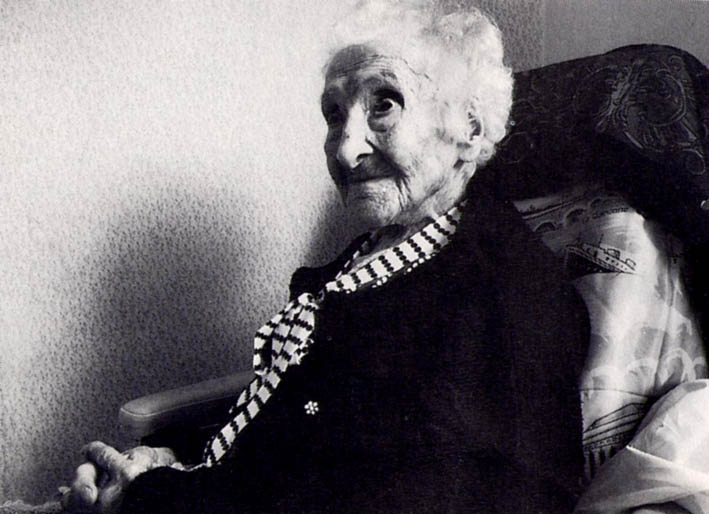
Scientists at the Functional Genomics Institute have taken cells donated by persons older than 100 years, and reprogrammed these senescent cells into pluripotent stem cells and embryonic stem cells. These stem cells can then be differentiated into specialised cells for cell, tissue, and organ replacement therapy -- once the details are worked out.
The researchers have successfully rejuvenated cells from elderly donors, some over 100 years old, thus demonstrating the reversibility of the cellular aging process.


To achieve this, they used an adapted strategy that consisted of reprogramming cells using a specific "cocktail" of six genetic factors, while erasing signs of aging. The researchers proved that the iPSC cells thus obtained then had the capacity to reform all types of human cells. They have the physiological characteristics of "young" cells, both from the perspective of their proliferative capacity and their cellular metabolisms.


Researchers first multiplied skin cells (fibroblasts) from a 74 year-old donor to obtain the senescence characterized by the end of cellular proliferation. They then completed the in vitro reprogramming of the cells. In this study, Jean-Marc Lemaitre and his team firstly confirmed that this was not possible using the batch of four genetic factors (OCT4, SOX2, C MYC and KLF4) traditionally used. They then added two additional factors (NANOG and LIN28) that made it possible to overcome this barrier.


Using this new "cocktail" of six factors, the senescent cells, programmed into functional iPSC cells, re-acquired the characteristics of embryonic pluripotent stem cells.
In particular, they recovered their capacity for self-renewal and their former differentiation potential, and do not preserve any traces of previous aging. To check the "rejuvenated" characteristics of these cells, the researchers tested the reverse process. The rejuvenated iPSC cells were again differentiated to adult cells and compared to the original old cells, as well as to those obtained using human embryonic pluripotetent stem cells (hESC).


...The results obtained led the research team to test the cocktail on even older cells taken from donors of 92, 94 and 96, and even up to 101 years old. "Our strategy worked on cells taken from donors in their 100s. The age of cells is definitely not a reprogramming barrier." He concluded. "This research paves the way for the therapeutic use of iPS, insofar as an ideal source of adult cells is provided, which are tolerated by the immune system and can repair organs or tissues in elderly patients." adds the researcher.


...Inserm's AVENIR "Genomic plasticity and aging" team, directed by Jean-Marc Lemaitre, Inserm researcher at the Functional Genomics Institute (Inserm/CNRS/Université de Montpellier 1 and 2) performed the research. The results were published in Genes & Development on November 1, 2011 _SD
The first use of this new regenerative technology is likely to be cell replacement therapy. But as the methods for growing replacement tissues and organs in the lab are perfected, the methods should be suitable for producing cells to use in growing replacement tissues and organs for purposes of disease treatment and for treating senescence.

Cross-posted to Al Fin Longevity

Labels: , , ,

Bookmark and Share

14 December 2010

News from the Biosingularity

SD
The drug lenalidomide -- related to thalidomide -- may prove to be one of the first in a long line of revolutionary anti-aging medications to slip through the back door of conventional medicine.
In this study, the team tested the drug in healthy seniors, each of whom were matched in race, gender and national origin to a healthy young adult participant. They found that extremely low levels of lenalidomide - 0.1 μM - optimally stimulated IL-2 production in the young people (21-40 years) roughly sevenfold, but stimulated IL-2 production in patients over age 65 by 120-fold, restoring them to youthful levels for up to five days. At that dosage, the drug also increased IFN-gamma up to six fold in the elderly patients, without suppressing IL-17 generation.

The researchers also found that lenalidomide had many other beneficial effects on the elderly participants' T cells, including better migration throughout the body, more efficient patrolling activity and longer survival after defending the body against an infection. _SD
Not for pregnant women, certainly, but not many women over the age of 65 are getting pregnant accidentally.

Another approach to prolonged youthfulness may come by way of "cord blood", blood from the umbilical cord which is obtained at birth. Apparently cells present in cord blood are capable of producing regenerative factors capable of rejuvenating the aging brain.
Laboratory culture (in vitro) studies examining the activity of human umbilical cord blood cells (HUCB) on experimental models of central nervous system aging, injury and disease, have shown that HUCBs provide a ‘trophic effect’ (nutritional effect) that enhances survival and maturation of hippocampal neurons harvested from both young and old laboratory animals.

“As we age, cognitive function tends to decline,” said Alison E. Willing, PhD, a professor in the University of South Florida’s (USF) Department of Neurosurgery and Brain repair and lead author for a study published in the current issue of Aging and Disease (www.aginganddisease.org) . “Changes in cognitive function are accompanied by changes in the hippocampus, an area of the brain where long term memory, as well as other functions, are located, an area of the brain among those first to suffer the effects of diseases such as Alzheimer’s disease.” _SB
The type of rejuvenation of hippocampal cells demonstrated by the USF researchers suggests that it may be worth our while to keep a culture of HUCBs (or useful substitutes) safe and handy for the sake of our older selves.

Another useful approach to rejuvenating the brain besides pharmaceuticals or stem cell therapies may involve the electromagnetic stimulation of the brain.
Shooting steady pulses of electricity through slender electrodes into a brain area that controls complex behaviors has proven to be effective against several therapeutically stubborn neurological and neuropsychiatric disorders. Now, a new study has found that this technique, called deep brain stimulation (DBS), targets the same class of neuronal cells that are known to respond to physical exercise and drugs such as Prozac.

The study, led by Associate Professor Grigori Enikolopov, Ph.D., of Cold Spring Harbor Laboratory (CSHL), is the cover story in the January 1st issue of The Journal of Comparative Neurology, which is currently available online.

The targeted neuronal cells, which increase in number in response to DBS, are a type of precursor cell that ultimately matures into adult neurons in the brain’s hippocampus, the control center for spatial and long-term memory, emotion, behavior and other functions that go awry in diseases such as Alzheimer’s, Parkinson’s, epilepsy and depression. DBS has been successful in treating some cases of Parkinson’s. And recently, it has also proven to work against other brain disorders such as epilepsy and severe depression. _SB
It is likely that routine maintenance for aging humans in the near future will include a wide range of therapies, including stem cells, EM therapies, rejuvenating drug therapies, and nanotech approaches.

Researchers at Salk and Princeton have discovered new ways in which the oncogene protein p53 is useful in the control of cancer. It seems that besides suppressing the early stages of cancer transformation, p53 also suppresses later stage local spread and distant metastasis.
A close collaboration between researchers at the Salk Institute for Biological Studies and the Institute for Advanced Study found that the tumor suppressor p53, long thought of as the "Guardian of the Genome," may do more than thwart cancer-causing mutations. It may also prevent established cancer cells from sliding toward a more aggressive, stem-like state by serving as a "Guardian against Genome Reprogramming." _PO
This opens the door to the use of p53 enhancing therapies in persons whose cancers are already well established -- in the hope of slowing the progression of the disease to allow other therapies to eradicate it.

Another good source of news on the biosingularity front (as well as other science and technology news) is Nextbigfuture:

New artificial bone material to healing from bony injury

New advanced tools for genetic manipulation and engineering

Pluripotent stem cells from adult tissues finding wider use in research

Anyone who has studied Nanomedicine or followed SENS understands that the tools discussed above are just scratches in the surface of the coming biosingularity. But even such scratches may well mean the difference between life and death, vitality and atrophy, mental sharpness and senility, to some who are reading this.

Labels: ,

Bookmark and Share

05 September 2009

Coverage of SENS4 Conference in Cambridge

Kristen Fortney from Ouroborus blog is covering the 4th Strategies for Engineered Negligible Senescence conference, presently underway in Cambridge, England. Below are some excerpts of Kristen's coverage, courtesy of Fight Aging:
SENS4, Session 1: Combating oxidation

Cathy Clarke tested an original and interesting approach to avoiding free radical damage to poly-unsaturated fatty acids, or PUFAs: isotope reinforcement. ... The basic idea here, explained in an earlier paper, is very simple: heavier isotopes make stronger bonds, so isotope-reinforced PUFAs will be more resistant to free radical attack. Will these results transfer to higher organisms? Is there any chance that the deuterium could get incorporated into other molecules, stabilizing proteins that we want to degrade? The authors plan to follow up this study in worms and mice.

SENS4, Session 3: Optimising metabolism against aging

Stephen Spindler described his (ongoing) project to screen a large number of potential lifespan-affecting compounds in mice - so far, several candidates look promising. Interestingly, he also argued that the majority of previous studies measuring the effects of various compounds on rodent life expectancy suffer from serious flaws. In particular, he argued that many of them were confounded by a possible calorie restriction effect: mice are picky eaters, and if you change their diet by adding some compound to it, they will often eat less of it.

SENS4, Session 4: Adult regenerative capacity

Brandon Reines presented a counterintuitive result on regeneration: sometimes old animals have a higher regenerative capacity than young animals. In particular, if you punch a hole in the ear of a young mouse, then it won’t heal; but in a middle-aged mouse it will heal completely. He argued that this happens because mouse ear connective tissues never fully differentiate, and suggested that other neural-crest-derived connective tissues might show similar properties.

SENS4, Session 5: Eliminating recalcitrant intracellular molecules: the lysosome

John Schloendorn discussed ongoing work at the SENS Foundation Research Center to develop new enzymes that can degrade harmful intracellular junk that accumulates with age. So far, they have discovered enzymes that can degrade A2E and 7-ketocholesterol, which are implicated in macular degeneration and osteoporosis, respectively. Their next step will be to construct a drug delivery system to get these enzymes to lysozomes ... On the lighter side, Schloendorn also described some of the Center’s methods for building functional lab equipment on the cheap, all good examples for aspiring DIY biologists.

SENS4, Session 6: Eliminating recalcitrant intracellular molecules: other

Claude Wischik spoke about preventing aggregation of tau protein, which is implicated in Alzheimer’s disease. Clinical trials of their aggregation-inhibiting drug Rember are promising: it seems to slow the down the rate of cognitive decline in patients with mild to moderate Alzheimer’s disease.

SENS4, Sessions 9 and 10: Rejuvenating extracellular material

Kendall Houk gave a very interesting talk on computationally designing enzymes from scratch. They plan to apply their recently published protocol to develop enzymes that can reverse the formation of Advanced Glycation End-products (AGEs) - sugar-modified proteins that accumulate with age and are implicated in several age-related diseases. _links to more information
Ouroborus is updating Kristen's coverage as it comes in.

Twitter updates

Aubrey de Grey's SENS initiative has achieved prominence in scientific gerontology, thanks to financing from the Methuselah Foundation. Under most government health care and pension systems, long life is a bad thing, since the longer you live, the longer the government has to support your existence. That may be why so little progress was made under government financed gerontology research.

With private funding via SENS, expect much more progress. The same applies to private financing of space launch, and other crucial innovations. The private sector is all about getting results. The government is all about soaking up as many resources as possible, growing as large as possible, and employing as many public sector union members as possible.

Labels: ,

Bookmark and Share

29 June 2008

Finally Getting Respect: Understanding Aging Conference Wrapping Up in Los Angeles

After working in obscurity and semi-respectability for almost a decade, Aubrey de Grey is finally getting the recognition he deserves. The Understanding Aging conference at UCLA is wrapping up after a full weekend of presentations.

Probably the most famous presentation of the weekend to hit the news so far, is the potential "cancer cure" being studied by Wake Forest researcher Zheng Cui, who gave a presentation yesterday at the meetings. Zheng's study involves screening 500 healthy young (under 50) adult volunteers for cancer resistance, then selecting the 100 volunteers with the strongest measured cancer resistance and taking white blood cell (WBC) donations from the 100. These WBC's would then be transfused into cancer patients to determine safety and efficacy of the treatment. The approach has proved very successful in mice. More information here and here.

Another interesting presentation was given by Trevor Marshall reporting on studies linking stem cells, cancer, and bacterial infection.

This comprehensive overview from Brian Wang allows a busy non-attendee to briefly sample the research fare of the busy weekend conference. By doing an internet search using a science search engine, you can often find full text articles by participating authors, which should give considerable background on their current research.

Aubrey de Grey's excellent introduction to SENS anti-aging research, Ending Aging, was published in 2007, but the information in parts of the book is already becoming obsolete by the rapid progress in research labs. Thanks to the energy, ideas, and fund-raising by de Grey and his colleagues, anti-aging research is finally coming out of the closet into the daylight.

Previously published at Al Fin Longevity

Labels: ,

Bookmark and Share

28 May 2008

Classic of Immortality Available Online

Aschwin de Wolf notified me by email of the online publication of a classic work of immortality literature--Immortality: Physically, Scientifically, Now (HTML)--by Ev Cooper, privately published in 1962.

Link to PDF version (via Depressed Metabolism) If your browser gets bogged down trying to open PDF documents, download it using the "right-click-->Save Link As" option.

Read more about the interesting story of the author, Ev Cooper, at Depressed Metabolism.

The field of cryonics continues to develop slowly. The big breakthrough that is needed is the development of a non-toxic "vitrification" agent--a safe antifreeze for human bodies that prevents freezing damage when the body temperature is taken below the freezing point of water. Some progress has been made, but fish, amphibians, and insect larvae do a much better job of it so far.

Labels:

Bookmark and Share

27 May 2008

Live Twice as Long: Burn the Candle at Both Ends

At least it seems to work that way for PEPCK-C genetically augmented mice. An updated study on these brave new mice reinforces earlier findings: these genetically modified mice live longer, are stronger, more assertive, and bear young at a previously unprecedented old age.
Two founder lines generated by this procedure were bred together, creating a line of mice that have 9.0 units/g skeletal muscle of PEPCK-C, as compared to 0.080 units/g in muscle from control animals. The mice were more active than controls in their cages and could run for up to 5 km, at a speed of 20 m/min without stopping (control mice run for 0.2 km at the same speed). Male PEPCK-Cmus mice are extremely aggressive, as well as hyperactive. During strenuous exercise, they use fatty acids as a fuel more efficiently than do controls and produce far less lactate than do control animals, perhaps due to the greatly increased number of mitochondria in their skeletal muscle. PEPCK-Cmus mice also store up to five-times more triglyceride in their skeletal muscle, but have only marginal amounts of triglyceride in their adipose tissue depots, despite eating 60% more than controls. The concentration of leptin and insulin the blood of 8–12 months of PEPCK-Cmus mice is far lower than noted in the blood of control animals of the same age. These mice live longer than controls and the females remain reproductively active for as long as 35 months. __Biochimie__via__Ouroborus
Remember, these mice were specially bred, twice over. They are the cross-bred offspring of two lines of mice which were genetically engineered mice for heightened PEPCK-C expression. There is no pill that you can take to achieve the same result.

But there are lessons to be learned from these super-mice. Humans live long enough so that genetic modifications can be made to them long after they are born--but long before they are due to die.

Think of what Olympic or professional athletes could do with higher levels of skeletal muscle PEPCK-C, and more muscle mitochondria. Who will be the first humans to volunteer for PEPCK-C gene therapy? Where will the human research be done first? China? Russia?

The total package would have to include higher intelligence, longer life, greater strength and speed, less need for sleep, higher resistance to infections and disease, and heightened executive function. But we have to start somewhere.

Labels: ,

Bookmark and Share

22 May 2008

Aging 2008 at UCLA Friday, June 27 4PM


The free presentation begins at 4 PM in Royce Hall. You will need to make advanced reservations to attend.
Applying the new technologies of regenerative and genetic medicine, the engineering approach to aging promises to dramatically extend healthy human life within the next few decades.

...At Aging 2008 you will engage with top scientists and advocates as they present their findings and advice, and learn what you can do to help accelerate progress towards a cure for the disease and suffering of aging.

Doors open at 4:00 pm on June 27th, 2008, at UCLA's Royce Hall. All attendees must register in advance; entry is free and includes a complimentary drinks reception before the presentations begin. For an additional $30, attendees also have the opportunity to attend a special dinner with the speakers. __MF
Bruce Ames, Michael West, and Aubrey de Grey are among the presenters.

The Methuselah Foundation is the main promoter of research into the practical, engineering approach to genetic and regenerative anti-senescence. If you can make it for the free presentation at UCLA 27 June 2008, be sure to reserve your place.

Labels:

Bookmark and Share

03 January 2008

Do You Want To Live a Really Long Time?

Most readers of Al Fin blog want to live long, happy, prosperous lives. Otherwise, why read this blog? I consider Aubrey de Grey's SENS program for radical life extension to be the best ongoing approach to significant improvement in human lifespan. Now the mainstream periodical, The Economist, takes a look at de Grey's regimen:
Dr de Grey, who is an independent researcher working in Cambridge, England, is a man who provokes strong opinions. He is undoubtedly a visionary, but many biologists think that his visions are not so much insights as mischievous mirages, for he believes that anti-ageing technology could come about in a future that many now alive might live to see.

Vision or mirage, Dr de Grey has defined the problem precisely. Unlike most workers in the field, he has an engineering background, and is thus ideally placed to look into the biological repair shop. As he sees things, ageing has seven components; deal with all seven, and you stop the process in its tracks. He refers to this approach as strategies for engineered negligible senescence (SENS).

The seven sisters that Dr de Grey wishes to slaughter with SENS are cell loss, apoptosis-resistance (the tendency of cells to refuse to die when they are supposed to), gene mutations in the cell nucleus, gene mutations in the mitochondria (the cell's power-packs), the accumulation of junk inside cells, the accumulation of junk outside cells and the accumulation of inappropriate chemical links in the material that supports cells.

It is quite a shopping list. But it does, at least, break the problem into manageable parts. It also suggests that multiple approaches to the question may be needed. Broadly, these are of two sorts: to manage the process of wear and tear to slow it down and mask its consequences, or to accept its inevitability and bring the body in for servicing at regular intervals to replace the worn-out parts.
Economist

The writers at The Economist seem to understand that the key to getting anywhere in science is to "break a problem into manageable parts". Then define hypotheses which are falsifiable. Then test your hypotheses, one by one.

Because this is the approach that de Grey and his program are taking--and since no one else has attempted anything else nearly so ambitious or logical--it is to de Grey, SENS, the Methuselah Foundation etc. that most interested parties look for advances in this area. Of course, breakthroughs can occur at unexpected times and places. The radar scope must still sweep a broad circle. But reading de Grey's book, Ending Aging, and following the progress of SENS, is a good place to start.

Hat tip Brian Wang

Labels: , ,

Bookmark and Share

25 November 2007

Will This 80 Year Old Woman Soon be Pregnant?

If she is anything like Richard Hanson's PEPCK-C mice, perhaps.
The mice over-express a gene responsible for the enzyme phosphoenolypyruvate carboxykinases (PEPCK-C). Normal expression is in the liver, in the production of glucose.

The scientists found their new mice would eat twice as much as normal mice - but weigh half as much. They could also give birth at three years old - which in human terms is akin to an 80-year-old woman giving birth.
BBC

These special PEPCK-C gene-overexpressing Case Western mice can run ordinary mice right off the treadmill.
The mouse can run up to six kilometres at a speed of 20 metres per minute for five hours or more without stopping, British newspaper The Independent reports.

Scientists say that's the equivalent of a man cycling at speed up an Alpine mountain without a break.

...Scientists say the super abilities came about from a standard genetic modification to a single metabolism gene shared with humans.

The genetic alteration to a gene involved in glucose metabolism appears to stimulate the efficient use of body fat for energy production, The Independent reported, citing a study published in the Journal of Biological Chemistry.
Source

These mice are reported to be "very aggressive," for reasons unclear to the researchers. But if you were trying to create a new breed of mice to take over the mouse "niche", aggression would be useful. (For a look at what happens when the PEPCK-C gene is blocked, see this report.)

Skip forward from mice to humans. How difficult would it be to do the same thing with humans? It depends on how ethical you want to be. If you do not care about destroyed embryos and the like, it might not be so hard.
Professor Richard Hanson commented:

"We humans have exactly the same gene. But this is not something that you'd do to a human. It's completely wrong. We do not think that this mouse model is an appropriate model for human gene therapy. It is currently not possible to introduce genes into the skeletal muscles of humans and it would not be ethical to even try."
Source

Hanson says it would be "completely wrong" and "would not be ethical to even try." Which is to say that when someone does indeed perform this experiment on humans, they will want to do so far from the authority of any bioethics committees.

Radical life extension in humans, incorporating genetic modifications such as the one described above, is inevitable.
The technology to enable youthful life spans of centuries is inevitable in the fullness of time - as the cost of developing an application of medical technology falls, the level of support required to complete the task falls with it. Sooner or later, a determined group will gather to get the job done.

So, to the point: the technology base required for the repair of aging is inevitable in the next few decades. Its application to this end, however, is not. That means that radical life extension is not inevitable for you and I; we're going to have to work on making it happen.
MPrize

How do we make sure that such beneficial technologies are not limited to the rich and powerful? First of all, we have to confront the arguments of those who claim that "youthful life extension" is morally wrong, or that it would lead to overpopulation.

Anyone who thinks healthy life extension is morally wrong is welcome to forgo its benefits. And modern western societies are in far greater danger of population depletion than overpopulation. If technologies of rejuvenation and extending youthful lifespan were limited to societies with birthrates below or near replacement, the overpopulation problem would be limited to the third world where it is currently. Such technologies might motivate residents of the third world to voluntarily limit their procreation.

Aubrey de Grey's recent book Ending Aging is a useful progress report on the SENS 7-step method of fighting senescence. It is worth reading, since de Grey's approach is the best overall approach at this time. But other, more piecemeal research can make astounding inroads into the problems of senescent societies. We need to do what we can, and pay attention.

Labels: ,

Bookmark and Share

26 September 2007

SENS Update

SENS3, the third biannual SENS conference was held 6-10 Sept 2007 at Queens College, Cambridge. An excellent summary of the conference is available at Ouroborus. Apparently, progress has been made by several researchers on multiple fronts. To access talks from previous conferences, go to SENS1 here, or SENS2 here.

Aubrey de Grey's SENS is a seven-part approach to engineering increased longevity in humans. SENS research is being funded by the Methuselah Foundation, and other funding agencies and individuals.

Other important recent conferences of note were the Singularity Summit in San Francisco and the Nano-Bio technology Conference in Tucson. Both of those conferences were well covered by Michael Anissimov.

Hat tip Brian Wang

Labels: ,

Bookmark and Share

18 May 2007

Alpha Lipoic Acid--An Old Friend Receives New Attention

Alpha lipoic acid has been shown to be a useful health supplement for over ten years. I have personally followed Lester Packer's research on ALA for a dozen years. Now, scientists at the Linus Pauling Institute are belatedly acknowledging what most of us have known all along--alpha lipoic acid shows a lot of promise.
"The evidence suggests that lipoic acid is actually a low-level stressor that turns on the basic cellular defenses of the body, including some of those that naturally decline with age," said Tory Hagen, an LPI researcher and associate professor of biochemistry and biophysics at OSU. "In particular, it tends to restore levels of glutathione, a protective antioxidant and detoxification compound, to those of a young animal. It also acts as a strong anti-inflammatory agent, which is relevant to many degenerative diseases."

Researchers at LPI are studying vitamins, dietary approaches and micronutrients that may be implicated in the aging or degenerative disease process, and say that lipoic acid appears to be one of those with the most compelling promise. It's normally found at low levels in green leafy vegetables, but can also be taken as a supplement.

...."Our studies have shown that mice supplemented with lipoic acid have a cognitive ability, behavior, and genetic expression of almost 100 detoxification and antioxidant genes that are comparable to that of young animals," Hagen said. "They aren't just living longer, they are living better – and that's the goal we're after."

What the OSU researchers now believe is that the role of lipoic acid is not so much a direct one to benefit cells, but rather an indirect aid that "kick starts" declining function in cells and helps them recover the functions that came more easily and naturally in young animals.

In various effects, lipoic acid appears to help restore a cellular "signaling" process that tends to break down in older blood vessels. It reduces mitochondrial decay in cells, which is closely linked to the symptoms of aging. With age, glutathione levels naturally decline, making older animals more susceptible to both free radicals and other environmental toxins – but lipoic acid can restore glutathione function to near normal. And the expression and function of other genes seems to come back to life.

"We never really expected such a surprising range of benefits from one compound," Hagen said. "This is really unprecedented, and we're pretty excited about it."
Source

They may be slow, but at least they are finally going public on ALA, at Linus Pauling.

The combination of alpha lipoic acid with acetyl L-Carnitine appears to help restore youthful function to aging mitochondria. This may eventually be useful in Alzheimer's Disease and other neurodegenerative conditions.

I was particularly disappointed in the Linus Pauling Institute for some of the statements they issued recently discouraging people from taking OTC flavonoids from plants. Based upon some rather pedestrian research dealing with the detectable anti-oxidant activity of several plant flavonoids, the LPI went fairly overboard in discouraging the public from taking these supplements.

Although the LPI admitted that bioflavonoids appeared to be beneficial in reducing M/M in heart disease and cancer, the overall message appeared to be: "They're not as good antioxidants as they're supposed to be, so don't take them."

One expects journalists and social science professors to exhibit such lack of clear thinking, but not world-class bioscientists.

Labels: , ,

Bookmark and Share

26 December 2006

What If You Could Have This Particular Gene?

An intriguing gene that is associated with long life and extended mental clarity has been studied among a population of Ashkenazi Jews by scientists at the Albert Einstein College of Medicine of Yeshiva University.

Dr. Barzilai and his colleagues had previously shown that this gene variant helps people live exceptionally long lives and apparently can be passed from one generation to the next. Known as CETP VV, the gene variant alters the Cholesterol Ester Protein. This protein affects the size of "good" HDL and "bad" LDL cholesterol, which are packaged into lipoprotein particles. Centenarians were three times likelier to possess CETP VV compared with a control group representative of the general population and also had significantly larger HDL and LDL lipoproteins than people in the control group.

Researchers believe that larger cholesterol particles are less likely to lodge themselves in blood vessels. So people with the CETP VV gene (and the larger cholesterol particles they produce) run a lower risk of heart attacks and strokes, which may explain their unusual longevity.

The findings of this new study suggest that CETP VV also protects the cognitive integrity of the brain--either through the same vascular "anti-clogging" benefit that prevents heart attacks and strokes or through an independent protective mechanism that remains to be found.
Source.

Gene therapy (GT) experiments on humans have been scaled back significantly over the past 6 years due to serious side effects of GT, including cancer and death. Nevertheless, GT treatments for erectile dysfunction, osteoporosis, pulmonary artery hypertension, vascular diseases, and cancer, among other conditions including SCID, Huntington's, Parkinson's, Lesch-Nyhan syndrome and phenylketonuria.

Gene therapy will eventually provide safe and effective treatment and/or prophylaxis for virtually any meaningful disease and affliction. Right now, ethical and therapeutic oversight committees are stalled on the issue of safety. These issues will be overcome. And eventually, if you want genes that lend toward greater mental clarity, or extended lifespan, there will be ethical providers who can give them to you safely.

Labels:

Bookmark and Share

19 December 2006

MPrize and SENS--Extending the Lifespan

The Methuselah Mouse Prize (Mprize) is a set of contests to develop the longest living mus musculus research mouse. The Mprize is an example of an "Inducement Prize", a cash award created to induce contestants to achieve a notable goal. Other examples of inducement prizes include the recent XPrize won by Burt Rutan's group and the Kremer Prizes for human powered flight won by Paul MacReady's group.

Aubrey de Grey and his SENS group are involved in several approaches to extending human life span, in addition to participating in the Mprize effort.

Peter Thiel, cofounder of Paypal, has recently donated US $3.5 million to SENS research projects. $500,000 was donated for immediate use, and $3 million was contributed in the form of matching grants.

Difficult challenges such as the human longevity challenge, require special champions able to direct scientific researchers toward likely avenues of research and to capture the imagination of donors and the general public. Aubrey de Grey has proven himself up to the challenge on both counts.

For those interested in attending a talk by de Grey, here is his schedule of coming talks. The Edmonton Aging Symposium would be a good choice for Canadians and other North Americans new to the field of life extension.

Humans need longer lives so as to acquire wisdom for future challenges. Although popular "culture" emphasizes amusements and entertainments, there really are serious challenges being met today--although you would never know it from the main stream media. That is one reason why the msm is "old media", obsolete, and a definite "sell."

Labels: , ,

Bookmark and Share

26 November 2006

Kurzweil Predicts Human Immortality

At the recent SCO6 supercomputing conference, Ray Kurzweil predicted human immortality by way of nanomedicine, and more. "Nanobots" in our bloodstreams will repair cellular and tissue damage as fast as it occurs. Affordable computers will be a thousand times more powerful than a human brain . . . Kurzweil clearly believes in "singularity now!"

According to Kurzweil, here's what we can expect in the not-so-distant future:

—Doctors will be doing a backup of our memories by the late 2030s;

—By the late 2020s, doctors will be sending intelligent bots, or nanobots, into our bloodstreams to keep us healthy, and into our brains to keep us young;

—In 15 years, human longevity will be greatly extended. By the 2020s, we'll be adding a year of longevity or more for every year that passes;

—In the same timeframe, we'll routinely be in virtual reality environments. Instead of making a cell call, we could "meet" someone in a virtual world and take a walk on a virtual beach and chat. Business meetings and conference calls will be held in calming or inspiring virtual locations;

—When you're walking down the street and see someone you've met before, background information about that person will pop up on your glasses or in the periphery of your vision;

—Instead of spending hours in front of a desktop machine, computers will be more ingrained in our environment. For instance, computer monitors could be replaced by projections onto our retinas or on a virtual screen hovering in the air;

—Scientists will be able to rejuvenate all of someone's body tissues and organs by transforming their skin cells into youthful versions of other cell types;

—Need a little boost? Kurzweil says scientists will be able to regrow our own cells, tissues, and even whole organs, and then introduce them into our bodies, all without surgery. As part of what he calls the "emerging field of rejuvenation medicine," new tissue and organs will be built out of cells that have been made younger;

—Got heart trouble? No problem, says Kurzweil. "We'll be able to create new heart cells from your skin cells and introduce them into your system through the bloodstream. Over time, your heart cells get replaced with these new cells, and the result is a rejuvenated, young heart with your own DNA";
Source.

Kurzweil as author, is an example of an uber-synthesist. He sifts through mountains of information to find technology trends. He predicts the future, without bothering to have tongue in cheek.

His biological predictions may even be timid, but Kurzweil's predictions of nanotech healers and machine super-cognition may be more than a little optimistic--from his point of view.

Humans are certainly not ready for super-intelligence, and computers have no point of reference. Human intelligence is based on emotions, which are based on biological survival drives. Computers have nothing similar to build on, other than (anthropomorphizing alert!) an unconscious "need" for electricity, more memory, and faster processors. As soon as computers begin to understand the need for speed and power, we may all be in trouble. Computers are not bound by billions of years of kludgy evolution--they can evolve exponentially.

So it comes down to: how soon can engineers/scientists build emotions and drives into computers--computers with actuators and power to act in the physical world? Because that is when Kurzweilian things start happening. Only computers can program massively parallel computers. They simply need a good reason to do so.

Kurzweil uncharacteristically provides a caveat: terrorists may learn to use this advanced technology. But more realistically, modern terrorists would like nothing more than to take human societies back to the stone age, where merely talking about Kurzweil's predictions would get your head chopped off.

Cross-posted at Al Fin Longevity.

Labels: , , , , ,

Bookmark and Share

27 April 2006

Sex on the Brain: Apomorphine as Life Extension Aphrodisiac

Apomorphine is an old drug, dating at least back to the 1860s. It has found many uses, including as a treatment for Parkinson's Disease, and a treatment for Erectile Dysfunction. Apomorphine is also an efficient emetic at proper doses. In the context of life extension and longevity, apomorphine has proven to be a good trigger for HGH release. The drug may find uses in cases of stroke and myocardial infarction. Apomorphine is not an opiate analgesic like morphine, and is not addictive.

I suspect that apomorphine will find many more uses, given its multiple potencies. A good sex life is important for a satisfying life, whatever its length, and apomorphine not only induces penile erection, it also is a dopamine agonist, which suggests that the sex drive itself would be stimulated by apomorphine, and the sex act made more pleasurable.

Given the emetic properties of higher doses of apomorphine, it is not likely to become a drug of abuse. And given the several decades since its initial use in humans, the more lethal and disabling side effects of a drug would have been found. In other words, we have a drug, apomorphine, that likely has a positive effect on longevity via HGH release, and a positive effect on sexual desire, performance, and pleasure. Yet very few people have heard of apomorphine.

Here is some recent research on apomorphine from Shanghai:

Apomorphine (APO), a potent D1/D2 dopamine receptor agonist, is currently used as an antiparkinsonian drug. We have shown previously that APO stimulates synthesis and release of multiple trophic factors, such as brain-derived neurotrophic factor (BDNF) and glial cell line-derived neurotrophic factor (GDNF), in both mesencephalic and striatal neurons, thereby effectively preventing dopaminergic neuron loss in vitro. The present study was designed to investigate the effects of APO on fibroblast growth factor-2 (FGF-2) expression and regulation in astrocytes, and furthermore, to identify signaling mechanisms underlying these effects. Here, we show that FGF-2 expression is robustly induced in cultured astrocytes in response to APO. FGF-2 expression was proportional to APO concentration and time-dependent. More at source.

One more thing: apomorphine has been found to be protective of mitochondria in central nervous system neurons and heart muscle. Consider the implications of that when you are putting together your life extension kit.

Labels: , , ,

Bookmark and Share

21 April 2006

Waiting to Make SENS of Aging, Life Extension, Longevity?

Many of you are familiar with Aubrey de Grey and his SENS approach to life extension and longevity. For the intermediate term, de Grey's approach offers a lot of promise in the fight against aging.

In the short term, we need something more immediate. Ray Kurzweil has written a book on aging, discussing the several dozen supplements he takes daily. Most people do not need that much, but some might need more. A recent Barron's article took a stab at the subject, and the last Technology Review featured an interesting article about research into the anti-aging gene sirt.

This brief posting will deal with the basics of life extension now, rather than longevity in the next fifty years. Several postings in Al Fin have dealt with this topic, and there is no need to repeat them. This is just the basics. People below the age of 40 should ignore the hormone section. Each person should selectively choose agents based upon his own circumstances. Inform yourself in basic biology. Consult professionals before taking prescription medicines or extremely high doses of any agent. Middle aged males with or without family history of prostate cancer: take androgens, DHEA, etc. at your own risk, or after consulting a professional.

1. Hormones: DHEA, Pregnenolone, HGH, androgens, estrogens, thymosin, melatonin, and thyroid.
2. Antioxidants: Vitamins A,C,E, Lipoic Acid, Selenium, NAC, CoQ10, polyphenols, other phyto-antioxidants.
3. Antiglycation agents: Aminoguanidine, Carnosine, pyridoxamine, benfotiamine, ALT 711.
4. Brain Boosters: Ginkgo, PS, bacopa, DMAE, neurotransmitter precursors, hydergine, vinpocetine, Huperzine, etc.
5. Calorie restriction mimetics such as resveratrol, quercetin, etc.
6. General: TMG, Curcumin, carnitine, B complex, etc.
5. Immune Boosters: Wide variety of herbals and complex carbohydrate derivatives of plants and microorganisms, plus a lot of laughter.
6. Physical exercise and prudent eating, plus elimination of clearly bad habits and institution of good lifestyle habits.
7. Mental and emotional training. Practise sentic cycles and other forms of meditation. Read books on mind and memory training, and practise exercises.

If you are too old to wait for SENS, but rebel against the need to practise self-discipline, simply get old as you are doing. Otherwise, consult the longevity links posted on the side-bar of the Al Fin main page. Learn what you can, and start practising what you can. The important thing is to take a systematic approach. If you take supplements, but smoke like a stack, drink like a fish, exercise less than a minute a week, and sleep only two or three hours a night, you may not be taking a balanced approach to the problem.

In a later post, I will go into more detail on some of the particular agents and approaches outlined above. In the meantime, feel free to utilise the source materials that are provided under "longevity" and "singularity".

Labels: , , , ,

Bookmark and Share

24 March 2006

Glycation in Diabetes and Aging: Routes to Life Extension and Longevity

High blood sugar levels, as are seen in diabetes, insulin resistance, and other forms of hyperglycemia, leads to a process called glycation. Glycation changes the shape and properties of proteins. Crosslinking reduces the flexibility, elasticity, and functionality of the proteins. Furthermore, the chemical modifications of glycation and crosslinking can initiate harmful inflammatory and autoimmune responses. "AGE and nonenzymatic crosslinks are demonstrated to signal inflammatory cytokines, extracellular matrix expansion, angiogenesis, and growth factors." [deGroof] Glycation has been found in connective tissue collagen, arterial collagen, kidney glomerular basement membrane, eye lens crystallins, nerve myelin proteins and in the circulating low-density lipoprotein (LDL) of the blood.

Prolonged glycation leads to creation of advanced glycation end products, AGE. The end result of AGE is all the deadly complications that lead to excessive morbidity and mortality in diabetic patients. Blindness, renal failure, arteriosclerotic heart disease, neuropathies, loss of limbs, etc.

What is not generally known, is that the same process of glycation and AGE formation occurs in normal people, at a much slower rate. You may think that that giant soda, or huge piece of pie is not doing anything bad to your body, but you would probably be wrong. Your connective tissues are being cross-linked beneath your level of awareness. You are ageing prematurely.

This article in Scientific American discussed this issue a few years ago. This brief background article gives more information, with links to more sources.

Various drugs and nutriceuticals have been used to treat glycation and AGE. This article discusses the use of ginger in preventing diabetic kidney damage.
An estimated 19 million people are affected by diabetes in the EU, equal to four per cent of the total population. This figure is projected to increase to 26 million by 2030.

The rhizome of the ginger plant (Zingiber officinale) is a rich source of antioxidants, including gingerols, shogaols, zingerones and other ketone derivatives. It has long been used as a remedy for nausea, especially associated with morning sickness.

The new study, published on-line in Food Chemistry (doi: 10.1016/j.foodchem.2006.01.013), assessed the effects of ginger on the blood antioxidant levels and kidney health of diabetic rat models.

Twenty-four male rats were divided into three groups of eight. The first group (control 1) were healthy rats, the second group (control 2) were diabetic and non-supplemented, and the third group (test) was diabetic and had the diet supplemented with ginger powder as five per cent of the daily food intake.

After eight weeks of supplementation the researchers, led by Dr Ali Taghizadeh Afshari from the Emam Khomeini Hospital, reported: “Antioxidant capacity in the ginger supplemented rats was higher when compared to the other groups.”


The primary drug used to treat glycation and AGE is aminoguanidine. Over the counter nutraceuticals used to treat AGE include carnosine, pyridoxamine, and various forms of thiamine. Ginger may also provide some benefit in preventing diabetic complications, but that research is ongoing.

Glycation end products also accumulate in the brain in Alzheimer's Disease. Scientists are still trying to define any relationship between AGE accumulation in the CNS and neuronal apoptosis. The recent discovery that lower brain insulin may predispose to Alzheimer's Disease probably has something to do with accumulation of AGE.

I will be writing much more on this topic in the future, since it is of great importance in the overall strategy of retarding the ageing process.

Labels: ,

Bookmark and Share

10 March 2006

Dancing Molecules of Life Extension

It has been known for over a decade that the Insulin Growth Factor 1(IGF-1) signaling was involved in longevity. Reducing IGF-1 signaling in knockout mice led to longer lived mice, but the mice developed as dwarves. Now scientists are learning how to influence the IGF-1 signaling system to prolong lifespan, without interfering with normal growth and development, and other vital systems.

This newsrelease discusses the discoveries of Salk Institute researchers, into the IGF signaling system and its relationship to ageing.

Within a hormone-triggered cascade of molecular signals that plays a crucial for a wide range of physiological functions, researchers for the very first time have identified a protein that functions specifically to extend lifespan and youthfulness -- without disrupting fertility, immunity or the organism's response to stress.

"In past experiments, meddling with this versatile pathway to exploit its beneficial effects on aging and life span inevitably invited a host of problems," says Andrew Dillin, Ph.D., an assistant professor in the Molecular and Cell Biology Laboratory at the Salk Institute for Biological Studies and leader of the study, reported in the March 9 issue of the journal Cell.

The Salk scientists discovered the protein in studies with worms, a commonly used lab model in genetics; since this signaling cascade including the newly identified protein is conserved across many species, including humans, these findings raise the prospect that one day it might be possible to medically tweak this pathway to slow aging and improve the quality of life without harmful consequences to the body.


Read the entire report here. Here is a related SENS abstract.

The intricate dance of interacting molecules described in the report is fascinating, but it is typical of the complexity of biological systems. It is only now, when the tools of science and bioinformatics are growing so sophisticated, that scientists could hope to dig so deeply into the workings of cellular and organismic systems.

Labels: ,

Bookmark and Share

22 February 2006

Predicting Life Extension and Human Longevity

Over at the Speculist Blog, Stephen Gordon talks about the joys and perils of predicting trends in human longevity and life extension. Stephen once predicted--boldly, he felt--that 2014 would be the date for life extension to take off. Now Stephen is in the uncomfortable position of being upstaged by a biologist from Stanford, Shripad Tuljapurkar.

In this article, Dr. Tuljapurkar makes many interesting predictions concerning the effects on the world of increasing average lifespan past the 100 year mark. Overpopulation, increased inequality, a trend toward more serial monogamy, and the raising of the retirement age are some of his predictions. Dr. T. sets the date 2010 as the beginning of the rising lifespan.

The Speculist feels that a lot of unanticipated things will happen between now and 2010, and certainly between now and 2030. The Speculist represents a fairly optimistic blog-vision of the future. But read both the above article, and the reaction by the Speculist.

Personally, I feel that the acceleration has already begun. Not only are new drugs such as statins, ACEIs, ARBs, modafinil, donezepil, memantine, and many others changing many of the underlying processes of degeneration in the body and mind, but the process of new drug discovery is exploding rapidly. In addition, many people have gone on their own into personal life extension experimentation, taking pharmaceuticals and non-pharmaceuticals alike. Vitamin stores are happy to sell resveratrol, quercetin, carnosine, lipoic acid, Curcumin, DHEA, and other promising non-pharmaceuticals to an ever more sophisticated buying public.

Besides all that, a new generation of scientists has grown up with the idea that life extension is not wrong or unnatural, but is completely natural, ethical, and a worthy goal to pursue. These scientists are finding that the people who control the purse-strings are growing more agreeable as well. The tsunami has been spawned by the underlying groundswell, and will not be stopped. ETA: any time now.

Labels: , , ,

Bookmark and Share

20 February 2006

Resveratrol, Quercitin, Calorie Restriction, Longevity

Scientific American's new issue contains an article about "longevity genes" and the search to unlock them. Many articles have been written about the Sir and Sirt genes known to influence longevity in yeast and lower animals. The recent SciAm article brings us fairly up to date on the research of the authors and their associates (David Sinclair and Lenny Guarente).

Calorie restriction (CR) was cited as one of the few maneuvers known to increase lifespan of laboratory animals. Not surprisingly, CR works through the Sirt genes. What was surprising was that resveratrol, found in red grapes and wine, also affects the Sirt genes in much the same way as CR.

First of all, the researchers had to dispense with an old theory that turned out to be false:
The phenomenon (life extension through CR) was long attributed to a simple slowing down of metabolism--cells' production of energy from fuel molecules--and therefore reduction of its toxic by-products in response to less food.

But this view now appears to be incorrect. Calorie restriction does not slow metabolism in mammals, and in yeast and worms, metabolism is both sped up and altered by the diet. We believe, therefore, that calorie restriction is a biological stressor like natural food scarcity that induces a defensive response to boost the organism's chances of survival. In mammals, its effects include changes in cellular defenses, repair, energy production and activation of programmed cell death known as apoptosis.


....Yet if humans are ever to reap the health benefits of calorie restriction, radical dieting is not a reasonable option. Drugs that can modulate the activity of Sir2 and its siblings (collectively referred to as Sirtuins) in a similar manner will be needed. Just such a Sirtuin-activating compound, or STAC, called resveratrol has proven particularly interesting. Resveratrol is a small molecule present in red wine and manufactured by a variety of plants when they are stressed. At least 18 other compounds produced by plants in response to stress have also been found to modulate Sirtuins, suggest?-ing that the plants may use such mole?-cules to control their own Sir2 enzymes.

....Feeding resveratrol to yeast, worms or flies or placing them on a calorie-restricted diet extends their life spans about 30 percent, but only if they possess the SIR2 gene. Moreover, a fly that overproduces Sir2 has an increased life span that cannot be further extended by resveratrol or calorie restriction. The simplest interpretation is that calorie restriction and resveratrol each prolong the lives of fruit flies by activating Sir2.

Resveratrol-fed flies not only live longer, despite eating as much as they want, but they do not suffer from the reduced fertility often caused by calorie restriction. This is welcome news for those of us hoping to treat human diseases with molecules that target Sir2 enzymes. But first we want a better understanding of the role of Sir2 in mammals.


....Increased Sirt1 (the mammalian version of Sir2) in mice and rats, for example, allows some of the animals' cells to survive in the face of stress that would normally trigger their programmed suicide. Sirt1 does this by regulating the activity of several other key cellular proteins, such as p53, FoxO and Ku70, that are involved either in setting a threshold for apoptosis or in prompting cell repair. Sirt1 thus enhances cellular repair mechanisms while buying time for them to work.

....Both our labs are running carefully controlled mouse experiments that should soon tell us whether the SIRT1 gene controls health and life span in a mammal. We will not know definitively how Sirtuin genes affect human longevity for decades. Those who are hoping to pop a pill and live to 130 may have therefore been born a bit too early. Nevertheless, those of us already alive could live to see medications that modulate the activity of Sirtuin enzymes employed to treat specific conditions such as Alzheimer's, cancer, diabetes and heart disease. In fact, several such drugs have begun clinical trials for treatment of diabetes, herpes and neurodegenerative diseases.

The authors were careful not to hype resveratrol, since the research is still ongoing. Other people working with CR are a bit more enthusiastic about resveratrol. Both resveratrol and quercetin have been known for a number of years now to influence Sirt genes. Vitamin and supplement makers are growing quite sophisticated in keeping up with research, and waste no time making natural phytochemicals available to the public, where legal.

It is unlikely that these phytochemicals represent a hazard to the public. Certainly I have been imbibing resveratrol in liquid form for several years now, with no untoward effects noted. Nevertheless, it is hazardous to the purse to buy every supplement that some vitamin salesman promotes. Follow the research and make up your own mind.

I recommend reading the Scientific American article in its entirety.

Labels: , , , ,

Bookmark and Share
Older Posts
Al Fin Main Page
Enter your Email


Powered by FeedBlitz
Google
WWW AL FIN

Powered by
Blogger

``