23 December 2012

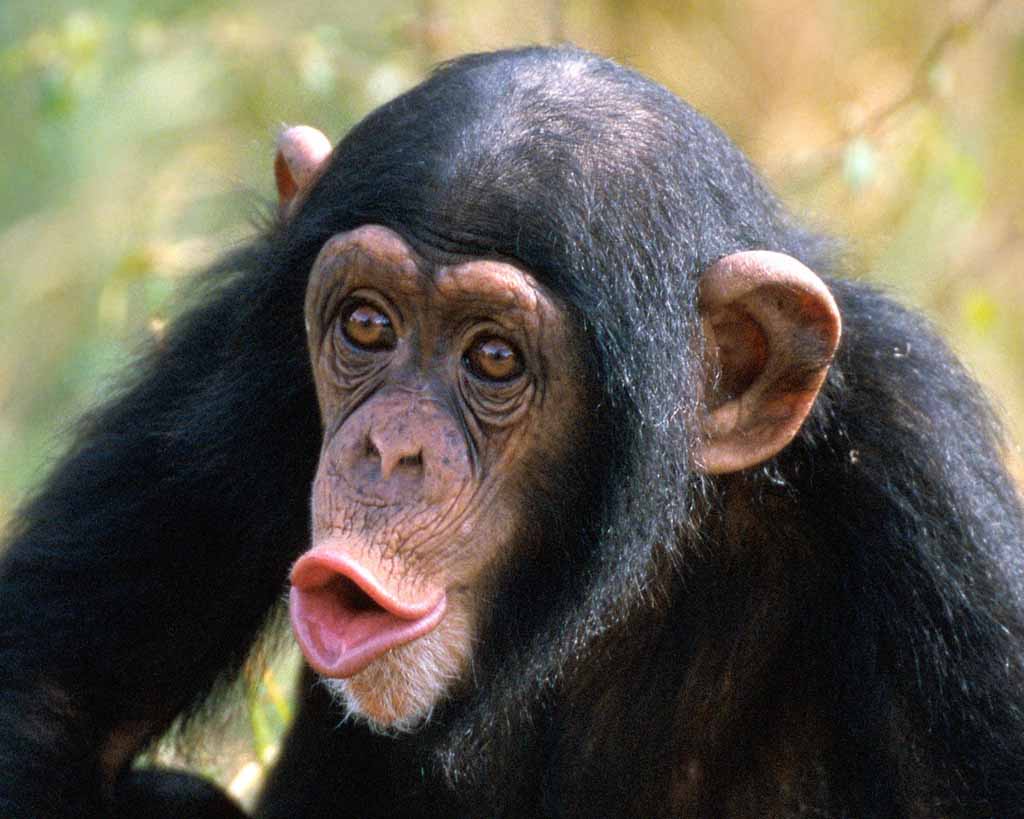
Another Reason Why You are Not a Chimp

Humans and chimpanzees share remarkably similar sets of genes.  When measured conventionally, the genes of humans and the genes of chimps are 99% alike.   And yet, chimps do not build cities, do not publish encyclopedias, and do not launch spaceships to Mars and beyond.


Two recent studies:

N. L. Barbosa-Morais et al., “The Evolutionary Landscape of alternative splicing in vertebrate species,” Science, 388, 1587-93, 2012.
J. Merkin et al., “Evolutionary dynamics of gene and isoform regulation in mammalian tissues,”Science, 388, 1593-99, 2012.

provide new information on how two species with very similar DNA patterns can develop so differently in the real world.

The studies from MIT and the University of Toronto, reveal the remarkable degree of difference alternative gene splicing between species -- resulting in distinctly different proteins from the same gene.
“It was somewhat generally assumed that splicing differences that you see between brain and muscle in the mouse would be similar between brain and muscle in the human,” said Donny Licatalosi, professor of RNA molecular biology at Case Western Reserve University in Cleveland, Ohio, who did not participate in the studies, “but what both of these studies are showing is that is not the case. There is a large amount of species-specific alternative splicing.”

...“how do physical and behavioral differences arise if we have a very similar set of genes to that of the mouse, chicken, or frog?” said Ben Blencowe, a cell and molecular biology professor at the University of Toronto, who led one of the studies. A commonly discussed mechanism was variable levels of gene expression, but both Blencowe and Chris Burge, biology and biological engineering professor at Massachusetts Institute of Technology and lead author of the second paper, found that gene expression is relatively conserved among species.

...To assess alternative splicing patterns as well as transcription levels, both groups performed high-throughput sequencing of messenger RNA. They extracted RNA from a large array of organs of different vertebrate species, including frogs, chickens, primates, and humans. “It’s a massive amount of data,” said Cooper.

Blencowe’s team showed that the species-specific alternative splicing changes tended to be driven by differences in the transcripts themselves, which carry a splicing code that guides the splicing machinery—rather than differences in the splicing machinery. For example, human transcripts expressed in mouse cells exhibited human, not mouse, splicing patterns, despite being spliced by mouse machinery.

“These are very important papers that provide for the first time a large-scale view of the evolution of alternative splicing in vertebrates,” said Brent Graveley, professor of genetics and developmental biology at the University of Connecticut, who was not involved in the research. “They demonstrate how dramatically rapidly alternative splicing evolves, and suggest that it might play a role in speciation.”

The incredible capacity for alternative splicing could enable cells to try-out new versions of proteins without risking the complete loss of the originals, said Burge. Of course, if a new version then offers an advantage, the associated sequence changes to the splicing code will be selected for. “It is certainly an attractive model, and we think it is what’s going on,” said Burge. _TheScientist
This remarkably rapid and competitive evolutionary activity is taking place within each cell of almost every tissue inside your body.

Not only does this epigenetic process provide more reasons for differences between species, but it also likely provides more reasons for differences between sub-species. It will probably also eventually reveal significant differences in gene expression between identical twins.

A number of other genetic and epigenetic processes such as copy number variants, transposable elements, non-coding RNAs, non-coding DNAs, unique mutations (each person has about 100 unique mutations in his genome), etc. -- and more to be discovered -- have already provided us with reasons why two individuals with very similar DNA can easily develop significant differences in gene expression.

The alternative splicing mechanisms being elaborated in the two studies above, provide another very powerful source of difference in gene expression -- not only between individuals, but also between body tissues within the same individual. This evolutionary mechanism even introduces differences in gene expression between different cells of the same tissue type.

Biology just keeps getting more and more interesting all the time.

Labels: , , ,

Bookmark and Share

06 December 2012

4 Million Switches to Control 20,000 Genes: An Ongoing Revolution in Biology

We are living on a planet that has been transformed by biology into a birthplace and cradle of proto-intelligent life. The biological transformation of our world is still at a very early stage. The true wonders of our ongoing biological revolution have barely been hinted at.
When the ENCODE Project announced that so-called "junk DNA" actually contains millions of gene control switches to control roughly 20,000 genes, the educated public was suddenly made aware of something that working biologists have known for decades: We humans are not in Kansas anymore, Toto.
The human genome is packed with at least 4 million gene switches that reside in bits of DNA that once were dismissed as junk but that turn out to play critical roles in controlling how cells, organs, and other tissues behave. The discovery, considered a major medical and scientific breakthrough, has enormous implications for human health because many complex diseases appear to be caused by tiny changes in hundreds of gene switches.

The findings are the fruit of an immense federal project, involving 440 scientists from 32 global labs. As they delved into the junk — parts of the DNA that are not actual genes containing instructions for proteins — they discovered it is not junk at all. At least 80 percent of it is active and needed. _BG

Protein Transcription Factors: One of Many Factors in Gene Switching

Just when the educated public thought it was beginning to understand how cells work, they are told that the mechanisms of life are orders of magnitude more complex than they previously believed.

The secret to complex life is not just the mechanisms of DNA transcription to RNA, and RNA tranlation to proteins. Complex life is an astounding swirl of circular logic and control circuits of cell signaling. Some genes are constantly being switched on and off, while other genes are silenced permanently or over long periods of time.

But we are discovering ways to alter the natural order of cell signaling and gene switching -- and that ability to change the natural scheme of things amounts to a building revolution in our biological world.

Here is a quick example of a discovery in cell switching which may lead to the ability to quickly repair damage to heart muscle from hear attacks:
MicroRNAs are short segments of RNA whose purpose is to cause genes to switch on and off. To find out which ones are responsible for causing heart cells to divide, the team studied 875 of them taken from a human heart and implanted into rodent muscle. In so doing they found 204 of them that reactivated cell proliferation and 40 and that did so strongly. They then chose the two strongest and injected them into the hearts of live mice that had been caused to suffer damage to their hearts, using a harmless virus as a carrier.

After two weeks, the mice that had been injected with the MicroRNAs showed less damage than prior to the treatment, indicating regeneration had occurred. After two months, the damaged tissue area had been reduced by half. The team also noted that contraction strength improved as did other heart functions that were measured.

The research team concludes by suggesting that their method of using MicroRNAs to induce regeneration of damaged heart tissue might be used someday soon to treat heart attack victims... _MXP
Abstract of study in Nature

Heart disease is the primary cause of death in most developed countries. The ability to rapidly heal heart muscle damage after heart attacks would likely prolong the productive lives of hundreds of thousands of people in the developed world every year.

Cell switching effects of micro RNA and Transcription Factor networks (PDF)

When we consider a world where humans have achieved the mastery of cell signaling and gene switching, we are not necessarily looking at a world of immortal, universally brilliant, and physically powerful humans. We should look at these things in relative terms, rather than in absolutes. Compared to monkeys, humans are longer-lived and quite capable in a broader range of activities and environments.

Likewise, compared to modern humans, those future people who have achieved mastery over biology will live longer lives, and possess a significantly broader range of aptitudes and capabilities over a greater number of environments.

Biology has its shortcomings, of course. We are likely to discover ways of bypassing and substituting for, much of the evolved complexity of biological cells, organs, and organisms for the sake of improved reliability.

But that will have to be done in a carefully considered and cautious manner. We have to be sure that we do not sacrifice too much resiliency for the sake of reliability within a narrow niche of functioning. No one wants to be a Dodo bird.

Labels: , , ,

Bookmark and Share

18 October 2012

Young Blood in Old Veins: Grasping for Immortality

Tissue from the hippocampus of old mice given young blood showed changes in the expression of 200 to 300 genes, particularly in those involved in synaptic plasticity, which underpins learning and memory. They also found changes in some proteins involved in nerve growth.

The infusion of young blood also boosted the number and strength of neuronal connections in an area of the brain where new cells do not grow. This didn't happen when old mice received old blood. _NewScientist

There is something about young blood that transforms old tissues -- from the genetic level upwards. Those hormonal messengers and other signaling factors that are more prevalent in younger blood make their way into the cell and cell nucleus, transforming gene expression to more closely approximate the gene expression of a younger animal.

But the mystery remains: what exactly is it about young blood that old blood doesn't have? "We have not identified any individual factors responsible for the rejuvenating effects of young plasma yet," says Tony Wyss-Coray, also at Stanford. His team is now trying to identify possible candidates such as lipids and hormones.

Villeda is hopeful the results might one day translate to humans since the components of blood that change with age in mice mirror those in humans. _New Scientist
Abstract of original study from Nature:
In the central nervous system, ageing results in a precipitous decline in adult neural stem/progenitor cells and neurogenesis, with concomitant impairments in cognitive functions1. Interestingly, such impairments can be ameliorated through systemic perturbations such as exercise1. Here, using heterochronic parabiosis we show that blood-borne factors present in the systemic milieu can inhibit or promote adult neurogenesis in an age-dependent fashion in mice. Accordingly, exposing a young mouse to an old systemic environment or to plasma from old mice decreased synaptic plasticity, and impaired contextual fear conditioning and spatial learning and memory. We identify chemokines—including CCL11 (also known as eotaxin)—the plasma levels of which correlate with reduced neurogenesis in heterochronic parabionts and aged mice, and the levels of which are increased in the plasma and cerebrospinal fluid of healthy ageing humans. Lastly, increasing peripheral CCL11 chemokine levels in vivo in young mice decreased adult neurogenesis and impaired learning and memory. Together our data indicate that the decline in neurogenesis and cognitive impairments observed during ageing can be in part attributed to changes in blood-borne factors. _Nature
The study linked above focused on the effect of young blood on brain tissue and neurogenesis. It is likely that humoural factors more prominent in the blood of younger animals are capable of transforming the gene expression of most tissues of older animals -- not just the brain. At the same time, destructive factors -- pro-inflammatory cytokines for example -- that are more prevalent in the blood of older animals, are less likely to be present at high levels in younger animals' blood.
Dr Villeda hopes the results might one day translate to humans.

He told the Guardian newspaper online there was no reason not to think that, at some point in the future, people in their 40s or 50s could take therapies based on the rejuvenating chemical factors in younger people's blood, as a preventative against the degenerative effects of ageing. _Australian


This research should stimulate dozens of new studies, seeking out the good factors in young blood and the bad factors in old blood. Once these entities are identified, the quest to understand each factor -- good and bad -- will trigger dozens of new studies in its own right. In other words, Stanford's research on young blood into old animals is likely to trigger hundreds of new research studies -- a veritable boon for research into dozens of human maladies, including ageing.

More: Another approach to rejuvenating old cells (h/t Brian Wang)

Things are likely to become more interesting, as long as the scientific free for all of conflicting ideas is allowed to proceed unchecked by ideology and politics.

Labels: ,

Bookmark and Share

16 August 2012

The Promise of Epigenetic Brain Control

[Biotech company Alnylam is] working with a medical device maker, Medtronic, on a way to deliver RNAi [RNA interference] treatment directly to the brain.... RNAi therapy involves researchers producing snippets of RNA, a close relative of DNA, that match a portion of a gene of interest. When administered, this so-called small interfering RNA (siRNA) causes the destruction of that gene's products before it can be turned into a protein. The specificity of RNAi for targeting particular genes has attracted a lot of interest from people who want to use it as a clinical treatment. _Technology Review
Alnylam wants to use RNAi to alter gene expression in Huntington's Disease and other neurodegenerative conditions of the brain.

RNAi control of gene expression is safer than some other forms of genetic therapy, in that the effect of RNAi is temporary -- self-limited. But that means that the therapeutic agent must be introduced repeatedly for the therapeutic effect to continue.
...a recurring challenge for the therapeutic RNAi field is how to deliver the siRNAs to the right place in the body. On their own, the small molecules do not survive long in the bloodstream, so simply injecting a patient with a solution of unprotected siRNAs is not effective. "The key technical hurdle is getting the siRNA [inside] the right cells," says Greene.

For several of its projects, Alnylam uses nanoparticles to protect and deliver its siRNAs, which can then be delivered by injection. But for genetic diseases that originate in the brain, the body's own defenses, namely the blood-brain barrier, complicate delivery further. To circumvent the blood-brain barrier, which prevents most molecules from leaving the bloodstream and entering the brain, Alnylam has looked to a different delivery mechanism: direct dosing of unpackaged siRNAs.

Medtronic, a Minneapolis company that designs and manufactures medical devices, has devised a way to allow this. Together, the companies have developed a treatment that combines Alnylam's RNAi therapeutic with Medtronic's drug delivery technology to treat Huntington's.

Huntington's, for which there is no cure, is caused by the loss of neurons due to a toxic protein made by a tainted gene. The idea behind the new treatment is to stop at least some of that protein's production so that it cannot damage the brain.

The treatment would use a device made by Medtronic that is already implanted in more than 250,000 patients to treat chronic pain and spasticity. The device features a catheter connected to a drug pump that's surgically implanted into the abdomen. The pump pushes drugs through the device and into the fluid around the spinal cord. In the case of the Huntington's RNAi work, the system is adapted to deliver liquids directly into the brain tissue. _Technology Review

In one way, this is a cautious approach to control of gene expression. But constant infusion of a therapeutic agent directly into the brain is both risky and expensive. Only the risk of a deadly disease such as Huntington's could justify that level of invasiveness.

A more ideal method of correcting genetic defects in brain tissue might be the introduction of engineered stem cells which will deliver the therapeutic agent continuously without the need for invasive hardware devices.

Even more ideal would be the permanent genetic alteration of the faulty brain cells which produce the faulty protein. But it will take more time to develop a safe way of doing that.

Our brains make us who we are. In Huntington's, victims of their own genes lose themselves in a one-way slide to a dark oblivion.

Genetic and epigenetic control of the brain will make a big difference. You might even call it a disruptive technology.

Labels: , ,

Bookmark and Share

09 July 2012

Good Genes and Educational Achievement: The Straight Dope

Well, actually straight dopamine, to be honest. More specifically, how particular genes of dopamine transport and dopamine receptors relate to educational achievement. The study in question, by Kevin M. Beaver et al (PDF), was recently published in Developmental Psychology. (H/T HBD Chick)

Here's more:
Researchers have identified genetic markers that may influence whether a person finishes high school and goes on to college, according to a national longitudinal study of thousands of young Americans. The study is in the July issue of Developmental Psychology, a publication of the American Psychological Association.

“Being able to show that specific genes are related in any way to academic achievement is a big step forward in understanding the developmental pathways among young people,” said the study’s lead author, Kevin Beaver, PhD, a professor at the College of Criminology and Criminal Justice at Florida State University.

The three genes identified in the study – DAT1, DRD2 and DRD4 – have been linked to behaviors such as attention regulation, motivation, violence, cognitive skills and intelligence, according to the study. Previous research has explored the genetic underpinnings of intelligence but virtually none has examined genes that potentially contribute to educational attainment in community samples, said Beaver.

...The genes identified in this research are known as dopamine transporter and receptor genes. Every person has the genes DAT1, DRD2 and DRD4, but what is of interest are molecular differences within the genes, known as alleles, according to Beaver. Subjects who possessed certain alleles within these genes achieved the highest levels of education, according to the findings.

Dopamine transporter genes assist in the production of proteins that regulate levels of the neurotransmitter dopamine in the brain, while dopamine receptor genes are involved in neurotransmission. Previous research has shown that dopamine levels play a role in regulating impulsive behavior, attention and intelligence.

The presence of the alleles alone did not guarantee higher levels of education, the study found. Having a lower IQ was more strongly associated with lower levels of education. Also, living in poverty and essentially “running with a bad crowd” resulted in lower levels of education despite the genetic effects.

Even though the genetic variants were found to be associated with educational levels, having a specific allele does not determine whether someone will graduate from high school or earn a college degree, according to Beaver. Rather, these genes work in a probabilistic way, with the presence of certain alleles simply increasing or decreasing the likelihood of educational outcomes, he said. _APA.org

Dopaminergic Polymorphisms and Educational Achievement . . . Developmental Psychology July 2012

Data Source Used in Study

There is more to achievement in life than good genes, of course. A benevolent and sensory-rich upbringing and a solid social support structure are extremely helpful. But there is no better support upon which to build than good genes.

There is much more to be mined from data sources such as the one used by the authors of the study. The study looked at only three genes out of at least hundreds which are likely to influence intelligence, attention, impulsivity, future orientation, and other determinants of cognition and executive function. There is so much more to be learned, and the tools to do so are becoming more widely available and affordable -- even to the amateur scientist.

The problem seems to be access to reliable population data, and unfettered random access to different population groups which might well be compared in order to answer some questions of great importance both to science and to society.

But this type of study -- limited and cautious, to be sure -- makes a good starting point.

Labels: , , ,

Bookmark and Share

29 March 2012

The Reality of Gene Expression is Not Politically Correct

UC San Francisco scientists are clarifying yet another aspect of gene expression, which makes humans distinctly different from each other and from other species. Once considered unimportant, "silent mutations" which change one "DNA letter" but leave the gene product unchanged, have recently been found to make a difference -- sometimes a big difference. The UCSF researchers are starting to discover why.
Table of Codons
By measuring the rate of protein production in bacteria, the team discovered that slight genetic alterations could have a dramatic effect. This was true even for seemingly insignificant genetic changes known as "silent mutations," which swap out a single DNA letter without changing the ultimate gene product. To their surprise, the scientists found these changes can slow the protein production process to one-tenth of its normal speed or less.

As described today in the journal Nature, the speed change is caused by information contained in what are known as redundant codons — small pieces of DNA that form part of the genetic code. They were called "redundant" because they were previously thought to contain duplicative rather than unique instructions.

This new discovery challenges half a century of fundamental assumptions in biology. It may also help speed up the industrial production of proteins, which is crucial for making biofuels and biological drugs used to treat many common diseases, ranging from diabetes to cancer.
"The genetic code has been thought to be redundant, but redundant codons are clearly not identical," said Jonathan Weissman, PhD, a Howard Hughes Medical Institute Investigator in the UCSF School of Medicine Department of Cellular andMolecular Pharmacology.

"We didn't understand much about the rules," he added, but the new work suggests nature selects among redundant codons based on genetic speed as well as genetic meaning.

proteins made from genes containing particular sequences (referred to technically as Shine-Dalgarno sequences) were produced more slowly than identical proteins made from genes with different but redundant codons. They showed that they could introduce pauses into protein production by introducing such sequences into genes.

What the scientists hypothesize is that the pausing exists as part of a regulatory mechanism that ensures proper checks — so that cells don't produce proteins at the wrong time or in the wrong abundance.

A Primer on DNA Codons

All life on earth relies on the storage of genetic information in DNA (or in the case of some viruses, RNA) and the expression of that DNA into proteins to build the components of cells and carry out all life's genetic instructions.

Every living cell in every tissue inside every organism on Earth is constantly expressing genes and translating them into proteins—from our earliest to our dying days. A significant amount of the energy we burn fuels nothing more than this fundamental process.

The genetic code is basically a universal set of instructions for translating DNA into proteins. DNA genes are composed of four types of molecules, known as bases or nucleotides (often represented by the four letters A, G, T and C). But proteins are strings of 20 different types of amino acids.

To code for all 20 amino acids, the genetic code calls for genes to be expressed by reading groups of three letters of DNA at a time for every one amino acid in a protein. These triplets of DNA letters are called codons. But because there are 64 possible ways to arrange three bases of DNA together — and only 20 amino acids used by life — the number of codons exceeds the demand. So several of these 64 codons code for the same amino acid.

Scientists have known about this redundancy for 50 years, but in recent years, as more and more genomes from creatures as diverse as domestic dogs to wild rice have been decoded, scientists have come to appreciate that not all redundant codons are equal.
_PO
It is still politically correct to say that all modern humans share 99.9% of their genes with each other, although science has since proved that to be wrong. It is also commonly stated that humans share 99% of their genes with chimpanzees. But when the crucial subtleties of gene expression are taken into account, these PC truisms are patently false. Even identical twins can differ significantly, in terms of gene expression.

Besides the issue of redundant codons discussed above, there are issues of "copy number variants," transposon jumping genes, non-coding RNA, non-coding DNA, transcription factor variation, and a host of other mechanisms of gene expression variation yet to be discovered, elucidated, and clarified.

There is far more room for variation in the genome and epigenome than was understood just a decade ago or less. This is true for individual differences, just as it is true for gender and ethnic differences of gene expression and phenotype variation. There is no longer any excuse for intelligent and well-read persons to claim that humans have no significant genetic differences.

Reality is not politically correct, so it becomes politically expedient to abolish reality. Good luck with that.

Labels:

Bookmark and Share

15 February 2012

You're So Special!

In the past few years the two of us and our colleagues have come on especially intriguing suspects that seem to operate more in the brain than in other tissues: jumping genes. Such genes, which have been found in virtually all species, including humans, can paste copies of themselves into other parts of the genome (the full set of DNA in the nucleus) and alter the functioning of the affected cell, making it behave differently from an otherwise identical cell right next to it. Many such insertions in many different cells would be expected to yield subtle or not so subtle differences in cognitive abilities, personality traits and susceptibility to neurological problems. _SciAm

This animation by Muotri and Marchetto shows the higher rate of activity of the jumping genes in the Rett-afflicted cells (more green dots) than in the WT (wild type) ones. (The olfactory bulb is shown in red, the striatum in magenta and the cerebellum in cyan.) _SciAm

Jumping gene transposons are capable of inserting significant differences in the gene expression of identical twins. When these differences are inserted into brain cell DNA, they can cause identical twins to behave and perform differently from one another. Scientists have barely begun to understand how important this mechanism is to both long term evolution and rapid short term variation.

Nature to scientists: "Everything you think you know, just ain't so!"
Retrotransposons make up as much as half of the nucleotides, or DNA building blocks, in the human genome. In contrast, the approximately 25,000 protein-coding genes we possess make up less than 2 percent of mammalian DNA. The jumping genes are descendants of the first primitive molecular replication systems that invaded the genomes of eukaryotes (organisms having cells that contain a nucleus) long ago. A group led by Haig H. Kazazian, Jr., at the University of Pennsylvania showed in 1988 that retrotransposons, which were once thought of as nonfunctional junk DNA, were active in human tissues.

...Retrotransposition often fails to run its course, which produces truncated, nonfunctional copies of the original L1 DNA. Sometimes these snippets (or the whole L1 copy) have no effect on a protein-coding gene. Other times, though, they can have any of several consequences, both good and bad, for a cell’s fate. They may, for instance, drop into and thus alter the protein-coding region of a gene. This maneuver can lead to creation of a new variant of the protein that helps or harms an organism. Or this positioning may stop a given protein from being made. In other instances, the newly pasted DNA may fall outside of a coding region but act as a promoter (a switch that can turn on nearby genes) and alter the level of gene expression—the amount of protein made from the gene—with, once again, good or bad results for the cell and the organism. When LI retrotransposons end up in many places in neurons or in many cells of the brain, or both, the brain will be very different from the one that would have formed without their influence. It stands to reason that such genetic mosaicism could affect behavior, cognition and disease risk and could also help explain why one identical twin may remain disease-free when a sibling is diagnosed with schizophrenia, for example.

...The continuing research into jumping genes in the brain could potentially challenge an entire academic discipline. Behavioral geneticists often follow groups of identical twins over long periods to control for the effects of genes and determine the environmental contributions to such disorders as schizophrenia. The new findings showing that jumping genes actively revise genomes after an embryo forms question the assumption that “identical” twins are genetically alike. Indeed, the new discoveries will make it ever harder to disentangle the relative effects of nature and nurture on our psyches.

The question remains: Why has evolution not destroyed these vestiges of ancient viruses from within our cells, given that jumping genes have a high chance of introducing potentially fatal genetic flaws? To answer the question, we should acknowledge that humans have always been under attack by viral parasites and other invaders that expand the size of our genomes with jumping DNA. The bodies of humans and our evolutionary forebears may not have been able to fully eliminate the interlopers, but they have adapted to at least coexist with the invaders by silencing them through a variety of clever mechanisms that mutate and disable them. It also appears that, in some cases, our genomes have commandeered the genetic machinery of L1 retroelements to enhance our own survival, which is one reason that cells may sometimes allow, or even encourage, L1s to jump around the genome under carefully controlled conditions. _SciAm
Evolution has always been something of a crap shoot. The wider the range of variation that can be generated, the more likely to find suitable fits for various environmental niches.

What does this mean for the genetics of behaviour and intelligence differences? It means quite the opposite of what the authors above suggest. In the past, behavioural differences in identical twins have been attributed largely to differences in non-shared environment. Now we know better. Rather than detracting from the importance of the genes in influencing behaviours and aptitudes, this research intensifies the importance of genes and gene regulation.

Labels: , ,

Bookmark and Share

13 October 2010

A Hint of Epigenetics

The term “epigenetics” most commonly refers to heritable changes in gene activity not accounted for by alterations or mutations in the DNA sequence. But in order to understand the important developments now underway in biology, it’s more useful to take “epigenetics” in its broadest sense as “putting the gene in its living context.” _NewAtlantis
Epigenetics -- non-coding control over gene expression -- is one of the most exciting areas of science at this time. We are learning that the genetic code is only the short, first chapter in a very long book. The non-genetic "code" -- the non-coding DNA and RNA -- has a logic all its own. We are just beginning to decrypt the obscure cipher. The possibilities for the transformation of life as we know it seem just as grandiose as were the hopes of the early promoters of the human genome enterprise. Only this time, we are working at a deeper level of sophistication. How many more levels will we need to descend before we reach the promised land of genetic medicine?
... some 95 or 98 percent of human DNA was useless for making proteins. Most of this “noncoding DNA” was at first dismissed as “junk” — meaningless evolutionary detritus accumulated over the ages. At best, it was viewed as a kind of bag of spare parts, borne by cells from one generation to another for possible employment in future genomic innovations. But that’s an awful lot of junk for a cell to have to lug around, duplicate at every cell division, and otherwise manage on a continuing basis.

...As organisms rise on the evolutionary scale, they tend to have more “junk DNA.” Noncoding DNA accounts for some 10 percent of the genome in many one-celled organisms, 75 percent in roundworms, and 98 percent in humans. The ironic suspicion became too obvious to ignore: maybe it’s precisely our “junk” that differentiates us from water fleas. Maybe what counts most is not so much the genes themselves as the way they are regulated and expressed. Noncoding DNA could provide the complex regulatory functions that direct genes toward service of the organism’s needs, including its developmental needs.

...Over successive generations, cells destined to become a particular type lose their ability to be transformed into any other tissue type. And so the path of differentiation leads from totipotency (the single-celled zygote is capable of developing into every cell of the body), to pluripotency (embryonic stem cells can transform themselves into many, but not all, tissue types during fetal development), to multipotency (blood stem cells can yield red cells, white cells, and platelets), to the final, fully differentiated cell of a particular tissue....Cells of the mature heart and brain, then, have inherited entirely different destinies, but the difference in those destinies was not written in their DNA sequences, which remain identical in both organs.

... _NewAtlantis

The author goes on to describe several ways in which gene expression can be drastically altered by other means than the coding of genes -- specifically by non-coding DNA and by protein :: DNA interactions. Non-coding DNA appears to play a huge role in gene expression -- as does non-coding RNA.
The ongoing discoveries of a previously-hidden epigenetic oversight of gene expression, is exciting. Yet, it is the epigenetics (and epi-epigenetics) that remain undiscovered which hold the keys to the mysteries that confound us.

The ability to reach into the subtle mechanisms of gene expression -- without mucking everything up -- will mark the beginning of a new phase of human existence.

Labels: , ,

Bookmark and Share

19 March 2010

Variability in Transcription Factor Binding Can Make You Look Like a Monkey if You Pay for Expensive Gene Sequencing

The ready availability of gene sequencing promises to bring in a new era in medicine.  But expensive gene sequences may not tell you what you really want to know.  Underlying phenomena such as transcription factor binding, non-coding RNAs, copy number variant, and other more shadowy aspects of gene expression may hold the secret keys to more subtle aspects of why you are the way you are.
"We are rapidly entering a time when nearly anyone can have his or her genome sequenced," said Michael Snyder, PhD, professor and chair of genetics at Stanford. "However, the bulk of the differences among individuals are not found in the genes themselves, but in regions we know relatively little about. Now we see that these differences profoundly impact protein binding and gene expression."

Snyder is the senior author of two papers -- one in Science Express and one in Nature -- exploring these protein-binding differences in humans, chimpanzees and yeast. Snyder, the Stanford W. Ascherman, MD, FACS, Professor in Genetics, came to Stanford in July 2009 from Yale, where much of the work was conducted.

Genes, which carry the specific instructions necessary to make proteins do the work of the cell, vary by only about 0.025 percent across all humans. Scientists have spent decades trying to understand how these tiny differences affect who we are and what we become. In contrast, non-coding regions of the genome, which account for approximately 98 percent of our DNA, vary in their sequence by about 1 to 4 percent. But until recently, scientists had little, if any, idea what these regions do and how they contribute to the "special sauce" that makes me, me, and you, you.

Now Snyder and his colleagues have found that the unique, specific changes among individuals in the sequence of DNA affect the ability of "control proteins" called transcription factors to bind to the regions that control gene expression. As a result, the subsequent expression of nearby genes can vary significantly. _SD

The Stanford team is only scraping the surface of the complexity of gene expression, but they are making progress. For members of the public it would be easy to become obsessed with the marvels of gene sequencing, and to overlook the fact that the gene sequence is just the bare beginning of understanding gene expression. A crucially important beginning, yes, but still a small one.

Labels: ,

Bookmark and Share

30 October 2009

Protein Prince vs. Protein Pauper: Which Will it be Tonight?


Johns Hopkins researchers have made a discovery that may help explain why humans have so few genes to create such high complexity. It looks as if some common blue-collar proteins may be moonlighting as princely transcription factors -- controlling gene expression. One day a prince, another a pauper. Whatever is a protein to do?
Now, a collaborative effort at the Johns Hopkins School of Medicine to examine protein-DNA interactions across the whole genome has uncovered more than 300 proteins that appear to control genes, a newly discovered function for all of these proteins previously known to play other roles in cells. The results, which appear in the October 30 issue of Cell, provide a partial explanation for human complexity over yeast but also throw a curve ball in what we previously understood about protein functions.


...The team suspects that many more proteins encoded by the human genome might also be moonlighting to control genes, which brings researchers to the paradox that less complex organisms, such as plants, appear to have more transcription factors than humans. "Maybe most of our genes are doing double, triple or quadruple the work," says Zhu. "This may be a widespread phenomenon in humans and the key to how we can be so complex without significantly more genes than organisms like plants."


...One of the unconventional transcription factors discovered was the protein MAP Kinase 1, also known as ERK2, a protein long studied for its ability to control cell growth and development via its ability to add phosphate groups to other molecules.


"It's one of the best studied proteins out there, but no one ever thought ERK2 could directly regulate gene expression by actually binding to DNA," says Seth Blackshaw, Ph.D., an assistant professor of neuroscience and a member of the High Throughput Biology Center and the Neuroregeneration Program at the Institute for Cell Engineering. _SD
It is said that testosterone levels for human geneticists fell significantly when they learned that many plants and lower animals possessed higher numbers of genes than the human genome. Perhaps understanding how a more complex gene expression mechanism can make up for a smaller number of genes, will restore these geneticists to their former prowess.

Labels: ,

Bookmark and Share

03 June 2009

Brave New World of Small Transcription Activators

In the quest for new approaches to treating and preventing disease, one appealing route involves turning genes on or off at will, directly intervening in ailments such as cancer and diabetes, which result when genes fail to turn on and off as they should.

Scientists at the University of Michigan and the University of California at Berkeley have taken a step forward on that route by developing small molecules that mimic the behavior and function of a much larger and more complicated natural regulator of gene expression. The research, by associate professor of chemistry Anna Mapp and coworkers, is described in the current issue of the journal ACS Chemical Biology. _GenengNews
Throughout the lifespan of an organism, various genes are continuously being turned on and off, depending upon the needs of the cells, tissues, and organism. Disease and ageing can interfere with the normal process of gene activation and de-activation, as well as other aspects of normal gene expression. U Michigan and UC Berkeley researchers are discovering relatively simple molecules that might be used to artificially restore normal gene function in the ageing and / or diseased orgamism.
In the current work, the team showed that their ATFs bind to a protein called CBP, which interacts with many natural activators, and that the specific site where their ATFs bind is the same site utilized by the natural activators, even though the natural activators are much larger and more complex.

Then the researchers altered their ATFs in various ways and looked to see how those changes affected both binding and ability to function as transcriptional activators. Any change that prevented an ATF from binding to CBP also prevented it from doing its job. This suggests that, for ATFs as for natural activators, interaction with CBP is key to transcriptional activity.

"Taken together, the evidence suggests that the small molecules we have developed mimic both the function and the mechanism of their natural counterparts," said Mapp, who has a joint appointment in the College of Pharmacy's Department of Medicinal Chemistry. Next the researchers want to understand in more detail exactly how the small molecules bind to that site. "Then we'll use that information to design better molecules." _GenengNews
The gene expression process has many entry points. In order to tame the natural processes of disease and ageing, scientists will have to master most all of them. Like most important areas of scientific progress, these discoveries contain both promise and hazard.

Labels:

Bookmark and Share

20 April 2009

Adopt a Chimpanzee, Send it to the Best Schools, And Discover How Genes Affect IQ

The story of what made us human is probably not going to focus on changes in our protein building blocks but rather on how evolution assembled these blocks in new ways by changing when and where in the body different genes turn on and off. Experimental and computational studies now under way in thousands of labs around the world promise to elucidate what is going on in the 98.5 percent of our genome that does not code for proteins. It is looking less and less like junk every day. _SciAm
The truth is, anyone with the least scientific judgment accepts that the genes affect IQ (and EF, executive function). Different breeding populations of primates have evolved differently -- from the inside out. "As within, so without", as they say. But then, you already knew that.

So we know that humans and chimps are different -- genetically, morphologically, and behaviourally. What is the "difference that makes the difference" between chimps and humans?
The human brain is well known to differ considerably from the chimpanzee brain in terms of size, organization and complexity, among other traits. Yet the developmental and evolutionary mechanisms underlying the characteristics that set the human brain apart are poorly understood. HAR1 had the potential to illuminate this most mysterious aspect of human biology.

..... until humans came along, HAR1 evolved extremely slowly. In chickens and chimps—whose lineages diverged some 300 million years ago—only two of the 118 bases differ, compared with 18 differences between humans and chimps, whose lineages diverged far more recently. The fact that HAR1 was essentially frozen in time through hundreds of millions of years indicates that it does something very important; that it then underwent abrupt revision in humans suggests that this function was significantly modified in our lineage.

.....HAR1 is active in a type of neuron that plays a key role in the pattern and layout of the developing cerebral cortex, the wrinkled outermost brain layer. When things go wrong in these neurons, the result may be a severe, often deadly, congenital disorder known as lissencephaly (“smooth brain”), in which the cortex lacks its characteristic folds and exhibits a markedly reduced surface area. Malfunctions in these same neurons are also linked to the onset of schizophrenia in adulthood. HAR1 is thus active at the right time and place to be instrumental in the formation of a healthy cortex....

Beyond having a remarkable evolutionary history, HAR1 is special because it does not encode a protein. For decades, molecular biology research focused almost exclusively on genes that specify proteins, the basic building blocks of cells. But thanks to the Human Genome Project, which sequenced our own genome, scientists now know that protein-coding genes make up just 1.5 percent of our DNA. The other 98.5 percent—sometimes referred to as junk DNA—contains regulatory sequences that tell other genes when to turn on and off and genes encoding RNA that does not get translated into a protein, as well as a lot of DNA having purposes scientists are only beginning to understand.

.....It might seem surprising that no one paid attention to these amazing 118 bases of the human genome earlier. But in the absence of technology for readily comparing whole genomes, researchers had no way of knowing that HAR1 was more than just another piece of junk DNA.

Language Clues
Whole-genome comparisons in other species have also provided another crucial insight into why humans and chimps can be so different despite being much alike in their genomes. In recent years the genomes of thousands of species (mostly microbes) have been sequenced. It turns out that where DNA substitutions occur in the genome—rather than how many changes arise overall—can matter a great deal. In other words, you do not need to change very much of the genome to make a new species. The way to evolve a human from a chimp-human ancestor is not to speed the ticking of the molecular clock as a whole. Rather the secret is to have rapid change occur in sites where those changes make an important difference in an organism’s functioning.

HAR1 is certainly such a place. So, too, is the FOXP2 gene, which contains another of the fast-changing sequences I identified and is known to be involved in speech. _SciAm
Of course, none of the sub-species of humans -- the semi-isolated breeding populations -- are as different from the other human populations as all chimpanzees are different from all humans. At the same time, no one truly understands human gene expression well enough to say which differences between human populations are potentially important, and which are not. Likewise, a significant amount of interbreeding between formerly isolated breeding populations takes place in modern societies such as those in the US, the UK, Canada, and Australia. These "natural experiments" in inter-mixing between formerly isolated populations should provide an unbiased science with a number of "natural experiments", perhaps revealing a "dose-response" gradient to genetic effects.

The best approach to the science of genetic influences on behaviour and intelligence would be to pursue the topic as seriously as the Manhattan Project was pursued in WWII. The goal is the discovery of methods that allow humans to become more intelligent. It is a far more important goal than life extension. Who wants to live forever in the middle of an Idiocracy? Not I. Of course, once we are more intelligent, life extension becomes a more important goal, and more achievable.

The popular leftist denial of important genetic behavioural and intelligence differences between populations is the equavalent of shooting oneself in the head to relieve a headache. In the name of a faux "equality" that never existed, leftist zomboids in academy, government, and the media prevent the type of understanding that is required to eventually allow anyone who wishes to become more intelligent. A better example of idiocracy is hard to find.

Labels: , , ,

Bookmark and Share

Intelligence and Genes: The Inconvenient Truth

Researchers have found that people with high intelligence scores tend to have certain regions of the cortex that are larger than average. Shaw expects that some of those patterns will turn out to be the result of the environment. But these regions of the cortex tend to be the same size in twins, indicating that genes are responsible for some of the difference as well.

In recent years, scientists have also published a number of studies in which they claim to have found distinctive patterns of brain functioning in people who score high on intelligence tests. Recently Haier and Rex Eugene Jung of the University of New Mexico surveyed 37 studies examining regional brain size or activity to look for an overall pattern to their results. As Plomin would have predicted, Haier and Jung found no one “intelligence spot” in the brain. Instead they identified a number of significant regions scattered around the cortex. Other studies have implicated each of these regions in different kinds of cognition. “It looks like intelligence is built on these fundamental cognitive processes, like attention and memory, and maybe language ability,” Haier says.

Along with describing the gray matter tissue that makes up the cortex, these studies also find the signature of intelligence in the white matter that links distant parts of the cortex to one another. People with high intelligence tend to have tracts of white matter that are more organized than other people. “The white matter is like the wiring,” Haier says. “If you think about it, you know, intelligence really requires processing power and speed; the white matter would give it the speed; the gray matter would give it the processing power.” _Intelligence In Genes SciAm
Despite the growing body of evidence linking genes and intelligence, there will always be cranks and still more cranks who cannot let go of their attachment to blank slate pretensions to knowledge. But evolution and genuine science care nothing for these political objections. If allowed to work, science and the truth will eventually out.

The genes are able to influence a person's intelligence via several distinct means. From the time that African pygmies split genetically from their African neighbors, 50,000 years ago, humans have been splitting genetic branches from the homo sapiens trunk. As distinct breeding populations separated, they adapted to their differing environments through natural selection. Natural selection can make important changes in human populations much more quickly than we previously believed -- sometimes after only hundreds of years.

Different populations of humans can have distinctly different genetic records, which reflect the vastly different experiences that the distinct populations passed through over the tens of thousands of years since they split from the main trunk. Science understands this, although political correctness continues to hysterically deny the obvious -- turning educated persons who might otherwise make reasonable scientists, into blathering cranks.
Russian scientists showed in the 1990s that a strong selection pressure (picking out and breeding only the tamest fox pups in each generation) created what was — in behavior as well as body — essentially a new species in just 30 generations. That would correspond to about 750 years for humans. Humans may never have experienced such a strong selection pressure for such a long period, but they surely experienced many weaker selection pressures that lasted far longer, and for which some heritable personality traits were more adaptive than others. It stands to reason that local populations (not continent-wide "races") adapted to local circumstances by a process known as "co-evolution" in which genes and cultural elements change over time and mutually influence each other. The best documented example of this process is the co-evolution of genetic mutations that maintain the ability to fully digest lactose in adulthood with the cultural innovation of keeping cattle and drinking their milk. This process has happened several times in the last 10,000 years, not to whole "races" but to tribes or larger groups that domesticated cattle.

Recent "sweeps" of the genome across human populations show that hundreds of genes have been changing during the last 5-10 millennia in response to local selection pressures. (See papers by Benjamin Voight, Scott Williamson, and Bruce Lahn). No new mental modules can be created from scratch in a few millennia, but slight tweaks to existing mechanisms can happen quickly, and small genetic changes can have big behavioral effects, as with those Russian foxes. We must therefore begin looking beyond the Pleistocene and turn our attention to the Holocene era as well – the last 10,000 years. This was the period after the spread of agriculture during which the pace of genetic change sped up in response to the enormous increase in the variety of ways that humans earned their living, formed larger coalitions, fought wars, and competed for resources and mates. _Edge.org
Indeed. The last 10,000 years have exerted enormous evolutionary pressure upon the various distinct breeding populations of Earth. Of course, some populations that existed in more remote areas of the world, may have evaded most of these evolutionary stresses -- until now. That, of course, is the rub. That is why leftist cranks must continue to deny what is directly in front of their noses. The inconvenient truth of intelligence and genes.

Labels: , ,

Bookmark and Share

18 April 2009

Forget Stem Cells! Switch Cell Types by Simply Changing the Messenger RNA

"What's new about this approach is that we didn't have to make the host cell pluripotent, that is the ability to develop into any of three major tissue types, we can directly convert from one cell type to another, without the intermediate step," explains Eberwine. _Physorg
This sounds much too easy to be true, so it probably won't be that simple. But something interesting is happening when you can turn a neuron into an astrocyte simply by injecting astrocytic mRNA into the neuron.
By simply flooding one cell type, a nerve cell, with the an abundance of a specific type of messenger RNA (mRNA) from another cell type, the investigators changed a neuron into an astrocyte-like cell, a star-shaped brain cell that helps to maintain the blood-brain barrier, regulates the chemical environment around cells, responds to injury, and releases regulatory substances.

James Eberwine, PhD, Elmer Holmes Bobst Professor of Pharmacology, Junhyong Kim, PhD, Edmund J. and Louise W. Kahn Term Endowed Professor of Biology and first author Jai-Yoon Sul, PhD, Assistant Professor of Pharmacology, and colleagues report their findings online this week in the Proceedings of the National Academy of Sciences. This approach offers the possibility for a new type of cell-based therapy for neurodegenerative and other diseases.

"In some ways, this is akin to what a virus does," explains Eberwine, "When a virus infects a cell it affects the host cell genome and the RNAs that it can make." By putting the RNA of one cell type, in the correct amounts, into another cell type, we were able to change its function."

"This research overturns the notion that all cells are permanently hardwired with little ability to change their physiology," notes Sul. _PO
This is just the beginning, of course. With better tools for manipulating the molecules of life inside living tissues and cells, the learning shifts into warp speed.

Soon, artificially created viruses will be performing these tasks like tiny nanobots, driving cell and tissue development in animals, plants, large-scale tissue vats, etc. It is time for biology to start getting a little respect.

Labels: , ,

Bookmark and Share

13 April 2009

Genetic Diversity Where None Was Expected

Most scientists had believed until recently that silent mutations had no effect on an organism. Thanks to researchers at the Univesity of Pennsylvania, we have learned that "silent mutations" -- although they do not change the encoded protein product of the gene -- can change the quantity of the encoded protein that is produced.
The silent mutations changed the amount of fluorescent protein by as much as 250-fold, without changing the properties of the protein. Codon bias, the probability that one codon of three adjacent nucleotides will code for one amino acid over another, was previously thought to be the cause for protein expression variance, but it did not correlate with gene expression in these experiments.

"At first we were stumped," Plotkin said. "How were the silent mutations influencing protein levels? Eventually, we looked at mRNA structure and discovered that this was the underlying mechanism." MedNewsToday
The number of ways that humans can vary by gene expression, yet still possess almost identical genomes on superficial inspection, is immense and growing larger.

Non-coding RNAs are a large part of the reason why. "Junk DNA" that isn't really junk. The surface of gene expression and gene switching is barely being scratched, and now we find yet another source of subtle variation in gene expression.

These are exciting times for geneticists and for anyone with an interest in gene expression, and potential gene therapies.

Labels: ,

Bookmark and Share

05 January 2009

Watching While You Think and Learn

"With this method we can understand, in greater detail, how the human brain regulates complex thought processes and, for example, how it transforms the numerous sensory impressions into long-term memories" _MNT
The circuits of your brain trace complex paths across space and time. Understanding how brains think means understanding the spatial and temporal actions of the neuronal correlates of thought. Nature Methods has a recent (4Jan09) online report describing the use of a trio of genetically engineered viruses used to trace the activity of complex brain circuits.
In a recent paper in Nature Methods, the team describes the production and application of three types of transsynaptic viruses. The first class was engineered with differentially colored “bulbs” such that neural circuits can be lit up with all the colors of the rainbow. The second type of virus brings a small genetic clock into each infected cell in the circuit so that the elapsed time after virus entry can be recorded. The third class has the most intelligent nanotools. These viruses turn on a special fluorescent bulb in each neuron but only when the neuron is active. Using these tools, researchers can now “watch” the activity of many neurons simultaneously in identified, connected neurons of different brain circuits. _FMI
This work extends previous work using engineered viruses to act as trans-synaptic "ferries" of genes encoding for fluorescent proteins, to infect specific neurons along the path of a particular brain circuit. Such infected neurons along the circuit will subsequently "light up" like a light bulb when activated.
The protein complex was actually produced in the nerve cells of the "infected" mice and functions there as an calcium indicator: if the calcium level within a cell increases - which is the case with every action potential - the D3cpv changes form when it binds to calcium. As a result, the two fluorescent proteins, CFP and YFP, move closer to each other and the transmission of energy between the CFP and YFP changes.

"To observe this change, we use a two-photon microscope developed by Winfried Denk", explains Hasan. Each individual action potential that arises due to a stimulus makes itself directly perceivable in the brain through yellow illumination and the simultaneous reduction in the emission of blue light. The two-photon microscope pinpoints the coincidence between the two fluorescent signals very accurately and clearly reveals which nerve cells are communicating and exchanging information with each other and when. _MedNewsToday
Such methods of observing functioning brain circuits over a period of time should help in piecing together how the brain "thinks." Other tools such as special types of fMRI, MEG, nuclear medicine techniques such as PET and SPECT, etc. will further complete the overall picture, when correlated with psycho-neurological observations.

A reliable "lie-detector" would be a simple test of concept. As expertise with these methods of real-time brain tracing improves, a more subtle and sophisticated reading of minds will become possible.

Labels: ,

Bookmark and Share

22 December 2008

Long Memories and Obsessive Behaviours FKBP

Reducing the activity of a gene called FKBP12 in the brains of mice affected neuron-to-neuron communication (synapse) and increased both fearful memory and obsessive behavior, indicating the gene could provide a target for drugs to treat diseases such as autism spectrum disorder, obsessive-compulsive disease and others, said researchers from Baylor College of Medicine in Houston _SD
We are what our brains make us, but our brains are what our genes + environment makes us. People with lower expression of FKBP 12 protein may have longer memories, but at the expense of more fear, anxiety, and compulsion. At least, Baylor University studies in mice suggest such an effect of genetic biodiversity in rodents.
The protein FKBP12 regulates several important cell signaling pathways, and decreasing its activity enhances long-term potentiation in the hippocampus, said Dr. Susan Hamilton, chair of molecular physiology and biophysics at BCM and a senior author of the report. (Long-term potentiation means the enhancement of the synapse or communication between neurons.)

It accomplishes this by fine-tuning a particular pathway called mTOR signaling (mammalian target of rapamycin). The mice in whose brains the activity of the gene was reduced had longer memories and were more likely to exhibit repetitive behaviors than normal mice. _SD
The effect of FKBP12 protein may be mediated at least in part via mitochondrial efficiency.

Gene expression exerts a powerful affect on humans and other animals from the very earliest stages of development. Scientists at Hebrew University-Hadassah have elaborated the effect of gene G9a on specialisation of early pluripotent cells into differentiated cell types. More on basic action of G9a in gene expression.

It is futile to attempt to completely separate the impact of an organisms environment from gene expression. But it is just as futile to attempt to separate gene expression from an organism's (and human's) behaviour. Ideological adherents of the "Blank Slate" hypothesis are being forced into a very tight logical corner. And because such Blank Slatists control large areas of government, universities, and the media across North America and Europe, expect some extremely erratic and dysfunctional behaviour from them as their cause falls into greater disrepute.

Labels: , ,

Bookmark and Share

25 June 2008

Quantum Bullets for Rapid Fire Gene Silencing

Scientists at the University of Washington Seattle, and Emory University have developed a rapid method of silencing gene expression by using quantum dots attached to small interfering RNA (si-RNA). The quantum dots carried the si-RNA into the cytoplasm, where it interacted with messenger RNA (mRNA) to prevent translation of genetic messages into proteins.
Quantum dots were dramatically better than existing techniques at stopping gene activity. In experiments, a cell's production of a test protein dropped to 2 percent when siRNA was delivered with quantum dots. By contrast, the test protein was produced at 13 percent to 51 percent of normal levels when the siRNA was delivered with one of three commercial reagents, or reaction-causing substances, now commonly used in laboratories.

Central to the finding is that fluorescent quantum dots allow scientists to watch the siRNA's movements. Previous siRNA trackers gave off light for less than a minute, while quantum dots, developed for imaging, emit light for hours at a time. In the experiments the authors were able to watch the process for many hours to track the gene-silencer's path.

The new approach is also five to 10 times less toxic to the cell than existing chemicals, meaning the quantum dot chaperones are less likely to harm cells. The ideal delivery vehicle would have no effect; the only biological change would be siRNA blocking cells' production of an unwanted protein. __Source_via_NextBigFuture
One key to the quantum dots ability to penetrate the cell wall so effectively, was the use of a "proton sponge" that coated the dots, giving them a positive charge which neutralised the negative charge of the siRNA.

This approach to influencing gene expression is temporary, but is typically easier than trying to change the genome--either genetically or epigenetically. This reversibility is a positive feature for short term gene silencing for specific purposes such as pre and post operative situations, serious acute trauma, shock, sepsis, or rehabilitation from severe illness or injury. Many more uses for this tool will crop up if its safety and efficacy remain high as reported.

Labels: , ,

Bookmark and Share

Nature and Nurture Linked by Epigenetics

You cannot separate a person's genes from his environment. The two are irrevocably linked by several mechanisms. One of the most important ways in which the environment affects gene expression is via an epigenetic mechanism called "methylation." DNA methylation is always at work in the animal, initially helping guide differentiation and development of tissues and organs, and responding to the environment and shaping gene expression by putting parts of the DNA "off limits" to the gene expression system, or in de-methylation putting parts of the DNA back "on-line".
Johns Hopkins researchers who studied the genomes of people in Iceland and Utah say they may have found a clue to why people are increasingly prone to disease as they age...a person could become more prone to heart disease, cancer and other diseases of aging because certain genes that used to function no longer do so - or vice versa. Animal studies have shown that such changes can be triggered by environmental forces such as diet...Collaborating with scientists at the University of Iceland, the Hopkins researchers studied two populations over time to see if they could observe changes in the amount of "methylation" present in a person's genome.

...The degree of methylation is part of a person's epigenetics - aspects of an individual's makeup that exist apart from the genes themselves...The researchers tapped into continuing studies in Utah and Iceland, both havens for genetic research because of homogeneous populations. The researchers obtained DNA samples given over a decade apart by 111 people in Iceland and 126 in Utah.

For each person, they measured the amount of methylation present at each point in time - about a third of the subjects in Iceland and 30 percent in Utah had substantial changes over the period.

...Environmental factors can increase the amount and the location of methylation along the genome, influencing whether genes are functioning or not. The changes can also occur randomly, as cells divide and information gets lost or jumbled. __Source_via_Kurzweilai.net
Being able to investigate the state of methylation and other epigenetic states and processes, takes understanding of gene expression light-years beyond the mere genome. Methylation is one means by which a once-pristine genome is "marked by life." As scientists better learn to read the language of epigenetic markers, they will be able to better understand the history and current state of particular organisms (and people).

Of course, being able to modify epigenetic states will be a therapeutic tool even more potent--initially--than gene insertion. The reason for this is that the existing genes already know how to work together. When you pop a new gene into the sequence, you are never quite sure ahead of time how it will work.

More here.

Labels: , ,

Bookmark and Share

15 May 2008

Small RNA Gene Regulation

The class of RNA known as "small RNA"--a subset of "non-coding RNAs"--is growing larger. Scientists are also growing more aware of the importance of this once obscure class of molecules, that apparently plays a critical role in regulating gene expression.
...molecular biologists have increasingly realized that many RNA snippets -- so-called small RNAs -- also directly influence which genes make proteins, and in some cases, how much protein. They've also found that some small RNAs play a unique role in protecting the integrity of genetic material.

..."It turns out that there are more types of small RNA molecules than anyone initially suspected," said Gregory J. Hannon, Ph.D., CSHL professor and pioneer in small RNA research. "And we are finding that each type that we discover acts in more ways than had previously been appreciated."

...Dr. Hannon and his collaborators are harnessing highly efficient new machines that determine the sequence of bases in millions of small RNA molecules simultaneously. They then scan the known genome to find matching sequences, as well as the sequences nearby. This original context is crucial to understanding why some snippets are chosen as regulators.

...Many RNA sequences, such as microRNAs, are flagged as regulatory molecules because they physically fold on themselves. Special proteins recognize the resulting double-stranded RNA, and chemically slice it to release regulatory RNA snippets.

The CSHL team found that double-stranded structures also form from "pseudogenes." Pseudogenes, in the past assumed to be useless "junk DNA," are damaged copies of normal genes left over from previous genetic events. The researchers found that RNA copies of normal genes sometimes pair up with copies from the related pseudogenes, resulting in double-stranded RNAs that -- far from being junk -- are able to activate the cell's regulatory apparatus. __ScienceDaily
The complexity of the small RNA systems of gene regulation is coming as something of a surprise to many biologists. These RNAs are part of a complex adaptive system which monitors and modifies gene expression according to rules that are so far poorly defined. As scientists utilise the increasingly powerful tools of systems biology, the long-held secrets of evolution on Earth are being teased out of the tangle.

It is no accident that the explosion of knowledge about genetic systems and control is occurring at the same time as the explosion of knowledge within information systems, and within systems in general. Without the micro-arrays, the sequencing tools, the computational hardware and software of bio-informatics, this work would be infinitely harder.

Labels: , ,

Bookmark and Share
Older Posts
Al Fin Main Page
Enter your Email


Powered by FeedBlitz
Google
WWW AL FIN

Powered by
Blogger

``