20 January 2013

Habits are not Like Hobbits: They Don't Just Disappear

Taken from an article published on Al Fin, the Next Level


Even without magic rings, hobbits tend to disappear when one closes a book or turns off the DVD player. They may persist for a short time in the mind, but they tend to fade fairly quickly.

Habits, once formed, tend to stick around -- sometimes for one's entire life. That is one reason why it is important for children to form habits that help them to fulfill their life goals, and form them while they are still quite young.

The following is a list of useful habits that will serve a dangerous child well, at any age:


The core of the 16 habits of mind is found in the list above, and brief explanations for them are found in the embedded slideshare below. Those who are acquainted with the concept of frontal lobe "executive function" (EF) will immediately see the similarity between the 16 habits of mind, and strong frontal lobe EF.

Explanations of Habits of Mind


Habits are usually formed unconsciously, and can be very difficult to eradicate if found to be dysfunctional or destructive.

Smart psychologists understand that habits can be displaced, or substituted. Habits are thought to consist of a "cue," a "behaviour," and a "reward." The cue triggers the habitual behaviour, which supplies the reward that feeds the entire cycle.

If the person can disconnect the cue from the dysfunctional behaviour, and re-connect the cue to a more functional and less destructive behaviour which can supply a sufficient reward, the destructive habitual cycle can be displaced or substituted by a more positive habitual cycle.

Even more advanced ways of dealing with habits are being developed in mice, using optogenetics. By interfering with the infralimbic portion of the mouse's prefrontal cortex, researchers were able to break unconscious ingrained habits. But unless the habits were "overwritten" or replaced by new habits, the old habits tended to return.

It is best to learn good habits from the very beginning. That is one reason why many of the most enlightened parents put strict limits on exposure to television, video games, and other popular entertainments, until the child has developed strong habits of self direction and goal fulfillment.

The workings of a habit often occur unconsciously, just as the formation of a habit can do. In that sense, habitual behaviours can occur very much like hypnotic trance behaviours. And indeed, some of the most effective hypnotic trances tend to be those which incorporate unconscious habits of behaviour.

More on this idea later, on another blog.

Learning and Leading with Habits of Mind is a book edited by two educators, Arthur Costa and Bena Kallick, found here. An important caveat regarding the book: Like most modern cogs in the machine of modern educational theory, Costa and Kallick appear to be caught up in the "blank slate" delusion of thinking which was refuted so effectively by Steven Pinker, in his book "The Blank Slate." If the reader is able to understand that this underlying philosophical and biological confusion underlies many of the confused ideas which are mixed in with a number of useful ideas about habits of learning, a quick scan of the book can be worthwhile.

Otherwise, a study of prefrontal lobe executive function is likely to be much more satisfying and edifying, if the reader is easily able to apply the ideas to childhood learning and development.

Labels: , ,

Bookmark and Share

15 August 2012

Are Blacks a Criminal Race?

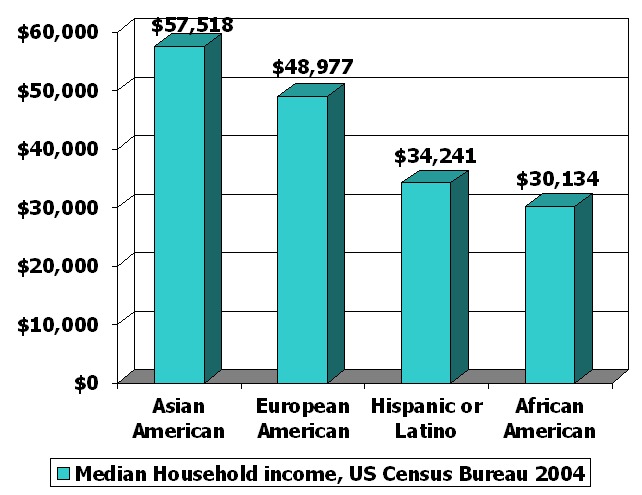
No. Blacks are not a criminal race. Criminality is differently distributed across different populations, just as household income and IQ are differently distributed across different populations. Black people simply exhibit higher rates of criminality -- statistically -- than other population groups. This statistical fact should not be used to condemn blacks as a race.
Crime Rates by Race via Equally Happy

There is evidence that shows that blacks exhibit higher rates of most categories of violent and property crime -- including hate crimes.

A black judge in Atlanta -- in the Fulton County Superior Court -- says that blacks commit almost all crime in Atlanta, and he is fed up with it.

London Metropolitan Police say that blacks are responsible for most violent crime in the city -- despite blacks making up a very small proportion of the population.
Image via Equally Happy

The underlying causes for higher rates of crime by blacks certainly rest in both nurture and nature -- heredity and environment.

On the heredity side, black populations exhibit lower mean IQ and executive function (EF) -- including impulse control. Both IQ and EF demonstrate between 50% and 80% heritability, and sometimes higher.

On the environmental side, black children are more likely to be raised in an impoverished environment, without the necessary early intellectual stimulation and parental encouragement which is so vital to mental, emotional, and physical development of a child.
IQ by Ethnic Category

Racial gaps in IQ and executive function have been demonstrated for scores of years, and have proved quite stable over the years (PDF). This suggests a statistical stratification of aptitude by race. Whether such gaps can be narrowed and such stratification be blurred depends largely upon whether society faces these problems honestly -- or whether western societies continue to deny and mis-classify these problems in a suicidal fit of political correctness.

For those who are concerned about maximising the peaceful and productive potential of everyone, the modern descent into anti-scientific denialistic political correctness cannot help but be disturbing -- guaranteeing more decades of unnecessary crime and suffering.

Homicide Race by Nation

Color of Crime . . . US crime statistics by race, available as a free PDF download.

As for you and your families, you do have control over where you choose to live and build connections with your community. Choose wisely, for the future of yourselves and your children.

More: Is this the civilian force which President Obama pledged to build up to rival the US military?

Labels: , , ,

Bookmark and Share

09 July 2012

Good Genes and Educational Achievement: The Straight Dope

Well, actually straight dopamine, to be honest. More specifically, how particular genes of dopamine transport and dopamine receptors relate to educational achievement. The study in question, by Kevin M. Beaver et al (PDF), was recently published in Developmental Psychology. (H/T HBD Chick)

Here's more:
Researchers have identified genetic markers that may influence whether a person finishes high school and goes on to college, according to a national longitudinal study of thousands of young Americans. The study is in the July issue of Developmental Psychology, a publication of the American Psychological Association.

“Being able to show that specific genes are related in any way to academic achievement is a big step forward in understanding the developmental pathways among young people,” said the study’s lead author, Kevin Beaver, PhD, a professor at the College of Criminology and Criminal Justice at Florida State University.

The three genes identified in the study – DAT1, DRD2 and DRD4 – have been linked to behaviors such as attention regulation, motivation, violence, cognitive skills and intelligence, according to the study. Previous research has explored the genetic underpinnings of intelligence but virtually none has examined genes that potentially contribute to educational attainment in community samples, said Beaver.

...The genes identified in this research are known as dopamine transporter and receptor genes. Every person has the genes DAT1, DRD2 and DRD4, but what is of interest are molecular differences within the genes, known as alleles, according to Beaver. Subjects who possessed certain alleles within these genes achieved the highest levels of education, according to the findings.

Dopamine transporter genes assist in the production of proteins that regulate levels of the neurotransmitter dopamine in the brain, while dopamine receptor genes are involved in neurotransmission. Previous research has shown that dopamine levels play a role in regulating impulsive behavior, attention and intelligence.

The presence of the alleles alone did not guarantee higher levels of education, the study found. Having a lower IQ was more strongly associated with lower levels of education. Also, living in poverty and essentially “running with a bad crowd” resulted in lower levels of education despite the genetic effects.

Even though the genetic variants were found to be associated with educational levels, having a specific allele does not determine whether someone will graduate from high school or earn a college degree, according to Beaver. Rather, these genes work in a probabilistic way, with the presence of certain alleles simply increasing or decreasing the likelihood of educational outcomes, he said. _APA.org

Dopaminergic Polymorphisms and Educational Achievement . . . Developmental Psychology July 2012

Data Source Used in Study

There is more to achievement in life than good genes, of course. A benevolent and sensory-rich upbringing and a solid social support structure are extremely helpful. But there is no better support upon which to build than good genes.

There is much more to be mined from data sources such as the one used by the authors of the study. The study looked at only three genes out of at least hundreds which are likely to influence intelligence, attention, impulsivity, future orientation, and other determinants of cognition and executive function. There is so much more to be learned, and the tools to do so are becoming more widely available and affordable -- even to the amateur scientist.

The problem seems to be access to reliable population data, and unfettered random access to different population groups which might well be compared in order to answer some questions of great importance both to science and to society.

But this type of study -- limited and cautious, to be sure -- makes a good starting point.

Labels: , , ,

Bookmark and Share

25 February 2012

A Brain of One's Own

Every human brain is unique, with its own strengths and weaknesses. IQ, executive function, and other critical components of cognition and behaviour are genetically determined, in large part, but understanding the way in which genes determine behaviour and cognition is a complex challenge.
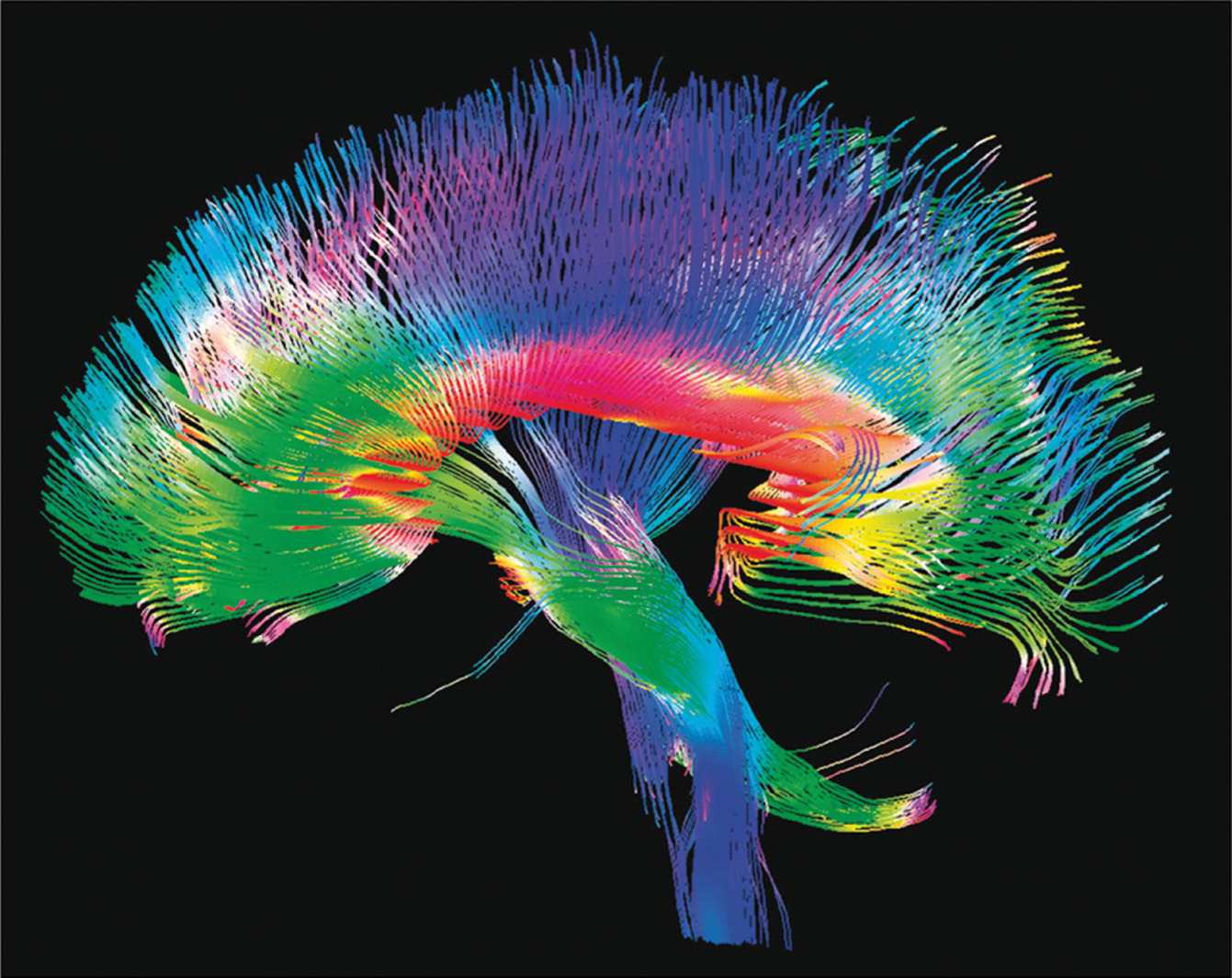
Genes help determine the nature of the brain's connectome, above, and the speed at which nerve transmissions can move along the connectome, between brain centres. Genes also influence brain plasticity via new stem cell production controlling the ability to form new memories.

Genes influence the ability to transfer attention to the more salient aspects of one's environment. This ability has always been a crucial survival trait.

Genes influence both the soundness of a person's feelings and intuition, and the trust that a person has in his own feelings. The sounder the intuition, the better able one is to predict future events and trends. Such prediction has always been a crucial survival trait.
Centre for Motivation? SD

An individual's strength and soundness of motivation helps to determine his ultimate destiny in life -- regardless of the underlying cultural substrate. Scientists are beginning to better understand the brain mechanisms of motivation.
Using images obtained from the MRI scans taken during the test, Mathias Pessiglione and his team identified a general motivational system in the depths of the brain, i.e. a structure capable of activating any effort type, both mental (concentrating on the task in hand) or physical (lifting a load). The researchers observed that the ventral striatum was activated in proportion to the amount of money involved: the higher the degree of motivation, the higher the activation level. Furthermore, the ventral striatum is connected to the median part of the striatum (the caudate nucleus) when the task to be performed is cognitively difficult (when the physical size and the numerical value of the numbers did not correspond). This ventral region solicits the lateral part of the striatum (the putamen) when the difficulty is motor-related (when the handle had to be squeezed very tightly).
The researchers suggest that the expectation of a reward is encoded in the ventral striatum, which can then drive either the motor or cognitive part of the striatum, depending on the task, in order to boost performance. _SD
More at PLoS Biology

Understanding the brain requires a certain level of comprehension of mechanisms operating at multiple levels simultaneously, from the molecular to the behavioural. It also requires an apprehension of circular causality, without which the brain could not function.

Each of us has a unique brain. The uniqueness of our brains is guaranteed by uniquely complex genetic sequences and mechanisms, but also by the unique environments within which these genetic mechanisms have played out.

We have barely begun to learn how our brains create us and our world. It is a great challenge, made all the greater by the incalculable variety that we comprise.

Labels: , , ,

Bookmark and Share

09 September 2011

It Will Take More than Willpower to Reverse a Rising Tide of Stupidity

Is the ancient virtue of willpower still relevant in the modern age?
We eat, drink, smoke and gamble too much, max out our credit cards, fall into dangerous liaisons and become addicted to heroin, cocaine and e-mail.

...In experiments beginning in the late 1960s, the psychologist Walter Mischel tormented preschoolers with the agonizing choice of one marshmallow now or two marshmallows 15 minutes from now. When he followed up decades later, he found that the 4-year-olds who waited for two marshmallows turned into adults who were better adjusted, were less likely to abuse drugs, had higher self-esteem, had better relationships, were better at handling stress, obtained higher degrees and earned more money. _NYT

A more scientific term for willpower is executive function (EF), coordinated in the prefrontal lobes of the brain. Together with intelligence (IQ), levels of EF powerfully determine life success over the years. EF can be improved by training in children, but such training should occur between the ages of 4 and 7 for maximum benefit.

The interaction of willpower and stupidity is more complex than most people understand. First, what do we mean by "stupidity?"
"A stupid person is a person who causes losses to another person or to a group of persons while himself deriving no gain and even possibly incurring losses."

"Always and inevitably everyone underestimates the number of stupid individuals in circulation."

"Non-stupid people always underestimate the damaging power of stupid individuals. In particular non-stupid people constantly forget that at all times and places and under any circumstances to deal and/or associate with stupid people always turns out to be a costly mistake."

"Our daily life is mostly, made of cases in which we lose money and/or time and/or energy and/or appetite, cheerfulness and good health because of the improbable action of some preposterous creature who has nothing to gain and indeed gains nothing from causing us embarrassment, difficulties or harm. Nobody knows, understands or can possibly explain why that preposterous creature does what he does. In fact there is no explanation - or better there is only one explanation: the person in question is stupid." _Science20

Stupidity arises from multiple causes. Low intelligence, spite, ignorance, laziness (lack of willpower), miscalculation, and unavoidable constraint propagation (bad luck) are just a few of the many causes of stupidity and stupid people.

In the United States, stupidity has become concentrated near seats of power such as Washington DC, New York City, Los Angeles, Chicago, etc. Government is one obvious host and purveyor of mass stupidity, along with all other institutions which are closely involved with government -- such as labour unions, news media, education, financial and economic institutions, law enforcement, the courts etc. Even the military -- which believe it or not is the most competent branch of government -- has been infiltrated by politically correct stupidity via social promotion of PC-favoured officers and the enforcement of politically correct policies.

Labour unions have become the seat of stupidity in a particular way recently, thanks to the union-friendly Obama regime. A violent storming, vandalism, and assault of a port in Washington state goes unpunished by government officials. While warming up a crowd for President Obama, Jimmy Hoffa Jr. tells Obama to "take out the son of a bitches," referring to Tea Party members and Republicans, and neither Hoffa nor the Obama White House will apologise for this rather blatant lapse of civility in the midst of an official Obama event. AFL-CIO head Richard Trumka dictates to Obama what he needs to say in his jobs speech before a joint session of congress -- encouraging the president to "go to the mat" -- and is rewarded for his presumption by being seated next to Michelle Obama for the president's speech.

These are all examples of stupidity by labour union officials and thugs. But many more similar examples occur on a regular basis. If the general public were to become widely aware of this stupidity, the political fortunes of Mr. Obama and those close to him would deteriorate even more quickly than at present. But for now, the news media continues to overlook and cover up the mistakes of Obama and his friends.

Mr. Obama's stupidity is not only in his friends and hangers on, but is engrained in every policy that he has pursued since being inaugurated. His war against the private sector, his war against energy, his promotion of a bankrupting "green jobs agenda," his vilifying of national allies and his cozying up with national antagonists, his diverting of scarce national assets into the purses of political cronies, his irreversible expansion of government mandate and government debt, his unprecedentedly divisive effect on society -- all of these evidences of stupidity and more should be enough to portray Obama's administration as "the stupid regime."

It should be obvious that willpower is not a simple antidote to stupidity. In fact, stupid people often pursue their stupid agendas with the utmost will.

It is true that if the masses had exerted more willpower in their oversight of government and government officials, that this massive clusterfuck could have never grown so bad so quickly. But that was then, and this is now. What do we do now?

Can the example problem -- the rise of stupidity in US government and society -- be solved within the existing political and societal structure, or will entirely new structures and forms of organisation have to be constructed de novo?

This question will be explored in future articles.

Cross-posted to abu al-fin

Labels: ,

Bookmark and Share

30 July 2011

A Nuclear Power Plant for Nigeria? What a Wonderful World . . .

Nigeria's Federal Government is set to sign an agreement with the Russian Federation for the building of Nigeria's first nuclear power plant. Nigeria is an oil-rich African nation which is looking to diversify its sources of energy and electrical power. Nigeria has been seeking help from Russia for some time in this regard, and Nigeria's leaders are somewhat unhappy with Russia's slow response to their requests.
Modern nuclear power plants are quite safe when properly designed, built, and operated. In Japan's recent deadly natural disaster, well over 20,000 Japanese people lost their lives from a massive earthquake and tsunami, but none died as a result of a serious nuclear power plant shutdown and partial core meltdown. When such rare and unexpected events occur, the right people to cope with the situation must be on hand.
The chart on top shows the IQ distribution curves for four fuzzily defined racial groups: Asian, White, Hispanic, and Black. These curves are approximations based upon the best scientific evidence available. The second chart above shows a global IQ map by nation, again using the best available scientific evidence to produce the chart. In both charts it is clear that blacks and Africans lag behind all other "races" and nations tested. Why is this important in regard to a nuclear power plant in Nigeria? Look at the chart below:
This chart describes the IQ requirements for different types of professions, occupations, and vocations. If a population's IQ mean and IQ distribution curve provides an inadequate number of persons bright enough to become qualified engineers, technicians, scientists, etc, that population on its own will find it very difficult to maintain a high technology infrastructure. In terms of nuclear power plants, the personnel requirements are particularly critical in the cases where things go wrong.

It has been argued that Africans score poorly on IQ test for reasons having nothing to do with underlying intelligence. It is very important to test this hypothesis using the very best scientific tools available. If black and African populations have been judged unfairly in this regard, it is of utmost importance that this injustice be corrected.

Unfortunately, modern politically correct culture only wants to sweep the issue under the rug, and deny its importance entirely -- without performing the proper scientific experiments. That would be most unwise in this age of rapid scientific and technological progress -- when the mishandling of modern technologies could lead to tens or hundreds of thousands of unnecessary deaths, and other lingering problems.

This series of blog postings from "Race, Genes, and Disparity," discusses a way in which this uncertainty could be settled fairly and scientifically. Objective criteria for testing should be devised and implemented, so that modern societies can face important issues with the information that they need.

The enhancing of human intelligence is becoming a critically important issue for all societies. Nigeria has recently made the cognitive enhancer Vinpocetine available to Nigerians in an effort to bring the "national IQ" up to global standards. Other, more effective methods of increasing IQ are likely to come along in the near future. Even if western nations do not approve such therapies for use by normal persons, it is likely that nations of the third world and emerging world (BRICS etc) will have no such qualms about their use.

Whether the Russians build a nuclear power plant for Nigeria, is up to the Russians and the Nigerians. One might ask whether the Nigerian government will be willing to pay Russian engineers, technicians, electricians, welders, turbine specialists, etc to maintain the power plant indefinitely? If not, who will be minding the nuclear power plant?

The same issue is likely to emerge in other African nations, attempting agreements with Russia, China, India, etc. for the building of advanced technologies which require elite scientific and technological oversight. If the African nation is willing and able to pay for the technology, what business is it to outsiders -- as long as the technology being sold is not nuclear technology or other technology of mass death?

Africa is littered with crumbling and rusting technological projects built by colonial powers and outside interests. They are rusting and crumbling because they were not maintained. The neglect of proper maintenance is typical of the third world environment, and besides suggesting a low cognitive complement, the phenomena of widespread neglect also suggests a low executive function (EF) complement. Low IQ and Low EF: Not a promising combination for the wise development of potentially deadly technologies. Think about it.

Labels: , , ,

Bookmark and Share

26 April 2011

Motivation

World Travel Photos

Most of what you see, read, and hear about "motivation" is pure horseshite. From Tony Robbins to Dan Pink to your motivational consultant, speaker, or psychologist of choice, most of the motivational industry is 99% scam and 1% truism with propagandist overtones.

What is motivation?


Using the online etymological dictionary, let's start with "move:"
late 13c., from Anglo-Fr. movir (O.Fr. moveir), from L. movere "move, set in motion" (pp. motus, frequentative motare), from PIE base *meue- (cf., Skt. kama-muta "moved by love" and probably mivati "pushes, moves;" Lith. mauti "push on;" Gk. ameusasthai "to surpass," amyno "push away"). Meaning "to affect with emotion" is from c.1300; that of "to prompt or impel toward some action" is from late 14c. Sense of "to change one's place of residence" is from 1707. Meaning "to propose (something) in an assembly, etc.," is first attested mid-15c. Related: Moved; moving. The noun in the gaming sense is from 1650s. Phrase on the move "in the process of going from one place to another" is from 1796; get a move on "hurry up" is Amer.Eng. colloquial from 1888.

Now, look at the root "motive:"
mid-14c., "something brought forward," from O.Fr. motif (n.), from motif (fem. motive), adj., "moving," from M.L. motivus "moving, impelling," from L. motus, pp. of movere "to move" (see move). Meaning "that which inwardly moves a person to behave a certain way" is from early 15c.

Now, "motivate:"
1885, "to stimulate toward action," from motive + -ate (2); perhaps modeled on Fr. motiver or Ger. motivieren. Related: Motivated; motivating.

Finally, "motivation:"
1873, from motivate + -tion. Psychological use, "inner or social stimulus for an action," is from 1904.

And ever since the invention of "social science", psychologists, consultants, public speakers, coaches, and other "motivators" have been milking and modifying the connotations and meanings of the word -- for profit, control, and personal power.

Let's take a step backward, and look at the word "motion:"
late 14c., from O.Fr. motion (13c.), from L. motionem (nom. motio) "a moving, an emotion," from motus, pp. of movere "to move" (see move). The verb sense in parliamentary procedure first recorded 1747; with meaning "to guide or direct by a sign, gesture, movement" it is attested from 1787. Related: Motioned; motioning.

Now let's go the extra mile and add an "e" to get "emotion:"
1570s, "a (social) moving, stirring, agitation," from M.Fr. émotion (16c.), from O.Fr. emouvoir "stir up" (12c.), from L. emovere "move out, remove, agitate," from ex- "out" (see ex-) + movere "to move" (see move). Sense of "strong feeling" is first recorded 1650s; extended to any feeling by 1808.
Psychology 101 Motivation

A person's motivations begin with basic needs and drives, which take firmer shape as the brain develops in early childhood. Social motivations come into the picture quite early, as well, with the need to convince others to take care of your young infant self. These motivations and their associated behaviours naturally grow more sophisticated with time and experience. According to Abraham Maslow (see chart above) a person's needs (and motivations) will climb a pyramid of sophistication (and enlightenment?) as he learns to satisfy each successive level of the pyramid.
Throughout our lives, we work toward achieving the top of the pyramid, self actualization, or the realization of all of our potential. As we move up the pyramid, however, things get in the way which slow us down and often knock us backward. Imagine working toward the respect and recognition of your colleagues and suddenly finding yourself out of work and homeless. Suddenly, you are forced backward and can no longer focus your attention on your work due to the need for finding food and shelter for you and your family.

According to Maslow, nobody has ever reached the peak of his pyramid. We all may strive for it and some may even get close, but no one has achieved full self-actualization. Self-actualization means a complete understanding of who you are, a sense of completeness, of being the best person you could possibly be. _Psychology101
Motivation is not a simple phenomenon. It is a fractal combination of the genetic, the social, the phsyiological, the psychological, and the experiential over a person's lifetime. Motivation is mixed up in in everything we do.

Let's pause a moment to take a look at a fascinating study done recently by psychologists at U. Penn. which makes an intriguing connection between IQ scores and the motivation of the IQ test taker.
They looked at 46 previous studies of more than 2,000 children to see if monetary incentives had any bearing on the result.

They found that on average a financial reward improved the score by 10 points but that higher values – above $10 (about £7) – could be rewarded with a 20 point increase. The size of the increase seemed to be proportional to the amount of reward offered.

A second study of 500 boys found that those who showed signs of boredom and lack of motivation – for example yawning or looking around during the test – scored lower test marks. Angela Lee Duckworth, a psychologist who led the study, said: "IQ scores may predict various outcomes in life, but in part for reasons that intelligence tests weren't designed for.

"I hope that social scientists, educators, and policy-makers turn a more critical eye to any kind of measure, intelligence or otherwise as how hard people try could be as important to success in life as intellectual ability itself."

The findings were reported in the journal Proceedings of the National Academy of Sciences. _Telegraph
It makes sense that someone who is more motivated during the taking of a test, will be more focused, and might perhaps score higher than he would otherwise have done. But it is also true that motivation is at least partially genetically determined -- just like IQ. Motivation is related to executive function (EF) of the frontal lobes of the brain -- which is claimed by researchers to be between 50% and 90%+ heritable. IQ itself is probably between 50% and 80% heritable, in modern affluent societies. So motivation is not separable from the genetics and brain function which underlie both IQ and EF.

But motivation, executive function, and (to a limited extent) IQ can all be improved with timely training. Here is a popular occupational overview of motivation:
1. Consequences – Never use threats. They’ll turn people against you. But making people aware of the negative consequences of not getting results (for everyone involved) can have a big impact. This one is also big for self motivation. If you don’t get your act together, will you ever get what you want?
2. Pleasure – This is the old carrot on a stick technique. Providing pleasurable rewards creates eager and productive people.
3. Performance incentives – Appeal to people’s selfish nature. Give them the opportunity to earn more for themselves by earning more for you.
4. Detailed instructions – If you want a specific result, give specific instructions. People work better when they know exactly what’s expected.

5. Short and long term goals – Use both short and long term goals to guide the action process and create an overall philosophy.
6. Kindness – Get people on your side and they’ll want to help you. Piss them off and they’ll do everything they can to screw you over.
7. Deadlines – Many people are most productive right before a big deadline. They also have a hard time focusing until that deadline is looming overhead. Use this to your advantage by setting up a series of mini-deadlines building up to an end result.

8. Team Spirit – Create an environment of camaraderie. People work more effectively when they feel like part of team — they don’t want to let others down.
10. Recognize achievement – Make a point to recognize achievements one-on-one and also in group settings. People like to see that their work isn’t being ignored.
11. Personal stake – Think about the personal stake of others. What do they need? By understanding this you’ll be able to keep people happy and productive.
12. Concentrate on outcomes – No one likes to work with someone standing over their shoulder. Focus on outcomes — make it clear what you want and cut people loose to get it done on their own.
13. Trust and Respect – Give people the trust and respect they deserve and they’ll respond to requests much more favorably.
14. Create challenges – People are happy when they’re progressing towards a goal. Give them the opportunity to face new and difficult problems and they’ll be more enthusiastic.
15. Let people be creative – Don’t expect everyone to do things your way. Allowing people to be creative creates a more optimistic environment and can lead to awesome new ideas.

16. Constructive criticism – Often people don’t realize what they’re doing wrong. Let them know. Most people want to improve and will make an effort once they know how to do it.
17. Demand improvement – Don’t let people stagnate. Each time someone advances raise the bar a little higher (especially for yourself).
18. Make it fun – Work is most enjoyable when it doesn’t feel like work at all. Let people have fun and the positive environment will lead to better results.
19. Create opportunities – Give people the opportunity to advance. Let them know that hard work will pay off.

20. Communication – Keep the communication channels open. By being aware of potential problems you can fix them before a serious dispute arises.
21. Make it stimulating – Mix it up. Don’t ask people to do the same boring tasks all the time. A stimulating environment creates enthusiasm and the opportunity for “big picture” thinking.
Master these key points and you’ll increase motivation with a bit of hard work. _PicktheBrain
Certainly some good ideas there, and more enlightened than the typical employer (or teacher or parent or government) to be sure.

Psychology Today articles on motivation

Dopamine, Learning, and Motivation (abstract)

Individual differences in extraversion and dopamine genetics predict neural reward responses (abstract)

Motivation is one of the prime pillars of life success. Along with self-discipline, executive function, cognitive strengths, and particular personality traits, motivation can make the difference between poverty and affluence, a full life or an impoverished one. Out of all the pillars of life success, motivation is probably among the most amenable to outside influence and reinforcement.

Motivation can be a strength -- or it can be a weakness if it is directed toward dysfunctional activities. Motivation can also be a "backdoor to the brain" for sophisticated persons who wish to control the individual's actions. Anyone who understands a person's deep motivations, will be able to control him to some extent.

The effect of motivational speakers is too often like the effect of Chinese food -- immediately filling, but all too quickly losing its effect. But when motivational sessions are combined with clever propaganda -- as in "consciousness raising," labour union action, classroom indoctrination, faux environmental brainwashing, strict religious training, or other political and quasi-political activity -- it is often the propaganda message which gets through and "takes," subliminally. Deep motivations penetrate below the level of conscious rationality, into the level of basic and mid-pyramid needs.

It is crucial for parents to give their children the keys to their own motivations as soon as it is practical, so that others will not be able to control them. If the parents are too immature to understand the why and how of doing that, the grandparents or uncles and aunts would be the next line of defense. If no one in the family or close circle of friends has risen high enough on the pyramid to be able to help the child -- if the child is at the mercy of popular culture, government schools, and society at large -- the Idiocracy is likely to have gotten yet another recruit.

Labels: , ,

Bookmark and Share

13 March 2011

What Compelled 20+ Black Men to Rape One 11 year old Girl?

Gang Rape Suspects

The gang rape allegedly occurred months ago, but is just now hitting the news more widely, due to attempts by NY Times reporters and black activists to make the accused into victims, and the 11 yo victim into the perpetrator.

Steve Sailer takes the NYTimes to task for its one-sided coverage of the story. And for good reason. More from Jezebel.com, which does a better job of covering the story than the NYTimes!
In December, police learned of the assault when an elementary school student told a teacher about a cellphone video featuring one of her classmates. Authorities say that on November 28, the girl was offered a ride by a 19-year-old who took her to his house, then ordered her to take her clothes off, saying she's be beaten if she didn't. She was raped by several men and boys, then moved to the trailer where more assaults occurred as the attackers took cellphone videos and photographs.

The New York Times published a story today about how the case has torn apart the town, and the paper chooses to focus on the plight of the accused men. The author says the town is wondering "how could their young men have been drawn into such an act?" as if they were tricked into gang raping a child. Then there's this quote:
"It's just destroyed our community," said Sheila Harrison, 48, a hospital worker who says she knows several of the defendants. "These boys have to live with this the rest of their lives."
Though, of course, the accused are innocent until proven guilty, it's hard to believe that anyone's first concern would be about how the men will live with what they did. It's even more incredible that the Times decided to include the quote in the story, but it doesn't end there. _Jezebel

Black men commit far more violent crime than men of other races, although the reasons for this difference are not entirely clear. Some attribute the differences to hormonal levels, other focus on low intelligence levels. Al Fin sociologists feel that "a culture of resentment" running rampant inside black communities and cultures is at least partially responsible for high crime rates among black men.

One additional factor which must be discussed is the issue of "impulse control", one part of pre-frontal lobe "executive function." Michael Gottfredson and Travis Hirschi published a detailed look at the relationship between impulse control and crime. It should be noted that executive function -- like IQ -- is highly heritable. It should also be noted that the developmental window for optimising executive function through training, is open between the ages of roughly 4 to 8 years of age. In communities where the illegitimacy rate is roughly 70%, early childhood training is likely to be poor to non-existent.

Here's a quick look at one particular hormone, testosterone:
Take testosterone in a prison. Dabbs' team found that criminal violence and aggressive dominance among women in prison is linked to higher levels of testosterone. An earlier study of male inmates found testosterone levels to be highest among male inmates convicted of violent crimes such as rape, murder and assault. Variables such as age, social factors and other hormones were seen as important in these studies.

Take testosterone and 'delinquency'. Comparing college students with men and women of similar age in a "delinquent urban subculture" (identified as skinheads, bouncers, bartenders, strippers), "delinquents" had higher testosterone levels than college students. (Personally, boxing the range of research subjects into a "delinquent urban subculture" sounds questionable, but anyway...)

Take testosterone in the workplace. Dabbs' team examined the salivary testosterone in seven vocation groups of men, as well as an unemployed group. They found that actors and footy players had higher levels than religious ministers. Dabbs related testosterone to dominance and antisocial tendencies, which in turn, he suggests, effect vocational preferences in subtle ways. Other studies reveal traditional 'white collar' workers possess lower testosterone than traditional 'blue collar' workers. _abc.net
Many more factors are involved, and free testosterone is not the only androgenic hormone in circulation. In addition, androgenic receptors come in different types, and different receptor types may influence behavioural reaction to any given testosterone level differently.

We know from examples such as the Wichita Massacre and the Knoxville Horror, that there is almost certainly an element of racial hatred involved when such gang rapes are combined with murder. Young women students who are raped and murdered on and near college campuses in American cities are often the victim of whatever combination of racial hatred, hormonal imbalance, low impulse control, and low intelligence which may drive young black male crime.

In the case of the young Texas girl, at least she was not murdered. I am personally more concerned about her future welfare than that of the rapists. It is true, however that society is going to have to live with these bad boys for many years. So it would be best for society to stop covering up this type of crime, stop making excuses for the perpetrators, and get to the bottom of what is driving this all-too-common type of interracial crime.

More: Here is the NYTimes story about the gang rape, published about 3 months after the assault, written more like a PC cover-up than a belated news report. Contrast this excuse-making "coverage" with the unrelenting attacks by the NYT against the Duke lacrosse team players who were later found innocent of all charges against them.

Update -- 14March2011 -- Meanwhile in Sweden: 20 Muslim Immigrants Gang Rape 11 yo Swedish Girl and Gang Rape and Genocide in Cote d'Ivoire and on it goes in ghetto after township after shanty town

Labels: , , , , , ,

Bookmark and Share

08 February 2011

Do Junk Food Be Makin Kids Stupid?

ImageSource

A study recently published in the BMJ's Journal of Epidemiology and Community Health found a small but significant IQ difference between 8 year olds who had been raised largely on "junk food" diets, and those who had been fed a "health conscious" diet most of their lives.
The conclusion, published on Monday, comes from a long-term investigation into 14,000 people born in western England in 1991 and 1992 whose health and well-being were monitored at the ages of three, four, seven and eight and a half.

Parents of the children were asked to fill out questionnaires that, among other things, detailed the kind of food and drink their children consumed.

Three dietary patterns emerged: one was high in processed fats and sugar; then there was a "traditional" diet high in meat and vegetables; and finally a "health-conscious" diet with lots of salad, fruit and vegetables, pasta and rice.

When the children were eight and a half, their IQ was measured using a standard tool called the Wechsler Intelligence Scale.

Of the 4,000 children for which there were complete data, there was a significant difference in IQ among those who had had the "processed" as opposed to the "health-conscious" diets in early childhood.

The 20 percent of children who ate the most processed food had an average IQ of 101 points, compared with 106 for the 20 percent of children who ate the most "health-conscious" food.

"It's a very small difference, it's not a vast difference," said one of the authors, Pauline Emmett of the School of Social and Community Medicine at the University of Bristol.

"But it does make them less able to cope with education, less able to cope with some of the things in life." _France24_via_DiversityIsChaos
In this type of population study, it is important that as many potential "confounders" be identified and corrected for, as possible. Ethnicity and socioeconomic status are particular confounders for IQ. Without adequate adjustments and corrections for confounding at all stages of the study, the results will not be particularly reliable -- even with such a large number of subjects included.
The current study, based on the Avon Longitudinal Study of Parents and Children, uses data on children's diet reported by parents in food-frequency questionnaires at 3, 4, 7 and 8.5 years of age. Dietary patterns were identified using principal-components analysis and scores computed at each age. IQ was assessed using the Wechsler Intelligence Scale for Children at 8.5 years. Data on a number of confounders were collected, and complete data were available for 3966 children. _PaperAbstract

Are the results of this study meaningful? Correlation is not causation, particularly when so many factors come together to form a child's IQ score on any given testing day. Multiple IQ scores would be more helpful than a single score, and naturally every little detail of the study's methodology would need to be dissected. Still, 4,000 subjects can provide a study with a lot of "power." If the scores were adjusted and corrected for SES and ethnicity, the findings may be important.

As always, it should be noted that childhood IQ is likely to change as a person grows to adulthood. And in terms of life success, sound executive function (EF) of the frontal lobes is more important overall, than high IQ -- although both sound EF and high IQ together work better than either one singly. A pity that there is no single easy way to test for the many parameters of a sound EF.

Labels: , ,

Bookmark and Share

21 September 2010

Human or Zombie? The Answer May Surprise You

Can you focus your mind on the things that need doing, or does your mind seem to focus itself on whatever pops up? Humans spend most of their lives immersed in everyday trance states -- almost indistinguishable from the mental states of zombies. It happens when the mind goes on auto-pilot, and may occur on the road, at work, in a lecture, or almost anywhere the mind feels safe enough to "zone."

Mindfulness is the opposite of a trance zone. Mindfulness is on the human end of the spectrum, with trance zones being on the zombie end. If a child is raised well, she will be the master of her attentional apparatus rather than the zombie slave. But if she is like most children, she will grow up to join the zombie horde of like-minded consumers of the trite and stylish fads of the mainstream.

In fact, most people fall into a number of destructive thought patterns and habits. Once the instigating thought or event occurs, it can be almost impossible to turn the mind away from the compelling grip of the habitual pattern. Mental exhaustion can easily set in after just a few seconds of such struggle, leaving the person defeated, falling once again into the same pattern.

It is possible to learn self-control, even as an adult who was not carefully trained as a child. But it generally takes more work than most people are willing to put in. The challenge for therapists and counselors is to make such late training of attention and executive functions fun. The alternative is a life of zombie trance zoning, leading to self-defeating habits.

Interestingly, the brain wave patterns of persons in hypnotic trance are different from the wave patterns of someone in a deep meditative state (PDF). I suspect that the wave pattern would be even more complex for persons specifically trained in mindfulness meditation.

We all have brains, but they do not all work the same. Very rarely do they work at optimal levels, regardless of the genetic and environmental advantages we may have been given.

Are you human or zombie, in the way you spend most of your time? What about your children? Would you spend $200,000 to send a zombie child to university, to concentrate on queer ethnic studies and semiotic basket weaving -- between binge drinking, fornicating, and academic lobotomising? If you did, what sort of person would he turn out to be?

Labels: , ,

Bookmark and Share

16 September 2010

The Brain: Wired and Introspective

The brain contains tens of billions of neurons, and trillions of synaptic connections (plus unknown numbers of other types of connections). Scientists from several universities are collaborating in an attempt to improve our understanding of the brain's "wiring diagram." At its best, it will still be crude compared to the real thing, but it's a start.
Working with $30 million and just half a decade, the Human Connectome Project aims to create a first-of-its-kind map of the brain’s complex circuitry, detailing every connection linking thousands of different regions of the brain.

The team consists of 33 researchers at nine different institutions, including Washington University School of Medicine in St. Louis and the University of Minnesota, the lead universities in the effort and the sites where much of the brain-scanning will take place. Their success will depend in part on another HCP grant to another research consortium headed up by Massachusetts General Hospital and UCLA that will develop advanced, custom brain scanners with higher spatial resolution and increased sensitivity. The funds themselves come from various bodies within the National Institutes of Health.

How big is the project? It’s at least 90 billion neurons big, but that doesn’t even convey the enormity and complexity of the human brain. There are something like 150 trillion synapses – the connections between neurons across which signals pass – that electrical signals must negotiate. These neurons and the connections between them make up the circuitry of the brain, and the HCP aims to create a better picture of that circuitry than we’ve ever had before. _PS

But brain researchers cannot sit around on their hands until others provide them with a more detailed map of the brain. They must continue to muddle through with what they've got, in trying to understand how the brain creates the world. One interesting aspect of brain function is the variation in accuracy between different persons' judgement of the accuracy of their own educated guesses. Scientists at University College London looked at this question of introspective accuracy recently.
A specific region of the brain appears to be larger in individuals who are good at turning their thoughts inward and reflecting upon their decisions, according to new research published in the journal Science. This act of introspection -- or "thinking about your thinking" -- is a key aspect of human consciousness, though scientists have noted plenty of variation in peoples' abilities to introspect...

...To begin, Fleming and Weil recruited 32 healthy human participants and showed them two screens, each containing six patterned patches. One of the screens, however, contained a single patch that was brighter than all the rest. The researchers asked the participants to identify which screen contained the brighter patch, and then to rate how confident they felt about their final answer. After the experiment, participants' brains were scanned using magnetic resonance imaging, or MRI.

Fleming and the researchers designed the task to be difficult, so that participants were never completely sure if their answer was correct. They reasoned that participants who are good at introspection would be confident after making correct decisions about the patch, and less confident when they were incorrect about the patch. By adjusting the task, the researchers ensured all of the participants' decision-making abilities were on par with each others'—only the participants' knowledge of their own decision-making abilities differed.

"It's like that show, 'Who Wants to Be a Millionaire?'" said Weil. "An introspective contestant will go with his or her final answer when they are quite sure of it, and perhaps phone a friend when they are unsure. But, a contestant who is less introspective would not be as effective at judging how likely their answer is to be correct."

So, although each participant performed equally well at the task, their introspective abilities did vary considerably, the researchers confirmed. By comparing the MRI scans of each participant's brain, they could then identify a correlation between introspective ability and the structure of a small area of the prefrontal cortex. An individual's meta-cognitive, or "higher-thinking," abilities were significantly correlated with the amount of gray matter in the right anterior prefrontal cortex and the structure of neighboring white matter, Rees and his team found.

...The new study will be published in the 17 September issue of the journal Science. Science is published by AAAS, the nonprofit science society. _PO
This variation of introspective accuracy and depth is likely to play a crucial role in the development of cultures and civilisations. There should be little question that both environment and genetics play a role in the ultimate complexity of the pre-frontal cortex and other cortical and sub-cortical centers which are involved. Testing the participants additionally for both IQ and executive functions (EF) would almost certainly reveal strong correlations between the three concepts.

Thinkers who develop complex cognitive structures must be able to "hold" multiple thoughts in their heads simultaneously, while weighing the "fitness" of slight variations in the cognitive models. These models must often be of a dynamic nature -- particularly for engineers and scientists of several types.

Popular culture tends to downplay the importance of the mental skills of top-level theorists and explorers of knowledge fields, but these are the people who determine the ongoing prosperity and security of a civilisation over time.

Western civilisation is going through a period of time when generations worth of capital is being skimmed and scavenged by a de facto ruling class, which values political correctness over real world validity -- as a matter of ruling class survival. That is too, too bad for the rest of us, who very much need for our institutions to be under the discipline of real world checks and balances....


Given how badly the ruling class is fucking up, I am mulling over a series of posts on the topic of "peaceful insurrection." You may want to consider what that term might mean. Hint: I am referring to something a bit more determined and forceful than the "Tea Party" type of anti-big-government political movement. Yet still peaceful. How can that be? More later.

Labels: , , ,

Bookmark and Share

10 July 2010

Begin by Giving Young Children Competent Skills

ImpactLab

Modern child raising and educational approaches emphasize "self-esteem" for young children, but fail to give young children the practical competencies that they need in order to feel confident about their own abilities. The result of such educational malpractise is children with high "self-esteem" but no practical skills or genuine self confidence. We are seeing the result of these generations of life-long incompetents in today's shrinking job markets and government offices. But there may be a better way:
According to research released by the Royal Horticultural Society last week, the children who garden will do better at school. The report, commissioned by the RHS from the National Foundation for Educational Research, has spurred the RHS to start a three-year campaign to promote the benefits of gardening as a way to help children focus on schoolwork.

“This report gives a very persuasive set of evidence that children who garden are better able to engage with the learning process and take more responsibility for their own learning,” says Simon Thorton Wood, director of science and learning at the RHS.

...Ten-year-old Joshua Kenyon, for instance, has helped create two magnificent mixed borders at home. He caught the gardening bug at St Leonard’s Church of England Primary in Lambeth, south London, where the late 20th-century buildings are surrounded by potatoes, tomatoes, sweetcorn, cabbage, onions, strawberries and blueberries.

About 50 per cent of the pupils at Joshua’s school enjoy gardening so much that they take their skills and enthusiasm home. Over the past three years, Joshua has transformed the family’s muddy back yard into lawn with two borders where hydrangeas and clematis mingle with mint and jasmine. He has had some help from his father, Billy, a freelance TV editor.

Another of the campaign’s success stories is Neasden Primary School in Hull, north-east England. A cornucopia of beans, carrots, beets, tomatoes, strawberries and potatoes surrounds the 1960s building at the heart of a housing estate.

Neasden pupil Jessica Barrett, 10, and her four-year-old sister Sophie persuaded their father Frank to help them start their own gardens at home.

“Jessica pestered and pestered me and so I made one bed for each of them, 2x1 metres each, like the beds at school,” says Frank, a builder and joiner who put a fence around the school allotments.

Last summer Jessica brought one of her home-grown turnips to school for her class to share – raw – because it was supposed to taste like melon. Apparently it tasted more like turnip but Jessica is undaunted.

“Gardening is fun even though you get mucky. I do the watering. Sophie did the watering once but she got absolutely soaked. She likes growing beans but she doesn’t like eating them. I like eating them,” says Jessica. “Every night we go to our allotments at the bottom of our garden to see if there are caterpillars on the cabbages and then we tell our dad when he gets home.

“We grow strawberries, five different sorts of peppers and cucumbers which have prickly skins – so we take the skin off before eating them. And carrots. And the tomatoes are taking over the garden. We grow lots of herbs: mint, bay, chives, chilli peppers.”

At school, Jessica’s allotment is still going strong, with the help of Neasden’s committed caretaker Graham Johnson, who is teaching the children how to overwinter onions, cabbage, beets and salads such as mitsuma.

... At St Leonard’s, one of those who give a lot of spare time to the gardens is deputy head Tony Pizzoferro: “Gardening is my hobby and so I have always encouraged children. Five or six years ago the RHS was promoting gardening with children and, three years ago, they streamlined it with this campaign. The website’s good for teachers and children and the free seeds are helpful. Gardening is wonderful because it covers so many things, including emotional development. We make sure that gardening is fun and interesting so they will do it at home. The children all garden at playtime and lunchtime.” Pizzoferro reckons that about half of his pupils take their gardening skills home.

Joshua’s gardening skills have gone even further – abroad to his grandmother’s garden in central France, where he has helped to grow giant cauliflowers, tomatoes, ornamental gourds and “very, very, very big sunflowers”. Says Joshua: “I love gardening.” _FT

Gardening is not the only competency that lends itself to childhood enthusiasm and imagination. But it is one of the best connections to the real world. Another is the care of young or sick animals. Or learning to cook, or to build and repair machines. Sailing, canoeing, rock climbing, bird watching, and mushroom hunting and ID, are other common enthusiasms of children -- if parents take the trouble to get them involved.

Children love the idea of being competent in both fun activities and in areas of relevance and importance to the real world. But you need to get them involved at an early enough age. If you leave their upbringing to video games, television, government schools, and peer groups, your children will slip through your fingers -- perhaps into lifelong incompetency, but certainly beyond your reach.

Learning to develop skills and competencies involves the executive functions of the frontal lobes of the brain. Executive functions are best developed between the ages of 4 and 7. If you wait too late, you and your child will pay the price.

Labels: ,

Bookmark and Share

29 March 2010

Population Differences in IQ: Are They Relevant Today?


Well documented differences in mean IQ scores for different population clusters -- call them "races" for purposes of argument -- are very difficult to explain away. Taking four dominant clusters in the US -- "white" "black" "mongoloid" or East Asian, and "hispanic" or mestizo -- it is clear from the preponderance of data that the IQ means of the population clusters stratify with mongoloid mean > white mean > hispanic mean > black mean.
Taking a look at the graphic above, it is clear that in a very short time -- much faster than is indicated on the graph -- the combination of entitlements + interest on the exploding federal debt will crowd out all discretionary spending, including defense spending.

In a free society, where individuals are empowered to make their own way and provide for their own futures, why is it necessary for government to spend so much on entitlements that there is no room left for the few constitutionally delineated functions of government -- specifically protection of citizens from violence, fraud, and theft?

If the population itself grows more unfit for some reason -- less capable of seeing to its own needs apart from government subsidies -- entitlements are likely to grow. Also, if the population is somehow "dumbed down" so as to become less capable of solving its own problems, and less competent to meet normal everyday challenges of life, it is more likely to invite government into the role of perpetual parent, caretaker, and jailkeeper.

In North America, you can see a general decrease of population fitness for at least two reasons:
1. An immigration policy that does not improve educational levels and mental aptitudes for newcomers.
2. An educational system which stunts the ability of children to think for themselves, and funnels them en masse into a dysfunctional mass youth culture more fit for delinquents than for achievers.
Most readers of this blog can probably think of other ways in which North American society is structured to decrease overall societal competency, and to increase dependency upon government.

It is clear from the graph that such increase in dependency and incompetence -- with its comcomitant exploding growth of entitlement spending -- must come to a very bad end eventually. Politicians since the days of Reagan have given lip service to the need to control runaway federal spending, but when push comes to shove, politicians tend to compromise with each other in order to achieve the institutions of government programs which they feel to be expedient and vitally important for purposes of power, influence, and re-election.

The die has been cast since the days of Johnson, Nixon, and Carter. Various "patch" legislative maneuvers have put the day of reckoning off slightly, and a growth in government revenues between the mid 1980s and the late 1990s - early 2000s helped to cover up the exponential growth in entitlement spending. The Gingrich - Clinton welfare reform in the 90s even helped to slow down some focused entitlements slightly.

Under Bush, government revenues did not grow as they had under the previous 3 presidents, but government spending continued its exponential rise.

Then, under Obama - Pelosi, government spending has shot up like a rocket at the very same time that government revenues continue to sink. What had been a critical problem has now become a certain catastrophe.

North America could easily prosper, even with dysgenic immigration policies. But not with the social policies being put in place by Obama - Pelosi. Putting government in control of the biomedical industry, the auto industry, all energy industries, and virtually every area of commerce and education, is a sure prescription for disaster.

And we continue to see the disaster playing out, as in the US 27 states see rising unemployment, and the housing industry continues its years-long collapse.

The clown prince and his sagging congressional cohort claim to be putting the economy on the path to recovery. Any day now. And under ordinary circumstances -- without all the radical overhauls and corrupt shifting of resources away from the private sector and toward political insiders -- the US economy would already be on the way to "recovery".

"Recovery" must be put in quotes, because the graph above holds until significant and painful reductions in government programs are instituted. The only question remaining is: How soon will the US government have to be placed in receivership, to guarantee that it pays its bills? Or will the US default on its sovereign debt?

There is not a lot of room for maneuvering, and what little room there was when Obama was elected, has been used up, and more.

What does this have to do with population differences in IQ? Besides the question of the need for entitlements, it also has a lot to do with how the government interprets differences in achievement between different population groups -- and what government does about these differences, and forces the private sector to do about these differences. If government policies on issues of disparate achievement are dysfunctional -- catastrophically dysfunctional -- they can further handicap society economically. Dysfunctional policies can also divide the population along racial lines, setting the foundation for disastrous conflicts in the future.

Reality can be a bitch, but if you do not face reality it will stab you in the back. Over and over, until you somehow grow enough grit to turn and face it.

Such is the situation today with population differences in IQ (and EF (executive function) as well, but that is another story). As long as society ignores this important issue, society will continue to fall into inevitable disaster without any idea what is happening.

Labels: , ,

Bookmark and Share

21 October 2009

Genetic Intelligence: Molecules of Memory

Since overexpression of NR2B is reportedly capable of enhancing memory function in mice [7], [20], [21], we wonder whether overexpression of NR2B would also benefit memory function in rats. Thus, we conducted a set of behavioral experiments, namely novel object recognition test, hidden-platform water maze, and T-maze spatial working memory tests, to see if the transgenic rats exhibit better memory performances....our studies provide strong evidence that the NR2B subunit represents a universal rate-limiting molecule for gating NMDA receptor's optimal coincidence-detection property and for enhancing memory function in adulthood across multiple mammalian species. _PLoSONE
"Overexpression" of a gene means that more of the "gene's protein" is expressed in the cytoplasm than would occur without intervention. If the gene in question causes the brain's hippocampus to lay down new memories more efficiently, the animal will learn more and remember better.
NR2B is a subunit of NMBA receptors, which are like small pores on brain cells that let in electrically-charged ions that increase the activity and communication of neurons. Dr. Tsien refers to NR2B as the "juvenile" form of the receptor because its levels decline after puberty and the adult counterpart, NR2A, becomes more prevalent.

While the juvenile form keeps communication between brain cells open maybe just a hundred milliseconds longer, that's enough to significantly enhance learning and memory and why young people tend to do both better, says Dr. Tsien, the Georgia Research Alliance Eminent Scholar in Cognitive and Systems Neurobiology. This trap door configuration that determines not just how much but how fast information flows is unique to NMBA receptors.

Scientists found that Hobbie-J consistently outperformed the normal Long Evans rat even in more complex situations that require association, such as working their way through a water maze after most of the designated directional cues and the landing point were removed. "It's like taking Michael Jordan and making him a super Michael Jordan," Deheng Wang, MCG graduate student and the paper's first author, says of the large black and white rats already recognized for their superior intellect. _RedOrbit
So we see that the overexpressing NR2B improves memory formation and retention for both mice and rats. Would it also work for humans? And if tuning up the hippocampus' NMDA receptors can make humans smarter, what other clever tweaks of gene expression have the same potential or greater? The researchers above are also testing supplementing animal diets with magnesium in an attempt to achieve similar improved memory function without having to perform sophisticated gene modification interventions.

The mainstream rejection of a genetic influence on intelligence is a perfect example of self-imposed blindness and stupidity. It permeates universities, media, and government. Generations of young people have been indoctrinated into this socially engineered incompetence, when they could have been working to help all of us learn to be more intelligent.

Frontal lobe function -- executive function -- is even more important than IQ in determining life success. But executive function (EF) is perhaps even more heritable than IQ. Genetics, once again.

If the mainstream wishes to blind itself to reality, there may be little that more thoughtful minorities can do about it. Except to keep their eyes open and continue learning how to use the laws of reality to make themselves better.

Image via ScienceDaily

Labels: , , ,

Bookmark and Share

18 October 2009

She Will Do Anything You Want Her To

If you can only turn off her right dorsolateral prefrontal cortex, she will do anything you want her to. You may believe that you will need charm or persuasive powers, but no. All you need in order to turn that reflexive slap into compliant acquiescence, is a little magic of the magnetic variety.
Adolescents generally exhibit riskier behavior than do adults. Their decisionmaking behavior is also thought to be a manifestation of an immature PFC,19 and patients with traumatic brain injuries or other pathologies affecting the PFC show a tendency for riskier, “out-of-character” decision making, and an apparent disregard for negative consequences of their actions.20,21 Clinical impressions tell us that this is particularly true for patients with rightsided lesions.9,10 We designed a “virtual lesion” study22 with healthy volunteers to investigate hemispheric asymmetries in risk-taking behavior directly. We used low-frequency rTMS to disrupt left or right dorsolateral prefrontal cortex (DLPFC) function transiently before applying a well-known gambling paradigm that provides a measure of risk taking (“risk task”).23 In this task, subjects have to decide between a relatively safe choice, which provides a low reward with a high probability, and a risky choice, which provides a substantially higher reward with a relatively low probability. Subjects were presented with binary choices between a safe and a risky choice....Participants stimulated over the right DLPFC (N =9)were more likely to choose the high-risk prospect than those stimulated over the left DLPFC (N = 9) or those who received sham stimulation (N = 9) (FIG. 2A). _Knoch and Fehr PDF_via_SimoleonSense
In further testing, researchers found that participants who were offered a "deal" involving an unfair division of prize money were more likely to accept the "bad deal" with administration of rTMS to the right DLPFC.

The human prefrontal cortex (PFC) is intimately involved in self control, executive function, and decision making. The state of development of the human PFC can make the difference between life success and failure -- even more than the person's IQ. While a person's genome strongly influences PFC development, for optimal development of executive function and judgment it is vital for the child to be trained in self control and executive function by no later than the age of 7 years. Special programs for training executive function and executive attention have been developed for children in pre-school and early grades. Such programs are particularly helpful for children in single parent households and in households with minimal positive adult to child exposure.

In some modern societies it has become more and more difficult for adolescents to make the transition to responsible adulthood. The proliferation of perpetually incompetent adolescent-minded Peter Pans may well be related to less productive parent to child training in those critical developmental years between age 4 and age 7. With parents pre-occupied with work etc., children may be left to electronic devices and their peers. The PFC misses its developmental window, and self-control and wise decision making never take hold.

What's that?....You say you only want to know how to get the girl to do what you want her to do? ..... Well, I thought you would understand that the title was a purely rhetorical device, used to introduce the topic by way of lascivious levity.... Oh alright! Obviously you would need a rTMS device that can be aimed and focused at a distance. It would require some adjustment in frequency, and the operator would have to be trained to detect the desired response before attempting to circumvent the individual's higher judgment centers.

Of course, if you are Al Fin, you will have no need for this type of technological subterfuge, for getting what you want from the fairer sex. Simple animal charm is almost always sufficient, and if not, a bit of subtle hypnotic suggestion has never failed your humble blog host, when motivated. But for those of you lacking in self confidence, these devices should be on the market soon -- with proof of law enforcement affiliation.

We wouldn't want them falling into the wrong hands now, would we?

Cross posted at Al Fin, You Sexy Thing!

Labels:

Bookmark and Share

19 August 2009

Only 4% of American Blacks Qualified for College

Image Source

If one assumes that a person needs an IQ of 115 to qualify for a rigorous university degree, roughly 4% of American blacks would qualify.

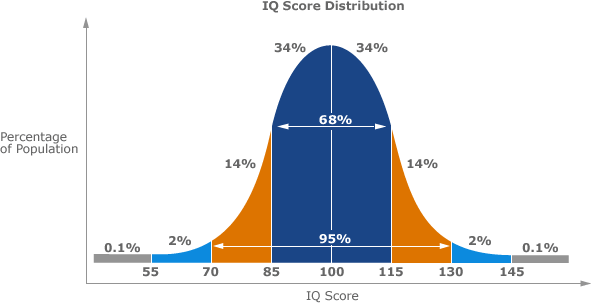
The average IQ of American blacks is 85, with a standard deviation of 15. (you will have to shift the curve one standard deviation to the left) An IQ score of 115 is 2 standard deviations above the African American IQ mean. A brief glance at the diagram above (shifted 1 STDV leftward) reveals that over 96% of American blacks would find themselves below the 115 IQ level, leaving only about 4% qualified to meet the challenge.


A look at recent ACT scores of US high school graduates suggests that only 23% of all US HS graduates are qualified to succeed in college with at least a "C" average. The study included graduates of all races and ethnicities, including high scoring East Asians and Jews of European ancestry.If one looks at the SubSaharan African population, with an average population IQ of roughly 70, it is clear that the proportion qualified to succeed in college would be less than 1%. Closer to 0.1%. Consider that, when you foresee the longterm future of SubSaharan Africa without assistance from China, Europe, or the Anglosphere.

IQ is less important overall than Executive Function (EF), for life success. But both qualities are highly heritable, and the most potent training window for EF has passed by the age of 7. The best training windows for other cognitive traits that affect one's IQ score have not been precisely determined. In other words, if the best educational systems in the world neglect the training of their young, what expectations can you have for African schools?

Many communities of American blacks have become pockets of the third world, with all the crime, corruption, and inherent dysfunctionality that is included. Not only are heritable IQs and EFs lower than in surrounding communities, educational systems and societal role models and institutions are also deficient -- so that training cannot make up for whatever inherited deficiencies are present. A large proportion of students will never graduate HS, and of those who do, a very low percentage will go to college. If society decides to promote these HS graduates to schools above their level of preparation and innate talent, failure is virtually guaranteed.

A multicultural society containing population groups of varying talent and functionality, will always suffer from civil dissatisfaction and disorder. How the society reacts to the inherent inequality and resulting dissatisfaction depends upon the society's own level of wisdom and maturity. Preferential treatment and promotion beyond qualification is one of the least wise and mature approaches.

Addendum: Can the average IQ of Subsaharan Africans really be as low as 70?
Critics of the finding that the average African IQ is 70 say that it simply must be wrong. They insist that biased testing procedures must have been used, even though dozens of separate studies have corroborated the results from East, West, Central, and Southern Africa. For Example, one 1992 study carried out for the World Bank reported that a random sample of 1,639 adolescents in the West African country of Ghana had an average IQ of 60.

In 1998, I went to Johannesburg, South Africa, to initiate a 5-year series of IQ studies in the university system to determine whether such a low IQ was accurate. I, too, wondered how well all the previous data had been collected, if sufficient care were taken in giving instructions, ensuring motivation, having a quiet room for testing, or giving enough time to complete the tests.

First, I contacted psychologists in the Faculty of Education at the University of the Witwatersrand (all anti-apartheid liberals) and together we tested hundreds of students of African, East Indian, White, and East Asian backgrounds, along with those of mixed ancestry, under optimal testing procedures, using culture reduced tests. We used a large, quiet, well-lit, well-ventilated examination room with desks spaced far enough apart to prevent copying or feeling crowded. As I walked up and down the aisles watching the students diligently at work, it was plain to see they were well-motivated.

We used the Raven’s Matrices, one of the best known, well researched, and most widely used of all the culture-reduced tests. Consisting of 60 diagrammatic puzzles, each with a missing part that the test taker attempts to identify from several choices, it is an excellent measure of the non-verbal component of general intelligence. Typically, the test is so easy for university students that they do it in less than 20 minutes. We set no time limit for the test. All those being tested were allowed to complete it.

We found African university students averaged an IQ of 84. In some studies, by other researchers, they have scored lower (IQ = 77). In still others of our studies, highly-selected engineering students who took math and science courses in high school scored higher (IQ = 103).

Assuming that, like university students elsewhere, the African university students on average score 15 points above the general population, the African general population average of about 70 would appear to be corroborated. _VDare

Labels: ,

Bookmark and Share
Older Posts
Al Fin Main Page
Enter your Email


Powered by FeedBlitz
Google
WWW AL FIN

Powered by
Blogger

``