13 December 2012

Out of All Geniuses, Why Are So Few Female?

The lifelong effects of early exposure to sex hormones are characterized as organizational, because they appear to alter brain function permanently during a critical period. Administering the same hormones at later stages has no such effect. The hormonal effects are not limited to sexual or reproductive behaviors: they appear to extend to all known behaviors in which males and females differ. They seem to govern problem solving, aggression and the tendency to engage in rough-and tumble play-the boisterous body contact that young males of some mammalian species display. __Sex Differences In the Brain

What is genius? It is an extraordinary level of skill and accomplishment which goes far beyond the commonplace. Genius refers to the ability to push human accomplishment beyond its present limits.

In an exhaustive historical study of human genius across a range of human endeavour from science to art: Human Accomplishment: The Pursuit of Excellence in the Arts and Sciences, 800 BC to 1950, very few female geniuses made the lists.
Murray ranks the leading 4,000 innovators in several fields of human accomplishment from 800 BC to 1950. In each field Murray identifies a number of sources (leading encyclopedias, histories and surveys) providing information about the leading figures in the field. The rankings are made from information in these sources. A raw score is determined based on how many sources mention and on how much space in each source is devoted to a person. Then these raw scores are normalized so that the lowest score is 1 and the highest score is 100. The resulting scores are called "Index Scores".
Women invariably come up short.
A Small Gender Curve Shift With Large Consequences for Genius

More

The same relative shortage of female genius is discovered in lists of science Nobel Prize winners, in lists of top mathematical prize winners, and in most any other objective and meritocratic measure of accomplishment where men and women are free to compete for the prize.

This gender disparity -- although real and enduring -- is far from politically correct. In the PC skankstream, the lack of parity cannot be allowed to stand unchallenged. A recent challenge to the reality of the gender imbalance in genius, comes from Scientific American -- once a science journal, but now largely a political organ of the skankstream:
For most of history women in the Western world were denied opportunities to seek higher education and develop their talents.

The dearth of women at the top of their fields is now often the result of compromises made for the sake of family, rather than differences in ability.

Women who seek eminence face difficult choices regarding when to invest in their careers versus their personal lives. More cultural and institutional support for women could dispel the lingering gender disparities. _SciAm
A brief summary is available at the link, but most of the article is hidden behind a paywall.

While women have already surpassed men in overall achievement of college and graduate level degrees, something keeps them from matching men in proportionate numbers at the top levels in the fields which are very difficult to master.

Journolistic and pseudo-scientific skanks attempting to explain this female shortfall have a limitless bucket of excuses from which to draw. And they are never short of grand plans and schemes for "correcting" this disparity. But when the ultimate explanation for the shortage of female genius and grand female accomplishment is finally seen to rest at the biological level, the PC skankstream will have to take a different approach -- if it is to be taken seriously.

The biological explanation fits the data best of all -- although it is the least politically correct.

There is now a growing literature to suggest that, in addition to similarities between male and female brains, there are marked sex dimorphisms in brain morphology, neurochemistry, hard-wiring, and functional outcomes (De Vries and Boyle, 1998; Simerly, 2005; Cahill, 2006; Cosgrove et al., 2007). Moreover, increasing evidence suggests that estrogen can have different (sometimes opposite) effects as well as similar effects in male and female subjects, probably because of underlying brain dimorphisms that occur in some brain processes but not others.

... substantial evidence in humans and experimental animals documents sex differences in specific cognitive and behavioral tasks (De Vries, 2004; Cahill, 2006; Cosgrove et al., 2007). Whether males or females have the advantage depends on the task. For example, men generally outperform women on visuospatial tasks, quantitative tasks, and targeted motor skills, whereas women excel in verbal skill tasks, perceptual tasks, and fine motor skills... _Estrogen in the Brain (& Sexual Dimorphism)
A large and growing body of scientific evidence describes significant statistical differences in the brain structure and function of males vs females. This "sexual dimorphism" of brain strucutre & function begins very early in development, and continues throughout childhood, receives a big boost in puberty, and generally carries on through adulthood and to the end of life.

It is no surprise that such significant statistical brain differences would result in significant statistical differences in behaviour and accomplishment. It is politically inconvenient to a radically feminised establishment inside government, academia, media, and popular culture, yes. But no surprise.

We will have to watch and see how many more tens (and now hundreds) of billions of dollars are wasted on the futile attempt to overcome the built in biological differences between the brains of men and women.

Meanwhile, boys of potential genius are being neglected by tax-supported institutions, because their potential does not fit the narrative.

If you have boy children and girl children, be sure to give each of them full opportunity to choose their own course in life -- without regard to political correctness. And be sure to make them as dangerous as they wish to be.

It is never too late to have a dangerous childhood.

Labels: ,

Bookmark and Share

26 November 2012

What is a Person Worth?

Evolutionary psychologist Satoshi Kanazawa wants to make it clear that a person's worth cannot be defined by his intelligence:
In my book, The Intelligence Paradox, I attempt to break the equation of intelligence with human worth, by pointing out that intelligence (and intelligent people) may not be what you think. While more intelligent people can do many things better and more efficiently than less intelligent people, there are many things that they cannot, and intelligent people tend to fail at the most important things in life from a purely biological perspective. The list of what intelligent people are not good at may surprise you. Intelligent people are only good at doing things that are relatively new in the course of human evolution. They are not necessarily good at doing things that our ancestors have always done, like finding and keeping a mate, being a parent, and making friends. Intelligent people tend not to be good at doing things that are most important in life.

There is no question that intelligence is a positive trait, but then so are beauty, height, and health. Yet we don’t equate beauty, height, and health with human worth (although we do a little bit when it comes to beauty, by maintaining that people who are not physically attractive nonetheless have “inner beauty.” “Inner beauty” is to physical attractiveness what “multiple intelligences” are to intelligence.) We don’t necessarily think that beautiful, tall, or healthy people are better, more worthy humans than ugly, short, or unhealthy people. Nor do we claim that everyone is equally beautiful, equally tall, or equally healthy. But we seem to believe that more intelligent people are more worthy human beings. Or, conversely, because all humans ought to be equally worthy, they must all be equally intelligent. _Satoshi Kanazawa_via_HBDChick
Well, okay. Let's start with a more basic question, then. What is the worth of a human body?

The U.S. Bureau of Chemistry and Soils invested many a hard-earned tax dollar in calculating the chemical and mineral composition of the human body, which breaks down as follows:
  • 65% Oxygen
  • 18% Carbon
  • 10% Hydrogen
  • 3% Nitrogen
  • 1.5% Calcium
  • 1% Phosphorous
  • 0.35% Potassium
  • 0.25% Sulfur
  • 0.15% Sodium
  • 0.15% Chlorine
  • 0.05% Magnesium
  • 0.0004% Iron
  • 0.00004% Iodine
  • Additionally, it was discovered that our bodies contain trace quantities of fluorine, silicon, manganese, zinc, copper, aluminum, and arsenic. Together, all of the above amounts to less than one dollar!
    Our most valuable asset is our skin, which the Japanese invested their time and money in measuring. The method the Imperial State Institute for Nutrition at Tokyo developed for measuring the amount of a person's skin is to take a naked person, and to apply a strong, thin paper to every surface of his body. After the paper dries, they carefully remove it, cut it into small pieces, and painstakingly total the person's measurements. Cut and dried, the average person is the proud owner of fourteen to eighteen square feet of skin, with the variables in this figure being height, weight, and breast size. Basing the skin's value on the selling price of cowhide, which is approximately $.25 per square foot, the value of an average person's skin is about $3.50.


    _CoolQuiz
    (Let's neglect, for the time being, the sentimental value of a dead person's skin to his loved ones, after it has been processed by a very skilled taxidermist.)

    So we're talking about roughly $4.50, including the skin's leather value.

    But that would be the low ball estimate, and most people would not be satisfied with that. Even a well wasted crack whore can bring in more than that with just a few minutes' work.

    Several approaches to estimating the value of a human life have been taken by legal systems (PDF) for tort purposes, by insurance companies, by government agencies such as the US EPA, and by a number of other institutions and organisations.

    But let's take a step back and look at the question in more general and abstract terms:
    Most people would say that human life is a precious thing, and that taking it away from someone by force is a bad thing. Most would also say that an (non-human) animal's life is less valuable, and most (if they are pushed to consider it) would say that the value of a life is based on the intelligence of that creature. Intelligent creatures (like a dog, chimp or dolphin) are more valuable unintelligent creatures (like flies, cockroaches or earth-worms).

    This is gives us a clue about the the nature of humanity which makes it valuable - a human's intelligence, but it also raises uncomfortable questions. Are the lives of more intelligent humans worth more than non-intelligent humans? Is the life of a severely brain damaged human with apparently less intelligence than an ape less valuable than that ape?

    In fact it has more to do with empathy than with intelligence. People empathize with other people, they empathize with dogs (because they make good pets), with dolphins (because they always seem to be smiling), and with apes (because they are physically so much like us), but generally do not empathize highly with insects or worms. _Bovination
    This is getting closer to the truth, of course. Humans evaluate the worth of a particular human in much the same way that a collector might evaluate the worth of a stamp, a coin, or a work of art. There is a great deal of sentiment involved, both overt and covert.

    In general, we value particular humans for the amusement, pleasure, profit, entertainment value, service, or satisfaction that they contribute to our lives. The person's intelligence, cleverness, competence, attractiveness, health, executive function, level of respect in the community, loyalty, income, devotion, resilience, emotional depth, net financial worth, fitness, resourcefulness, fame, creativity, humour, and "connectedness" would all play a strong part in our valuation.

    Such a valuation is quite subjective. Someone closely related or connected to us would be valued more highly than a stranger. The closer the connection or relationship, the higher the value.

    So Kanazawa is correct to say that intelligence is not the measure of ultimate human worth. But then, no one ever really believed that it was.

    On the other hand, intelligence and the ability to be cognitively present in space and time at a high level of functioning, is generally valued highly in most persons, and for good reason. Intelligence is also coming to be valued more highly in populations, likewise for good reason.

    The difference in wealth and quality of life of the average Singaporean and the average Jamaican, would have much to do with the average intelligence level of the respective populations.

    In this case, Kanazawa is treating the concept of "intelligence" as something of a straw man -- which he really shouldn't do, given what he does for a living. But everybody wants to be liked by his peers. And for an honest and intelligent academic of integrity, that can be very difficult to achieve in these modern times.

    It would be impossible to achieve a consensus answer to the title question, "What is a person worth?" But every now and then it is a concept that should be examined honestly, outside of actuarial offices, bureaucracies, and courts of law.

    Labels: , ,

    Bookmark and Share

    19 August 2012

    Bigger and Smarter Brains: What Makes the Difference?

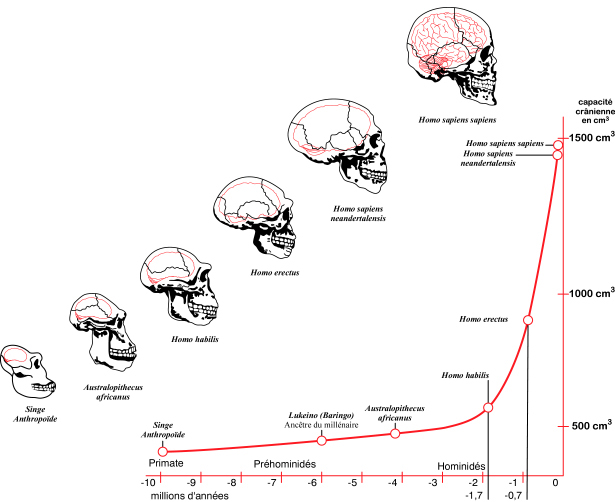
    If you look at brain size across the evolutionary tree, it seems clear that larger brained creatures demonstrate greater intelligence, for the most part, when corrected for body size. What is the evolutionary driving force behind increasing brain size?

    Researchers found that protein domain called DUF1220 may explain why humans have bigger brains. Humans have more than 270 copies of DUF1220 in their genome whereas chimpanzees have 125, gorillas have 99 and mice have just one. The number of copies of DUF1220 shows how close an animal may be to humans.

    "This research indicates that what drove the evolutionary expansion of the human brain may well be a specific unit within a protein – called a protein domain -- that is far more numerous in humans than other species," said Sikela. _Medical Daily
    Article abstract
    Wikipedia article on "Protein Domain"
    Something has been driving the evolutionary increase in the size and sophistication of the brain. DUF1220 repeats may well be a part of the story, but are not likely to be the entire explanation.

    Besides an increase in overall brain size, the relative size of particular brain components have changed. The frontal lobe size in homo sapiens, for example, is thought to be significantly larger than the frontal lobes in homo neanderthals, while the temporal and occipital lobes were larger in the Neanderthal. So although overall brain size was comparable between the two species of homo, actual brain function would likely have been quite different.
    Data from Beals, et al, Oregon State University

    Even in the modern extended breeding families (races) of homo sapiens sapiens, we find statistical differences in group brain sizes.
    The definitive study of race differences in brain size was carried out on approximately 20,000 crania by Professor Kenneth Beals and his colleagues at Oregon State University. Their results for endocranial volume, measured in cubic centimeters for the major races were as follows: North East Asians (Chinese, Japanese and Koreans): 1,416 cm; Europeans: 1,369cm; Native American Indians: 1,366cm; Southeast Asians: 1,332cm; Pacific Islanders: 1,317cm; South Asians: 1,293cm; Sub-Saharan Africans: 1,282cm; Bushmen: 1,270cm; Australian Aborigines: 1,225cm. These brain size differences correspond with intelligence differences derived from IQ tests given by Prof. Richard Lynn, who finds IQs of 105 for North East Asians,100 for Europeans, and so on downwards to 62 for Australian Aborigines and 54 for the Bushmen of the Kalahari desert. _China Daily Forum

    Kenneth Beals PDF Download paper

    We find that the gross statistical differences in average brain size appear to correlate with the statistical differences in average IQ.

    This would not necessarily be the case, given that changes in the organisation of the brain structures and connections themselves could lead to more efficient brain function. The same is true for changes in molecular and genetic efficiency within brain cells -- a smaller brain does not necessarily mean a less functional brain.

    At this time it is best to consider these correlations to be curiosities, rather than reflecting any deeper meaning.

    But at least we are slowly stumbling upon some of the answers to our questions. As long as we do not allow our science to be perverted by a misplaced sense of political correctness, we should eventually obtain a fairly clear picture of how larger and more intelligent brains evolved.

    Labels: , , ,

    Bookmark and Share

    16 May 2012

    Using Brain Imaging to Replace IQ Tests and SATs

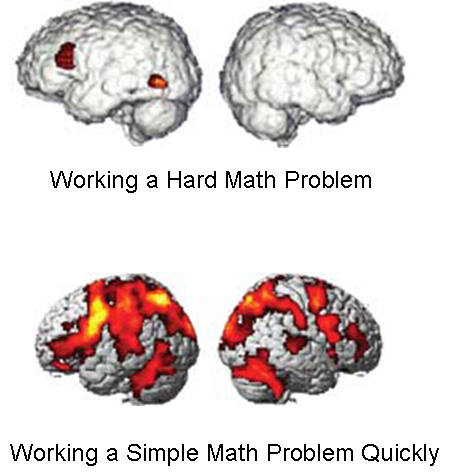
    In 1988, Haier and his colleagues scanned volunteers while they attempted to solve problems from the Raven's Advanced Progressive Matrices, a nonverbal intelligence test. The scientists wanted to know which parts of the brain were active as the participants solved the problems. What they discovered was that there was an inverse relationship between brain activation and scores on the intelligence test.

    In other words, smarter people had brains that could be more efficient.

    Since that landmark study, the field of Neuro-Intelligence has started to take off. From 1988 to 2007, 37 imaging studies of intelligence and reasoning were published. From a 2007 synthesis of the literature, Rex Jung of the University of New Mexico and Haier concluded that intelligence was distributed across the brain and not focused in one part of the frontal lobe.

    ...Now Haier and his colleagues are collecting data to compare the brains of bright (IQs around 130 and higher) and average participants (IQs in the low 100's). They plan to use an imaging technique that will allow imaging of the problem solving experience to be recorded millisecond by millisecond.

    According to Haier, "We will be able to see what parts of the brain are activated when people are solving problems. We can see the part of the brain that begins to work on the problem and where that information goes in the brain over the course of problem solving until there is an answer." _PsychologyToday
    There are a number of types of brain imaging that one could use to measure brain function power or efficiency.

    In this study, Richard Haier looks at imaged cortical thickness, and finds a high correlation with "g."

    In this video, Professor Haier looks at a dynamic magneto-encephalogram (MEG) of a brain performing a basic cognitive function. The MEG provides incredible time resolution imaging, allowing a more comprehensive correlation of neural functioning with conscious and subconscious cognitive activity.

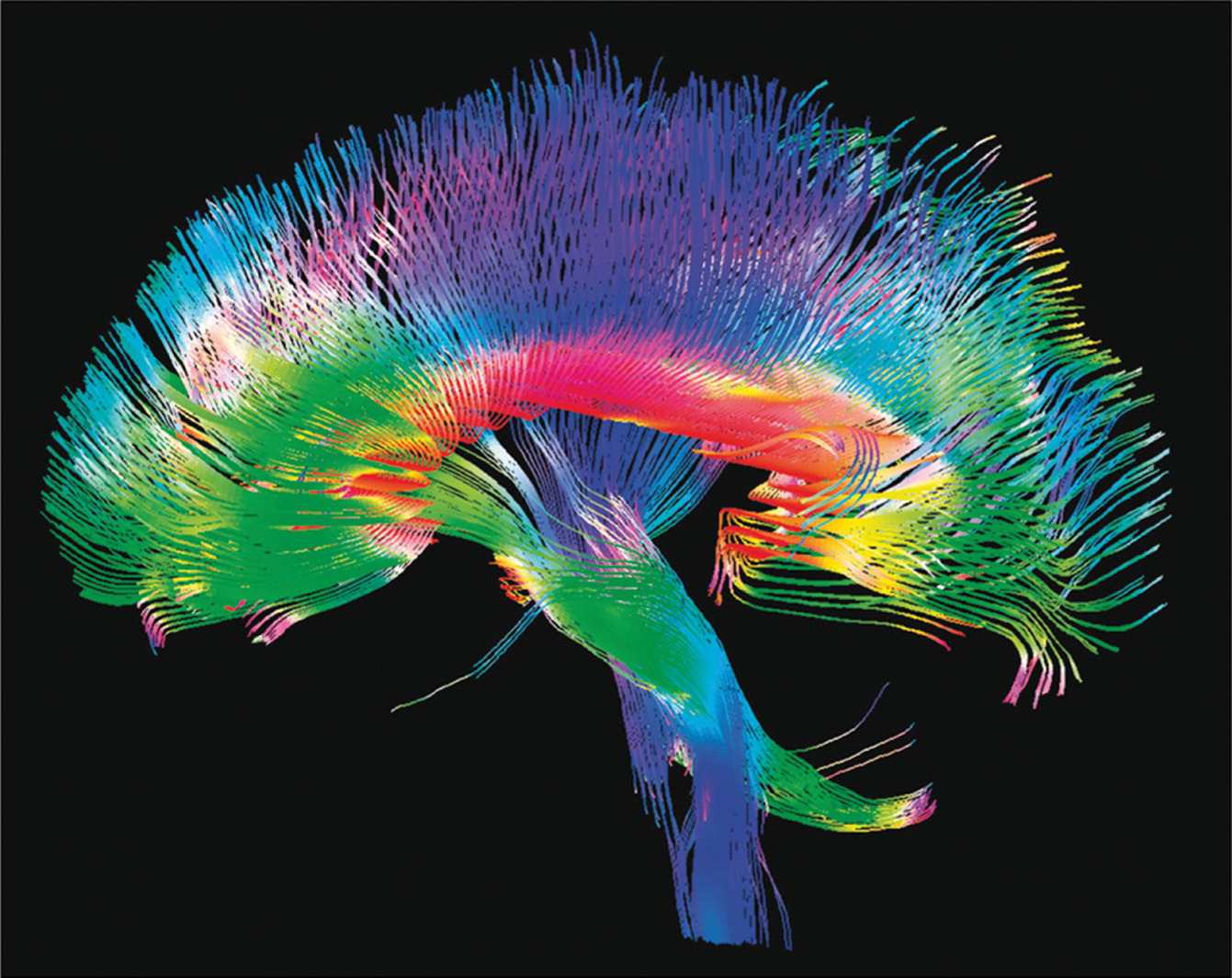
    Here, UCLA researchers used diffusion tensor imaging of the brain to study white matter function, and found high correlations between white matter integrity and standard IQ test scores.

    Other types of dynamic imaging might include PET (positronic emission tomography), EEG, and more. There is typically a tradeoff between temporal (time) resolution and spatial resolution with various scanning methods, but clever ways of combining and correlating different types of scans should help to get around those limitations.

    In addition to visualizing simple brain activation, cortical thickness, white matter integrity, etc., advanced imaging will also allow researchers to observe genetic variation in brain activity as it occurs. We are still in the early stages of such dynamic genetic probing, but these tools should help us avoid having to sacrifice human subjects in order to observe changes in brain structure and genetic activity post-mortem. ;-) Heh. Just kidding.

    Labels: ,

    Bookmark and Share

    25 February 2012

    A Brain of One's Own

    Every human brain is unique, with its own strengths and weaknesses. IQ, executive function, and other critical components of cognition and behaviour are genetically determined, in large part, but understanding the way in which genes determine behaviour and cognition is a complex challenge.
    Genes help determine the nature of the brain's connectome, above, and the speed at which nerve transmissions can move along the connectome, between brain centres. Genes also influence brain plasticity via new stem cell production controlling the ability to form new memories.

    Genes influence the ability to transfer attention to the more salient aspects of one's environment. This ability has always been a crucial survival trait.

    Genes influence both the soundness of a person's feelings and intuition, and the trust that a person has in his own feelings. The sounder the intuition, the better able one is to predict future events and trends. Such prediction has always been a crucial survival trait.
    Centre for Motivation? SD

    An individual's strength and soundness of motivation helps to determine his ultimate destiny in life -- regardless of the underlying cultural substrate. Scientists are beginning to better understand the brain mechanisms of motivation.
    Using images obtained from the MRI scans taken during the test, Mathias Pessiglione and his team identified a general motivational system in the depths of the brain, i.e. a structure capable of activating any effort type, both mental (concentrating on the task in hand) or physical (lifting a load). The researchers observed that the ventral striatum was activated in proportion to the amount of money involved: the higher the degree of motivation, the higher the activation level. Furthermore, the ventral striatum is connected to the median part of the striatum (the caudate nucleus) when the task to be performed is cognitively difficult (when the physical size and the numerical value of the numbers did not correspond). This ventral region solicits the lateral part of the striatum (the putamen) when the difficulty is motor-related (when the handle had to be squeezed very tightly).
    The researchers suggest that the expectation of a reward is encoded in the ventral striatum, which can then drive either the motor or cognitive part of the striatum, depending on the task, in order to boost performance. _SD
    More at PLoS Biology

    Understanding the brain requires a certain level of comprehension of mechanisms operating at multiple levels simultaneously, from the molecular to the behavioural. It also requires an apprehension of circular causality, without which the brain could not function.

    Each of us has a unique brain. The uniqueness of our brains is guaranteed by uniquely complex genetic sequences and mechanisms, but also by the unique environments within which these genetic mechanisms have played out.

    We have barely begun to learn how our brains create us and our world. It is a great challenge, made all the greater by the incalculable variety that we comprise.

    Labels: , , ,

    Bookmark and Share

    17 January 2012

    A World With a Human Population Average IQ of 200 Points?

    For simplicity, imagine that instead of our current mean IQ score of 100, humans had an average score of 200. (Experts say this isn't a true "doubling" of intelligence because the IQ scale doesn't start at zero — and furthermore, the test isn't actually designed to yield a score as high as 200 — but we will set aside these qualifications for the purpose of argument.)...there's a very good chance that higher-functioning brains would help us invent technologies to fix some of our bigger problems. Haier explained that just as a team of 100 engineers is more likely to come up with a remarkable innovation than a team of 10 engineers (because there's more total brainpower working on the job), having 7 billion "geniuses" on Earth would likely lead to solutions to some currently intractable issues. _Twice as Intelligent
    Image Source

    Considering the reality of modern demographic change, indulging in the fantasy of a world of smarter people seems dangerously close to escapism. But if we can picture enough important benefits of having a smarter population, perhaps we can motivate ourselves enough to make it happen?
    "When the brain mechanisms that underlie intelligence are understood, it is theoretically possible that those mechanisms can be tweaked to increase IQ," said Richard Haier, a neuroscientist and professor emeritus at the University of California at Irvine who studies intelligence. For the first time in human history, he said, "the concept that intelligence can be increased is reasonable."

    ...Haier believes greater intelligence, which he defines as the ability to learn faster and remember more, would be highly advantageous on an individual scale.
    "Experiencing the world with a higher IQ might be more interesting for most people. They might enjoy reading more, might have a greater depth of appreciation for certain things and more insight into life," he told Life's Little Mysteries.

    Furthermore, IQs of 200 would allow us to pursue activities and careers that most interest us, not just those we're mentally capable of, Haier said. We could master new languages in a few weeks, for example, or become brain surgeons.

    Smarter humans would also be healthier and longer-living, the scientists said, because they'd have a better grasp of what behavior leads to these attributes.

    ...Even when scientists finally do discover the mechanism for ramping up intelligence, it is highly improbable that everyone would be given an immediate IQ boost. The "haves" would surely benefit from the neuroscience research more than the "have-nots," and this invites a further line of inquiry. As Hunt put it, "Suppose that in some future society, part of the population, say 10 percent, became hugely intelligent, while the rest stayed where we are now or even dropped behind a bit. What would that do to society?" _Twice as Intelligent
    That is the most likely future, assuming that genuine intelligence boosting technology is perfected. Once highly intelligent people -- assuming they are emotionally balanced -- learn to cooperate in solving problems, most of them are not likely to want to baby-sit the Idiocracy. It could turn into quite a problem, but not an insoluble one.

    Brain Imaging and IQ Video with Richard Haier, UC Irvine A nice overview.

    Haier and Jung's Parieto-Frontal Integration Theory of Intelligence PDF

    Haier and Jung et al Neuroanatomy of Creativity Abstract

    Labels: , ,

    Bookmark and Share

    31 May 2011

    Evolving Technium Landscapes of Mind

    Just because we are conscious does not mean we have the smarts to make consciousness ourselves. Whether (or when) AI is possible will ultimately depend on whether we are smart enough to make something smarter than ourselves. We assume that ants have not achieved this level. We also assume that as smart as chimpanzees are, chimps are not smart enough to make a mind smarter than a chimp, and so have not reached this threshold either. While some people assume humans can create a mind smarter than a human mind, humans may be at a level of intelligence that is below that threshold also. We simply don't know where the threshold of bootstrapping intelligence is, nor where we are on this metric. _KevinKelly
    Technium

    Kevin Kelly has created a "Taxonomy of Minds" as a way of classifying different types of minds and what they might be able to do.
    Precisely how a mind can be superior to our minds is very difficult to imagine. One way that would help us to imagine what greater intelligences would be like is to begin to create a taxonomy of the variety of minds. This matrix of minds would include animal minds, and machine minds, and possible minds, particularly transhuman minds, like the ones that science fiction writers have come up with.

    Imagine we land on a alien planet. How would we describe or measure the level of the intelligences we encounter there -- assuming they are greater than ours? What are the thresholds of superior intelligence? What are the categories of intelligence in animals on earth? _Read the rest...TaxonomyofMinds
    Technium

    The actual development of superior minds is more likely to occur via evolutionary mechanisms, rather than from straightforward design from principle. The adaptive landscape graphic above provides a small portion of an evolutionary adaptive landscape. Creatures that achieve the higher peaks may be capable of achieving greater feats, but also may be more subject to extinction when the environment shifts -- or when the adaptive landscape is enlarged by merging with a previously separate adaptive landscape (building a bridge between islands, tunneling through a mountain chain, digging a canal through an isthmus, or the emergence of an intergalactic wormhole).

    Rather than waiting until our minds become capable of creating other minds, it is more likely that humans will create an evolutionary landscape from which a more intelligent mind than human minds might emerge.
    Recently, in conversations with George Dyson, I realized there is a fifth type of elementary mind:

    5) A mind incapable of designing a greater mind, but capable of creating a platform upon which greater mind emerges.

    This type of mind cannot figure out how to birth an intelligence equal to itself, but it does figure out how to set up conditions of evolution so that a new mind emerges from the forces pushing it. _Technium
    This is the approach to AI which Al Fin cognitive scientists have been promoting and utilising. It would be fooling one's self to imagine that it will be easy to evolve a smarter mind. But at least it is not impossible, as most conventional approaches to AI are proving themselves to be. (conventional AI researchers are attempting quantitative solutions where qualitative solutions apply)

    There is something quite amusing here: The human mind itself can flit among the taxonomy of minds, at any given time. Because of how the human brain evolved, and the paths we have taken in development, each one of us is multitudes. Without a doubt, we all need better training in using our minds.

    More: An interesting set of links to sources which expect or assume the imminent creation of a super-human machine intelligence (and a consequent "singularity") and a few sources which are critical of such a "hard take-off" to singularity superintelligence

    Al Fin is among the skeptics of the "techno-singularity" concept. Rather, Al Fin expects any near-term singularity to be of the "bio-singularity" variety.

    Labels: ,

    Bookmark and Share

    16 May 2011

    Human Intelligence Comes from the Genes

    LAMC3 Gene and Effect on Brain Convolutions

    The difference between the brain on the left above and the brain on the right, comes from a single gene -- LAMC3 -- which influences the formation of convolutions in the cerebral cortex. Brain convolutions allow for much greater volume of cerebral cortex, which is associated with the higher intelligence seen in apes, cetaceans, and humans (one of the apes). An alteration of the nucleic acid sequence in the LAMC3 gene in humans can apparently lead to the loss of convolutions in the cortex in affected individuals, as seen in the image above.
    The folding of the brain is seen only in mammals with larger brains, such as dolphins and apes, and is most pronounced in humans. These fissures expand the surface area of the cerebral cortex and allow for complex thought and reasoning without taking up more space in the skull. Such foldings aren't seen in mammals such as rodents or other animals. Despite the importance of these foldings, no one has been able to explain how the brain manages to create them. The LAMC3 gene – involved in cell adhesion that plays a key role in embryonic development – may be crucial to the process.

    An analysis of the gene shows that it is expressed during the embryonic period that is vital to the formation of dendrites, which form synapses or connections between brain cells. "Although the same gene is present in lower organisms with smooth brains such as mice, somehow over time, it has evolved to gain novel functions that are fundamental for human occipital cortex formation and its mutation leads to the loss of surface convolutions, a hallmark of the human brain," Gunel said. _Medicalxpress

    Thousands of genes take part in the intricate developmental dance of forming the central nervous system in all its complexity. But specific genes play more dominant roles in differentiating human brains from brains of "lower" animals.

    Genes control the size of particular systems and components of the brain which are instrumental in providing for more rapid mental processing and more complex processing. Some brains can hold more ideas in the mind simultaneously, while performing transformative operations on those ideas. "Human calculators" capable of computing solutions to complex arithmetical and mathematical problems in their heads, are one obvious example. But the mental machinations of scientific theorists, elite diagnosticians, and top level novelists, illustrate the same type of differentiation of mental ability -- largely originating at the genetic level.

    James Watson -- one of the discoverers of the modern genetic theory of DNA inheritance -- received almost universal condemnation for expressing a few elementary facts of human genetic biodiversity. Here is some background information concerning that shameful episode of modern human culture and its prejudices:

    GNXP: James Watson tells the Inconvenient Truth

    Slate: Created Equal [AF Note: After being threatened with a similar fate as that of Watson, the much beaten-down Saletan (author of the slate piece above) published a "mea culpa" and submitted to the PC inquisition]

    Useful PDF article from Robert Plomin discussing Genes and Intelligence

    It is critical to understand how many genes are involved in weaving the fabric of higher intelligence. It is not a question of finding THE GENE for intelligence. Rather it is a question of understanding how all the many genes which create the potential for intelligence, work together.

    And it is important to become a bit more sophisticated about how a crucial variability in gene expression can occur -- even when conventional genetic analyses fail to distinguish between two genomes.

    Humans are not all the same. In fact, no two humans are exactly the same -- even identical twins. This is true for reasons of gene expression, in all its many levels of complexity -- both known and unknown. These differences can also originate from differences in experience and culture, as in when identical twins are separated at birth and raised in entirely different environments. But even then, the powerful impact of genes on the life outcome of the separated twins is all to obvious.
    IQ is not everything. Executive Function (EF) is also crucial to life success. But EF is perhaps even more heritable than IQ. That is why it is so crucial to take advantage of a child's critical developmental windows for boosting the components of competent thinking, acting, and planning when one can. After that time period passes, it is mostly too late for those at the greatest genetic disadvantage.

    Labels: , ,

    Bookmark and Share

    14 March 2011

    Better Genes, Better Brains

    Better brains tend to run in families. The crucial brain determinants of life success -- IQ and Executive funtion -- are between 60% and 80% heritable. Exciting new tools for studying the genomics of the brain, such as the Allen Human Brain Map (read more here), are being used in conjunction with imaging tools such as diffusion tensor imaging, to study the individual nature of how human brains manifest underlying genomes.

    A recent study from Australia looks at how genetics influences the efficiency of how human brains are wired -- and how well they work.
    “Some brains are wired better than others, and 60% of the differences can be explained by genetic factors,” said lead author Alex Fornito from the Melbourne Neuropsychiatry Centre at the University of Melbourne. “The novelty is that we now have new methods to identify different aspects of brain network organisation. Previously it was very difficult to try and map these connections.”

    ...“We found some of the strongest effects in the prefrontal cortex, where up to 80% of the differences between people were attributable to genes. The prefrontal cortex plays a vital role in planning, strategic thinking, decision-making and memory.”

    Previous work has shown that people with more efficient brain connections score higher on tests of intelligence, and that brain network cost-efficiency is reduced in people with schizophrenia, particularly in the prefrontal cortex. _Cosmos

    Finding the links between genes and intelligence, or between genes and impulse control, requires extensive research and great deal of time. At the US NIMH, the Functional Neurogenomics Program is dedicated to teasing out the numerous connections between the genome and all aspects of brain function. Likewise, in research centers around the world, scientists are hard at work discovering how differences in our genes create differences in our brains, which create differences in the worlds which each of us experiences.

    This is not merely an academic problem. The endeavour holds keys to unlocking many of the most vexing problems of human societies worldwide.

    Labels: , , ,

    Bookmark and Share

    20 September 2010

    Genes and IQ: The Connection is Real, But Complex

    Robert Plomin, at King's College London, is reporting on a study of 4,000 British children which suggests that over 200 genes are responsible for superior reasoning ability and IQ. More:

    SCIENTISTS have identified more than 200 genes potentially associated with academic performance in schoolchildren.
    Those schoolchildren possessing the "right" combinations achieved significantly better results in numeracy, literacy and science.
    The finding emerged from a study of more than 4000 British children to pinpoint the genes and genetic combinations that influence reasoning skills and general intelligence.
    One of its main conclusions is that intelligence is controlled by a network of thousands of genes with each making just a small contribution to overall intelligence, rather than the handful of powerful genes that scientists once predicted.
    The researchers believe their work could eventually lead to genetic tests to predict babies' academic potential.

    "This kind of research could help us develop genetic tests to predict which kids are at risk of developing problems with their schooling, so that we could intervene to help them," said Robert Plomin, professor of behavioural genetics at the Institute of Psychiatry at King's College London, who will describe his work today at a meeting of the Royal Society.
    _Australian
    Scientists have known for years how important gene patterns are to the development of the brain. Specific gene variants can have a crucial effect on the wiring of the brain, and on the speed and efficiency of brain functioning. Individual genes have been identified, which are felt to have an influence on human intelligence, but it is the larger pattern of gene combinations which must be studied and understood.

    Human intelligence and cognition are too complex to rely on any one gene. But the computational methods to make sense out of the massive interplay of the hundreds of genes which may affect intelligence have not always been available, or trustworthy.

    But slowly, as scientists learn to study the interactions of hundreds of genes, the relationship between human intelligence and gene variants can become more clear. It is an important area of study. Only by thoroughly understanding how our genes make us what we are -- in partnership with our environment -- can we find the best ways to grow into the sort of humans who can boldly step into the hazardous future, and go where things are really scary. But in a good way.

    Labels: , ,

    Bookmark and Share

    19 September 2010

    Emory's Smart New Mice are Cognitive Knockouts

    The hippocampus plays a key role in our ability to remember what happens to us, and in navigating our way through the world around us. There is a great deal about the hippocampus which remains unknown. Consider the hippocampal area CA2, pictured above. Recent research from the medical school at Emory University has found that in mice, knocking out a gene (RGS14) radically changes the activity of hippocampal CA2 -- leading to mice with markedly enhanced spatial learning and object recognition abilities, when compared with their littermate controls.

    Here is more:
    Mice with a disabled RGS14 gene are able to remember objects they'd explored and learn to navigate mazes better than regular mice, suggesting that RGS14's presence limits some forms of learning and memory.
    The results were published online in the Early Edition of the Proceedings of the National Academy of Sciences.
    Since RGS14 appears to hold mice back mentally, John Hepler, PhD, professor of pharmacology at Emory University School of Medicine, says he and his colleagues have been jokingly calling it the "Homer Simpson gene."
    RGS14 is primarily turned on in one particular part -- called CA2 -- of the hippocampus, a region of the brain known for decades to be involved in consolidating new learning and forming new memories. However, the CA2 region lies off the beaten path scientifically and it's not clear what its functions are, Hepler says.
    RGS14, which is also found in humans, was identified more than a decade ago. Hepler and his colleagues have previously shown that the RGS14 protein can regulate several molecules involved in processing different types of signals in the brain that are known to be important for learning and memory. They believe RGS14 is a key control protein for these signals. _SD

    Although the researchers have not identified any problems in the RGS14 knockout mice in terms of development or behaviour, it is too early to know whether such a simple gene knockout procedure in humans would be safe or effective -- for purposes of cognitive enhancement.

    The finding is intriguing in the sense that the deletion of a single gene can have such a profound effect on the cognitive prospects of a mouse. A mutation in the right place could have the same result, in terms of improved learning. How many similar transformational surprises are waiting in the human genome?

    We should not expect that any environmental intervention could come close to achieving a similar transformation of these specific cognitive skills as the genetic deletion achieved. Considering the somewhat conservative nature of evolution since the last great extinction event, it is unlikely that we have evolved in a way to take the greatest advantage of the potentials of our brains. In other words, our brains are likely to have many such genetic tweaks that are waiting to be discovered, to give us a leg up on our present and future challenges.

    At this time it is still possible to envision a "next level" of human development. But such a hypothetical plane of development can only be reached by genetic means. How radical must such a transformation be? That depends upon where one starts. If humans continue on the present descent into Idiocracy, there will come a time when it will be too late to reverse the trend.

    The easiest choice is to go back to sleep. Because, if you choose to be awake, the things you are forced to experience may be more than you can bear.

    H/T Brian Wang

    More on the "molecular conspiracy against plasticity" occurring in CA2

    Labels: , ,

    Bookmark and Share

    27 August 2010

    The Limits of Intelligence; The Farce of Artificial Intelligence

    The only working model of human-level intelligence, as far as we know, is the human brain. We have no evidence of any higher form of intelligence anywhere in the universe. Yet scientists from widely varied areas of cognitive studies continue to make unlikely claims that they will achieve reverse-engineering of the human brain within 10 or 20 years. The problem with humans attempting to use machines to emulate intelligence, is that humans do not understand intelligence very well at all.

    Recent progress in "memristor synapses" has given reverse-engineers of the brain hope, that they may finally be developing a hardware substrate that is better capable of emulating brain function. But even if that is true, how close do these developments place us to the goal of reverse-engineering a functioning human brain? Bluntly put, not close at all.

    Scientists are slowly gaining an appreciation for how human memories are encoded -- within and by the hippocampus. For example, new memory formation requires the hippocampus to be able to produce new nerve cells of various types from stem cells. Some neuroscientists apparently feel that this understanding will help them to discover new "drug targets" for treating memory dysfunction, such as dementia. We should hope so, because dementia and brain atrophy of one form or another waits for virtually all of us -- if we live long enough.

    But successful treatment of dementia does not help us to understand how our intelligence works -- except insofar as it provides tools for further research into the intricate mechanisms of human learning, memory, and creative imagination.

    The encoding and decoding of human memories (more) has virtually nothing in common with what is generally thought of as "computation." Consequently the substrate of ordinary computation -- such as digital computers -- should not be seen as likely substrates for reverse engineering a human brain.

    Human intelligence evolved over millions of years by natural selection, in the course of solving a variety of problems of survival. Human brains are not well evolved to solve the most pressing problems currently facing human societies. The average IQ for human populations is just below 90 points, and on a downward, dysgenic trajectory. Most humans are simply not intelligent enough to solve complex problems -- except those for which the human brain is evolved to solve. Most of the "big" problems of today do not fall within that category.

    Even most humans with IQs in the 130 to 180 ++ range are generally not well suited to understand the basis for their own intelligence on any logical level -- much less most or all of them. If the potential to understand our own intelligence rests within the developing embryo and infant child, its critical window of development inevitably passes without the proper training. And so it goes, almost certainly, for a significant number of potential human abilities -- lost out of ignorance. But I digress.

    Artificial intelligence research suffers from the lack of individuals with a special combination of trained aptitudes. Brilliant researchers abound in the disparate disciplines of computer science, neuroscience, cognitive psychology, linguistics, anthropology, philosophy, electrical engineering, and a wide array of creative, inventive, and speculative arts and sciences. But workers with the right combinations of skills and attitudes are extremely rare. The potential accomplishments of the uni-disciplinary approach to higher education evaporate very quickly when it comes to solving the extremely hard problems with which we are faced.

    Solving the problem will require a different way of thinking about the problem. But that is a virtual impossibility for most people -- no matter how "intelligent."

    Contemplate what may be involved in the efficient teaching and learning of "lateral thinking." The most rewarding known examples of lateral thinking occurred by accident. But de Bono claims to be able to teach the skill. It is virtually certain that such teaching is more effective if initiated during childhood -- and more effective in some children than in others.

    Modern human knowledge is "full of holes", like a Sierpinski gasket. No matter how conscientiously we set about to fill in the holes, we only create more holes. Humans need to learn to relish this creation of holes, because the more holes we create, the more we have filled in. But the development of such a relishing of the fractal world of knowledge must likely begin in childhood.

    Which brings us back to the creation and upbringing of children, their training and the societal milieu in which they are to be raised. We are botching the job rather badly at this time.

    More on these topics later.

    Labels: ,

    Bookmark and Share

    22 August 2010

    Beyond Kurzweil and Myers: A Useful Brain Emulation Viewpoint

    George Dvorsky provides a measured and reasonable approach to the question of machines emulating the human brain in this well written article on "making brains". While quite short and lightly documented, Dvorsky's piece provides a useful outline of the problem, and a fairly sound description of a good approach for attacking the problem.
    While I believe that reverse engineering the human brain is the right approach, I admit that it's not going to be easy. Nor is it going to be quick. This will be a multi-disciplinary endeavor that will require decades of data collection and the use of technologies that don't exist yet. And importantly, success won't come about all at once. This will be an incremental process in which individual developments will provide the foundation for overcoming the next conceptual hurdle.

    But we have to start somewhere, and we have to start with a plan...The idea of reverse engineering the human brain makes sense to me. Unlike the rules-based approach, WBE works off a tried-and-true working model; we're not having to re-invent the wheel. Natural selection, through excruciatingly tedious trial-and-error, was able to create the human brain—and all without a preconceived design. There's no reason to believe that we can't figure out how this was done; if the brain could come about through autonomous processes, then it can most certainly come about through the diligent work of intelligent researchers.

    ...A number of critics point out that we'll never emulate a human brain on account of the chaos and complexity inherent in such a system. On this point I'll disagree. As Bostrom and Sandberg have pointed out, we will not need to understand the whole system in order to emulate it. What's required is a functional understanding of all necessary low-level information about the brain and knowledge of the local update rules that change brain states from moment to moment. What is meant by low-level at this point is an open question, but it likely won't involve a molecule-by-molecule understanding of cognition. _SentientDevelopments
    Dvorsky goes on to describe the type of multi-disciplinary approach he has in mind, and bravely makes a prediction as to how long the effort will likely take: 50 to 75 years. This is a much longer timespan than Kurzweil and most AI researchers are giving, but I suspect it is closer to a realistic mark.

    There are a couple of small criticisms I have to make. Dvorsky expects a workable brain emulation to be built within a "digital substrate":
    .... if you believe that there's something inherently physical about intelligence that can't be translated into the digital realm, you've got your work cut out for you to explain what that is exactly—keeping in mind that any informational process is computational, including those brought about by chemical reactions. Moreover, intelligence, which is what we're after here, is something that's intrinsically non-physical to begin with.
    Here, it seems that Dvorsky has it backwards. It is the persons who believe that intelligence can be made to work in a different physical substrate than the brain who bear the burden of proof to show that intelligence can be "transferred" to the "digital realm." We only have one proof of concept of intelligence up until now, which is a bloody ball of fat resting on a stalk rising between the shoulders of homo sapiens.

    In another place Dvorsky asserts:
    ... the brain contains masterful arrays of redundancy; it's not as complicated as we currently think.
    In truth, the brain is far more complicated than we can currently imagine. The question should be: Is the relevant functionality within the brain/mind which generates consciousness and intelligence, perhaps "not as complicated as we currently think?" Al Fin cognitive theorists believe that such a thing is possible, as long as we take care not to stumble amongst the numerous overlapping logical levels which present themselves whenever attempting to deal with this problem.

    Dvorsky is quite right that the brain emulation problem is going to require extensive multi-disciplinary effort. We will need multi-disciplinary teams, as well as team members who themselves have multi-disciplinary training.

    The great online debate between Ray Kurzweil and PZ Myers continues unabated, but it has very little to do with the eventual creation of a machine intelligence modeled after the brain.

    If I had to choose one or the other to lead an effort to create an artificial brain, I would choose Kurzweil, hands down. Myers is an academic on the "intellectual" side -- an intellectual being someone who is rarely challenged by reality when he makes a mistake. Kurzweil's inventions and products have to work. That puts Kurzweil firmly in the reality-based camp, regardless of how many in the media and academia call him a kook.

    Labels: , ,

    Bookmark and Share

    02 July 2010

    Learning to Create a Line of Big Brained Geniuses

    The discovery of a master-gene for controlling human brain development may eventually open the door to the creation of a genetic line of big brained genius humans. UW-Madison scientists learned that the transcription factor Pax6 is something of a master-controller for the development of human brain cells.
    The research, reported this week in Cell Stem Cell, provides "exciting new insights into the fundamental process of neural induction," said Kate Storey, a developmental biologist at the University of Dundee in the UK who was not involved in the research, in an email.

    Pax6 is one in a family of paired box (Pax6) transcription factors that control embryonic development in a variety of cell lineages. The best-studied of the Pax factors, Pax6 is highly conserved and important to the development of eyes, pancreas, and cerebrum across many species. Now, Su-Chun Zhang and colleagues at the University of Wisconsin-Madison report that Pax6 is also the master regulator of early specification of the neuroectoderm, the outer layer of an embryo that develops into all neural tissues, in humans but not in mice.

    ...When Zhang's team silenced Pax6 in mouse ESCs, the cells still generated neural stem cells when other factors, such as Sox proteins, compensated. But when they did the same in human ESCs, no neural stem cells developed, either in a Petri dish or in vivo. "It's very different from what we see in animals," said Zhang. Though the protein has the exact same amino acid sequence in mice and humans, it seems to be playing a novel role in human brain development.

    "The early expression of Pax6 in humans probably has something to do with our unique brain size and intelligence," said Zhang. "For better or for worse," he added with a laugh.

    Zhang pursued the protein to determine how it works in human neural development. Through a series of additional experiments, the team found that Pax6 is responsible for suppressing stem cell genes, like Oct4 and Nanog, while simultaneously activating neural-specific genes. Because of these dual roles, Zhang said, it is appropriate to call Pax6 a "master switch," turning some genes on and others off. The factor is so powerful, said Zhang, that even when the researchers tried to block the development of neural cells through three different non-genetic methods, such as adding factors to guide ESCs toward a mesoderm fate, Pax6 won out. As long as the factor was being expressed, cells went on to become neurons. "It's a very powerful factor in humans," he said.

    Since Pax6 so strongly drives hESCs to become neural stem cells, the team is now looking to see if Pax6 can also be used to maintain an adult population of those same cells. While ESCs and iPS can be maintained in a pluripotent state, it is currently very difficult to do the same in adult somatic stem cells -- over time they begin to differentiate and lose their potential. Zhang is also interested in seeing if Pax6 can reprogram other adult cells directly into neural stem cells, skipping the iPS cell state altogether. "Because of its powerful effect in multiple aspects, we are looking at many areas," said Zhang. _the-scientist(blog)

    Neurology and anatomy professor Su-Chun Zhang said the discovery could lead to new treatment options for major brain-related diseases like Alzheimer’s and Parkinson’s. Zhang says it could also be possible for researchers to rejuvenate brain stem cells inside a patient’s body, instead of in a lab dish to repair damage from diseases. _WHBL

    "In human brain development, this plays a really important role," says Xiaoqing Zhang. "In humans, the cortex is a major part of the brain. In the mouse, the cortex is a much smaller part of the brain."

    Adds Su-Chun Zhang, "In a way, it makes sense that the human brain is regulated in a different way. The brain distinguishes the human as a unique species."

    In practical terms, the new finding will help scientists refine and improve techniques for making specific types of neural cells. Such cells will be critical for future research, developing new models for disease, and may one day be used in clinical settings to repair the damaged cells that cause such conditions as Parkinson's disease and amyotrophic lateral sclerosis or Lou Gehrig's disease.

    "This gives us a precise and efficient way to guide stem cells to specific types of neural cells," says Xiaoqing Zhang. "We can activate this factor and convert stem cells to a particular fate."

    The discovery of the new role of Pax6, says Su-Chun Zhang, is the first time researchers have discovered a single genetic factor in human cells that is responsible for shepherding blank slate stem cells to become a particular tissue stem cell type. "Until now, for any organ or tissues, we didn't know any determinant factors. This is the first," he says.

    There are certainly other genes at play in the cells of the developing brain, says Su-Chun Zhang: "You may need additional genes, but they're in a supporting role. Pax6 is the key." _Eurekalert

    Of course there are many other factors present in the developing brain which influence the fate of neuronal stem cells. But we need an entry point into the multi-dimensional interplay of the thousands of factors influencing the gene expression of the brain. The UW-Madison study raises more questions than it answers, but then most truly good science will do that.

    When intervening in the development of the human brain, it is more likely that one will do harm rather than doing good. The brain is an organ of chaos, after all. Although we crave to understand our brains as a whole, we tend to comprehend them only by bits and pieces. We will need new ways of seeing and comprehending, before we will be in a position to effectively make ourselves more intelligent -- in a harmonious and fulfilling manner.

    We will have to perform a large number of experiments in systems and synthetic biology. We may have to resort to feeding artificial components into the machinery of life. We are unlikely to stumble across a "magic mushroom" that transforms our mundane thought processes into those of a super-genius of great wisdom and knowledge.

    Champions of machine super-intelligence have thrown down the gauntlet, and have declared the obsolescence of the human body and brain. They have done so somewhat prematurely, it would seem to me, but their chain of logic is fairly clear.

    We have seen that the natural trend for human intelligence is downward. If nothing is done to reverse the trend, the global average human IQ will drop from near 90 points currently to the mid to low 80's by mid-century. The dysgenic trend is occurring due to differential birth rates, which are somewhat to very high in low IQ populations and quite low in most high IQ populations.

    What can be done? Think about it.

    Labels: ,

    Bookmark and Share

    11 June 2010

    There Is No Cure for What Ails the Undeveloped World

    This is a world map highlighting the "developing world nations." Often referred to as the "third world" or the "undeveloped world", but more accurately seen as the "unraveling world." But why is the poor world unraveling? Why does the undeveloped world not improve with the trillions of dollars worth of aid that has been showered on its nations and people?
    This map looks like a mirror image of the undeveloped world. It highlights penetration by the internet. It is the connected world.
    This map looks at average population IQ by country. There is a clear correlation between chronic poverty and low population mean IQ. There is also a good correlation between internet "connectedness" and mean IQ.
    This map combines the mean population IQ with a measure of national GDP. The correlation between national production and population IQ is made more obvious using such a combination graph.
    This map shows the parts of the world that receive remittances from migrants who work outside the country and region. It is a reflection of the "brain drain" of the impoverished world, and the compensatory flow of wealth back to the home countries.
    This map is a graphic portrayal of HIV rates. HIV rates have stabilised in the western world, but continue to rise in the third world.
    World tuberculosis rates tend to be high in areas of limited or low quality medical care. As the demographic makeup of European countries changes to reflect the rapid growth of third world populations, Europe will not be able to fend off many diseases which were previously quite rare.

    There is no cure for low population IQ, once basic nutritional and early childhood needs have been met. There is no cure for chronic bad government, violent and self-defeating behaviours, and bad infrastructure -- which directly derive from low population IQs. There is no cure for the diseases of inbreeding common to Arab lands -- including Gaza, the picture boy of suicidal government and culture.

    Marvelous schemes have been devised to pull the third world up by its bootstraps, but unless these schemes address the deeper innate problems of the undeveloped world, they will come to nothing. Far from being a cure for chronic third world backwardness, rapid urbanisation will only focus the blights of the third world into a concentrated area.

    Europe cannot afford to support the third world any longer -- it is becoming the third world. China is moving into the third world, but the people may not be as happy about that development as the elites who take the bribes.

    The maps are all in play, all will change over time. As parts of the first world come to more closely resemble the third world in demographic makeup, they will increasingly take on more other characteristics of the third world.

    China, Japan, South Korea, Taiwan -- all had times of poverty. But when given the opportunity to pull themselves up, the people of East Asia rose to the challenge. Of course, some of these countries are caught in the same demographic implosion as large parts of Europe and Russia. There is a point of no return for a shrinking population -- particularly if it is being replaced by a less capable substitute population.

    The trend will not go in the other direction without the same type of evolutionary forces which caused some groups to grow out of the chronic third world condition in the first place.

    Artificial intelligence and nano-fab cornucopias will only shift the trend to dysgenics more quickly -- as the human brain becomes more of a vestigial organ. The singularity as envisioned by many of its devotees, is simply a high tech trap.

    Humans of the advanced world must have challenges in order to stretch their abilities to the limit. Challenges AND opportunities. The welfare state is the opposite of the sort of environment that encourages growth.

    It is an existential problem, in a world of shrinking mental capacities.

    Galapagos?

    Labels: , ,

    Bookmark and Share

    02 June 2010

    The Density of Human Capital: Propping Up Civilisation

    Clusters of smart people of the highly educated sort that economists refer to as "human capital" are the key engine of economic growth and development. Jane Jacobs argued that the clustering of talented and energetic in cities is the fundamental driving force of economic development. In a classic essay, "On the Mechanics of Economic Development," the Nobel prize-winning, University of Chicago economist Robert Lucas formalized Jacobs' insights and argued that human capital, or what can be called Jane Jacobs externalities, are indeed the key factor in economic growth and development. Still, the standard way economists measure human capital is to take the percentage of people in a country, state, or metropolitan area with a bachelor's degree or higher. _Atlantic
    ImageSource

    For a high-tech society to survive, it must contain enough smart people -- have a high enough smart fraction -- to not only maintain the technology, but to improve it. SubSaharan Africa -- with a mean IQ of less than 80 points -- would have no high tech infrastructure at all, if not for outside help. The nations of Europe, Japan, Russia, and the Anglosphere -- with mean IQs near or above 100 -- would have enough human capital to maintain and improve their high tech infrastructure, if not for the ongoing demographic collapse in most of those countries.
    ImageSource

    Smart fraction densities can vary within an individual nation, just as they vary between different nations and continents. The highest density of smart people tends to occur in large metropolitan areas containing multiple institutions of higher learning -- particularly technical and professional graduate schools. Always remember that not all college degrees are equivalent as indicators of intelligence -- and competence.

    All other things being equal, regions with the highest smart fraction densities will tend to be more productive, with higher levels of affluence generally.
    VDare_Wealth_of_Nations

    The map above demonstrates that in order to take advantage of the high productivity of a high technology infrastructure, a nation must have a high enough average IQ to field a wide range of professions and occupations -- for both maintenance of the infrastructure, and improvement of the infrastructure.

    Of course if you have an entire region full of PhDs with degrees in ethnic and queer studies, the correlation loses significance. The analysis behind the images above relies upon the college degrees being distributed with the useful degrees numerous enough to counteract the "trash degrees" such as women's studies, ethnic studies, queer studies, and other post-modern degrees of academic lobotomy.

    When comparing countries, one must also take into account various forms of government which may counteract the effect of high mean intelligence. North Korea has a population very similar genetically to South Korea, but because of its oppressive government, the underlying intelligence of the people cannot be converted into a prosperous nation. The same natural experiment was performed in East and West Germany, during the oppressive years of the post-WWII USSR. The west prospered because the people were allowed the freedom to translate intelligence and competence into prosperity. The east was held back by oppressive communist governments.

    The welfare state is a somewhat milder form of oppression -- in terms of limiting the choices that intelligent and competent persons might otherwise have made. Certainly one of the significant side effects of the welfare state is the ongoing demographic collapse of most of its practitioners. Taxation under a welfare state grows to the point that taxpayers can no longer afford to expand their families. Perennial tax recipients -- typically of lower intelligence than the more productive taxpayers -- sometimes grow their families a bit too much for the welfare, health care, remedial education, and prison systems to handle.

    By that mechanism, a once-intelligent country or region can grow into an idiocracy -- via the welfare state.

    If you look closely at the topmost chart of college degrees vs. US cities, you will find excellent starting points for the exploration of that very destructive transitional process.


    H/T Richard Florida

    Labels: , ,

    Bookmark and Share
    Older Posts
    Al Fin Main Page
    Enter your Email


    Powered by FeedBlitz
    Google
    WWW AL FIN

    Powered by
Blogger

    ``