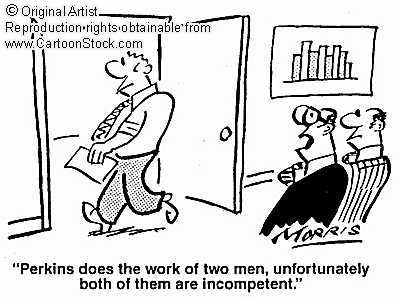
26 November 2010

Allison Sends and Receives 27,000 Texts a Month . . .

NYT
Well before high school, children's brains adopt a will-of-the-wisp tendency to flit about from one train of thought to another -- anything to avoid concentration and focus! So, of course, by the time these children get to college -- if they get that far -- they are in no frame of mind to settle down and learn. Much less are they able by then to learn how to learn, think, and develop laser-like focus -- the main reason for higher education in the first place.
“I realized there were choices,” Vishal recalls. “Homework wasn’t the only option.”

Several recent studies show that young people tend to use home computers for entertainment, not learning, and that this can hurt school performance, particularly in low-income families. Jacob L. Vigdor, an economics professor at Duke University who led some of the research, said that when adults were not supervising computer use, children “are left to their own devices, and the impetus isn’t to do homework but play around.”

...Allison Miller, 14, sends and receives 27,000 texts in a month, her fingers clicking at a blistering pace as she carries on as many as seven text conversations at a time. She texts between classes, at the moment soccer practice ends, while being driven to and from school and, often, while studying.

Most of the exchanges are little more than quick greetings, but they can get more in-depth, like “if someone tells you about a drama going on with someone,” Allison said. “I can text one person while talking on the phone to someone else.”

...With powerful new cellphones, the interactive experience can go everywhere. Between classes at Woodside or at lunch, when use of personal devices is permitted, students gather in clusters, sometimes chatting face to face, sometimes half-involved in a conversation while texting someone across the teeming quad. Others sit alone, watching a video, listening to music or updating Facebook.

Students say that their parents, worried about the distractions, try to police computer time, but that monitoring the use of cellphones is difficult. Parents may also want to be able to call their children at any time, so taking the phone away is not always an option.

...In an experiment at the German Sport University in Cologne in 2007, boys from 12 to 14 spent an hour each night playing video games after they finished homework.

On alternate nights, the boys spent an hour watching an exciting movie, like “Harry Potter” or “Star Trek,” rather than playing video games. That allowed the researchers to compare the effect of video games and TV.

The researchers looked at how the use of these media affected the boys’ brainwave patterns while sleeping and their ability to remember their homework in the subsequent days. They found that playing video games led to markedly lower sleep quality than watching TV, and also led to a “significant decline” in the boys’ ability to remember vocabulary words. The findings were published in the journal Pediatrics. _NYT
It is likely that the brains of someone who experiences such a childhood and adolescence will be different from the brains of those who are raised to be engaged in real world, hands-on, face-to-face skills, competencies, and responsibilities. Anyone who has watched an assortment of modern music videos should understand what it takes to grab and hold the attention of the modern child -- even if only for a few moments.

Vishal -- the boy portrayed in the NYT piece linked above -- may well grow up to become a famous music video creator. He may even take the medium to an entire new level of teen-brain-entrancement. Will such skills lead to a higher capacity to make video viewers want to do something important with their lives? Or will music video creator Vishal become as much a slave to the distractability of modern young brains as the young and distracted brains are a slave to the hijacking of their own evolved tendencies?

What is happening in the lives of these children which will make them immune to the smirking groupthink gib gab talking heads such as Jon Stewart or Bill Maher, telling them how to vote and how to think? They are, after all, your future. They will choose which nursing home to send you to when you are no longer willing to let them live in your basement.

It's almost enough to drive a person to homeschool, country living, and an off-the-grid existence.

Labels: ,

Bookmark and Share

29 October 2010

Brains of Children and Adolescents Inefficient, Details Emerge

More details are emerging from research at the Ecole Polytechnique Fédérale de Lausanne (EPFL) and the University of Lausanne (UNIL). Swiss scientists worked with researchers from Harvard and the Indiana University to map the brains of 30 children from age 2 to age 18.
A young child's brain is similar to the early Internet with isolated, poorly linked hubs and inefficient connections, say the researchers from EPFL and UNIL. An adult brain, on the other hand, is more like a modern day, fully integrated fiber optic network. The scientists hypothesized that while the brain does not undergo significant topographical changes in childhood, its white matter -- the bundles of nerve cells connecting different parts of the brain -- transitions from weak and inefficient connections to powerful neuronal highways. To test their idea, the team worked with colleagues at Harvard Medical School and Indiana University to map the brains of 30 children between the ages of two and 18.

With MRI, they tracked the diffusion of water in the brain and, in turn, the fibers that carry this water. Thiran and UNIL professor Patric Hagmann, in the Department of Radiology, then created a database of the various fiber cross-sections and graphed the results. In the end, they had a 3D model of each brain showing the thousands of strands that connect different regions.

These individual models provide insight not only into how a child's brain develops but also into the structural differences in the brain between left-handed and right-handed people, for example, or between a control and someone with schizophrenia or epilepsy. The models may also help inform brain surgeons of where, or where not, to cut to relieve epilepsy symptoms. _SD
We also know that the brain continues to mature into the middle and later 20s, with improved frontal lobe development and myelination. Some individuals may not achieve maximum maturation until they are nearly 30 years of age. (Psychological neotenates, of course, tend to never mature)

Unfortunately, the energy of youth begins to subside at almost the same time that the brain achieves its maximum power. The brain itself continues to change and develop throughout the rest of a person's life, but the absolute computing power of the brain -- for most persons -- begins to subside sometime in the 40s. This is most clearly seen in the careers of mathematicians and theoretical physicists, whose individual novel contributions generally drop off rapidly after they reach their 50s.

The experience and wisdom a person may accumulate in adulthood often helps to compensate for the loss of thinking speed and absolute cognitive power. As population demographics in the developed world continues to shift toward an older population, some of these issues will need to be confronted -- more money will need to be spent on research into reversing the mental and physical decline of aging.

Labels: , ,

Bookmark and Share

14 July 2010

Knocking Out Puberty

Puberty seems to be arriving at earlier ages for both boys and girls. There are many reasons why puberty onset is earlier now, but most of these reasons are still unclear. The problems that arise from premature puberty include violence, higher risks of cancer and diabetes, increased behavioural problems (drugs, alcohol, delinquency etc), isolation from peer groups -- even a change in growth rates for the children of girls with premature onset of puberty.
ImageSource

...children who go into early puberty are prematurely sexualised and too immature to deal with the implications. They are more vulnerable to sexual abuse, inappropriate sexual behaviour, sexually transmitted diseases and teenage pregnancy. “It means that children develop sexually much earlier,” Stanhope says. “They are physically ready for sexual reproduction but mentally completely unready.”

Studies have shown that adolescents who go through puberty earlier are involved in more risk-taking behaviour, such as taking drugs, binge drinking and breaking the law. A premature increase in testosterone can lead to aggression in boys who lack the maturity to control impulses. “We all realise that testosterone is a very difficult hormone to learn to live with,” Stanhope says, tapping a pencil vigorously on his pockmarked table, “and if you get a rise in testosterone outside the normal physiological age, then it’s even more of a problem.”

Research published this year in the Australian and New Zealand Journal of Criminology also found increased aggression in girls who reached puberty early. In Britain the uncomfortable reality that children are becoming sexually mature earlier has been overlooked in the recent debate about the over-sexualisation of children. Instead of simply focusing on cynical manufacturers producing padded bras for seven-year-olds, perhaps we should also consider how to respond to the new reality that some girls are now growing breasts at this age.

Stanhope also points out that for women there may be long-term health problems, because early puberty increases exposure to oestrogen. According to Cancer Research UK, a girl who has her first period a year later than her contemporaries has 5% less risk of developing breast cancer in later life. “There may be an important link with breast and ovarian cancer,” Stanhope says. “The earlier a girl has her period, the longer her exposure to oestrogen and this may well have very important sequelae for oestrogen-dependent tumours. This increases her risk of breast cancer, ovarian cancer and of developing cardiovascular problems.”

Girls who reach puberty early are also more likely to develop type 2 diabetes. A 37-year-long study of 61,000 Norwegian women showed that women who got their first period at ten or 11 had a 10% higher mortality rate than those who got their period four years later. _PubertyBlues

Scientists are beginning to home in on the physiological initiators of puberty, and have found a way to delay puberty in mice. By "knocking out" a specific gene, IGF-1R, researchers have both delayed puberty and maintained normal reproductive function after puberty in these knockout mice.
Pubertal onset, initiated by pulsatile gonadotropin-releasing hormone (GnRH), only occurs in a favorable, anabolic hormonal milieu. Anabolic factors that may signal nutritional status to the hypothalamus include the growth factors insulin and IGF-1. It is unclear which hypothalamic neuronal subpopulation these factors affect to ultimately regulate GnRH neuron function in puberty and reproduction. We examined the direct role of the GnRH neuron in growth factor regulation of reproduction using the Cre/lox system. Mice with the IR or IGF-1R deleted specifically in GnRH neurons were generated. Male and female mice with the IR deleted in GnRH neurons displayed normal pubertal timing and fertility, but male and female mice with the IGF-1R deleted in GnRH neurons experienced delayed pubertal development with normal fertility. With IGF-1 administration, puberty was advanced in control females, but not in females with the IGF-1R deleted in GnRH neurons, in control males, or in knockout males. These mice exhibited developmental differences in GnRH neuronal morphology but normal number and distribution of neurons. These studies define the role of IGF-1R signaling in the coordination of somatic development with reproductive maturation and provide insight into the mechanisms regulating pubertal timing in anabolic states. _JCI
Scientists will find additional triggers for pubertal onset besides insulin and IGF-1, and some of those factors may provide a more benign approach to the delaying of puberty.

Paradoxically, IGF-1 is vital for normal development of mice, but knocking out IGF-1 receptors in certain flies and worms can increase lifespan. That paradox is still being studied.

So -- how long should puberty be delayed, if at all? If childhood could be extended for several more years without impairing the ability of the child to learn and mature psychologically, would the potential health and societal benefits be worth the postponement of sexual development of the child?

What if aging itself were to be postponed along with puberty? If total lifespan were extended by the number of extra years a person spent in childhood, would that be beneficial to society or not? What if a person could live an extra 20, 30, or 50 years -- but had to spend those extra years as a pre-pubertal child. Would it be worth it?

Those who see increased longevity as a sure path to overpopulation collapse of Earth's ecosystem, would insist upon some form of sterilisation for those who opt for longevity. In some countries, laws of that type -- mandating permanent sterilisation for anyone undergoing longevity treatments -- should be expected.

Extended pre-puberty is a form of time-limited and (probably) reversible sterilisation, so any longevity approach that also delayed puberty significantly, should not raise the hackles of those suffering from overpopulation anxiety too much. But there are likely to be a large number of objections to such treatments, all the same.

Modern societies appear to see children in a schizoid manner. Fewer children are born, so the one or two children a family does have, are cherished and pampered. On the other hand, children are seen as a hindrance to a hedonic lifestyle, an exorbitant expense and often a great bother. Overall, most children do not seem to be raised or educated very well in modern societies, judging by observable results.

While childhood is not prolonged in modern societies, an incompetent adolescence is certainly prolonged -- in many cases indefinitely. Given the choice between a prolonged childhood leading into an accelerated but prepared-for adolescence, and the current state of lifelong incompetent adolescence commonly seen in the affluent world, most Al Fin mental health professionals would choose the prolonged childhood combined with a prepared-for adolescence that leads into a responsible and competent adulthood.

Labels: ,

Bookmark and Share

16 September 2007

Teenage Risk-Taking: Causes and Explanations

If teenagers drink too much alcohol or take psychoactive drugs in excessive quantities, they risk life-long damage to their ultimate cognitive capacity. Teenagers typically engage in risky behaviour. An interesting question is whether the risky behaviour is caused by society's misguided restrictions on teen activity, or by the lack of activity in the still-developing prefrontal brain regions, or both?
Plenty of adolescent behaviors are annoying, but others can be dangerous or even potentially deadly-- like substance abuse and unprotected sex. Brain researcher Monique Ernst points out that teenagers' propensity for thrill-seeking doesn't just come from having more independence, exposure to risky behaviors, or peer pressure.

"This behavior doesn't come from the environment only," she says. "It is actually very much governed by changes that happen in the brain as the adolescents grow."

Ernst, a researcher and clinician in the National Institute of Mental Health's (NIMH) Mood and Anxiety Disorders Program Branch, says in spite of teens generally being at their peak of health, they have a disproportionately high rate of injury and death.

"Their speed of reaction time is really high, their cognitive function, or their thinking, is pretty good, their athletic ability is great," Ernst says. "So they're really healthy, and at the same time, their rate of being sick or impaired and their rate of [injury and death] is really high.
Risky Teen Brains

The evidence is good that both factors are coming into play to determine much of the risk-taking seen in the teen years.

Many young adults, even middle-aged adults, continue in risk-taking behaviours long after the pre-frontal regions should have myelinated completely, and long after most of the "pruning" of the neocortex will have taken place. Those adults who are drawn to risky professions--the military, high rise construction, various high-risk maintenance jobs, underground mining, racing pilots and drivers, fishermen etc.--likely have "fully meylinated" forebrains, yet still rush to risky behaviours. That is not counting all the lawyers, accountants, dentists, physicians etc. who spend their free time pursuing high risk sports. Most risky of all--using the cell phone while driving--remains to be explained by neuroscience and the behavioural sciences.

Labels:

Bookmark and Share

Brain Stem Consciousness: Assessing the Importance of the Neocortex in "Consciousness"

Some of the more promising approaches to AGI are attempting to imitate the modular approach to intelligent neural nets that evolution has taken in mammals. Much of the emphasis (eg numenta) is on the structure of the human neocortex and its connections to midbrain structures. Is it possible that by leaving out the brainstem, that these models are neglecting the essential piece, at least for "conscious" intelligence?
With some notable exceptions (e.g. Scheibel & Scheibel 1977; Panksepp 1982; Thompson 1993; Bogen 1995; Watt 2000; Parvizi & Damasio 2001), brainstem mechanisms have not figured prominently in the upsurge of interest in the nature and organization of consciousness that was ushered in with cognitivism in psychology and neuroscience (Mandler 1975; Miller 1986; Baars 1988). Few cognitivists or neuroscientists would today object to the assertion that “cortex is the organ of consciousness”.1 This is, in a sense, a return to an older view of the supremacy of the cerebral cortex from which a fundamental discovery of the late 1940s had stimulated a partial retreat. In keeping with the sense that the cerebral cortex is the organ of higher functions it had been widely assumed that the regulation of its two primary states – sleep and wakefulness – was a cortical function as well (see, e.g., the critical discussion of this stance in Gamper 1926, pp. 68- 78). Then, in the late 1940s, Moruzzi and Magoun (1949) discovered that local stimulation of circumscribed cell groups in the pons and midbrain of experimental animals exerts a global activating influence on the cerebral cortex as well as on behavioral state, and that experimental lesions in these brainstem sites are capable of rendering animals somnolent and even comatose (Magoun 1954; cf. Parvizi & Damasio 2003). This came as a shock to the corticocentric perspective, and stimulated an avalanche of research on brainstem regulation of sleep and wakefulness and its relationship to the conscious state (summarized in symposium volumes edited by Adrian et al. 1954; Jasper et al. 1958; and Eccles 1966).
Read the entire paper here

Of course, what applies to the study of human consciousness may not apply to the quest for AGI--which may not require consciousness as we understand it. Most of us in medicine or the neurological sciences have run across patients with significant hydrocephalus who are also highly functional, and even highly intelligent in some cases. Their neocortex may be compressed by CSF to very thin dimensions, with minimal if any diminution of consciousness, and/or intelligence.

Still, it is fascinating to mentally rearrange the priority of the various parts of the brain, in terms of importance for "consciousness" or "intelligence." The teenage brain is both conscious and intelligent, while at the same time it is highly plastic and in a state of rapid development. Perhaps it is actually the state of "incompleteness" that makes the teenage brain so potent. I suspect so.

The major criticism of the teenage brain--which is not truly a criticism--is that it lacks independent judgment that comes from experience. The question involved in that particular "criticsim" is: Does the lack of forebrain meylination (pertaining to plasticity) cause the lack of judgment, or is it possible to maintain the plasticity over time while supplying the experience that leads to sound situational judgment?

While many persons are insulted or offended by the idea that the lack of teen judgment may at least in part be accounted for by the plasticity and rapid development of the teen brain, it would be more constructive to look at what can actually be demonstrated by imaging studies and other minimally subjective data.

Labels: ,

Bookmark and Share

12 April 2007

Psychological Neoteny--The Case Against Adolescence

Dr. Robert Epstein has published a book titled "The Case Against Adolescence," describing how the infantilisation of adolescents in western societies is creating generations of incompetents--psychological neotenates.

In this podcast, Dr. Epstein discusses this phenomenon, and some of the problems that it creates for western societies.

For a look at Bruce Charlton and his ideas on "psychological neoteny," look here.
For more Al Fin posts on the topic, click on the label "psychological neoteny."

Labels: , ,

Bookmark and Share

12 March 2007

Sex and Violence--Beware the Teenaged Girl

Teenagers are typically impulsive. But many teens are also quite volatile in mood--cycling from seductive to violent in very short order. Researchers at SUNY Downstate have followed up on earlier research to show in a female mouse model that adolescent brains (CA1 region of hippocampus) react paradoxically to a hormone that is soothing in adults and children.
The team reports in Nature Neuroscience that allopregnanolone (THP), a chemical that normally helps soothe the activity of brain cells in adults and children by binding to receptors that inhibit accelerating electrical activity, actually becomes an antagonist during puberty.

...."Puberty is certainly a time when there are huge changes in hormones," senior study author Sheryl Smith says. "When we looked at the time of puberty, we found that the steroid THP completely flipped to the opposite effect."

THP is a steroid created in the body when progesterone, the female sex hormone, is metabolized. Typically, THP is released in the brain in response to stress, and quiets the neural system within 30 minutes of escalation. THP works by binding to so-called GABA receptors on the surfaces of neurons, or nerve cells. Smith notes that GABA (gamma-aminobutyric acid) is the primary inhibitory neurotransmitter in the brain, and that "any sedative like tranquilizers, anesthetics and alcohol all act on the GABA receptor."

...To determine if the special receptors were linked to behavioral differences, the researchers stressed out young, pubescent and adult mice by trapping them in a plastic tube for 45 minutes. They then removed them and gave them 20 minutes to settle down before placing them in another stressful situation—a maze that is known to make the animals anxious. The 20 minutes of downtime was enough time for the young and adult mice to relax but the adolescents remained hyped up.

The team later determined in vitro that the alpha4-beta2-delta receptors in the CA1 behave differently than normal GABA receptors, absorbing a current of chloride ions, rather than expelling them. "Normally, chloride is flowing out," Smith explains, "and THP enhances the GABA receptors which enhance [the] inhibition" of out-of-control neural activity. During puberty, THP instead slows desensitizes GABA receptors, allowing spiking brain activity to carry on unchecked.
Source

In other words, instead of promoting normal GABA-ergic inhibition post-stress, the DHT in adolescent females allowed the brain to remain in the excited, or stressed state.

Tetrahydroprogesterone (THP or allopregnanolone) has been known for years to be an anxiolytic neurosteroid. THP is also important in mediating the sexual behaviour of female animals. The connection between sex and violence seen in some young women may very well be mediated by this hormone (or precursors/metabolites).

Certainly inexplicable violence and rage attacks sometimes seen in adolescence and young adulthood may in some instances be related to altered receptor activity to these neuro-steroids.

When one combines the delayed development of pre-frontal cortical centers (and pathways) with altered stress and possibly sex receptor activity, one may be able to begin to make more sense of adolescent proclivities.

However, one can not truly understand current behaviours of adolescents and university aged students without taking into account the cultural pressures toward psychological neoteny in most western young people. The absence of meaningful life responsibility until well into the twenties, for many youth, quite possibly alters the gene expression controlling behaviour.


The old saw that states: " if you are not a leftist at twenty, you have no heart; but if you are still a leftist at thirty, you have no brain"--takes on new significance when contemplating some of the important neuro-physiologic differences between adolescents and mature adults.

Much of the anger seen in protest movements--that sometimes ignites into violence--can certainly be explained by increased volatility and reduced judgment present in the immature brain.

Some of these young brains may very well become "frozen" in an immature state if the proper maturational triggers are not pulled during the appropriate critical period of development.

Labels: , , ,

Bookmark and Share

31 December 2006

Competence--A Vanishing Commodity?


Competence is often stated to exist at four levels:

1. Unconscious incompetence (unaware of lack of competence)
2. Conscious incompetence (becomes aware of incompetence)
3. Conscious competence (competence with conscious effort)
4. Unconscious competence (acquires competence without conscious effort--automaticity)

The learner or trainee always begins at stage 1 - 'unconscious incompetence', and ends at stage 4 - 'unconscious competence', having passed through stage 2 - 'conscious incompetence' and - 3 'conscious competence'.

.... It's essential to establish awareness of a weakness or training need (conscious incompetence) prior to attempting to impart or arrange training or skills necessary to move trainees from stage 2 to 3.

People only respond to training when they are aware of their own need for it, and the personal benefit they will derive from achieving it.
Source.

The final level of "unconscious competence" is exemplified by Michael Jordan's performance on the basketball court, the blazing downhill skiing of a gold medalist, or the onstage musical improvisations of a master jazz musician. The master doesn't have to think--he just does. In ordinary life, automatic competence is seen in language fluency, or simply walking while chewing gum.

Emotional competence is vital to the overall competence of the individual.


Self Regulation

Managing your internal states, impulses and resources

* Self control: keeping disruptive emotions and impulses in check
* Trustworthiness: maintaining standards of honesty and integrity
* Conscientiousness: taking responsibility for personal performance
* Adaptability: flexibility in handling change
* Innovation: being comfortable with novel ideas, approaches, and new information

Motivation

Emotional tendencies that guide or facilitate reaching goals

* Achievement drive: striving to improve or meet a standard of excellence
* Commitment: aligning with the goals of the group or organisation
* Initiative: readiness to act on opportunities
* Optimism: persistence in pursuing goals despite obstacles and setbacks
Source.

A recent study of New Zealand schoolchildren discovered the close relationship between attitudinal competencies (curiosity, perseverance, communication) and traditional scholastic competencies in mathematics, literacy, and problem-solving.

The model shows that there are strong relationships between the attitudinal competencies, and also between mathematics and literacy. It also shows moderate associations between the attitudinal competencies and logical problem-solving, and with literacy. Sixty-five percent of the variance in literacy scores could be accounted for by scores in communication, curiosity, perseverance, and logical problem-solving. The link between the attitudinal competencies and mathematics appears to be indirect, with more direct associations between the former and logical problem-solving and reading comprehension.
Source.

A look at necessary competencies to rehabilitate juvenile offenders by the State of Pennsylvania, zeroed in on five:

After examining the research, we settled on the following definition—competency development is the process by which juvenile offenders acquire the knowledge and skills that make it possible for them to become productive, connected, and law abiding members of their communities and selected five core competency domains—areas in which one could reasonably expect young people in trouble with the law to build and demonstrate competencies depending on their age and stage of development. These domains are:

1. Pro-Social Skills
2. Moral Reasoning Skills
3. Academic Skills
4. Workforce Development Skills
5. Independent Living Skills

These domains do not represent a complete list of the competency areas or skills that young people need in order to succeed in life or all the things parents might want for their children. But research indicates that these are the competency areas that matter most for success in school, work and life; that strengthening these areas increases resistance to delinquency; and that deficits in these areas put juveniles at risk for continued involvement in the juvenile justice system.
Source.

A child's sense of his/her own competence (self-efficacy) also influences subsequent performance:

Efficacy beliefs are influenced by acquisition of cognitive skills, but they are not merely a reflection of them. Children with the same level of cognitive skill development differ in their intellectual performances depending on the strength of their perceived efficacy. Several factors may account for the predictive superiority of efficacy belief over acquired skills. Children vary, in how they interpret, store, and recall their successes and failures. As a result, they differ in how much self-efficacy they derive from similar attainments. Moreover, in judging their capabilities, children evaluate social influences that contribute to efficacy beliefs independently of skills. Academic performances are the products of cognitive capabilities implemented through motivational and other self-regulatory skills. The efficacy beliefs that children form affect how consistently and effectively they apply what they know. Perceived self-efficacy, therefore, is a better predictor of intellectual performance than skills alone.
Source.

Many educators misunderstood Bandura's point in the quote above. The educators thought that if the students' self-esteem was raised, that academic progress would follow automatically. Self-efficacy beliefs in academics are based on many things--including grade and test score feedback. Students are not the idiots that educators often think. Students can judge if they get a good grade for no reason. Such artificial attempts to boost self-efficacy beliefs are destined to fail.

Current trends in government education tend to eradicate personal competence of schoolchildren, while simultaneously boosing self-esteem.

This blog has devoted several posts to the issue of psychological neoteny, and the role of current educational practices in promoting maturational failure in children and young adults. It requires little imagination to see a direct connection between personal incompetence, and the failure to acquire the mature skills of emotional competence, due to perverse educational methods and policies.

In a free society, the parent is responsible for the child's education and maturation. That responsibility cannot be placed in anyone else's hands.

Here is an old oriental proverb that expresses a similar concept as the four levels of competence:

  • He who knows not, and knows not that he knows not, is a fool - shun him, (= Unconscious Incompetent)
  • He who knows not, and knows that he knows not is ignorant - teach him, (= Conscious Incompetent)
  • He who knows, and knows not that he knows, is asleep - wake him, (= Unconscious Competent)
  • But he who knows, and knows that he knows , is a wise man - follow him. (= Conscious Competent)
Source.

Labels: , , ,

Bookmark and Share

11 December 2006

Escaping the Labyrinth

Prior to the middle of the 19th century, contemporaries associated puberty with rising power and energy rather than with the onset of an awkward and vulnerable stage of life which would later become known as adolescence. Census classifications also underscored the importance attached to the age of 15 or 16, for after 1740 censuses generally distinguished those under 16, the "dependent" ages, from those between 16 and 60, the "productive" ages (p 17).
Joseph F Kett, Rites of Passage, Adolescence in America 1790 to the Present (1977 Basic Books)

Kett's important but neglected book lays out other systems of child-raising that did not produce the neotenous incompetencies for which our modern school systems are famous. I strongly recommend reading the book for its historical insights into alternatives to the present-day educational and child-raising disasters.

As you can see from John Gatto's Online Underground History of American Education, a prolonged confinement inside age-segregated classrooms is not particularly important in the cultivation of character, refinement, or achievement.
You had to do it yourself through courage, determination, honesty, and hard work. Don’t discount this as hot air; it marks a critical difference between Americans and everyone else. Teachers had a place in this process of self-creation, but it was an ambiguous one: anyone could teach, it was thought, just as anyone could self-teach. Secular schools, always a peripheral institution, were viewed with ambivalence, although teachers were granted some value—if only gratitude for giving mother a break.
JTGatto

In addition you can see from looking at the opinions of several Nobel Prize winners, forced confinement in classrooms can detract from accomplishment more than it contributes.

It took a large number of educated idiots to contrive our modern labyrinthine monstrosity of government forced "education." What the government has destroyed, no government will restore to effectiveness--notwithstanding "No Child Left Behind". The special vested interests that come together to form the educational establishment in North America are as ruthless as any mafia and as self-interested. Your children are a means to an end for these corrupted organisations, not an end in themselves.

Individual parents, enlightened educators, and the children themselves will have to take the lead in plotting an escape course from the downward path of modern mis-education into neotenous incompetence.

The effects of the system on minority children are particularly horrendous, resulting in mounting numbers of incarcerated and otherwise state-dependent minorities. More on that later.

Labels: , , , ,

Bookmark and Share

20 July 2006

Delayed Maturation: The Neotenous Society III

The human life cycle has been divided into stages by many theorists, including Freud, Erikson, Horney, Piaget, Lidz, etc. It is expected that a child must successfully meet the challenges of one stage, before it is properly prepared to meet the next stage's challenges. In other words, a child must grow up successively, in stages, to become a mature adult. This suggests the presence of many "rites of passage", often subconscious to both child and observer, throughout the maturational process. If a child misses a successful transition at a certain stage,it will have problems characteristic of that deficit.

One of the most difficult transitions is during the period of adolescence. In some cultures, girls are often married by fourteen or fifteen years old to cousins or wealthy strangers, sometimes much earlier. In other cultures, girls may be sold to a brothel at age thirteen or fourteen, to help support the family. Boys may be expected to join a religious militia or terror organisation by that time, or have been expected to blow themselves up in an act of religious martyrdom/homicide.

All of those adolescence scenarios could be considered "rites of passage." For North American youth, such situations would be rare unless the families in question belonged to particular religious sects, or unassimilated subcultures, and the arrangements were hidden from the authorities.

The typical North American adolescence involves mandatory government school education, with the atypical social pressures of adolescence magnified a hundred fold by the confinement of several hours a day with hundreds or thousands of other barely-in-control transitioning adolescents. What can one learn from the socialisation process in such a school?

Most adolescents in North America have not developed any meaningful skills or talents to set them apart. A few will be athletic standouts, some will be musically gifted, some will be good at math or science, some will be remarkably attractive and have slightly advanced social skills. But most will be scrambling for an identity and looking for a subculture to melt into. Often the most inclusive subculture is the "slacker" subculture--the subculture whose members avoid work and responsibility, taking such avoidance to the level of an art form. Petty crimes and academic ethical violations are not uncommon.

Most government high schools do not teach useful skills. They generally portray themselves as preparation for higher education, even though most students fall into the combined categories of "did not graduate" or "did not continue education past high school." This drops the students into a "no man's land" of dubious employers, often competing with illegal aliens who actually do have useful skills, and a stronger work ethic.

For a large percentage of inner city african american , hispanic students, and other minorities, the subculture with the strongest appeal is the identity culture--multicultural separatism--which is encouraged by official curriculum of government schooling, and by many universities. Separate styes of talking, walking, dressing, separate music and entertainment--sometimes completely separate languages--it is easy to avoid the mainstream, and the cultural intelligence that many mainstream employers demand.

Many colleges and universities offer special orientation weeks or weekends for minority students, and other separate events--to emphasize separateness, and to encourage the preservation of the separation from mainstream culture. Further curriculum continues to emphasize separation into tribes and cultures, celebrating the differentness rather than the things that bind people together and allow cooperation.

When it encourages tribalism, the modern multicultural curriculum frequently works against the maturation of the individual, and toward a resentful sense of victimisation. Combining hundreds of thousands and millions of resentful individuals with a sense of victimisation, leads to a society with a tendency to disintegrate. Resentful students are less likely to find meaningful careers, and less likely to put all of their effort into work for employers who they distrust and dislike. If the person never grows beyond this school/society-instilled resentment, they will never mature or reach their potential.

This type of designed obsolescence--or designed failure of maturation--leads inevitably to increased social and economic stratification. Eventually, North American societies may approach the unhealthy stratification that is seen in most latin american and third world societies, if the current regime of "education" is allowed to continue very much longer.

Ben Franklin suggested that there may be long term difficulties in keeping a representative constitutional republic functioning. He, along with Jefferson and other founders of the radical US form of government, might be surprised to learn that the general structure of the revolutionary republic has been maintained for so long--with many of its features copied by successful countries as far away as Europe and Asia.

But none of the early americans or canadians were faced with the neotenous effects of prolonged mandatory, dysfunctional government education. It is unlikely that any form of government that requires its citizens to take responsibility for their own actions, can survive this type of neotenous social engineering for very long. Children are not responsible for their actions, and it is children--adult children--that are being unleashed upon society. Illegitimacy rates up to 70% illustrate plainly the neoteny of many graduates of subcultural educational designs.

Here is an interesting history of multicultural theory and practise, for the truly interested. Multiculturalist tribalism is only one of the many neotenous forces acting upon modern North American society. More will be addressed in time.

Addendum: Here is a commentary by my cousin Abu, on Fjordman's piece above.

Labels: , , , , ,

Bookmark and Share

24 November 2005

Death by School

I am referring to the "cognitive death", the murder of the mind, a ghastly crime committed against millions of north american students every year, by government schools. Here is a quotation from a conversation between cognitive scientist Seymour Papert and Brazilian radical Philosopher Paulo Freire:

Paulo Freire: Yes. Absolutely. To me this is not a statement yet. I state that school is bad, but I don't state that school is disappearing and will disappear. That's why I am appealing to all of us who have escaped cognitive death by school -- who are the survivors here -- to work on modifying it. For me, the challenge is not to end school, but to change it completely and radically and to help it to give birth from a body that doesn't correspond anymore to the technological truth of the world. . . . .
. . . . .
Seymour Papert: Will there be school? I'm not saying that school is going to go away. It depends what we mean by school, but I think that what we need to note and very clearly … and this is something else I learned from you, actually - is that we must be conscious and critical of what it's about fundamentally.

And now what's wrong with schools is not details. What's wrong with school is absolutely fundamental. It is so fundamental that to say you're going to correct that is not very far from saying we don't have school.


Freire wants to radically modify school so it will stop killing the minds of its students. Papert is suggesting something more radical.

As the slow evolution of school lags further and further behind the rapid evolution of society, increasing numbers of students all over the world see school as irrelevant to life. Many drop out. Many more drop out mentally, emerging from school with poor skills and negative visions of themselves and the society they are entering.

Throughout Papert's work on education, the theme recurs of replacing the total obsolescence of modern schools with something more effective, more stimulating, and more relevant to the future the students will be forced to face.

Here's Bill Gates: America’s high schools are obsolete.

By obsolete, I don’t just mean that our high schools are broken, flawed, and under-funded – though a case could be made for every one of those points.

By obsolete, I mean that our high schools – even when they’re working exactly as designed – cannot teach our kids what they need to know today.

Training the workforce of tomorrow with the high schools of today is like trying to teach kids about today’s computers on a 50-year-old mainframe. It’s the wrong tool for the times.

Our high schools were designed fifty years ago to meet the needs of another age. Until we design them to meet the needs of the 21st century, we will keep limiting – even ruining – the lives of millions of Americans every year.


It is much worse than Papert and Gates might lead you to believe. Not only are today's schools poorly designed for the challenges of tomorrow (even today), they are being run so incompetently, corruptly, and even maliciously, that even if well designed they would be destroying children.

But it gets worse. Schools are not only inept, poorly designed, corrupt money sinks, and welfare programs for bad teachers, they are also actively at war against boys.

Boys have brains that on the average fit the demands of engineering, theoretical computer science, physics, and mathematics, at the higher levels of difficulty. If boys are being "warred against" by schools, no wonder there is a dificit of qualified engineers, high level computer scientists, and physical scientists. Schools are driving away the very sort of mind that can work with mathematical and spatial concepts the best. Death by school. Societal suicide.

This is a huge problem, because north america is running a severe engineering deficit. "America is experiencing an engineering deficit. Compared to twenty years ago, 20,000 fewer U.S. students now graduate college with engineering degrees. Europe and Asia now graduate 3 to 5 times as many engineers as the U.S." Excerpted fromengineeringand.com . What is true for the US is true for Canada. Canada is importing more and more of our engineers, like the US.

Government schools are incubators for all manner of delinquency. Government schools are best seen as preparation for being dropouts. Any type of social problem you can identify in north america is made worse by an order of magnitude by government schools. Crime, unemployment, bad race relations, teenage pregnancy, drug abuse, lack of civility, obesity, sloppy thinking, ignorance.

Why do taxpayers continue to support the people who are ruining their children? The people running the north american school systems are causing far more damage to our societies than any muslim terrorist or saboteur. We are being gutted and roasted on the fire by our own cooks and utensils.

5% of people do 95% of the work. That may be the magic goal for proportion of next levels in a post-singularity world. We are creating entire generations who will not be able to adapt to the rapidly changing future. We will have to take care of them. Feed them, clothe them, shelter them from the elements, entertain them, heal their wounds, injuries, and illnesses, diagnose and treat their depression, help them live long, healthy, satisfied lives. This will be our obligation, our burden, our privilege.

Labels: , ,

Bookmark and Share
Older Posts
Al Fin Main Page
Enter your Email


Powered by FeedBlitz
Google
WWW AL FIN

Powered by
Blogger

``