18 June 2012

Pathetic Germany: Who Can Save You Now?

This article is cross-posted from Al Fin Energy blog

Germany intends to produce 40% of its electric power from big wind and big solar by 2020 -- and 80% of its power from big green by 2050. German politicians say it will work. They are betting the entire country on it. The cost of Germany's great energy experiment -- Energiewende -- has risen to upwards of $250 billion over the next 8 years. That is about 7% of Germany's 2011 GDP. Electricity costs are already going up, and German electricity consumers must pay a 15% renewable-energy surcharge tax with every monthly bill.

Germany's government is betting its industry and its economy that green energy technologists can somehow pull a herd of rabbits out of a thimble, and save the day. Pathetic Germany: Who can save you now?
In 2010, the German government declared that it would undertake what has popularly come to be called an Energiewende—an energy turn, or energy revolution. This switch from fossil fuels to renewable energy is the most ambitious ever attempted by a heavily industrialized country: it aims to cut greenhouse-gas emissions 40 percent from 1990 levels by 2020, and 80 percent by midcentury. The goal was challenging, but it was made somewhat easier by the fact that Germany already generated more than 20 percent of its electricity from nuclear power, which produces almost no greenhouse gases. Then last year, responding to public concern over the post-tsunami nuclear disaster in Fukushima, Japan, Chancellor Angela Merkel ordered the eight oldest German nuclear plants shut down right away. A few months later, the government finalized a plan to shut the remaining nine by 2022. Now the Energiewende includes a turn away from Germany's biggest source of low-­carbon electricity.

To some German economists, the country's energy policy is simply wrong-headed. Hans-Werner Sinn, president of the Ifo Institute for Economic Research at the University of Munich, is especially scathing. "The Energiewende is a turn into nowhere-land, because the green technologies are just not sufficient to provide a replacement for modern society's energy needs," he says. "It is wrong to shut down the atomic power plants, because this is a cheap source of energy, and wind and solar power are by no means able to provide a replacement. They are much more expensive, and the energy that comes out is of inferior quality. Energy-intensive industries will move out, and the competitiveness of the German manufacturing sector will be reduced or wages will be depressed." _TechnologyReview

The problems with Germany's plan are too many, too obvious, and too grave to dismiss. And yet that is exactly what Germany's politicians are doing, to the ultimate demise of the nation's industrial might and its economy. And when Germany goes, it will drag the rest of Europe down with it.
There is much about the current policy that arguably isn't logical. In the short term at least, the decision to close the nuclear plants means that the Energiewende will actually push utilities to rely more heavily on coal. Last year, for example, RWE fired up two long-planned new boilers at an existing facility near the Belgian border that burns the dirtiest fossil fuel of them all: brown lignite coal. Though these boilers are cleaner than the ones they're replacing, the coal plant is the largest of its kind in the world, and it's going full blast these days to keep up with power demand.

...Inevitably, some hot July week will come when a high-pressure system stalls over Europe, stilling turbines just when sunburned Germans reach for their air conditioners. Until large-scale, cheap storage is available, gas power plants, which can start up quickly and efficiently, will be the most practical way to cope with these situations. But there's little incentive to build such plants. Owners of gas plants meant to meet peak power needs can no longer count on running for a certain number of hours, since the need will no longer fall on predictable workday afternoons but come and go with the sun and wind. Says ­Ottmar ­Edenhofer, chief economist at the Potsdam Institute for Climate Impact Research, "The design of the electricity market will change fundamentally. You have fluctuating demand, and at the same time a fluctuating supply. The linkage and the interplay in these two dimensions has become the subject of intense research. There could be new and emerging market failures." _TechnologyReview
Market failures? Certainly. But more importantly, power failures. As power blackouts and cascading failures become more common across Germany -- and thus across Europe -- Germans will find themselves immersed in the true experience of big green: Freezing or roasting in the dark.
Without enough cheap, reliable power to support the high-technology industry and the transportation system, Germany's economy—and that of Europe as a whole—could be in trouble. Already some German firms are building new manufacturing facilities elsewhere; for example, last year the chemical producer Wacker ­Chemie decided to build a polysilicon plant in Tennessee, partly because energy costs in Germany were so high. Weale says, "The quality of the supply would only have to deteriorate a little bit and it would be quite serious for this high-­technology industry. We've already seen, even without the lights going out, that industry is getting nervous." _TechnologyReview

Not long ago, German politicians were talking about having to spend $25 billion on new power infrastructure to facilitate new offshore wind installations and new solar power plants. Now, they are talking about up to $250 billion -- a significant portion of German GDP.

But in reality, German economists admit that no one knows how high the ultimate cost of the Energiewende will grow to be.

And in the end, what will Germany have? A former economic powerhouse of Europe, reduced to dependency upon intermittent unreliable forms of energy. A nation in demographic decline, stripped of its most profitable industrial producers -- because these producers could not depend upon Germany's power supply.

Rarely has a nation gone through the rapid ups and downs that Germany has undergone over the past century. It is not certain that the much depleted German character can survive the next collapse.

Labels: , ,

Bookmark and Share

16 June 2012

EPIC 2020: The Complete Transformation of Higher Education


The higher education bubble is nearing its limits. There is more college loan debt in the US than credit card debt -- more than $1 trillion.

The above video (via EPIC 2020) presents a higher educational timeline scenario from now through the early 2020s. What it describes is nothing less than total revolution in higher education.

More: 2012 as the breaking point in "business as usual" in higher education

The following video is 24 minutes long, with more detailed information on the education revolution than the above video.

via EPIC 2020

Links to articles discussing the concepts featured in the above videos

Is this a last-ditch effort for mainstream universities to save themselves?

Labels: ,

Bookmark and Share

15 June 2012

A Few Ways in Which Climate Models Fail to Account for What is Happening in the Real World

Modern climate models are huge conglomerations of matched and mis-matched computer code. These models require powerful supercomputers and must ingest massive amounts of well-massaged data in order to regurgitate multi-decadal projections of global climate parameters.

But with all the sophistication and massiveness of these modern models, is it possible that they are leaving a few things out -- a few critical things which could make all the difference?

Here is a very short list of a few important omissions from modern climate models.

Climate Models Will Need to be Substantially Revised (cosmic rays and clouds)

Negative Feedbacks from Clouds (PDF)

Misconceptions in the models about Earth's radiation energy balance (PDF)

Underestimation by models of effects of ocean dynamics

Insufficient accounting of effect of ocean waves and storms

Insufficient testing of the models themselves against real world observations

There are also valid questions about the effects of black soot on climate, and a wide range of negative feedbacks which are being ignored.

Global temperature readings have diverged significantly from climate model temperature projections. This is a troubling phenomenon for more honest climate scientists. Fortunately for the field, there do not seem to be many climate scientists who fit into that category. Most of them are blissfully floating down a river in Egypt. It is a sad fact that climate modelers do not actually wish to take their art to its logical conclusion, because they are afraid of what they may find. Up until this point, carbon hysteria and greenhouse mania have been highly beneficial to any scientists and computer modeler who can tie himself to the global carbon crusade. Job security and remuneration will remain stable as long as politicians and funding agencies remain convinced that these models and modelers serve a useful political purpose.

As for the taxpayers in the developed world who are expected to foot the bill for what is turning out to be a multi-$trillion payoff to be channeled through the IPCC, governments and inter-governments have never particularly cared about them. So long as they pay their taxes, follow the rules, and don't make waves, they can be safely ignored by the higher powers.

Personally, like the wind, I have always enjoyed making waves. Particularly in the faces of arrogant policy makers, academics, and journalists who are steeped in ignorance and misinformation, and who seem determined to destroy the modern human world in order to save a fantasy utopia that never existed.

More -- Example of climate model fail: James Hansen 1988 misses target by 150%.
Figure 1: Temperature forecast Hansen’s group from the year 1988. The various scenarios are 1.5% CO 2 increase (blue), constant increase in CO 2 emissions (green) and stagnant CO 2 emissions (red). In reality, the increase in CO 2 emissions by as much as 2.5%, which would correspond to the scenario above the blue curve. The black curve is the ultimate real-measured temperature (rolling 5-year average). Hansen’s model overestimates the temperature by 1.9 ° C, which is a whopping 150% wrong. Figure supplemented by Hansen et al. (1988) ._WUWT

As long as no one calls the hucksters on their mistaken assumptions, sloppy methods, and outright fraud, they will continue escalating the grand and destructive utopian crusade.

Labels: ,

Bookmark and Share

14 June 2012

$100 Billion And All I Got Was This Lousy Climate Model?!?

Since 1989 the US government has spent almost $100 billion on climate studies, modeling, prediction, regulations and more. In the end, the best models developed so far do 2 - 3 X worse than chance alone! As real world temperatures continue to diverge wildly from climate model projections, US taxpayers are starting to wonder where there money is going.
Joanne Nova's report, Climate Money, documents $79 billion spent by the US on climate science up until the year 2009. Since then, over the past 3 + years the Obama government has expanded spending on climate science, regulation, enforcement, and all aspects of the carbon orthodoxy. Almost no area of US government, academia, or media is left untouched by the agenda of carbon hysteria.

Scientists and institutes associated with the IPCC receive many billions of US dollars per year to accomplish results which could be achieved by a 3 year old child with a random walk generator.
in 2008 and 2010, a team of hydrologists at the National Technical University of Athens published a pair of studies comparing long-term (100-year) temperature and precipitation trends in a total of 55 locations around the world to model projections. The models performed quite poorly at the annual level, which was not surprising. What was more surprising was that they also did poorly even when averaged up to the 30-year scale, which is typically assumed to be the level they work best at. They also did no better over larger and larger regional scales. The authors concluded that there is no basis for the claim that climate models are well-suited for long-term predictions over large regions.

A 2011 study in the Journal of Forecasting took the same data set and compared model predictions against a “random walk” alternative, consisting simply of using the last period’s value in each location as the forecast for the next period’s value in that location. The test measures the sum of errors relative to the random walk. A perfect model gets a score of zero, meaning it made no errors. A model that does no better than a random walk gets a score of 1. A model receiving a score above 1 did worse than uninformed guesses. Simple statistical forecast models that have no climatology or physics in them typically got scores between 0.8 and 1, indicating slight improvements on the random walk, though in some cases their scores went as high as 1.8.

The climate models, by contrast, got scores ranging from 2.4 to 3.7, indicating a total failure to provide valid forecast information at the regional level, even on long time scales. The authors commented: “This implies that the current [climate] models are ill-suited to localized decadal predictions, even though they are used as inputs for policymaking.” _FinancialPost
This table shows US government climate related expenditures up until the year 2009. But as you can see below, President Obama has expanded climate spending steadily year to year. This is even true for agencies such as NASA, whose primary mission is supposed to be outer space exploration. Something odd happened to NASA during the 1990s, when US VP Al Gore took a special interest in the agency . . . .

The table above illustrates the year on year spending increases in various US government departments, in the Obama years.

But these tables do not reveal the amount of spending related to climate policy which may go under different names in the department budgets. They likewise do not reveal the amount of climate spending at other levels of US government, or by other member governments participating in the IPCC. And they certainly do not reveal the $trillions slated to be routed through the IPCC in redistributive ransom payoffs from the developed world to the third world.

The largest costs from climate change policies will never be measured, since they are not truly measurable. These are the "opportunity costs" and the "opportunity destruction" brought about by the prevention of vital energy, commercial, industrial, and residential projects around the world. We are entering an era of climate agenda caused energy starvation and a consequent economic decay.

This is taking place at the same time that much of the developed world is experience a demographic implosion, likely to reduce the available brainpower and manpower which will be needed for humanity to work its way out of this carbon hysteria morass.

Climate Money PDF report by Joanne Nova

Validation and Forecasting Accuracy in Models of Climate Change (PDF)

The credulous attitude of academics, journalists, politicians, and media personalities toward the IPCC "consensus" reminds me of a raunchy scene from the movie "Idiocracy." The movie theatre is packed with patrons comically enchanted and amused by a single image on the giant screen: a rather ugly arse farting.

Welcome to the Idiocracy.

Labels: , ,

Bookmark and Share

13 June 2012

Innovative Chinese Construction Method Has Global Implications

Chinese construction conglomerate "Broad Group of China" has devised a fast method of building skyscrapers and towers which is spreading beyond the borders of China, poised to move across South and Southeast Asia.
This Chinese construction company completed a 30-storey tower that currrently serves a hotel in Hunan province in 15 days. The video of this project had drawn the attention of millions of Youtube viewers since it was posted.

...“The building had passed the resistance test of a level nine earthquake. It conserves energy of up to five times compared with that of a conventional construction, and provides air that is 20 times purer than the traditional buildings through our innovative air purification system.”

The accomplishment is made possible because <93% of the building materials are manufactured in the factory. The company welcomes global franchisees to adopt this model and build such factories locally. In supporting the company's value to be green, the factory should be located no more than 500km from the construction site.

There are currently six factories in China in different provinces. Besides China, BROAD Group has also set foot in India. These franchisees have made full payment for the transfer of technology which costs US$34mil for a population of 10 million and US$50mil for a population of 50 million. _Star_via_NBF

The Broad Group's method of quick-building high rise towers of reported high quality, may prove to be a big cost saver for the global construction industry.

But that is only the beginning. The Broad Group is moving ahead to design the world's largest tower -- which sounds very much like an arcology, or a self-contained city.
Broad Sustainable Building (BSB), a construction company based in Hunan, believers they can do the whole $628million construction in 90 days.

The building will also beat China’s current biggest skyscraper poster - the 632-meter Shanghai Tower.

The company has been quite quiet on the use of the building, but earlier plans in 2010 - when the building was going to be 'just' 666m, would be used to home 70,000 to 110,000 residents.

There is a track record for BSB, a previous 15-storey construction was put up in six days in June 2010 - and a 30-storey building in just 360 hours.

The key to their speed is prefabricating large portions of the buildings in factories - so technically most of the tower will be built before the first digger hits the site. _DailyMail

Brian Wang has been covering Broad Group for some time and has more at his site

Over the past few millenia, the Chinese people have been noted for their inventiveness, industry, and engineering accomplishments.

While much of contemporary China's industry and infrastructure buildup may constitute an economic bubble of resource misallocation, it appears as if China's Broad Group has created a safe and very useful and economical way of building high rises and towers.

The ability to prefab large conventional buildings in factories may eventually be adapted to the prefab building of floating colonies, colonies in isolated areas such as polar regions, undersea habitat colonies, and even space colonies.

Once you learn to build self-sustaining arcologies, the basic logic of logistical planning and design remains essentially the same, regardless of the outer shape and configuration of the structure.

Labels: , ,

Bookmark and Share

BP Review 2012: Coal Use Expanding Faster than Crude Oil

The 2012 BP Statistical Review of World Energy is now available for download. It reveals that worldwide demand for coal is growing significantly faster than worldwide demand for crude oil. And that is just the beginning.
BP via GCC

Oil demand grew by less than 1%—the slowest rate amongst fossil fuels—while gas grew by 2.2%, and coal was the only fossil fuel with above average annual consumption growth at 5.4% globally, and 8.4% in the emerging economies.

...Emerging economies accounted for all of the net growth, with OECD demand falling for the third time in the last four years, led by a sharp decline in Japan. China alone accounted for 71% of energy consumption growth.

...Fossil fuels still dominated energy consumption with 87% market share, while renewables rose fastest but are still only 2% of the global total. The fossil fuel mix continues to change with oil, the world’s leading fuel at 33.1% of global energy use, losing share for 12 consecutive years. _GCC

In North America, natural gas is increasingly replacing coal for purposes of electrical power generation. As global natural gas prices decline, the same type of substitution should be seen in other areas which benefit from large scale tight gas deposits.

Worldwide, however, coal should continue to be in high demand for power generation and other industrial uses.

Renewables such as big wind and big solar continue to be less than impressive, as predicted. Intermittent unreliable sources of energy cannot be depended upon. No wonder a significant part of China's installed wind power capacity continues to lack connections to any power grid. I suppose the capacity looks good on paper, even if it isn't doing anything but sit and rust.

BP Statistical Review of Energy 2012 Download PDF

Labels: , ,

Bookmark and Share

Learn to Control Your Own Brain Emotion Networks w/ Real Time fMRI Neurofeedback

Neuro-researchers in the UK and the Netherlands helped establish real-time fMRI neurofeedback as a practical tool for self-controlling emotional networks in healthy subjects, back in 2009 (PDF). Since then, they have studied the use of real time fMRI feedback in the treatment of depression, with some positive results. Here is more from their most recent study:
a) Activation of the insular cortex (INS) bilaterally and the right ventral striatum (VS) supported the neurofeedback task, whereas the temporoparietal junctions (TPJ) of both hemispheres were deactivated. The TPJ is recognised as part of the brain’s “default mode network” that is deactivated during effortful tasks.
plosone

Depression is the mental disorder with the largest impact on public health. Up to 20% of the population suffers from a depressive episode at some point in their lives [1], and major depressive disorder (MDD) is a main source of disability for adults of working age in industrialized countries. At least 30% of patients with MDD do not respond to standard pharmacological and/or psychological treatments [2], and a considerable number of those who do respond initially go on to develop a chronic relapsing-remitting disorder. These patients with no or only a partial response to standard treatments often enter a vicious circle of psychosocial decline with further deterioration of their mood and level of functioning. To prevent relapses new therapeutic strategies have to be developed that aid the restructuring of cognitive schemas and might even prevent the formation and crystallization of dysfunctional thought patterns during early phases of depression.

...In the present study we localized areas responsive to positively valenced visual stimuli adapted from the International Affective Pictures System (IAPS) [15], [10] and then trained patients with unipolar depression to upregulate the activity in this target region over four sessions. We hypothesized that the combination of the physiological upregulation and the reinforced training of positive thought patterns would lead to an improvement of mood, which would not be seen in a control group that engaged in an emotion regulation protocol without neurofeedback. _PLoS ONE
Higher activation of right insula (INS), ventral striatum (VS), anterior cingulate cortex (ACC) and ventromedial prefrontal cortex (VMPFC) during presentation of positive compared to neutral images in the localiser runs (for full list of areas see Table 2). The localiser runs were effective in identifying brain areas responsive to positive images, which were used as target regions of interests (ROIs) for the subsequent neurofeedback procedure.
plosone

Patients in the NF group were trained to upregulate brain areas responsive to positive emotions using a procedure modeled on our previous work with healthy participants [10]. A target area was identified by the contrast between responses to positive and neutral images in a localizer scan to ensure that an area involved in positive emotion processing was selected. In the localizer scan, we assessed brain responses to positive, negative and neutral pictures by presenting four pictures of the same emotion category in blocks of 6 s (1.5 s per picture), alternating with a fixation baseline of 12 s. We presented 12 blocks per category in pseudorandom order. We used pictures from the IAPS [15] with negative (mean normative ratings for valence 2.8 [SD.42], arousal 5.63 [SD.55]), positive (valence 6.90 [.55], arousal 6.00 [.74]) and neutral valence (valence 5.45 [.56], arousal 3.44 [.47]). Pictures showed, for example, scenes of danger or disgust in the negative category, and scenes of romance including mild erotica or exciting sports in the positive category. After the localizer scan, patients were trained to upregulate the target area during three neurofeedback scans lasting ca. 7 minutes each per session (Fig. 1). Patients were informed about the general function of the target area but were not given any specific instructions about strategy. The task we set for them was to increase activity in the target area by as much and as consistently as possible.

...For the neurofeedback, a continuous signal from the target area (updated every TR and thus every 2 seconds) was displayed using the picture of a thermometer whose dial indicated the amplitude of the fMRI signal in the target area. Changes in the amplitude were indicated as the percent of signal change, calculated using the current signal intensity value and comparing it with the average value determined from the rest period immediately preceding each upregulation block. The scaling of the thermometer was in steps of 0.05%, with a maximum value of 0.5% (see Fig. 1). A change of background colour every 20 s indicated to participants whether their task was to regulate (green background) or rest (yellow background). The online GLM was computed with one predictor for the regulation state, convolved with a haemodynamic reference function. The top one-third (defined by the t value for the contrast between the regulation predictor and baseline) of the voxels from the target region was used to compute the feedback signal. For runs in which participants failed to upregulate the target area during the regulation periods (negative percent signal change), another target area was selected for the next run, using the cluster with the strongest activation for the regulation predictor. This adjustment in the target area was necessary in 15/32 (47.9%) of the sessions after the first NF run, and in 4 sessions after the second run. The reasons for this approach were two-fold. First, the adjustment of ROIs aided the shaping of mental strategies in the desired direction. Shaping is a common concept in the operant learning of a highly demanding task [11]. Secondly, our focus was not so much on the ability of participants to learn to regulate a specific brain region but on the effects of the NF training procedure on participants’ mood.

...Patients in the NF group reported initially using imagery of the positive scenes in the localizer scan in an attempt to increase activation in the target brain areas, but they later changed to evoking memories and imagery of autobiographically relevant material. For example, the happy memories that they reported as successful strategies included holidays, thoughts about their family being happy, and imagery of beautiful scenes from nature. Some patients attained good self-regulation of the target areas through mental simulation of future successes, and one patient successfully used imagery of an out-of-body experience. Conversely, during rest periods, the patients reported trying to “empty their thoughts” and to meditate. Patients in the IM group were instructed to engage in similar strategies as those reported by the NF patients. At debriefing, they confirmed that they had used these strategies. No patient reported any distress arising from the procedure.

...In the present study, four sessions of non-invasive fMRI-neurofeedback reduced the symptoms of depression with an effect size similar to those obtained with deep brain stimulation (DBS) [3]. Although the mental strategies of positive thoughts, memories, and imagery may have played a considerable part in this improvement, the neurofeedback procedure was crucial as evidenced by the absence of any clinical improvement in the control group. _PLoS ONE
More study details at the link above.

The researchers intend to expand their research in future studies so as to deal with possible confounders, and to introduce increased rigour via randomisation and more sophisticated control procedures.

There are many advantages in the ability to detect and shift the activity in one's own emotion networks. This could be true both in one's professional and personal life. It is also likely that the ability to control specific brain networks will facilitate learning -- particularly in difficult subjects where frustration and apprehension can be a factor.

fMRI neurofeedback is a bit unwieldy, given the bulk and expense of fMRI scanners. Sophisticated EEG neurofeedback can achieve essentially the same results with less expense, although the increased neuroscientific rigour of visualising fMRI network activation and deactivation, is an advantage in the research setting.

Once protocols are developed with fMRI, then parallel protocols using advanced -- but portable -- EEG can be cross-validated using data from the fMRI.

The microprocessor revolution has helped to shrink the size and reduce the weight of a wide range of sophisticated electronic devices. Home EEG equipment is already available which can be used in conjunction with a pad computer or a smart phone. As these devices improve -- and as the protocols for self-control of brain networks continue to be developed and improved -- expect to be able to teach your brain to control itself in more ways than you might currently imagine.

Labels: , ,

Bookmark and Share

12 June 2012

WHO Says Super-Clap Wants You!

The World Health Organisation (WHO) recently sounded an alert on the spread of drug resistant gonorrhea in Japan, Australia, and Europe. More on the spread of the superbug across Europe:
"Superbug" strains of gonorrhea which are becoming untreatable accounted for almost one in 10 cases of the sexually transmitted disease in Europe in 2010, more than double the rate of the year before, health officials said on Monday.

The drug-resistant strains are also spreading fast across the continent, officials warned. They were found in 17 European countries in 2010, seven more than in the previous year. _ChiTrib

The US CDC recently held a Grand Rounds on the topic of the growing threat of multi-drug resistant gonorrhea (see video below).


Lost in all the PC-tainted publicity, are the details of where the drug resistant strains are coming from, and the nature of the populations which are affected.

If multi-drug resistant have started popping up in the past few years in Japan, Australia, and Europe, where were these microbes found before that? In Sub-Saharan Africa.
This study illustrates the high frequency of resistant gonococci in Africa and shows that tetracycline-resistant N. gonorrhoeae have become highly endemic in different geographic areas of the continent. The use of effective drugs is essential to reduce gonorrhea transmission. Surveillance of temporal changes in antimicrobial resistance in gonococcal strain populations should be part of sexually transmitted diseases control programs. _STD Jan 1997

Over the years, the microbes developed resistance to more and more antibiotics, so that now some strains of super-clap are resistant to virtually all commonly available antibiotics.

We know that STDs (including HIV) are running particularly rampant in African American populations, in Sub-Saharan (SS) Africa, and in all populations of the SS African diaspora. It only took a few years for HIV to spread from Africa to Haiti and to gay communities across the developed world.

We are told that super-gonorrhea is spreading rapidly throughout Europe. But so are African immigrants. Perhaps the news stories should divulge the nature of the populations in Europe which are particularly affected? That would be much more helpful to the public than current news stories, which neglect to inform the public of such crucial information.

People of SS African descent suffer from a wide variety of problems, including low average intelligence, high rates of violence, high rates of poverty, high rates of illegitimacy, and high rates of a wide range of infectious and degenerative diseases. The last thing that this community needs is to be "protected and shielded" by PC journalists and politicians, to the point of not understanding the serious threats its people are facing.

Gonorrhea is often asymptomatic, and often the symptoms are ignored without seeking treatment. When the disease is treated, it is often undertreated -- either due to medical error, lack of adequate drug supply, or due to the patient's own neglect in skipping doses or discontinuing the treatment too soon.

Complications of inadequately treated gonorrhea include neonatal blindness, often fatal ruptured tubal pregnancy, long term painful pelvic inflammation, scarring of pelvic tissues leading to infertility, and more.

The problem of bacterial drug resistance is not limited to STDs such as gonorrhea. Multi-drug resistant TB is an even greater threat than gonorrhea, in terms of potential loss of life.

While no populations are immune to such diseases, particular populations are in more danger than others. Prison populations, for example, can be more exposed to a wide range of infectious diseases, depending upon the conditions of the prisons. Infectious disease spread by sexual contact, airborne spread, and contact with fomites, can all be more common in many prison populations -- particularly in the third world.

There are many ingenious research plans for dealing with multi-drug resistant microbes. But it takes a long time for ideas to progress through the many stages of research into common clinical usage. The process of treatment research and development is also very expensive. When research pioneers are trying to break through one or more common paradigms of standard medical treatment, the delays can stretch even longer.

Be careful out there.

Labels: , ,

Bookmark and Share

11 June 2012

The Rise and Fall of Globalisation: A Multi-Century Perspective

Beijing-based economist Michael Pettis takes a look at current global economic problems and ties them to the current cycle of globalisation. Rather than being a phenomenon unique to modern times -- Pettis suggests -- globalisation has taken place several times over the past few centuries in a cyclic manner. He thinks that we might learn something useful by looking at earlier revolutions of globalisation.
What today we call economic globalization — a combination of rapid technological progress, large-scale capital flows, and burgeoning international trade — has happened many times before in the last 200 years. During each of these periods (including our own), engineers and entrepreneurs became folk heroes and made vast fortunes while transforming the world around them. They exploited scientific advances, applied a succession of innovations to older discoveries, and spread the commercial application of these technologies throughout the developed world. Communications and transportation were usually among the most affected areas, with each technological surge causing the globe to “shrink” further.

...in spite of the enthusiasm for science that accompanied each wave of globalization, as a historical rule it was primarily commerce and finance that drove globalization, not science or technology, and certainly not politics or culture. It is no accident that each of the major periods of technological progress coincided with an era of financial market expansion and vast growth in international commerce. Specifically, a sudden expansion of financial liquidity in the world’s leading banking centers — whether an increase in British gold reserves in the 1820s or the massive transformation in the 1980s of illiquid mortgage loans into very liquid mortgage securities, or some other structural change in the financial markets — has been the catalyst behind every period of globalization.

If liquidity expansions historically have pushed global integration forward, subsequent liquidity contractions have brought globalization to an unexpected halt. Easy money had allowed investors to earn fortunes for their willingness to take risks, and the wealth generated by rising asset values and new investments made the liberal ideology behind the rapid market expansion seem unassailable. When conditions changed, however, the outflow of money from the financial centers was reversed. Investors rushed to pull their money out of risky ventures and into safer assets. Banks tightened up their lending requirements and refused to make new loans. Asset values collapsed...

The process through which monetary expansions lead to economic globalization has remained consistent over the last two centuries. Typically, every few decades, a large shift in income, money supply, saving patterns, or the structure of financial markets results in a major liquidity expansion in the rich-country financial centers. The initial expansion can take a variety of forms. In England, for example, the development of joint-stock banking (limited liability corporations that issued currency) in the 1820s and 1830s — and later during the 1860s and 1870s — produced a rapid expansion of money, deposits, and bank credit, which quickly spilled over into speculative investing and international lending. Other monetary expansions were sparked by large increases in U.S. gold reserves in the early 1920s, or by major capital recyclings, such as the massive French indemnity payment after the Franco-Prussian War of 1870, the petrodollar recycling of the 1970s, or the recycling of Japan’s huge trade surplus in the 1980s and 1990s. Monetary expansions also can result from the conversion of assets into more liquid instruments, such as with the explosion in U.S. speculative real-estate lending in the 1830s or the creation of the mortgage securities market in the 1980s.

The expansion initially causes local stock markets to boom and real interest rates to drop. Investors, hungry for high yields, pour money into new, nontraditional investments, including ventures aimed at exploiting emerging technologies. Financing becomes available for risky new projects such as railways, telegraph cables, textile looms, fiber optics, or personal computers, and the strong business climate that usually accompanies the liquidity expansion quickly makes these investments profitable. In turn, these new technologies enhance productivity and slash transportation costs, thus speeding up economic growth and boosting business profits. The cycle is self-reinforcing: Success breeds success, and soon the impact of rapidly expanding transportation and communication technology begins to cause a noticeable impact on social behavior, which adapts to these new technologies.

But it is not just new technology ventures that attract risk capital. Financing also begins flowing to the “peripheral” economies around the world, which, because of their small size, are quick to respond. These countries then begin to experience currency strength and real economic growth, which only reinforce the initial investment decision. As more money flows in, local markets begin to grow. As a consequence of the sudden growth in both asset values and gross domestic product, political leaders in developing countries often move to reform government policies in these countries — whether reform consists of expelling a backward Spanish monarch in the 1820s, expanding railroad transportation across the Andes in the 1860s, transforming the professionalism of the Mexican bureaucracy in the 1890s, deregulating markets in the 1920s, or privatizing bloated state-owned firms in the 1990s. By providing the government with the resources needed to overcome the resistance of local elites, capital inflows enable economic-policy reforms.

Globalization itself always will wax and wane with global liquidity. For those committed to further international integration within a liberal economic framework, the successes of the recent past should not breed complacency since the conditions will change and the mandate for liberal expansion will wither. For those who seek to reverse the socioeconomic changes that globalization has wrought, the future may bring far more progress than they hoped. If global liquidity contracts and if markets around the world pull back, our imaginations will once again turn to the increasingly visible costs of globalization and away from the potential for all peoples to prosper. The reaction against globalization will suddenly seem unstoppable. _China Financial Markets

Due to the relatively short human lifespan -- less than a century -- humans typically possess a very short timescale perspective on contemporary events. A longer term, more historical perspective would be very helpful in judging the importance of many modern trends.

Extra bonus feature: Another Beijing-based economist, Patrick Chovanec, presents an interesting list of links to economic events originating in -- or influencing -- China. China is a very important player in the current cycle of globalisation, so that it is not unlikely that pivotal events within this current cycle might occur in and around the middle kingdom.

Labels:

Bookmark and Share

Can the US Have an Honest Debate About Political Economy?

Brian Wang takes a look at Ed Conard, the author of the book on the US economy "Unintended Consequences."

Brian embeds several videos in his posting, including Conard debating Jon Stewart of the Daily Show on tax policy, and also videos of Conard debating Nobelist Joe Stiglitz on income inequality.

It is my impression after looking at an excerpt from Conard's book, and looking at Conard debating Stewart, that most people do not want to have an honest debate on the topic of political economy. This is particularly true of celebrities such as Stewart, politicians, academics, and others who are essentially ideologues, rather than honest searchers for what works in the real world.

If the US is to recover from the slow motion economic collapse of 2007 - 2009, it will need to enact economic policies on the basis of what will work over the next few decades, at least, rather than what will work until the next election cycle.

From what I can tell, Conard leaves out some important pieces of the puzzle when he looks at the recent banking collapse of the late "noughts," but on the whole he captures more of what is wrong and what should be changed than knuckleheads like Stewart -- who play to the peanut gallery for laughs and votes as if the future of the world's largest economy were a popularity contest.

A short look at Conard's professional background:
Ed Conard was a partner at Bain Capital from 1993 to 2007. He served as the head of Bain’s New York office and led the firm’s acquisitions of large industrial companies. He sits on several boards of directors including the boards of Waters Corporation and Sensata Technologies. Prior to Bain, Conard worked for Wasserstein Perella, an investment bank that specialized in mergers and acquisitions, and Bain & Company, a management consulting firm, where he headed its industrial practice. He is a graduate of Harvard Business School and the University of Michigan. _Ed Conard


Excerpt from Conard's "Unintended Consequences":
Read Intro and Chapter 1

The US economy is far too large and complex for anyone to understand completely. But basic fundamentals of human behaviour are likely to apply.

Al Fin's philosophy of political economy follows much more closely with the reasoning expressed by Thomas Sowell in his fine book, "Knowledge and Decisions" (PDF excerpt Chap 3). Along with Walter Kaufmann's "Critique of Religion and Philosophy" and a few other choice volumes, Sowell's look at political decision making helped to form Al Fin's total philosophic approach -- although not his "philosophy."

Wiser and more intelligent people tend to eschew ideologies and fixed philosophies in favour of philosophical systems which are able to grow and learn along with the person's dynamic experience.

That is why popular discourse in North America -- including Canada as well as the US -- can be so depressing at times. The number of ideologues in prominent view always seems to outnumber experienced, competent, and intelligent people of sound judgment -- people who are willing to take intellectual chances and risk looking ridiculous at times so as to discover working principles.

Ed Conard is not a great thinker or philosopher -- he misses a lot of things because of gaps in his knowledge and the limits to his experimentation -- but compared to most of the people he debates, he is a rock of wisdom.

There is a lot of popular discussion on internet forums about societal collapse from peak oil doom, overpopulation, climate doom, resource scarcity, ecosystem collapse . . . But the greatest threat to the greatest civilisation -- western civilisation -- is the neglect of risk taking and hard work in the service of what may be unpopular and not trendy, but true and important, nonetheless.

The dumbing down of the US is proceeding apace. We are reminded of this watching the video debate between Stewart and Conard, taking note of the cheap debating tricks used by Stewart to garner applause from his pet audience. But as more and better alternative methods of acquiring an education become available, more people will avoid the well placed traps of dumbing down which have damaged lare portions of a number of generations to this point.

We should have a better idea of how quickly this will all play out by sometime in November of this year.

Labels: , ,

Bookmark and Share

09 June 2012

Hypersonic Scramjets, Spaceplanes, and Air Launched Orbitals

The Air Force's desired "High Speed Strike Weapon" would travel at five times the speed of sound or faster, theoretically launching from a stealthy F-22 Raptor jet or a future F-35 Joint Strike Fighter, and travelling so fast and at such long distances as to render an enemy's anti-aircraft systems defunct. The Air Force's Research Laboratory Munitions Directorate is gathering possible design partners later this month at Elgin Air Force Base in Florida before any solicitation. According to an Air Force notice, whatever prototype gets built will ultimately need to strike "time-critical" targets -- on the move, possibly -- from " tactically relevant standoff distances." _Wired
The hypersonic stealth missile would be powered by a scramjet air-breathing engine, traveling at speeds of Mach 5 or greater. While such a speed is not sufficient to achieve Earth orbit, it would allow jet pilots to launch from a considerable distance, in a stealthy manner.

Hypersonic Stealth Rocket

Meanwhile, the US Air Force X-37B space plane is due to land soon, after spending more than a year orbiting the Earth.
The X-37B looks much like NASA's now-retired space shuttles, only much smaller. The space plane is about 29 feet long by 15 feet wide, with a payload bay the size of a pickup truck bed. A solar array packed in the payload bay powers the spacecraft. For comparison, two entire X-37Bs could fit inside the payload bay of a space shuttle.

OTV-2's flight represents a big jump for the X-37B space plane. The vehicle has been aloft for 462 days as of June 8, more than doubling the on-orbit time of the first space-flown X-37B, known as OTV-1. _X37B Due to Land

US Air Force


The X-37B space plane is unmanned, and is launched vertically on a large booster. But the technology for air-launching larger space vehicles and space planes is improving, thanks to Microsoft billionaire Paul Allen, and aerospace engineer Burt Rutan.
The Stratolaunch system would super-size the arrangement used for the SpaceShipOne launches: Scaled Composites has been tapped to build a carrier airplane that weighs more than 1.2 million pounds, with a wingspan of more than 380 feet. That tonnage rivals the weight of the Antonov An-225, which is recognized as the world's heaviest aircraft. Stratolaunch's dual-fuselage plane would be powered by six 747 engines, and would require a 12,000-foot runway for landing.

...The plane would be capable of flying up to 1,300 nautical miles to reach its launch point. SpaceX would provide a shortened version of its Falcon 9 rocket for the next phase of Stratolaunch's route to orbit. Wentz described it as a "Falcon 4 or 5." The multistage booster would be attached to the plane using a mating and integration system developed by Dynetics, and released during the mothership's flight at 30,000 feet. After release, the 490,000-pound rocket would light up to send commercial and government payloads weighing up to 13,500 pounds into low Earth orbit. _Cosmic Log

Stratolaunch

The advantages of an air launch are several, perhaps the largest being the much wider range of orbits and launch windows achievable using much less fuel.

Combining the approaches discussed above, would give one an air-launched stealth plane which used hypersonic scramjet engines to save rocket fuel in the "second stage." The "first stage" would be the airplane that launched the spaceplane. Airplanes are highly economical and reliable, and completely reusable.

Hypersonic scramjets as a second stage should also allow complete recovery and re-usability, depending on configuration and design. Eventually, the first stage ground launched airplanes might incorporate both air breathing turbines and hypersonic scramjet engines, but such designs have a ways to go in testing. Clearly the huge Stratolaunch design could not tolerate such speeds.

Wikipedia: Scramjet and Specific Impulse

The third stage would be the spaceplane itself, which can grow larger as the first stage is safely enlarged. The spaceplane should be completely reusable, and should be able to land almost anytime and anywhere on Earth with a suitable runway.

As for stealth capability of the ground launcher and space plane, that would be a matter of design and mission requirement. If you wanted to secretly send a spaceplane and crew into orbit, the best way to do so would be using stealth air-launched spaceplane technology, unannounced, taking off from a secret runway in the Southern Hemisphere, as far away from observers as possible.

The United States is unlikely to pull something like that off without multiple leaks to the press and interested foreign powers. Russia is unlikely to be able to put all the technology and logistics together without disastrous failure. China might be able to put something similar together within 10 years, but unless China's international projection of power and coordinated activity expands significantly, it is unlikely to be able to do so secretly.

Guide to spaceplanes of the past


More 14 June: The scramjet needs to be traveling at supersonic speeds before it will work, so any second stage of an air launch system which uses scramjets will need to have some way to reach a speed fast enough for the scramjet to burn properly.

NASA: Rocket - Scramjet Hybrid Second Stage (PDF) (highly redacted)

Air Breathing Space Vehicles

Scramspace: An Australian Project

Labels: , , ,

Bookmark and Share

08 June 2012

McAllen, Texas to Hold World Naked Bike Ride

Open-minded cyclists are invited to get as “bare as they dare” Saturday in McAllen for World Naked Bike Ride, an international event aiming to promote bicycle use and spotlight the roadway risks that cyclists face. _Monitor

The ride takes place once a year in countries including Australia, Brazil, France, United Kingdom, Mexico and the United States. It encourages public bicycle use while promoting bicycle safety and encourages decreased dependency of fossil fuel-powered vehicles.

And it emphasizes the right to express, or expose, a person’s opinions or body freely. Trujillo said there will be body decorating with paint before the ride.

“There’s a lot of giggles and laughs when it comes to nudity,” Trujillo said. But “there’s really a deep side, to change the way we use transportation. That’s what it’s fundamentally all about.”

...riders will gather at 6 p.m. Saturday at the International Museum of Art and Science at Nolana and Bicentennial. Any open-minded cyclists are welcome to attend, said Trujillo. Trujillo recommends that riders arrive clothed and have something to put their clothes in for the duration of the bike ride. _Monitor
[satire on]Nude cycling became much more popular with women after the invention of the battery powered vibrating bicycle seat. Al Fin has recently become a distributor for the patented devices, and representatives will be on hand in McAllen to provide the seats for sale or lease.

After the event, a beachfront barbecue will be held on the new Southern Ocean shoreline, created by the recent mysterious disappearance of Mexico. [satire off]

Wikipedia: World Naked Bike Ride
World Naked Bike Ride . org


Local law enforcement officials in McAllen are threatening to enforce any public decency statutes. But maybe just this once they will look the other way. Or, at least, say that they did.

Labels:

Bookmark and Share

06 June 2012

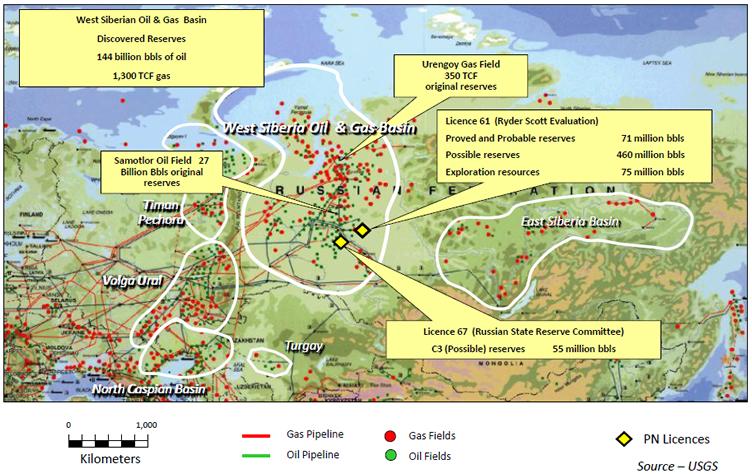
What Would King Hubbert Think of the Hundred Trillion Barrels of Oil Equivalent In the Bazhenov Formation?

Brian Wang says there are over 100 trillion barrels of oil equivalent in the Siberian Bazhenov (Jurassic) formation. If that is true, that would give Russia the greatest hydrocarbon resources of all world nations.
O&G Journal
Brian Wang

Peak oil saint M. King Hubbard felt that, as a geologist, he was aware of the size and location of most of the important oil deposits in the planetary crust. Possessing such knowledge, he felt quite confident in predicting that global peak oil would occur sometime between the mid 1980s and the early 2000s.

But something happened on the way to the global peak oil catastrophe and civilisational collapse. Tools of oil & gas exploration and production did not stand still. Oil fields that were thought to be beyond development suddenly became profitable to exploit. Older oil fields thought to be depleted were found to be producing once again, with the application of new technologies. And now, just when they thought that all the giant oil fields had been discovered, we are suddenly faced with the reality of the Bazhenov Jurassic formation -- thought by some to contain over 100 trillion barrels of oil equivalent.
Giant recoverable oil reserves contained in the fractures suggest that the Jurassic reservoir is a primary oil accumulation which has no analog all over the world. Therefore, we believe that Russia has the largest hydrocarbon reserves in the world. _O&G Journal
Whether the amount of recoverable oil in the Bazhenov Jurassic is 100 billion barrels or 1 trillion barrels, it is significant enough to maintain production for at least a century of prudent management.

We should point out that in order to produce oil from this formation, it will be necessary to use fracking technology -- an approach that Russian President Putin has condemned, at least when utilised in North America. Perhaps Russian fracking will be acceptable to Vladimir Bonaparte Putin.

More from Brian Westenhaus

Geochemistry of Upper Jurrasic Lower Cretaceous Bazhenov Formation

Abstract of USGS Ulmishek study of the West Siberia Basin

Full 4.5 MB PDF Ulmishek USGS Report on West Siberia Basin

Labels: ,

Bookmark and Share

Moon Express Acquires Next Giant Leap: Now 25 Teams Competing for Google Lunar X Prize

The Google Lunar X Prize is the largest incentive prize in history -- a reflection of the vast technological and financial challenges of landing a spacecraft on the Moon. First prize of $20 million (£13m) will be awarded to the first company to land a robotic rover on the Moon, travel 500 metres and transmit video, images and data back to Earth.

Although the NGL acquisition removes a competitor there are still 24 other teams competing for the $30m (£20m) prize pot. The runner-up gets $5 million (£3.2m) and the remaining $5m prize money will be made available to teams that go beyond the basic requirements -- such as travelling five kilometres, capturing images of relics of the Apollo programme, verifying the presence of water, or surviving a lunar night. But there is a time limit. Whoever makes it to the Moon must do so by the end of 2015 when the prize fund expires. _Wired
The Google Lunar X First Prize of $20 million will go to the first team to safely land a robot on the moon, have the robot travel at least 500 metres on the lunar surface, and send images, video, and data back to Earth. As noted above, this feat must be achieved on or before December 31, 2015.

The acquisition of Next Giant Leap by Moon Express, Inc., reduces the number of competing teams to 25. Don't be surprised if their are more acquisitions and mergers over the next year or so, as teams become pressed by the deadline and attempt to combine their strengths.

More about the recent acquisition:
Moon Express Inc, a company set up to explore and mine the Moon for precious resources, has acquired Next Giant Leapto advance its plans to be the first company to land a spacecraft on Earth's natural satellite.
The Next Giant Leap acquisition gives Moon Express access to additional technology and scientists, as well as the benefit of several strategic partnerships with companies such as Sierra Nevada Corporation, The Charles Stark Draper Laboratory, MIT Space Systems Laboratory, Aurora Flight Services, Jolted Media Group, The Centre for Space Entrepreneurship (eSpace) and the Challenger Center for Space Science Education.
The company plans to send its first robotic lander to the Moon in late 2014, to be launched atop of either SpaceX's Falcon 9 rocket or other commercial launch vehicle._Wired
As noted, the Moon Express team plans to launch in 2014, possibly using a SpaceX booster.

It is interesting to see the list of strategic partners that the Next Giant Leap team brings to the table. Such partnerships can be extremely valuable in terms of sharing experience and research, and in facilitating necessary product deliveries etc.

If this competition is successful, we may see a proliferation of similar prizes meant to spur visionary and potentially disruptive technological developments.

Labels: , , ,

Bookmark and Share

05 June 2012

Rhythmic Nature of Brain Activity Slowly Unfolds

In monitoring electrical brain activity of motor-cortex neurons, researchers found that they typically exhibit a brief oscillatory response. These responses are not independent from neuron to neuron. Instead, the entire neural population oscillates as one in a beautiful and lawfully coordinated way.

The electrical signal that drives a given movement is therefore an amalgam—a summation—of the rhythms of all the motor neurons firing at a given moment.

"Under this new way of looking at things, the inscrutable becomes predictable," said Churchland. "Each neuron behaves like a player in a band. When the rhythms of all the players are summed over the whole band, a cascade of fluid and accurate motion results."

...electrical engineering associate professor Krishna Shenoy and postdoctoral researchers Mark Churchland, now a professor at Columbia University, and John Cunningham of Cambridge University, now a professor at Washington University in Saint Louis, have shown that the brain activity controlling arm movement does not encode external spatial information—such as direction, distance, and speed—but is instead rhythmic in nature. _R&D Mag
This finding, (Nature, June 3, 2012, doi:10.1038/nature11129), is apparently quite startling to a select group of cognitive psychologists who are not well grounded in biology. For Al Fin cognitive scientists, on the other hand, the rhythmic nature of brain activity -- motor, sensory, and higher order activity -- has always been axiomatic.

The specific rhythms associated with particular brain functions will need to be worked out. The Stanford study helps in this regard, with respect to motor cortex rhythms controlling body motion.
In a series of striking graphs, the Stanford team plotted the signals from individual neurons in the motor-cortex as monkeys completed a series of reaches. The reaching motions are shown by the starburst patterns at the top left of each graph. The neuronal patterns are then plotted atop one another for the entire series of reaches, clearly establishing the rhythmic nature of the brain activity. Credit: Mark Churchland, Stanford School of Engineering
More:

When they monitored the electrical activity of motor-cortex neurons, researchers found that they typically oscillate briefly, not independently as single neurons, but as an entire neural population in one beautifully coordinated way. "Each neuron behaves like a player in a band," said Churchland. "When the rhythms of all the players are summed over the whole band, a cascade of fluid and accurate motion results." The electrical signal for a movement is the sum of the rhythms of all the motor neurons firing at a given moment.

Rhythmic neural activity has been known for a while. It is present in the swimming motion of leeches and the gait of a walking monkey, for instance.

The engineers studied the brain activity of monkeys reaching to touch a target. The pattern of shoulder-muscle behavior could always be described by the sum of two underlying rhythms. "Say you're throwing a ball. Beneath it all is a pattern. Maybe your shoulder muscle contracts, relaxes slightly, contracts again, and then relaxes completely, all in short order," explained Churchland. "That activity may not be exactly rhythmic, but it can be created by adding together two or three other rhythms. Our data argue that this may be how the brain solves the problem of creating the pattern of movement." _Atlantic
The dominant, dysfunctional perspective of machine-oriented cognitivists, who attempt to think of the brain as a mechanical construct -- instead of the evolved organ within a larger organism that it is -- has slowed discovery in cognitive science unnecessarily.

Here is another look at this research:
In the new model, a few relatively simple rhythms explain neural features that had confounded science earlier.

"Many of the most-baffling aspects of motor-cortex neurons seem natural and straightforward in light of this model," said Cunnigham.

The team studied non-rhythmic reaching movements, which made the presence of rhythmic neural activity a surprise even though, the team notes, rhythmic neural activity has a long precedence in nature. Such rhythms are present in the swimming motion of leeches and the gait of a walking monkey, for instance.

"The brain has had an evolutionary goal to drive movements that help us survive. The primary motor cortex is key to these functions. The patterns of activity it displays presumably derive from evolutionarily older rhythmic motions such as swimming and walking. Rhythm is a basic building block of movement," explained Churchland. _PO

Perhaps now, more cognitivists will take this hard-earned insight, and apply it to associative and higher order brain activity. For too long, graduate students and their advisors have struggled under the "single neuron" and "segregated parameters and functions" delusion of brain activity, memory, and control -- perhaps as a confused, erroneous subconscious analogy to computer memory and computer processors.

It is somewhat paradoxical that this important clarification would be made, at least in part, by electrical engineers. It illustrates the importance of multi-disciplinary cooperation in complex fields of research. The real world, it seems, has not been informed that it should hold all its parts within the artificial confines of human academic fields.

Labels: ,

Bookmark and Share

BRICs: Can the Tail Wag the Dog?

Ever since the 2008 collapse of the great global economic bubble, the hopes of the chattering economic classes have ridden on the BRICs -- the emerging economies of Brazil, Russia, India, and China. Aside from Russia, the BRICs have population heft and momentum, something most of the more advanced nations cannot claim. There is also a sense in those countries that it is somehow "their turn" to excel.

But what if the BRICs are only the tail to the global dog? If the dog is sick, can we really expect the tail to do everything the dog would normally be able to do?

The BRICs have been exporters to the more developed economies. But the more developed economies are sinking under dysfunctional policies and leaders. Can the BRICs succeed and prosper without developed markets to buy their resources and products?
Champions of the Submerging World

China is economically dependent upon exports to Europe and North America -- markets that have not been doing well over the past few years. Brazil is economically dependent upon not only Europe and North America, but is very much dependent upon Chinese demand as well.
As goes China, so goes Brazil. China's insatiable appetite for oil has benefited Brazil over the past few years. If China's economy continues to lose momentum because of the European crisis, that will impact Brazil ... even if Brazil doesn't have as many direct ties to Europe's consumers and banking system.

"Brazil is a play on China. There are concerns that Brazil is overexposed to China," said Carlos Constantini, head of research at Itaú BBA, an investment bank in São Paulo. That's a big reason why Brazil's benchmark Bovespa stock market index is down more than 6% year-to-date.

India's sharp decline is perhaps the most surprising since that economy was thought to be the least exposed to Europe. Russia, however, could really suffer if the global economy doesn't show some signs of life soon. Crude oil prices have plunged below $100 a barrel to the mid-$80s. Crude prices are now down more than 20% from their highs of the year. And oil could dip further if the Euro-wreck leads to significantly lower demand for crude worldwide.

"Russia was a darling for awhile and there was all this talk about how oil would never fall below $100 a barrel. Their economy is so levered to oil and commodities and they haven't been able to diversify." Mata said. _Thick as a BRIC
Cracking BRICs

It is true that India's economy -- despite minimal exposure to the European crisis -- is starting to slump. India is still desperately poor, after all, and its government is abysmally corrupt. Nothing kills a nascent economic boom so quickly as greedy governments.

One interesting development out of all this economic turmoil, is that Russia's Putin is turning to the Russian far East and to Russia's relationship with China, in an attempt to hedge his global bets.

Much of Putin's far East and China strategy should be seen as wishful thinking: China's population is still on the ascendancy, looking for lebensraum, while the ethnic Russian population is steadily shrinking away and leaving a huge void.

Putin's attempts to engage China in joint industrial and technological enterprise are likewise built on shifting sands. China has always appropriated the intellectual property of its "partners," and proceeded to to make pirated and counterfeited products. Russia is feeling the sting from multiple thefts of designs of planes, ships, submarines . . . If Putin proceeds with his farcical plans (see above article link), Russia will feel that sting yet again . . . and again . . . and again . . .

When Putin attempts to lock China into a long-term gas contract at today's inflated prices, he will be bucking the tide of China's development of its own vast shale gas resources. Somehow, it is unlikely that China's leaders will be amused at Putin's condemnation of the "fracking" process, which China is using to develop its tight gas deposits. Particularly when Russia is using the exact same fracking process to develop its own shale resources in Siberia.

An attempt by BRIC nations to circle the wagons and to feed each others' prosperity -- without outside input from the more developed economic world -- is not likely to succeed at this early stage. But it is possible that the US will eject the anti-free market and anti-energy policies of the Obama administration, in November's election. And it is possible that at least some countries of Europe will turn away from demographic decline and the green dieoff agenda.

If those things should happen, the health of the dog may be restored, and the tail may be set to wagging once again.

Labels: , , , , ,

Bookmark and Share

04 June 2012

Who Says Peak Oil Doom is Not a Religion?

Life can be frighteningly uncertain, even in the most placid of times. In times of rapid change, uncertainty about the future can drive many people to the breaking point. Religious myths and beliefs have been very helpful for tens of thousands of years, in fending off uncertainty. Paradoxically, many of the most attractive and popular of these religious movements, have been religions of doom.

Modern times seem particularly uncertain -- perhaps because of the misplaced confidence modern humans have placed in their technology and science. Surely, they feel, if humans can walk on the moon, they can master the global economy, heal the environment, provide sufficient food and energy for all, and make the world a safe and certain place for everyone?

But as if to mock the scientific and technological prowess of humans, that great evil "uncertainty" continues to lurk outside the firelight, haunting our dreams.

Once one understands the disconcerting nature of uncertainty, it becomes easier to understand why so many people turn to doom as a shield and comfort. Doom has been the central strut of many religious movements because a firm belief in doom can vanquish uncertainty better than almost any other belief or attitude.

Here is a look at the religion of peak oil doom, as revealed at a recent "Age of Limits" convocation of believers:
The Age of Limits conference held at the end of May offered some new insights on how religion, as an organized institution, could play a key role in helping people deal with the collapse that the conference’s speakers think has already hit many parts of the world, including much of the US.

The speakers, collapsitarians all — Dmitry Orlov, John Michael Greer, Gail Tverberg and Carolyn Baker...

To paraphrase Orlov, if you want the government and your neighbors to leave you alone in the future, especially in America, then start a church. And that’s just what the sponsors of the Age of Limits conference did. _Peakoil.com
More at the link.
Below, old-time religious doomer and archbishop of the mass movement of peak oil doom, Colin Campbell, speaks at the New Energy Era Forum, another religious convocation of believers.
New Energy Era Forum 2012 - Dr. Colin J. Campbell by LocalCampus
Archbishop Colin Campbell at a Sacred Peak Oil Convocation

This 2012 talk by revered peak oil leader Colin Campbell -- who declared in 1989 that world oil production had already peaked -- illustrates the quasi-religious nature of a peak oil gathering.

One can get a good feeling for the "one true faith" nature of the true believers gathered together, huddled against the ignorance and uncertainty in the world beyond.

For these good disciples, doom is far preferable to uncertainty. Doom gives them special knowledge and a sense of purpose. Not to mention a sense of superiority.

For many people, religions of doom are addictive, and become integral to who they are as individuals. Attempting to reason with such a person is almost always futile, since reason is simply not in it.

Just accept the fact that such mass movements of doom give such people something to do, and a sense of self-worth and self-importance. That is better than having them sell crack cocaine on the corner to school children.

Those, on the other hand, who have something important to do, should probably get on with it, and leave the doom worshipers to their litany.

Labels:

Bookmark and Share

02 June 2012

Oil Prices Fall Below Break-Even for Several Nations

This article was previously published on Al Fin Energy blog

Despite a fall of oil prices below break-even levels for several nations, Saudi Arabia shows no inclination of reducing its high rate of oil production.
 Following is a table of some OPEC producers' fiscal breakeven oil prices:
 
                $/bbl
 Algeria        105
 Iran           117
 Iraq           112
 Kuwait         44
 Libya          117
 Qatar          42
 Saudi Arabia   71
 UAE            84
 Sources: National authorities and International Monetary Fund


_Reuters

The above table is from an article dated 1 June 2012. Scan the graphs below for images of break-even levels from May 2012 and December 2011. Notice that the estimated break-even levels tend to fluctuate. It is likely that most of those published levels are underestimates.

In Russia, for example, the most recent estimate for break-even price level is $117 per barrel. But Russian insiders estimate the true break-even level is closer to $150 a barrel -- particularly with Putin's ambitious new re-building schemes.
May 21st 2012

1 December 2011
Citibank expects that Russia will have a very turbulent next five years, given their estimate that Brent crude prices will likely settle close to $85 over that time period.

Oil producers are beginning to feel the future threat of peak demand for oil caused by multiple factors -- including unconventional liquid fuels -- breathing down their necks. For oil to sell in the coming markets, producers will have to price their product to be competitive.

For some quasi oil dictatorships such as Iran, Venezuela, and Russia, reduced revenues to support ambitious government spending could lead to intemperate, perhaps violent, actions, geared to force oil prices much higher. They will require a close watching.

Labels:

Bookmark and Share
Newer Posts Older Posts
Al Fin Main Page
Enter your Email


Powered by FeedBlitz
Google
WWW AL FIN

Powered by
Blogger

``