28 February 2006

IEEE Spectrum Reports on Cyborg Psychiatry

The March online issue of IEEE Spectrum reports on the use of electromagnetic technology in Psychiatry. It is a 4-page report, with a better technological slant than the NYT article discussed in the previous Cyborg posting.

The technology McGuffee uses, vagus nerve stimulation, was the first to enter routine clinical use. A pacemakerlike device about the size of a pocket watch, implanted under the skin of the chest, pulses a nerve in the neck [see illustration, "Vagus Nerve Stimulation"]. In about 16 percent of patients like McGuffee, according to clinical studies, that electric pulsing completely quashes the symptoms of depression. It was approved as a depression therapy, for use in conjunction with drugs, by government regulators in the European Union and Canada in 2001. Last June, it became the first psychiatric device to be reviewed and approved in the United States, which has more stringent requirements for medical devices. Nevertheless, a number of psychiatrists remain unconvinced that the therapy works in enough people to outweigh the risk and cost of surgery.

Vagus nerve stimulation isn't the only technology being touted for treatment of the severely depressed. Another technique, repetitive transcranial magnetic stimulation, uses powerful magnets to generate current in well-defined portions of the brain [see illustration, "Repetitive Transcranial Magnetic Stimulation"]. Many research groups around the world have experimented with the technology. At last count the results of more than 60 depression trials performed in Australia, Israel, Taiwan, the United States, Europe, and elsewhere had been published. But clinical use is just beginning. The technology is winding its way toward a review by U.S. regulators, and the company behind it, Neuronetics Inc., in Malvern, Pa., says it could be approved within the year.

And these two are just the ones closest to the clinic. Researchers are exploring three other, more experimental technologies. One uses direct current to produce a change in the brain similar to that of magnetic stimulation. Another uses transcranial magnetic stimulators to spark seizures just as electroconvulsive therapy does but, it is hoped, without the amnesia that can accompany it. The third experimental technology borrows a device used to control the tremors of Parkinson's disease. Surgeons have begun implanting electrodes in patients' brains to switch off malfunctioning brain circuits involved in depression and obsessive-compulsive disorder.


Read the whole thing here. Here is more from IEEE:

After one year, one in six patients treated with the nerve stimulator was free of depression, and 56 percent got some meaningful benefit—as measured by a standardized questionnaire used to rate the severity of a patient's depression. Of those who did respond, about 70 percent continued to benefit after two years. But waiting a year to see if the treatment worked in a disease that comes at irregular intervals was highly unusual. The lack of a control group that had the device implanted but not turned on to counteract the placebo effect was stranger still. In August 2004, the U.S. Food and Drug Administration, which regulates the marketing of medical devices, decided not to allow Cyberonics to sell the vagus nerve stimulator as a depression treatment, overruling its own advisors in the process.

.... Deep-brain stimulation has been in use for years to treat the tremors of Parkinson's disease. In that case, 3- to 5-volt pulses at about 100 Hz are applied to a part of a brain circuit that malfunctions and causes the tremors. The stimulation suppresses the activity of neurons near the electrode, mimicking their surgical destruction, but with a key twist. "Basically, it's reversible and tunable brain surgery," says Schlaepfer. Turn the device on, and that section of the brain goes off-line. Turn it off, and the neurons spring back into action. It's a simplistic view, of course, and scientists still don't know if the electrode's current blocks brain traffic by holding the cells at too high a voltage to propagate a signal, exhausts their supply of chemical transmitters, overlays a meaningless jamming signal on them, or does something different entirely.

The device has also been used to treat severe obsessive-compulsive disorder; indeed, this was its first use in psychiatry. In that treatment, neurosurgeons had been destroying a few cubic millimeters of a particular structure in the brain. Now surgeons have begun inserting electrodes instead of destroying those tiny parts of the brain.

A group based at the University of Toronto and led by neurosurgeon Andres Lozano and neurologist Helen S. Mayberg reported the first trial of deep-brain stimulation for depression only a year ago. (Mayberg has since become a professor at Emory University, in Atlanta.) Imaging studies led them to Broadmann area 25, a pair of structures deep in the brain just above and behind the eyes that become active when people are sad. It has abnormally high blood flow in people with treatment-resistant depression; antidepressant drugs tend to reduce the amount of blood flow there. So the Toronto researchers implanted electrodes powered by a Medtronic stimulator in that spot in six patients. Five of the six responded well initially, and four continued to do so six months out. According to Lozano, those four are still doing well two years later. Lozano, who has been implanting deep-brain stimulators for more than a decade, says that not enough is known about why patients respond or don't respond to the procedure to say if there is a need to tweak the technology. "We don't know if it's the electrodes or the patients," he says.

Although the seminal work was done using stimulators made by Medtronic, another maker of implantable stimulators, Advanced Neuromodulation Systems Inc. (ANS), in Plano, Texas, holds the relevant intellectual property rights, according to Rohan Hoare, the company's vice president of corporate strategy and development. ANS is now replicating Mayberg and Lozano's results in a pilot study using its Libra deep brain stimulation system. The main difference between the Medtronic systems used in Toronto and Bonn and ANS's devices is that Medtronic's delivers a constant-voltage pulse, which allows the current to vary depending on the impedance of the brain, while its competitor delivers constant current, allowing the voltage to vary. ANS's vice president for scientific affairs, Tracy Cameron, notes that most animal research has been done using constant-current stimulators and hypothesizes that this approach may be more in tune with the brain's physiology.

Labels: ,

Brain Implants for Parkinson's, Epilepsy, Depression: We Are All Cyborgs Now

In a recent New York Times article, patients and doctors discuss the new neuro-implant technology called neuromodulation. Used as treatment for disorders from Parkinson's disease, depression, and epilepsy, to chronic pain disorders and tremors. But that is just the beginning. In this industry, the sky is the limit. Read on:

Don Falk stretched his right arm over his head, past the faint marks where a surgeon sank two wires deep in his brain, to show how uncontrollable tremors in his hand used to slap him awake in the morning.

It was just one of many difficulties he suffered as his Parkinson's disease advanced. Falk had trouble shaving and walking, and his medications caused his head to twitch awkwardly, making him self-conscious in church.

''It's the day-to-day living that is so hard with Parkinson's,'' he said.

In May, Falk, 52, started to get better with the help of an emerging class of implantable medical devices called neuromodulators -- tiny machines that stimulate the central nervous system to treat a host of disorders. Analysts say they could be the next big thing for some of the market's hottest medical technology companies.

....Neuromodulators are technological cousins of implantable heart defibrillators, a $5.5 billion market that's growing at nearly 20 percent a year.

The devices do have some hurdles. While they've been shown to be safe and effective at treating some disorders, they're generally recommended only after drugs and other less invasive treatments fail.

The surgical procedure can be complex, and the devices themselves are expensive, about $50,000 for the deep brain stimulator, less for other devices in the class. And that doesn't include the costs of surgery.

The results are impressive, but ''it's not a big moneymaker,'' said Dr. Richard Veyna, Falk's neurosurgeon at Methodist Hospital in this Minneapolis suburb. Not enough doctors know about the technology, and at current insurance reimbursement rates simpler procedures are more profitable, Veyna said.

Perhaps surprisingly, the risks of brain surgery rarely dissuade patients, maybe because they are tired of living with Parkinson's symptoms and have seen other treatments fail, he said.

Falk said he didn't hesitate about brain surgery. ''My tremor was so bad I just wanted it done,'' he said. His adult children didn't think twice either: ''They did not like me just sitting there, shaking and stuff.''

Falk touts his procedure to other Parkinson's patients, telling them that his medication has been cut by two-thirds and his insurance covered the procedure.

Competition, higher volume and technological advances drove down the costs of implantable cardiac devices, and could do the same for the neuromodulators. Only a small number of people who might benefit from the devices -- people who suffer from Parkinson's, tremors, epilepsy, chronic depression or chronic pain -- are now getting them, Wald said.

''Neurostimulation to me, in fact the whole neurological space, is what cardiology was 10 years ago,'' Wald said. ''The opportunity is just vast.''

....Dr. Todd Sitzman, an anesthesiologist in Hattiesburg, Miss., has used them in hundreds of patients with chronic pain over the last decade.

''Does it work from the patient's perspective? Without question,'' said Sitzman, who sits on the National Pain Foundation's board of directors. ''It is a therapy that gives them some relief and some semblance of a life.''

Companies are already pushing to develop new applications for the devices. They see potential uses in treating diseases including depression, obsessive-compulsive disorder, erectile dysfunction, traumatic brain injuries, obesity, angina, incontinence and ringing in the ears.


Read the entire article here.

Hat tips to Singularity News (Multipolarity News) and The Speculist.

Personally, it seems to me that these companies are thinking too small. If implants can help the blind to see, there is no reason they cannot do much more than the planned uses listed in the NYT article. I prefer correcting damage and defects biologically, but there will definitely be a period of time when the hardware will be able to accomplish things the wetware is not capable of. Think of it as the need to use crutches, temporarily. Eventually, you put them aside and walk on your own.

Labels: , ,

Taming Cancer: Researchers Transform Melanoma back to Normal Tissue

The key to cancer, and the key to aging, is learning how to control the differentiation and de-differentiation of cells. A previous article here discusses the same general topic.

Scientists at Northwestern University and the Stowers Institute for Medical Research have reprogrammed malignant melanoma cells to become normal melanocytes, or pigment cells, a development that may hold promise in treating of one of the deadliest forms of cancer.

A report describing the group's research was published in the Feb. 27 online edition of the Proceedings of the National Academy of Sciences that will appear in the March 7 issue of the journal.

The experiments were conducted as a collaboration involving the laboratories of Mary J. C. Hendrix, president and scientific director of the Children's Memorial Research Center, Northwestern University Feinberg School of Medicine, and Paul M. Kulesa, director of Imaging at the Stowers Institute for Medical Research in Kansas City, Mo.

The study demonstrated the ability of malignant melanoma cells to respond to embryonic environmental cues in a chick model -- in a manner similar to neural crest cells, the cell type from which melanocytes originate -- inducing malignant cells express genes associated with a normal melanocyte.

The researchers also showed that the malignant melanoma cells lost their tumor-causing ability as they became reprogrammed by the embryonic microenvironment to assume a more normal melanocyte-like cell type.

"Using this innovative approach, further investigation of the cellular and molecular interactions within the tumor cell embryonic chick microenviroment should allow us to identify and test potential candidate molecules to control and reprogram metastatic melanoma cells," Hendrix said.

....Kulesa's laboratory transplanted adult human metastatic melanoma cells, isolated and characterized by the Hendrix laboratory group, into the neural tube of chick embryos.

The transplanted melanoma cells did not form tumors.

Rather, like neural crest cells, the melanoma cells invaded surrounding chick tissues in a programmed manner, distributing along the neural-crest-cell migratory pathways throughout the chick embryo.

The investigators found that a subpopulation of the invading melanoma cells produced markers indicative of skin cells and neurons that had not been present at the time of transplantation.

Taken together, results of this study suggest that human metastatic melanoma cells respond to and are influenced by the chick embryonic neural-crest-rich microenvironment, which may hold promise for the development of new therapeutic strategies, the researchers said.

"This idea was pioneered 30 years ago by scientists who thought that the complex signals within an embryonic field may reprogram an adult metastatic cancer cell introduced into such an environment and cause it to contribute in a positive way to an embryonic structure," Kulesa said.

....One of the hallmarks of aggressive cancer cells, including malignant melanoma, is their unspecified, plastic nature, which is similar to that of embryonic stem cells.

The Hendrix lab has shown that the unspecified or poorly differentiated cell type serves as an advantage to cancer cells by enhancing their ability to migrate, invade and metastasize virtually undetected by the immune system.


Read the entire report here.

Whether a cell becomes one tissue type, another tissue type, a stem cell, or a cancer cell--is determined by the gene expression of that cell. Scientists are closing in on the signals that control a cell's gene expression.

Labels:

New Cognitive Portals at Wikipedia


Wikipedia is a cooperative encyclopedia that also provides various topic portals for use as personal research launching points. Two of the newer portals made available are the Mind and Brain Portal, and the Psychology Portal.


The Mind and Brain portal is the more complete cognitive science portal, of the two. This portal provides an overview, featured articles, links to key people in the cognitive sciences, and links to the various disciplines of cognitive science--including computer science, linguistics, neuroscience, philosophy, psychology, cybernetics, and general cogsci.

Related portals at Wikipedia include Philosophy of mind, Neuroscience, Linguistics, and Computer science.

The quality of articles at Wikipedia can be uneven, but the links to outside websites are generally of high quality.

Thanks to Mindhacks.

Labels:

27 February 2006

Noncoding RNA--To Activate Genes, Influence Differentiation

Noncoding RNA has been used by researchers to silence specific genes for years. Now researchers from UC Riverside and Institut für Molekulare Immunologie in Munich, have learned more about the versatility of noncoding RNAs, and ways in which genes can be activated by them.

Frank Sauer in Riverside and Elisabeth Kremmer in Munich, have been studying the molecular mechanisms for cell differentiation in the fruit fly, Drosophila. They have been focusing on epigenetic factors, primarily protein gene activators. This research is reported in the Feb. 24 edition of the journal Science. This Eurekalert newsrelease gives more information:

The paper explains how proteins, known as epigenetic activators (such as Ash1 from the fruit fly Drosophila), bind to their target DNA and activate genes that determine what function a cell will have in the body.

"The fact that these epigenetic activators, such as Ash1, turn on the expression of specific target genes has been known for some time. However, the mechanisms by which epigenetic activators recognize and bind these target genes was not yet known" Sauer pointed out

"What we were able to show is that the epigenetic activator Ash1is recruited to a target gene through cell-type specific non-coding RNA" he said.

The paper examined how the activator Ash1 binds to target DNA elements, known as Trithorax-reponse elements (TREs), located in the gene Ultrabithorax (Ubx). Non-coding RNA is produced by and retained at the TREs of Ubx, and helps activate the expression of the Ubx gene by attracting Ash1 to the TREs. The transgenic transcription of non-coding TRE RNA can change the type and function of cells.

"As a result, we can now use non-coding RNAs as tools to actively determine cell fate," Sauer said. "Over the last few years, researchers have focused on how noncoding RNAs silence genes," said Anthony Carter, of the National Institute of General Medical Sciences, which partially funded the research. "Dr. Sauer's work has revealed that noncoding RNAs have a broader range of functions than was previously known, and suggests a model for how they can help activate, rather than silence, a key regulator of animal development."


Read the entire newsrelease here.

If scientists can learn to differentiate and de-differentiate various cell types at will, the keys to controlling cancer, and cell replacement for aging treatments (SENS etc), will be at hand. This type of research is an important step.

Labels:

Post-genomics: Understanding Proteomics and Protein Interaction Networks


A recent collaboration between Johns Hopkins University and the Institute of Bioinformatics in Bangalore, has produced some surprising results in protein-protein interactions. Proteins are the prime movers in the cell. Understanding how proteins interact with each other will fill in many of the gaps in our understanding of cell function--both normal and pathological.

The findings, reported in the March issue of Nature Genetics, were made using a database of more than 25,000 protein-protein interactions compiled by the Hopkins-IOB team. The result is believed to be the most detailed human "interactome" yet describing the interplay of proteins that occur in cells during health and disease.

"Genes are important because they are the blueprints for proteins, but proteins are where the action is in human life and health," says Akhilesh Pandey, M.D., Ph.D., an assistant professor at the Institute of Genetic Medicine and the departments of Biological Chemistry, Oncology and Pathology at The Johns Hopkins University School of Medicine. "This ability to find links between sets of proteins involved in different genetic disorders offers a novel approach for more rapidly identifying new candidate genes involved in human diseases," he says.

The analysis included interactions among 1,077 genes coding for proteins linked to 3,133 diseases, the researchers report. Significantly, it showed that proteins encoded by genes that are mutated in inherited disorders were likely to interact with proteins already known to cause similar disorders. In addition, the researchers disproved the long-held belief among scientists that the relative importance of a specific protein is always reflected by the number of other proteins it interacts with in the cell.

According to Pandey, the team's comparison of almost 25,000 human, 16,000 yeast, 5,500 worm, and 25,000 fly protein-protein interactions showed that, among these more than 70,000 links, only 16 were common to all four species.

Researchers say this low level of interactome overlap among species was surprising. It showed that current rapid-testing methods for identifying protein interactions are likely to miss true interactions.

....Using this kind of comprehensive comparison of information about human and other organisms allowed Pandey's group to identify 36 previously unknown protein-protein interactions, nine of which were tested in the laboratory to verify what the analysis suggested. "We proved they were valid," Pandey says. "By linking computerized sleuthing to laboratory experiments to confirm those findings, we expect to be able to eventually fill in many blanks in human protein-protein interactions."


From a 2004 report in Nature, this abstract explains the goal of postgenomics:

A key aim of postgenomic biomedical research is to systematically catalogue all molecules and their interactions within a living cell. There is a clear need to understand how these molecules and the interactions between them determine the function of this enormously complex machinery, both in isolation and when surrounded by other cells. Rapid advances in network biology indicate that cellular networks are governed by universal laws and offer a new conceptual framework that could potentially revolutionize our view of biology and disease pathologies in the twenty-first century.

Here is the source for the report. Hat tip to Snowcrash at Biosingularity Blog.

Labels: ,

Robotic Surgery Update: Da Vinci Heart Surgery


Using the Da Vinci robotic surgeon system, surgeons should soon be able to operate on the heart without stopping the beating. Conventional heart surgery is done with the patient placed on cardiovascular bypass, with a machine pump circulating the blood, while the heart sits idle for the convenience of the surgeon and the safety of the patient. Now George Mylonas of Imperial College London has developed motion compensation software that should allow the robotic surgeon to compensate for the motion of the beating heart, and operate on the organ without stopping it first.

This New Scientist news report discusses this new development:

In traditional bypass surgery the heart is stopped and an artificial pump is used to keep blood flowing around the body. This is highly traumatic as it involves open heart surgery, and means the blood flow is re-routed through a machine. Alternatively, some surgeons now prefer the less drastic approach of slowing the heart down by cooling it. However, even when the heart beats more slowly it is still a moving target, says Rajesh Aggarwal, a surgeon and specialist in minimally invasive procedures at ICL, whose department has been working with Mylonas. "It's a difficult procedure on a stationary piece of tissue, let alone when it is moving," he says. The new system would allow the procedure to be carried out with the chest closed.

The da Vinci robot uses a two-camera endoscope that feeds images to the surgeon's viewer. Images from the left and right cameras are fed to each of the surgeon's eyes separately, providing a 3D view of the tissue being operated on. Mylonas's system exploits this by fitting an infrared eye tracker to the viewer. This monitors each eye to detect precisely where the surgeon is looking, and then calculates the distance to the point their gaze is fixed upon using triangulation.

The software first constructs a 3D model of the heart by tracking the surgeon's eyes as they move over the organ. Then it creates a real-time moving image by recording the changes in the surgeon's focal point as the heart beats. The endoscope is calibrated to move forwards and backwards in time with this image, after which the heart appears stationary to the surgeon viewing it through the two cameras. The surgical instruments are also calibrated to move in synchrony with the beating heart, removing the need to constantly move them back and forwards, and allowing the surgeon to concentrate on performing the operation.


The increasing use of robotic surgery may very well lead to an increase in the number and proportion of women surgeons. In traditional surgery, a male surgeon's statistically superior 3-D spatial instincts might provide an advantage in maintaining orientation in a sometimes difficult to visualize surgical field. With robotic surgery, the surgical field is often cleaner and more limited in size and scope. In robotic surgery, the female's statistically superior fine motor skills might very well allow her rapid entry into the field. Robotic surgery is new and open territory. Anyone who can train to do the job well will be well compensated.

Here is the link to a previous article on robotic surgery, with more details.

Rheumatoid Arthritis and Lymphoma: Cause and Effect?


Rheumatoid arthritis has been found to be associated with lymphoma. This Eurekalert newsrelease reports on a new study presented in the March issue of Arthritis and Rheumatism.

Drawing their sample from a national register of nearly 75,000 RA patients, the research team analyzed the medical records and case histories of 378 RA patients afflicted with malignant lymphoma between 1964 and 1995 and 378 individually matched, lymphoma-free controls. Using statistical analysis, the relative risks or odds ratios for lymphoma were assessed for three different levels of overall disease activity--low, medium, or high--based on disease duration and swollen and tender joint counts. Odds ratios for lymphoma were also compared to treatment in broad categories: any DMARD, any NSAID, aspirin, oral steroids, injected steroids, and cytotoxic drugs. No patient in the sample had received anti-TNF therapy. In addition, lymphoma specimens were reclassified and tested for Epstein-Barr virus (EBV).

Compared with low RA activity, medium RA activity was associated with an 8-fold increase in the risk for lymphoma. The odds ratio rose dramatically for high RA activity--to a 70-fold increase in lymphoma risk. The researchers also observed increased risks of lymphoma associated with pronounced, irreversible joint damage in the hands, feet, and knees documented in the last year before lymphoma diagnosis.

....Given the many uncertainties surrounding the link between lymphoma and chronic inflammatory diseases, this study has substantial clinical implications. As its lead author, Dr. Lars Klareskog of Karolinska University Hospital in Stockholm, observes, since lymphoma risk is strongly associated with exceptionally severe and longstanding RA activity, aggressive treatment may reduce the risk by reducing cumulative inflammation. "From a drug safety perspective," he notes, "our results provide background data that should be considered essential for the evaluation of lymphoma risk following therapy with TNF blockers, for example, as well as other new drugs."


Rheumatoid arthritis (RA) is related to reduced lifespan and increased mortality.
RA affects many critical systems of the body with a wide variety of manifestations and complications. Understanding HIV has led to remarkable new understandings of the immune system and cellular biology. Now it is time that medical science devoted the same type of research funding to the understanding of RA and related autoimmune disorders, that it devotes to HIV. The return in understanding from such a program would benefit everyone.

26 February 2006

Gold vs. Rheumatoid Arthritis and Other Autoimmune Disease: Mystery Solved?


Gold has been used to treat Rheumatoid Arthritis (RA) since the 1930s. Now Harvard Medical School researchers have discovered why gold (and platinum) works against autoimmune disorders. Their research is reported in the 27 February issue of Nature Chemical Biology. From eurekalert pub releases:

"We were searching for a new drug to treat autoimmune diseases," says Brian DeDecker, PhD, HMS post-doctoral student in the Department of Cell Biology and a study co-author. At the time of this work, DeDecker was in the Harvard Medical School Institute of Chemistry and Cell Biology, which uses powerful chemical tools to illuminate complex biological processes and provide new leads for drug development. "But instead we discovered a biochemical mechanism that may help explain how an old drug works."

....During their search through thousands of compounds they found that the known cancer drug, Cisplatin, a drug containing the metal platinum, directly stripped foreign molecules from the MHC class II protein. From there, they found that platinum was just one member of a class of metals, including a special form of gold, that all render MHC class II proteins inactive.

In subsequent experiments in cell culture, gold compounds were shown to render the immune system antigen presenting cells inactive, further strengthening this connection. These findings now give researches a mechanism of gold drug action that can be tested and explored directly in diseased tissues.


Put differently, gold and platinum interfere with MHC class II proteins, "slowing down" the immune system a bit. By giving the immune system a rest, inflammation in the joints and other body tissues is allowed to subside. Scientists will now take this knowledge of how these precious metals modify immune function, and devise new and better drugs with fewer side effects.

Gold is being studied as a nano-therapy, to treat Alzheimer's and to introduce drugs into cells. The unique effect of gold and platinum on the immune system makes them potentially valuable materials for implants.

Read the entire release here.

Alzheimer's and Parkinson's May be Linked to K Channel Gene Mutation

Potassium Channels are vital gateways in all body cells, and play a particular role in nerve cells for propagating action potentials, or nerve impulses. Now, researchers at the US NIH National Institute of Neurological Disorders and Stroke (NINDS), have linked mutations in potassium channel genes (KCNC3) to different types of spinocerebellar ataxias, cerebellar degeneration, and a form of mental retardation. The mutated KCNC3 genes are linked to nerve death in these disorders. In addition, abnormal potassium channels have been found in Alzheimer's Disease, Parkinson's Disease, and Huntington's Disease--all severe progressively degenerative neuronal maladies.

"This type of gene has never before been linked to nerve cell death," says Stefan Pulst, M.D., of Cedars-Sinai Medical Center at the University of California, Los Angeles, who led the new study. The report will appear in the February 26, 2006, advance online publication of Nature Genetics.*

In the study, the researchers looked for the gene that caused a neurodegenerative movement disorder called spinocerebellar ataxia in a Filipino family. This disorder typically appears in adulthood and causes loss of neurons in the brain's cerebellum, resulting in progressive loss of coordination (ataxia). Dr. Pulst and his colleagues traced the disease in this family to mutations in a gene called KCNC3. The gene codes for one of the proteins that form potassium channels – pore-like openings in the cell membrane that control the flow of potassium ions into the cell. The researchers found a different KCNC3 mutation in a previously identified French family with a disease called spinocerebellar ataxia type 13, which causes childhood-onset ataxia, cerebellar degeneration, and mild mental retardation.

The KCNC3 gene codes for a type of potassium channel that normally opens and closes very quickly. This type of channel is particularly important in "fast-bursting neurons" that fire hundreds of times per second in the brain. "Fast-bursting neurons are like building blocks – they are used in the nervous system a lot," Dr. Pulst says. Among other places, these neurons are found in the brain's substantia nigra, where they aid in motor control, and in the hippocampus, where they play a role in learning. Previous studies have found abnormalities in the number of potassium channels in Parkinson's, Alzheimer's, and Huntington's diseases. Together with the new study, these findings suggest that potassium channel abnormalities may contribute to a wide variety of neurodegenerative diseases.

....Through cell culture experiments, the researchers learned that the KCNC3 mutations in the Filipino and French families affect the potassium channel very differently. The mutation found in the Filipino family completely prevented the potassium channel from functioning. The mutation from the French family caused potassium channels to open earlier than normal and close too late. This reduced the rate at which the neurons could fire.

Researchers have long known that potassium channels are important for neuronal function. Mutations in other potassium channel genes have been linked to problems such as epilepsy, cardiac arrhythmias, and periodic muscle paralysis. One type of potassium channel defect has also been found in a disorder called episodic ataxia type 1 that causes brief episodes of ataxia without neurodegeneration. However, potassium channel mutations have never before been linked to neurodegenerative disease or mental retardation. The findings were surprising because mice lacking the KCNC3 gene have only mild behavioral changes, Dr. Pulst says.

It is not yet clear exactly how the potassium channel mutations cause neurodegeneration. One theory is that the mutations might increase the amount of calcium that can enter cells, causing them to die because of excitotoxicity (overstimulation). The altered potassium channels might prevent neurons from coping well with oxidative stress – damage from reactive molecules called free radicals that are produced during metabolism. The mutations also might cause subtle developmental defects that reduce the long-term survival of neurons, the researchers say.


Potassium channels in many nerve types must be very fast, and their timing of opening and closing has to be precise. Very subtle changes in the gene sequence could throw off the timing of the channels. The more overt the changes, the earlier in life the defects would exhibit themselves as poor neuronal functioning.

This type of defect strikes me as a candidate for gene therapy, more than traditional pharmacotherapy. Until ultra-selective means of introducing genes into particular cell types are perfected, good and definitive therapies for such mutational changes may be delayed. Nevertheless, it is important to catalog these defects and their manifestations, so that scientists in all the various therapeutic approaches can evaluate potential therapies. This is the grunt work that absolutely must be done to pave the way for the magnificent treatments that will in time appear smooth and effortless.

Labels: ,

Flying Cars, Swimming Planes--I Want One that Does Them All

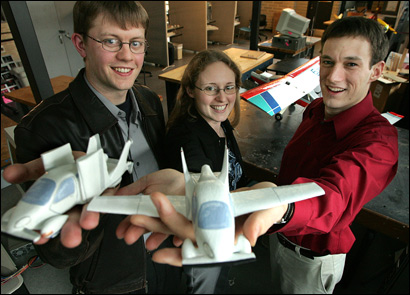
JW Bats of Our Technological Future Blog reports on the "Flying Car Project" at MIT. Here is the link to the newspaper article describing the project. Carl Dietrich is a 28 year old aerospace engineer with a record of innovation.

''People tend to smirk when you say you're trying to make a flying car: 'Oh, you're one of those guys.' " But, he insisted, ''This isn't just another flying car concept. We're very serious about producing a flying car and selling it."

Few who know Dietrich would bet against him. Even by MIT's standards, he is considered a standout -- so much so, in fact, that today he will be announced as the winner of the $30,000 Lemelson-MIT Student Prize. An outside panel of scientists and technologists chose Dietrich for his ''portfolio of novel inventions," including not just the flying car but also a desktop-size fusion reactor and a lower-cost rocket engine.


I wish Dietrich and his team the best of luck, since they plan to begin manufacturing the flying car in 2009. This other fellow has been trying to get his flying car ready for production and marketing for a long time.

CNN.com has an interesting story about a swimming plane that will be launched from a submarine 150 feet below the ocean's surface. The plane will swim to the surface and take off for its flight. At the end of its flight, the plane will land on the ocean and wait to be picked up by a robotic underwater vehicle..

The Cormorant, a stealthy, jet-powered, autonomous aircraft that could be outfitted with either short-range weapons or surveillance equipment, is designed to launch out of the Trident missile tubes in some of the U.S. Navy's gigantic Cold War--era Ohio-class submarines.

....The tubes are as long as a semi trailer but about seven feet wide -- not exactly airplane-shaped. The Cormorant has to be strong enough to withstand the pressure 150 feet underwater -- enough to cave in hatches on a normal aircraft -- but light enough to fly.

....The craft is made of titanium to resist corrosion, and any empty spaces are filled with plastic foam to resist crushing. The rest of the body is pressurized with inert gas. Inflatable seals keep the weapon-bay doors, engine inlet and exhaust covers watertight.


The Cormorant does not shoot out of its tube like a missile. Instead an arm-like docking "saddle" guides the craft out, sending it floating to the surface while the sub slips away. As the drone pops out of the water, the rocket boosters fire and the Cormorant takes off.

After completing its mission, the plane flies to the rendezvous coordinates it receives from the sub and lands in the sea. The sub then launches a robotic underwater vehicle to fetch the floating drone.


Here is the thing: I would like a car that can function as a camper, can swim on the water's surface, can dive like a submarine, and can fly like a plane. Engineers are beginning to think out of the box--just a little. But not nearly enough.

It is not a good sign that engineering enrollment in North America has declined. Although India and China can certainly produce top notch engineers, the jury is still out as to whether engineers trained in Asia are as innovative as European and North American trained engineers. We will all hope so, given the trends.

By the way, I have posted on the issue of declining engineering enrollments here, here, here, and here. It is one thing to wish nature had done things differently, it is quite another to base the future of your society on that wishful thinking, when you know it is not true.

Labels: ,

25 February 2006

Energy Storage: Global Climate Change or Just Cleaner Air?


Hat tip to the Energy Blog for this post on a new book dealing with advances in energy storage technologies. Energy analyst Richard Baxter's "Energy Storage: A Non-Technical Guide", details several newer technologies and their likely impact on the energy industry's shift to cleaner energy generation. Global Warming (Climate Change) and Peak Oil enthusiasts should be following this issue very closely, since in the long run energy storage will have a far greater impact on greenhouse gases and petroleum use than any political movements such as Kyoto or Peak Oil conservation.
From the Energy Blog:

The 302 page book is divided into six sections with a major emphasis on the technologies as indicated by the following outline:

* How energy storage can benefit the electric power industries
* How energy is stored in the fossil fuel markets
* Energy storage technologies
o pumped hydroelectric storage (PHS)
o compressed air energy storage (CAES)
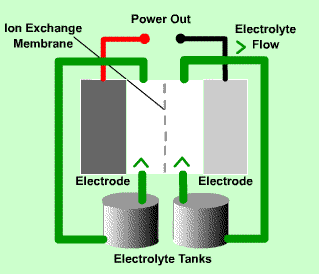
o flow batteries-vanadium redux, zinc bromine, polysulfide bromide and cerium zinc
o sodium sulfide battery
o lead-acid battery
o nickle cadmium battery
o flywheels
o electrochemical capacitors
o superconducting magnetic energy storage
o thermal energy storage
+ design and operation of each technology
+ history of each technology
+ cost issues for each technology
+ examples of installations for each technology
+ prospects and challenges of each technologies
+ major developers of each technologies
* Applications of energy storage
* The role energy storage can play in renewable energy
* How energy storage could effect future energy development

Forty illustrations make reading and understanding the text much easier. Numerous references in each section and a 12-page bibliography are included for those interested in digging deeper into these technologies.


Energy Blog also points to this article by Baxter in EnergyPulse.

The benefits of using wind energy can be quite high. A number of studies by US Government Laboratories (NREL, LLNL, etc.) have shown that adding wind to a diesel-powered local grid can reduce fuel consumption by 40%-50% and total costs by 30% to 50% for areas with plentiful wind resources.(1) However, because of the small size of these power grids (lack of system inertia, etc.) simply adding wind turbines to small power grids cannot be done haphazardly—a systematic review of the load and potential additional wind turbines must be undertaken to ascertain potential benefits, and to determine what level of wind penetration is best. For many of these power grids, the opportunity exists to have wind resources well in excess of 50% of the peak load.

The same studies that showed that increasing the wind penetration can lower the diesel fuel costs on these systems also showed that adding a storage component can gain an additional 10%-20% in system cost reductions. Although wind turbines provide power with no fuel cost, they bring with them operational characteristics that cause the overall system to operate at sub-optimal conditions many times due to the variability of the wind energy, the non-dispatchability of the wind energy, and the additional system stabilization requirements (frequency and voltage) required. By alleviating some of the stress on the system by operating as a dynamic source and sink for power (a shock absorber), energy storage can be a beneficial additional to these island grids for three general reasons: reducing diesel starts/runtime, providing system stability, and improving the reliability of supply from increasing the level of wind penetration for the system.

The value of energy storage to the system increases as the wind penetration increases, as there will be an increasing amount of time that the available wind power exceeds the total system loads. According to one NREL study(2), at 50% wind penetration, storage can provide 20% greater fuel saving and 20% fewer diesel run-tine than non-storage wind/diesel systems alone.


Here is a website from the Engineering Department of SDSU in San Diego giving a general introduction to the topic of energy storage.
Here is an excellent introduction to large scale energy storage from Imperial College London.


Whether one believes in catastrophic anthropogenic global climate change, or merely wants cleaner air to breathe for the indefinite future, integrating storage technologies into the energy infrastructure is excellent news.

Labels: ,

24 February 2006

Nanotechnology Learns from Biology

Nanotechnologists too often approach the assembly of their nano-machines on a de novo basis, ignoring the legions of nano-machines that evolved over a billion years ago. Nano-engineers had better begin learning from the biologically evolved nanodynamic structures, or they will be made irrelevant by bio-nano engineers.

An Oxford University physicist sees the future of nanotechnology in the workings of one of Nature's tiniest motors, that which allows some bacteria to swim by rotating slender filaments known as flagella.

'The bacterial flagellar motor is an example of finished bio-nanotechnology, and understanding how it works and assembles is one of the first steps towards making man-made machines on the same tiny scale,' said Dr Richard Berry, a Tutorial Fellow in Physics at Oxford University. 'The smallest man-made rotary motors so far are thousands of times bigger.'

This motor has the same power-to-weight ratio as an internal combustion engine, spins at up to 100,000 rpm and achieves near-perfect efficiency. Yet at only 50 nanometres across, one hundred million would fit onto a full-stop. The only other natural rotary electric motor is in the enzyme ATP-synthase.

Dr Berry is a member of the Rotary Molecular Motors Group in the Oxford Department of Physics. He presented his research at the Biophysical Society's Annual Meeting in Salt Lake City, Utah, on Sunday 19 February.

The physicist and his Japanese colleagues changed the proteins normally found in the motor of E Coli to make it run on sodium instead of hydrogen ions. This allowed them to reduce its speed of rotation by lowering the level of sodium ions present. They also made the actions of the motor more easily detectable by attaching tiny beads to stubs of flagella. Ultimately 26 distinct steps could be observed in each of its revolutions.

'The motor runs on electric current, the flow of hydrogen or sodium ions across the cell membrane, and each step may be caused by one or two sodium ions passing through the motor,' explained Dr Berry.

The tools involved included optical tweezers, which employ light beams to hold and to measure transparent particles, and a high-speed fluorescence microscope which can capture 2500 images per second.


Here is the source for this report.

Dr. Berry presented his findings to a meeting of Biophysicists in Salt Lake City on February 19.

Labels: ,

Virochips, Prostate Cancer, XMRV Virus--A Sexually Transmitted Disease?

We know that several viruses are linked to cancer, including Human Papillomavirus (HPV), Ebstein Barr Virus (EBV), and others. We know that HPV is spread sexually, making cervical cancer a de facto STD. Now we learn that prostate cancer, at least in some cases, is linked to a virus that has never been found in humans before. This discovery was made possible by a Virochip, a diagnostic device that allows simultaneous testing for 1000 viruses.

This News-Medical-Net release discusses a new finding that a virus, XMRV, has been found in prostate specimens in 8 of 20 men with prostate cancer and two mutated copies of a gene, RNaseL. RNaseL gene serves as a protective mechanism against some viruses. If the gene is mutated, it can no longer protect as well against viral infection.

In a study of 150 men, the researchers identified the virus, called XMRV, and determined that it is 25 times more likely to be found in prostate cancer patients with a specific genetic mutation than men without the mutation.

"This is a virus that has never been seen in humans before," said co- author Eric Klein, M.D., Head of Urologic Oncology at the Glickman Urologic Institute of Cleveland Clinic. "This is consistent with previous epidemiologic and genetic research that has suggested that prostate cancer may result from chronic inflammation, perhaps as a response to infection."

Cleveland Clinic researcher, Robert H. Silverman, Ph.D., previously discovered a gene called RNaseL that fights viral infections. Men with mutations in this gene are at greater risk for prostate cancer. In their study, Cleveland Clinic and University of California researchers examined tissue samples of 86 prostate cancer patients whose prostates had been surgically removed.

....The ViroChip contains genetic sequences of more than 1,000 viruses. Using the chip and the patient samples from Cleveland Clinic, they found the XMRV virus in eight (40%) of the 20 men with two mutated copies of the RNaseL gene and only (1.5%) of the 66 men who had one copy or no copy of the mutated gene. Laboratory pathology at Cleveland Clinic confirmed the presence of the virus in prostate tissue.

While the genetics of prostate cancer are complex, one of the first genes implicated in the process was RNaseL, which serves as an important antiviral defense mechanism. Given the anti-viral role of this gene, some scientists have speculated that a virus could be involved in a subset of prostate cancer cases.

"While we can't state that this virus causes prostate cancer, these are remarkable findings because of the association of the virus with the mutation," said Dr. Robert Silverman, collaborating investigator in the study. "This project was possible only because of the willingness of physicians and scientists in different areas of expertise at the two institutions to work closely together towards a common goal, that of identifying a new infectious agent in prostate cancer."


Read the entire report here.

At this time there is no reason to consider prostate cancer a sexually transmitted disease. Most prostate cancers are probably caused by other factors than this virus. The possibility remains that at least in some men, this virus was sexually transmitted, and may have led to prostate cancer. There are enough reasons to practice safe sex, without adding another one. Nevertheless, there it is. Take care of yourselves.

Access to Orbit--and Beyond


Peak Oil Debunked Blog posted an excellent discussion of the space elevator yesterday. The space elevator concept has been discussed for many decades. Arthur C. Clarke has been one of the foremost promoters of the idea. Despite many potential problems with the space elevator, the economics of boosting a payload to low earth orbit (LEO), and geostationary orbit beyond (GEO), suggest that we humans are not using our imaginations productively enough. As both Buckminster Fuller and Arther Clarke suggested, a geostationary ring of connected satellites, with connecting "spokes" of space elevators anchored to earth's equator, would provide an excellent launching pad from which to reach the moon and other planets in the solar system.

LEO on the Cheap is an interesting free online book that discusses the concept of approaching space economically, without the massive redundancy of NASA. Other approaches include a massive "gun launcher", as well as an electromagnetic rail launcher, and an asynchronous skyhook. (see dynamic systems) This is an interesting discussion of current launch concepts, and this is another plan. Here is another suggestion of getting from here to there.

What will we do when we get to orbit? Here are a few ideas. There are many more possibilities, but they all depend on getting to orbit first. Here are the basics of space flight, from the JPL. Spacefuture.com has many interesting articles, and a good links page. Also see the sidebar to the right, under Outer Space. And for those concerned about climate change, here is the ultimate guide to the control of earth's climate.

Unless humans wish to share the fate of the dinosaurs, they had better learn to use their large brains for something other than shallow entertainments, and dimwitted news shows.

Labels: ,

23 February 2006

Holy Grail of Enzymatics: Making Enzymes that Make Anything You Want

Berkeley Lab, a US DOE national laboratory located near Berkeley, CA, released this news of significant progress in the intelligent design of enzymes in the lab. Ever since scientists learned they could design new genes--and thus new proteins--in the lab, they have been hoping to gain enough specificity in the design of enzymes to allow the use of artificial enzymes to create new and useful molecules that have never existed in nature. Clearly, that is nano-assembly in an enzymatic form, with potential approaching anything Eric Drexler may have dreamed for his own nanoassemblers.

In nature, the divergent evolution of promiscuous enzymes is achieved through trial and error, similar to the way in which the human immune system works. Multiple combinations of many different amino acid substitutions are tested in promiscuous enzymes until an evolutionary path that achieves a desired result is found. The amino acid substitutions that significantly drive molecular evolution are called “plasticity residues.”

The Berkeley researchers identified the plasticity residues for the Grand fir sesquiterpene synthase, then systematically recombined mutations of these residues through site-directed mutagenesis, based on a mathematical model developed by Yoshikuni. Construction of the seven sesquiterpene synthases was accomplished with the screening of fewer than 2,500 mutants. An alterative approach, called directed evolution or molecular breeding, that is currently being tested at other laboratories, requires the screening of tens of thousands to a million or more mutants.

“The enzyme synthase was there ready to be evolved, and with our methodology, we were able to rapidly and efficiently evolve it down a pathway of our choice,” Keasling said. “We are recapitulating evolution into intelligent design. In the case of this particular Grand fir enzyme synthase, it naturally makes a soup of small amounts of 52 different products. We were able to focus it instead on making large amounts of one of seven of those products.”

While the researchers have not yet reached the point where they can design a promiscuous enzyme to make any kind of product they want, even one that does not occur in nature, this demonstration represents a significant step in that direction. The idea would be to one day be able to design an enzyme synthase that would evolve along a specific functional pathway to yield a desired molecular product, then introduce it into microbes for mass production. In addition to synthesizing therapeutic drugs, other possible applications would include flavors, fragrances and nutraceuticals.

“Our ultimate goal is to be able to put as much chemistry as we can into microbes,” said Keasling, a pioneer and leading authority in the burgeoning scientific field of synthetic biology. “We can use microbes to do a lot of complicated chemistry, and the way in which this will be done is through the use of enzymes. One can imagine where you could take a series of promiscuous enzymes that would make different parts of a molecular compound, and combine them to obtain a final product that could do whatever you needed it to do.”

Since plasticity residues also play other important biological roles, in addition to the evolution of promiscuous proteins, Keasling and Yoshikuni said their technology, with some modifications, could prove useful for designing novel functions into other types of enzymes and proteins, as well as protein ligands and receptors, transcription factors and antibodies.

This research was largely funded through grants by the Bill and Melinda Gates Foundation, the National Science Foundation, and the U.S. Department of Agriculture.


Go here to read the whole report.

Labels:

SAT Predicts Life Achievement, IQ


Hat tip to Kevin of Intelligence Testing blog for pointing to a study by Vanderbilt University psychology researchers David Lubinski and Camilla Benbow, along with Rose Mary Webb (Appalachian State University) and April Bleske-Rechek (University of Wisconsin-Eau Claire), high SAT scores at young ages can reveal who will be the high achievers of the future. Lubinski and Benbow have been working on this project for decades now, and have substantiated their findings repeatedly.

The findings are reported in the article "Tracking Exceptional Human Capital Over Two Decades" in the March issue of Psychological Science, a journal of the Association for Psychological Science (previously the American Psychological Society).

The study compared 380 young SAT takers and 586 graduate students. Students under age 13 who scored in the top .01 percentile of their age group on the SAT in the early 1980s were considered having exceptional cognitive abilities; 20 years later (2003-2004), these students were surveyed on their education, career, success, and life satisfaction. Graduate students who had been enrolled in a top-ranked engineering, mathematics, or physical science program in 1992 also took the survey in 2003-2004.

....The results of this longitudinal study on the ability of the SAT to predict long-term achievement and life satisfaction come as other research is demonstrating the potential flexibility of the SAT to be an accurate measure of IQ.


The material in italics is extracted from a Science Blog report. Follow the link at the beginning of the italics for the full report. A word of caution on the Science Blog: I have caught them deleting comments that disagreed with the opinions of the author of individual reports. This is not illegal, but in the blog world, it is not considered ethical unless there is an excellent reason.
Update 2 March 2006: Ben Sullivan of the Science Blog offers a comment here, to clarify the phenomenon of "disappearing comments."

As I state in the followup comment, I would appreciate if any readers would notify me of any censorship of comments on any of the blogs that I link. Removing spam is one thing--we all hate spam. Censorship of ideas is something else, and it happens all too often on political blogs. It should certainly not be happening on science blogs, although sometimes it does.
Labels:

22 February 2006

New Key to Learning and Memory?

Not only is Ghrelin a hot topic among Yale University memory researchers, but Harvard Medical School researchers have identified another possibly key hormone involved in control of memory--myocyte enhancer factor 2 (MEF2). The research appears in the latest issue of Science.

The uncovering of the MEF2 pathway and its genetic switch helps fill in a theoretical blank in neurobiology, but what excites the researchers are the potential implications for the clinic. "Changes in the morphology of synapses could turn out to be very important in a whole host of diseases including neurodegenerative as well as psychiatric disorders," said Azad Bonni, MD, PhD, HMS Associate Professor of Pathology who, with colleagues, authored one of the papers. Michael Greenberg, PhD, HMS Professor of Neurology at Children’s Hospital Boston, who led the other team, believes that the MEF2 pathway could play a role in autism and other neurodevelopmental diseases.

The protein works by either activating or actively repressing target genes. In working on a group of neurons in the developing rat cerebellum, HMS research fellow in pathology Aryaman Shalizi, and HST medical student Brice Gaudilliere along with Bonni and their colleagues, found the MEF2 repressor promoted synaptic differentiation. In a separate study, Steven Flavell, a graduate student in neurology, Greenberg, and their colleagues found the MEF2 activator inhibited the growth of dendritic spines in the rat hippocampus, an area of the brain associated with memory and learning. Flavell, and also the Bonni team, found the activated, or dendrite-whittling, form of MEF2 comes on in response to increased neuronal activity.

That MEF2 activation leads to the inhibition of synapse formation, makes sense in light of what is known about the nervous system. In memory and learning, as well as development, activity leads to a sculpting, or cutting away, of synapses. What may be more surprising is the way activity causes MEF2 to switch from repressor to activator.

What Bonni and his colleagues found is that molecules modify a particular spot on MEF2, and transform it into a repressor. By removing the modification, known as sumoylation, MEF2 becomes an activator.

MEF2 was first identified in neurons in the 1990s. In 1999, Zixu Mao, then an HMS research fellow, working with Bonni, Greenberg, and colleagues showed that MEF2 promotes neuronal survival but little else was known about the protein. Though they knew that MEF2 comes in activated and repressor forms, neither team knew how exactly the protein works. They suspected it might play a role in regulating activity-dependent synaptic remodeling and set out to find out if that was the case.


For those interested, you can read the rest of the release here.

It is likely that MEF2 is particularly active in early childhood, when the neuronal tree is being "pruned" most actively. But given that neuronal plasticity continues well into adulthood, this particular peptide may be another one to watch, in terms of spawning treatments for dementia.

Ghrelin: Peptide Can Boost Learning and Fight Dementia

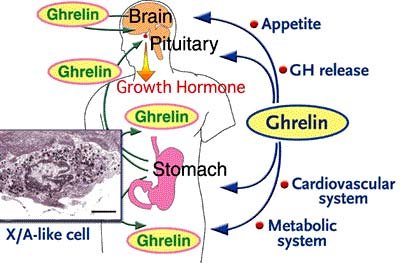
Ghrelin is a peptide hormone known to be produced in the stomach and the hypothalamus. When the stomach is empty, ghrelin is produced, stimulating hunger in the brain via the "orexin pathway." Now we are learning that ghrelin does more than simply stimulate the appetite. Ghrelin may hold one of the keys to improving learning and blocking dementia. In addition, new drugs for combatting the obesity epidemic and other conditions may likely be found from research into ghrelins and the orexin pathway.

Eurekalert presents this newsrelease that introduces research on ghrelin from Yale University.

Researchers at Yale School of Medicine have found evidence that a hormone produced in the stomach directly stimulates the higher brain functions of spatial learning and memory development, and further suggests that we may learn best on an empty stomach.

Published in the February 19 online issue of Nature Neuroscience by investigators at Yale and other institutes, the study showed that the hormone ghrelin, produced in the stomach and previously associated with growth hormone release and appetite, has a direct, rapid and powerful influence on the hippocampus, a higher brain region critical for learning and memory.

The team, led by Tamas L. Horvath, chair and associate professor of the Section of Comparative Medicine at Yale School of Medicine, and associate professor in the Department of Obstetrics, Gynecology & Reproductive Sciences, and Neurobiology, first observed that peripheral ghrelin can enter the hippocampus and bind to local neurons promoting alterations in connections between nerve cells in mice and rats. Further study of behavior in the animals showed that these changes in brain circuitry are linked to enhanced learning and memory performance.

Because ghrelin is highest in the circulation during the day and when the stomach is empty, these results also indicate that learning may be most effective before meal-time.

....Horvath said that high ghrelin levels or administration of ghrelin-like drugs could also protect against certain forms of dementia, because aging and obesity are associated with a decline in ghrelin levels and an increased incidence of conditions of memory loss like Alzheimer's disease.


Here is more about the Orexin pathway and its activities. Ghrelin also acts to stimulate growth hormone secretion. This is one peptide hormone that holds a lot of promise.

Harvard Sticks with its Prejudices--Dispenses with Reform


The Washington Post newspaper published an editorial today dealing with the latest in the Lawrence Summers affair--Summers' resignation from Harvard. A lot will be written about the rise and fall of Lawrence Summers as Harvard President, but this editorial does a fair job of summarizing the issue.

Prejudice Wins

Wednesday, February 22, 2006; Page A14

UNIVERSITIES EXIST to pose tough questions, promote critical thinking, and generally challenge complacency and prejudice. When he became president of Harvard five years ago, Lawrence H. Summers determined that the university was not living up to this mission: It was infected by its own complacencies and prejudices, and he did not shrink from saying so. This outspokenness won Mr. Summers support across the university: A new online poll conducted by the Harvard Crimson found that 57 percent of undergraduates supported him -- only 19 percent thought he should resign -- and the deans of several faculties praised his leadership. But Mr. Summers alienated a vocal portion of the Arts and Sciences faculty, which pressed last year for a vote of no confidence in him and recently forced a second such vote on to the schedule for next week. Yesterday Mr. Summers preempted that second vote by announcing that he would step down in the summer. Because of the prestige of Harvard, his defeat may demoralize reformers at other universities.

Mr. Summers fought several well-publicized battles with Harvard's establishment. He refused to rubber-stamp appointees chosen by the faculties, blocking candidates who seemed insufficiently distinguished and pressing for diversity in political outlook. This prompted complaints that he was acting like a corporate chief executive -- as though there were something wrong with that. Next, Mr. Summers had the temerity to suggest that Cornel West, a professor of Afro-American studies, produce less performance art and more scholarship. This plea for academics to do academic work was construed as racist. After the terrorist attacks of Sept. 11, 2001, Mr. Summers criticized Harvard's hostility to the U.S. armed forces and called attention to the cultural gap between elite coastal campuses and mainstream American values. The fact that these commonsensical positions alienated people at Harvard speaks volumes about the cultural gap that troubled Mr. Summers.

Perhaps most explosively, Mr. Summers raised the possibility that the underrepresentation of women in science and engineering faculties might reflect innate gender differences in ability. His claim was not that women were less intelligent on average, but rather that fewer women than men might be outstandingly bad or outstandingly good at math, with the result that the pool of math geniuses from which universities recruit is disproportionately male. "I would far prefer to believe something else, because it would be easier to address what is surely a serious social problem if something else were true," he noted. But he was immediately branded a sexist.

Mr. Summers can be undiplomatic, as he acknowledged in his resignation letter. But university professors, of all people, should not require mollycoddling; they should be willing to embrace leaders who ask hard questions about how well they are doing their jobs. The tragedy is that the majority at Harvard seems to have known that. But, in university politics as elsewhere, loud and unreasonable minorities can trump good sense.


Alan Dershowitz published an editorial in boston.com today entitled "Coup against Summers Dubious Victory for the Politically Correct." The entire article is well written, but I will quote just the last paragraph. Dershowitz points out that the Faculty of Arts and Sciences at Harvard is merely one faculty out of several, and overloaded with the senile devotees of political correctness.

It was arrogant in the extreme for a plurality of a single faculty to purport to speak for the entire university, especially when that plurality is out of synch with the mainstream of Harvard. It was dangerous for the corporation to listen primarily to that faculty, without widely consulting other professors, students, and alumni who supported Summers. Now that this plurality of one faculty has succeeded in ousting the president, the most radical elements of Harvard will be emboldened to seek to mold all of Harvard in its image. If they succeed, Harvard will become a less diverse and less interesting institution of learning governed by political-correctness cops of the hard left. This is what happened in many European universities after the violent student protests of the late 1960s. It should not be allowed to happen at Harvard in the wake of the coup d'etat engineered by some in the Faculty of Arts and Sciences.

There is a new president at Harvard now--the same as the old president before Summers. His name is Political Correctness, and he is a cold and killing dogma. You may not be surprised to know that he is president of many universities across North America, perhaps your own school?

Labels: ,

Predicting Life Extension and Human Longevity

Over at the Speculist Blog, Stephen Gordon talks about the joys and perils of predicting trends in human longevity and life extension. Stephen once predicted--boldly, he felt--that 2014 would be the date for life extension to take off. Now Stephen is in the uncomfortable position of being upstaged by a biologist from Stanford, Shripad Tuljapurkar.

In this article, Dr. Tuljapurkar makes many interesting predictions concerning the effects on the world of increasing average lifespan past the 100 year mark. Overpopulation, increased inequality, a trend toward more serial monogamy, and the raising of the retirement age are some of his predictions. Dr. T. sets the date 2010 as the beginning of the rising lifespan.

The Speculist feels that a lot of unanticipated things will happen between now and 2010, and certainly between now and 2030. The Speculist represents a fairly optimistic blog-vision of the future. But read both the above article, and the reaction by the Speculist.

Personally, I feel that the acceleration has already begun. Not only are new drugs such as statins, ACEIs, ARBs, modafinil, donezepil, memantine, and many others changing many of the underlying processes of degeneration in the body and mind, but the process of new drug discovery is exploding rapidly. In addition, many people have gone on their own into personal life extension experimentation, taking pharmaceuticals and non-pharmaceuticals alike. Vitamin stores are happy to sell resveratrol, quercetin, carnosine, lipoic acid, Curcumin, DHEA, and other promising non-pharmaceuticals to an ever more sophisticated buying public.

Besides all that, a new generation of scientists has grown up with the idea that life extension is not wrong or unnatural, but is completely natural, ethical, and a worthy goal to pursue. These scientists are finding that the people who control the purse-strings are growing more agreeable as well. The tsunami has been spawned by the underlying groundswell, and will not be stopped. ETA: any time now.

Labels: , , ,

Exposing the Brain

Hat tip to both Develintel and Intelligence Testing blogs, for pointing me to this useful download for teaching the neuroanatomy of the brain. Brain Voyager Brain Tutor is a free download educational program with great visuals, that lets you look at the brain, and slices of the brain, from different angles and vantage points.

Here is the description from the website:

BrainVoyager Brain Tutor is an educational program that teaches knowledge about the human brain the easy way. The program lets you interactively explore high-quality 3D head and brain models, which can be rotated, moved and zoomed in real-time. The head and brain models have been computed with BrainVoyager QX using data from magnetic resonance imaging (MRI) scans. Besides having fun with the rotatable 3D models, the program contains information about the major lobes, gyri and sulci of the cerebral cortex, which are revealed in color simply by clicking on a part of the brain. The next release of BV Brain Tutor will also contain Brodman areas and brain regions revealed by functional MRI.

BrainVoyager Brain Tutor runs on all major computer platforms including Windows, Linux and Mac OS X. The Mac version of BV Brain Tutor recently won the runner-up prize for the Best Original Qt Application developed with the commercial Qt license in Trolltech's Qt/Mac Application Developer Contest. BV Brain Tutor can be freely downloaded here.


Both Develintel and Intelligence Testing have some good posts up recently. Go over and check them out.

Labels: ,

21 February 2006

Glycomics: The next level of Gene Expression after Genomics and Proteomics?


Move over genomics, and proteomics. Now there is glycomics, the study of the carbohydrates in the cell. This is but another level of gene expression, and many of the the same tools used in genomics and proteomics are being called into service in understanding this new level of complexity. Expect many new pharmaceuticals to come from an understanding of this very complex field.

Though they are not charged with storing genetic information like DNA or acting as enzymatic workhorses like proteins, carbohydrates nevertheless do carry information and are responsible for important biological functions, playing a central role in many types of intercellular communication events, protein folding, cell adhesion, and immune recognition.

One of the most important frontiers of basic research in biology today is to understand the human glycome--all of the types of carbohydrate structures in the human body and what they do. This is a profoundly difficult endeavor. The total number of carbohydrate structures in humans may be 10,000 to 20,000, although it is hard to fix a hard number to this, says Paulson. Nevertheless, he adds, "We think understanding the glycome is possible now. We didn't think that three years ago."


From another source:

As the human genome sequence is nearly deciphered, it is important to turn the attention to the physiological functions of the genes. Thus, the study of the gene products, the proteins, is the next big challenge. The proteins, however, are not the final gene products in many cases. It has been shown that carbohydrates participate in post-translational modifications and in many other functional regulations, hence the study of the glycome, the entire collection of carbohydrates is essential in order to determine the functions of all genes, and will greatly enhance the field of chemical genetics.

By analogy with the term ‘proteome’, the term ‘glycome’ has been coined for the glycan repertoire of an organism. Also, in the wake of ‘genomics’ and ‘proteomics’, the word ‘glycomics’ has become the trendy term for the characterisation by structure and function of the glycans in the system under study. In this section of Current Opinion in Structural Biology, four reviews take us to the frontiers of knowledge on the biosyntheses and roles of glycosaminoglycans (GAGs), and two of the exotic decorations of glycoproteins, O-mannosyl and O-GlcNAc glycans. Two reviews focus on new approaches to the study of carbohydrate–protein interactions: carbohydrate microarrays to examine proteins for carbohydrate-binding activity and NMR spectroscopy for analyses of the structural details of carbohydrate–protein interactions in solution.

* Complex glycans are important modulators of numerous biological processes, ranging from organ development to wound healing to the modification of diseases such as cancer. Although there are some exceptions, glycans do not generally control biological processes in a digital 'on or off' manner; rather, they 'fine-tune' biological functions.

* Complex glycans are either linear or branched structures that can exist alone or attached to other biomolecules. Owing to variation in branching patterns and in the individual monosaccharides that comprise the chain, glycans are information-dense biomolecules.

* Recent advances in several areas of research — including the development of analytical techniques, numerous genetic studies, new synthetic strategies and the advent of bioinformatics platforms — have raised the exciting possibility that glycan-based drugs could be developed for many diseases.

* Structure–function studies in this area have already led to important advances, both scientifically and in terms of drug development. Two examples of the latter are the development of second-generation antithrombotics with increased efficacy and increased clinical usefulness, and the development of improved forms of glycoprotein drugs.

* The US National Institutes of Health has recently sponsored the development of a consortium that brings together leaders in the field of glycan chemistry and biology to systematically catalogue and study glycan structure and function. This endeavour promises to provide a wealth of important information for the development of novel therapeutics and diagnostics, in a similar way to other federally sponsored initiatives in genomics and proteomics.


...It has become increasingly clear over the past decade that GAGs at the cell surface influence the interactions of cells with their immediate environment in ways that are sensitive to the fine structure of GAGs with respect to monosaccharide sequence and sulfation pattern. At the molecular level, the degree of specificity with which heparan sulfate (HS) sequences interact with, for instance, fibroblast growth factors and their receptors is a continuing source of interest and controversy. Studies at the whole-organism level have revealed the consequences of the absence of several of the enzymes of GAG biosynthesis, including some specific sulfotransferases. These knockout experiments have demonstrated that sulfate substitutions at particular positions on the GAG structure are necessary for specific aspects of embryonic development. Kusche-Gullberg and Kjellén present a concise but comprehensive summary of recent work on the identification and characterisation of the sulfotransferases that form the intricate GAG sulfation patterns.

Specific interactions between extracellular proteins and the GAGs heparin and HS are recognized to be dependent on variations in the details of sequence and substitution. In contrast, the galactosaminoglycans, known as chondroitin sulfates (CSs), have, in the past, been assumed to play a relatively inert, structural role, particularly in the extracellular matrix. Sugahara and co-authors review recent literature showing that CS, as well as HS, may be involved in development and morphogenesis, wound repair and infection, and that this involvement is dependent on patterns of sulfate substitution. CS in the central nervous system may act as a barrier to neuronal cell growth; the use of chondroitin-degrading enzymes to permit the regrowth of nervous tissue after, for example, spinal cord damage may be of considerable medical significance. On the other hand, some over-sulfated CS sequences present in the brain bind to growth factors and may play a part in neuritogenesis. Work on the model organism C. elegans has shown that GAGs are essential for correct development; the absence of chondroitin synthase (induced by RNAi of the sqv-5 gene, orthologous to human ChSy) can lead to serious anomalies, such as gonadal malformation and a profound disregulation of cell division in the early stages of embryogenesis, by mechanisms not yet fully understood. A current topic of research concerns the involvement of CS with specific sulfation patterns in infection, with particular reference to malaria in pregnancy.


In comparison with genomics and proteomics, the advancement of glycomics has faced unique challenges in the pursuit of developing analytical and biochemical tools and biological readouts to investigate glycan structure-function relationships. Glycans are more diverse in terms of chemical structure and information density than are DNA and proteins. This diversity arises from glycans' complex nontemplate-based biosynthesis, which involves several enzymes and isoforms of these enzymes. Consequently, glycans are expressed as an 'ensemble' of structures that mediate function. Moreover, unlike protein-protein interactions, which can be generally viewed as 'digital' in regulating function, glycan-protein interactions impinge on biological functions in a more 'analog' fashion that can in turn 'fine-tune' a biological response. This fine-tuning by glycans is achieved through the graded affinity, avidity and multivalency of their interactions. Given the importance of glycomics, this review focuses on areas of technologies and the importance of developing a bioinformatics platform to integrate the diverse datasets generated using the different technologies to allow a systems approach to glycan structure-function relationships.

Labels:

Sleeper Virus Waits to Trigger Cancer in 90% of Humans

Epstein Barr Virus, EBV, infects most humans during their childhood. For most, the symptoms are mild, like a passing cold. For some, the infection manifests as mononucleosis, with side effects that can range from hepatitis to splenic rupture to heart and CNS involvement. Like other herpes viruses, EBV sticks around after the initial infection, sleeping and waiting.

Sometimes the sleeping virus wakes up and causes cancer--Burkitt's lymphoma or nasopharyngeal carcinoma. Sometimes persons with vague immune disorders or fatigue syndromes reveal nothing more on laboratory tests than latent or chronic EBV infection.

Medical News Today has a newsrelease about the sleeping EBV and a possible weakness in the virus that might be exploited.

Like Sleeping Beauty, the Epstein Barr Virus (EBV) slumbers in the cells of 90 per cent of the world's population, waiting to be awakened - but it's no beauty. The study, which appears in this week's issue of the journal Molecular Cell, also reveals a potential weak point that could be targeted by antiviral drugs.

The molecule is a protein called ZEBRA, which the virus brings along as it infects human cells. ZEBRA is essential to switching the virus from its latent to its active state. "During an infection, EBV inserts its own DNA into the nucleus of human cells. This information contains the codes for about 100 genes," says Christoph Müller, head of an EMBL research lab in Grenoble. "Less than 10 genes are sufficient for the virus during its latent state, whereas all others are necessary to produce new viruses and to infect new host cells. Those have to be switched on, and ZEBRA functions as the switch which turns the cell into a factory to manufacture thousands of copies of the virus."

One result is the disease infectious mononucleosis - called the "kissing disease" because EBV is transmitted in saliva - whose symptoms resemble that of a cold. But in rare cases activation of the virus also leads to EBV associated cancers, especially in people with immune deficiencies.

Researchers have focused on ZEBRA because of its ability to activate so many genes. It does so by recognizing specific strings of chemical "letters" in the DNA, docking onto them and allowing the information to be read and transformed into raw materials to make new viruses.

"A good strategy in fighting viruses is to block the activation of viral genes," says Patrice Morand, a physician at the University hospital and the IVMS. "The drugs we currently use against EBV work that way. The problem is that they only interrupt the late phase of the viral cycle. Since ZEBRA is essential to the first steps, waking the virus, blocking it would be much better."

The researchers utilised the tools of genomics and proteomics to find the target protein, and potential drug targets on its surface. Read the entire article for more details.

Hating America: New Olympic Sport?


If one grows up in Canada, it can be easy to learn to hate america, almost as much as palestinian children learn to hate jews and Israel. It is almost a reflex. It is interesting to observe how someone who moves to Europe from the US might be swayed by anti-americanism there, might reflexively come to adopt some of the same prejudice of his hosts. Bruce Bawer moved to Europe from the US in 1988, and started drawing comparisons. After discussing personal anecdotes, Bawer moves to reviewing recent anti-american popular publications that are selling well in Europe.

Bawer quotes briefly from Mark Heertsgard's "In the Eagle's Shadow" and concludes that:

America, in short, is a mess—a cultural wasteland, an economic nightmare, a political abomination, an international misfit, outlaw, parasite, and pariah. If Americans don’t know this already, it is, in Hertsgaard’s view, precisely because they are Americans: “Foreigners,” he proposes, “can see things about America that natives cannot. . . . Americans can learn from their perceptions, if we choose to.” What he fails to acknowledge, however, is that most foreigners never set foot in the United States, and that the things they think they know about it are consequently based not on first-hand experience but on school textbooks, books by people like Michael Moore, movies about spies and gangsters, “Ricki Lake,” “C.S.I.,” and, above all, the daily news reports in their own national media. What, one must therefore ask, are their media telling them? What aren’t they telling them? And what are the agendas of those doing the telling? Such questions, crucial to a study of the kind Hertsgaard pretends to be making, are never asked here. Citing a South African restaurateur’s assertion that non-Americans “have an advantage over [Americans], because we know everything about you and you know nothing about us,” Hertsgaard tells us that this is a good point, but it’s not: non-Americans are always saying this to Americans, but when you poke around a bit, you almost invariably discover that what they “know” about America is very wide of the mark.

....Yes, there’s much about the American news media that deserves criticism, from the vulgar personality journalism of Larry King and Diane Sawyer to the cultural polarization nourished by the many publishers and TV news producers who prefer sensation to substance. But to suggest that American journalism, taken as a whole, offers a narrower range of information and debate than its foreign counterparts is absurd. America’s major political magazines range from National Review and The Weekly Standard on the right to The Nation and Mother Jones on the left; its all-news networks, from conservative Fox to liberal CNN; its leading newspapers, from the New York Post and Washington Times to the New York Times and Washington Post. Scores of TV programs and radio call-in shows are devoted to fiery polemic by, or vigorous exchanges between, true believers at both ends of the political spectrum. Nothing remotely approaching this breadth of news and opinion is available in a country like Norway. Purportedly to strengthen journalistic diversity (which, in the ludicrous words of a recent prime minister, “is too important to be left up to the marketplace”), Norway’s social-democratic government actually subsidizes several of the country’s major newspapers (in addition to running two of its three broadcast channels and most of its radio); yet the Norwegian media are (guess what?) almost uniformly social-democratic—a fact reflected not only in their explicit editorial positions but also in the slant and selectivity of their international coverage.3 Reading the opinion pieces in Norwegian newspapers, one has the distinct impression that the professors and bureaucrats who write most of them view it as their paramount function not to introduce or debate fresh ideas but to remind the masses what they’re supposed to think. The same is true of most of the journalists, who routinely spin the news from the perspective of social-democratic orthodoxy, systematically omitting or misrepresenting any challenge to that orthodoxy—and almost invariably presenting the U.S. in a negative light. Most Norwegians are so accustomed to being presented with only one position on certain events and issues (such as the Iraq War) that they don’t even realize that there exists an intelligent alternative position.

Things are scarcely better in neighboring Sweden. During the run-up to the invasion of Iraq, the only time I saw pro-war arguments fairly represented in the Scandinavian media was on an episode of “Oprah” that aired on Sweden’s TV4. Not surprisingly, a Swedish government agency later censured TV4 on the grounds that the program had violated media-balance guidelines. In reality, the show, which had featured participants from both sides of the issue, had plainly offended authorities by exposing Swedish viewers to something their nation’s media had otherwise shielded them from—a forceful articulation of the case for going into Iraq.4 In other European countries, to be sure, the media spectrum is broader than this; yet with the exception of Britain, no Western European nation even approaches America’s journalistic diversity. (The British courts’ recent silencing of royal rumors, moreover, reminded us that press freedom is distinctly more circumscribed in the U.K. than in the U.S.) And yet Western Europeans are regularly told by their media that it’s Americans who are fed slanted, selective news—a falsehood also given currency by Americans like Hertsgaard.


Bawer moves through a long line of authors who write scathingly about the US, who obviously hate america and have many friends and sympathizers. Then he moves to an immigrant to america who tells a different story:

Dinesh D’Souza seeks not to encourage or explain anti-Americanism but to counter it by answering the question posed in his book’s title: What’s So Great about America?13 D’Souza, a former Reagan aide and longtime fixture at right-wing think tanks, reminds us that many of the Third World societies that leftists such as Hertsgaard and Hutton affect to admire are (hello!) fiercely reactionary. Indeed, D’Souza makes it clear that his own conservative moral perspective owes much to the traditional cultural values of his native India. “The critics of America,” he asserts—referring not to European socialists but to reactionary Muslims—are “onto something.” Their critique, he says, is moral in character, and D’Souza (a Catholic) gives little indication of disagreeing with their moral criteria, including their equation of morality with religious orthodoxy. “The West,” he proposes, “is a society based on freedom whereas Islam is a society based on virtue.” How about: Islamic societies enforce stifling Koranic notions of virtue, and punish infractions with brutal Sharia justice, while democratic societies do not presume to dictate individual moral convictions? D’Souza shares the Islamic view that “there is a good deal in American culture that is disgusting to normal sensibilities.” (He never tells us what he means by “normal”—and one is not sure one wishes to know.) Muslims, he notes, “say our women are ‘loose,’ and in a sense they are right.” (Yes, if by “loose” you mean that they have the same sexual freedom as men; it’s called “equal rights.”) The father of a young daughter, D’Souza says he has “come to realize how much more difficult it is to raise her well in America than it would be . . . to raise her in India.” (Yes, if by “raise her well” you mean—oh, never mind. You get the idea.)

Despite America’s lack of virtue, however—all the “crime, drugs, divorce, abortion, illegitimacy, and pornography” (given his track record, the omission of homosexuality from this list is surprising)—D’Souza chooses the U.S. over India. Why? Because “I know that my daughter will have a better life if I stay. I don’t mean just that she will be better off; I mean that her life is likely to have greater depth, meaning, and fulfillment in the United States than it would in any other country.” For he’s come to see that there’s “something great and noble about America”: namely, the fact that in the U.S., you’re “the architect of your own destiny.” He tries, not with undivided success, to distinguish between the founding American principle of self-determination (good) and the narcissistic do-your-own-thing mentality of the 1960s (not so good). As an example of the former, he movingly describes how his talk of feeling “called to be a writer” and of wanting “a life that made me feel true to myself” baffled his Indian father; as an example of the latter, he unfeelingly mocks a young man with “a Mohawk, earrings, a nose ring, tattoos” who waited on him at a Starbucks and whom D’Souza dismisses as “a specimen.” Not a pretty performance.


Then Bawer moves to Jean Francois Revel's "Anti American Obsession:"

Item by item, Revel refutes the European media’s picture of America. Poverty? An American at the poverty level has about the same standard of living as the average citizen of Greece or Portugal. (Indeed, according to a recent study by the Swedish Trade Research Institute, Swedes have a slightly lower standard of living than black Americans—a devastating statistic for Scandinavians, for whom both the unparalleled success of their own welfare economies and the pitiable poverty of blacks in the racist U.S. are articles of faith.) Crime? America has grown safer, while the French ignore their own rising crime levels, a consequence of “permanent street warfare” by Muslim immigrants “who don’t consider themselves subject to the laws of the land” and of authorities with “anti-law-and-order ideologies.” Revel contrasts France’s increasingly problematic division into ethnic Frenchmen and unassimilated immigrants with “America’s truly diverse, multifaceted society,” pointing out that “the success and originality of American integration stems precisely from the fact that immigrants’ descendants can perpetuate their ancestral cultures while thinking of themselves as American citizens in the fullest sense.” Bingo. (Most Americans, I think, would be shocked to realize how far short of America Europe falls in this regard.)

Media? Revel recalls that when he first visited the U.S., he “was struck by the vast gulf that separated our [French] state-controlled television news services—stilted, long-winded and monot- onous, dedicated to presenting the official version of events—from the lively, aggressive evening news shows on NBC or CBS, crammed with eye-opening images and reportage that offered unflinching views of social and political realities at home and American involvement abroad.” (Take that, Mr. Hutton.) He also observed a difference in the populace: “whereas in France people’s opinions were fairly predictable and tended to follow along lines laid down by their social role, what I heard in America was much more varied—and frequently unexpected. I realized that many more Americans than Europeans had formed their own opinions about matters—whether intelligent or idiotic is another question—rather than just parroting the received wisdom of their social milieu.” True: by Western European standards, I’ve come to realize, Americans are very independent thinkers.

To Revel, the tenacity of European anti-Americanism, despite historical developments that should have finished it off once and for all, suggests “that we are in the presence, not of rational analysis, but of obsession”—an obsession driven, he adds, by a desire to maintain public hostility to Jeffersonian democracy. The European establishment, Revel notes, soft-pedals the fact that Europeans “invented the great criminal ideologies of the twentieth century”; it defangs Communism (at “the top French business school,” students think Stalin’s great error was to “prioritize capital goods over . . . consumer goods”); and it identifies the U.S., “contrary to every lesson of real history . . . as the singular threat to democracy.” Revel’s vigorous assault on all this foolishness might easily have been dismissed in France (or denied publication altogether) but for the fact that he’s a member of that revered symbol of French national culture, the Académie Française.


The bulk of Bawer's article discusses the many recent books detailing the evils of america, and why america should be hated and feared far more than any threat from violent muslim fanatics or expansionist nationalist China with its puppet dictators. He discusses where this hatred and fear of america came from and why it is a virtual inevitability regardless of the foreign policy actions of the US government. Read the whole thing.

Hat tip: Donald Sensing's One Hand Clapping.

Labels:

20 February 2006

Designer Genes: Wear With Pride


Medical News Today provides an intriguing report on the development of an advanced computer program from Johns Hopkins that should speed up the design and manufacture of artificial genes for genomics and proteomics research.

The program, called GeneDesign, guides the design of blueprints for DNA segments to the exacting specifications required for studying gene function and genetically engineering cells. The blueprints are then used by companies or other investigators to synthesize the gene.

....GeneDesign automates the process of determining which base pairs -- the building blocks of DNA -- should be linked together in a particular order to make a gene, according to Jef Boeke, Ph.D., professor of molecular biology and genetics and director of the High Throughput Biology Center at The Johns Hopkins University School of Medicine. A gene codes for a specific protein, and the order of the hundreds or thousands of base pairs making up that gene determines the order of the amino acid building blocks making up that protein. Boeke is senior author of the paper.

"GeneDesign not only guides the user in designing the gene, but also automatically diagnoses design flaws in the sequence of bases making up the gene," said Boeke.

....GeneDesign consists of six modules that can be used individually or in series to automate the tasks required to design and manipulate synthetic DNA sequences. The program allows the user to start with either the sequence of the amino acid making up the protein or the bases making up the gene that codes for that protein. Then the user moves through a series of steps that guide the design of the gene and vector that will carry the gene into the cell. Users can follow the main "Design a Gene" path or use the modules individually as needed. Vectors are mobile pieces of DNA that are used to carry artificial genes into cells.

A major advantage to GeneDesign is the ability to choose specific codons that work especially well in specific organisms, Boeke said. A codon is a trio of bases in a gene that codes for a specific amino acid building block. Most amino acids are represented by more than one codon. For example, the codons GCU, GCC, GCA, GCG can each code for the amino acid alanine.

....Another advantage of the GeneDesign is ease of creating restriction sites -- places along the DNA where the gene can be cut, said Sarah M. Richardson, a Ph.D. candidate in the Department of Genetic Medicine at Hopkins and first author of the paper. Scientists use molecular scissors called restriction enzymes to make these cuts, which allow them to do the cutting and pasting needed to put artificial genes into vectors.

"GeneDesign guides the choice of the series of base pairs where the restriction enzymes cut the DNA," Richardson said. "That lets investigators use different restriction enzymes to make cuts exactly where they want to.


Here is the link to the website for GeneDesign Beta2.0, which includes instructions for using the program's modules, and the program manual.

This is just one more tool in a long line of exciting new tools for advancing knowledge in the big three fields of the future: molecular biology (genomics, proteomics, RNA etc), nanotechnology, and information science/technology. A powerful synergy between these fields has developed which steepens the knowledge acquisition curve even more.

Labels: ,

Europe Falls Further Behind


Albion's Seedlings provides a posting that compares the economic progress of Europe with that of the USA. I am happy to see that at least Canada is doing relatively well.

Adding 1 million net citizens every nine months (one every 13 seconds), America is extending its lead in prosperity over not only poor and moderately wealthy nations, but over virtually all of its erstwhile companions on the “heights” of Mount Prosperity. Next-door neighbour Canada is the only eight digit population close to the US, coming in at 78% of US per capita GDP (PPP adjusted).

The article discusses the rise of Japan, Korea, and China, along with the relative stagnation of Brazil, Russia, India, and Europe. Follow this link to read the entire article.


Unfortunately for Europeans, the member states of the EU appear to be transforming into a large retirement home of limited means. Even more sadly for Europe, the young workers being imported to provide financial support for the native retirees appear to have troublemaking on their minds.

Labels: ,

Resveratrol, Quercitin, Calorie Restriction, Longevity

Scientific American's new issue contains an article about "longevity genes" and the search to unlock them. Many articles have been written about the Sir and Sirt genes known to influence longevity in yeast and lower animals. The recent SciAm article brings us fairly up to date on the research of the authors and their associates (David Sinclair and Lenny Guarente).

Calorie restriction (CR) was cited as one of the few maneuvers known to increase lifespan of laboratory animals. Not surprisingly, CR works through the Sirt genes. What was surprising was that resveratrol, found in red grapes and wine, also affects the Sirt genes in much the same way as CR.

First of all, the researchers had to dispense with an old theory that turned out to be false:
The phenomenon (life extension through CR) was long attributed to a simple slowing down of metabolism--cells' production of energy from fuel molecules--and therefore reduction of its toxic by-products in response to less food.

But this view now appears to be incorrect. Calorie restriction does not slow metabolism in mammals, and in yeast and worms, metabolism is both sped up and altered by the diet. We believe, therefore, that calorie restriction is a biological stressor like natural food scarcity that induces a defensive response to boost the organism's chances of survival. In mammals, its effects include changes in cellular defenses, repair, energy production and activation of programmed cell death known as apoptosis.


....Yet if humans are ever to reap the health benefits of calorie restriction, radical dieting is not a reasonable option. Drugs that can modulate the activity of Sir2 and its siblings (collectively referred to as Sirtuins) in a similar manner will be needed. Just such a Sirtuin-activating compound, or STAC, called resveratrol has proven particularly interesting. Resveratrol is a small molecule present in red wine and manufactured by a variety of plants when they are stressed. At least 18 other compounds produced by plants in response to stress have also been found to modulate Sirtuins, suggest?-ing that the plants may use such mole?-cules to control their own Sir2 enzymes.

....Feeding resveratrol to yeast, worms or flies or placing them on a calorie-restricted diet extends their life spans about 30 percent, but only if they possess the SIR2 gene. Moreover, a fly that overproduces Sir2 has an increased life span that cannot be further extended by resveratrol or calorie restriction. The simplest interpretation is that calorie restriction and resveratrol each prolong the lives of fruit flies by activating Sir2.

Resveratrol-fed flies not only live longer, despite eating as much as they want, but they do not suffer from the reduced fertility often caused by calorie restriction. This is welcome news for those of us hoping to treat human diseases with molecules that target Sir2 enzymes. But first we want a better understanding of the role of Sir2 in mammals.


....Increased Sirt1 (the mammalian version of Sir2) in mice and rats, for example, allows some of the animals' cells to survive in the face of stress that would normally trigger their programmed suicide. Sirt1 does this by regulating the activity of several other key cellular proteins, such as p53, FoxO and Ku70, that are involved either in setting a threshold for apoptosis or in prompting cell repair. Sirt1 thus enhances cellular repair mechanisms while buying time for them to work.

....Both our labs are running carefully controlled mouse experiments that should soon tell us whether the SIRT1 gene controls health and life span in a mammal. We will not know definitively how Sirtuin genes affect human longevity for decades. Those who are hoping to pop a pill and live to 130 may have therefore been born a bit too early. Nevertheless, those of us already alive could live to see medications that modulate the activity of Sirtuin enzymes employed to treat specific conditions such as Alzheimer's, cancer, diabetes and heart disease. In fact, several such drugs have begun clinical trials for treatment of diabetes, herpes and neurodegenerative diseases.

The authors were careful not to hype resveratrol, since the research is still ongoing. Other people working with CR are a bit more enthusiastic about resveratrol. Both resveratrol and quercetin have been known for a number of years now to influence Sirt genes. Vitamin and supplement makers are growing quite sophisticated in keeping up with research, and waste no time making natural phytochemicals available to the public, where legal.

It is unlikely that these phytochemicals represent a hazard to the public. Certainly I have been imbibing resveratrol in liquid form for several years now, with no untoward effects noted. Nevertheless, it is hazardous to the purse to buy every supplement that some vitamin salesman promotes. Follow the research and make up your own mind.

I recommend reading the Scientific American article in its entirety.

Labels: , , , ,

19 February 2006

New Blog Discovery: Beta Rhythm


Update 20 Feb 2006: Several postings have been moved from Beta Rhythm blog to another blog callednanobiologynotes. I just discovered this alteration today, so please adjust your bookmarks accordingly. Here is the new link for the clathrin article. The old link will fail if you try to use it. That is one hazard of linking to websites that may move or be discontinued.


Beta Rhythm blog (see sidebar under cognitive science/neuroscience) has posted an interesting article about clathrin, a polymerising peptide molecule that naturally self-organises to form intracellular vesicles, for transporting molecules into cells, then fusing with lysosomes and other intracellular organelles for intra-cellular processing. Very interesting stuff. He references several excellent sources in this one article, including Botany Online, internet hypertextbook.

I only recently discovered The Beta Rhythm blog family when doing a blog search on some topic or other of interest to me. Looking over the site, I found that other bloggers who I link to have also discovered the blog. The subheading under the blog title reads: ".neurobiology, signal processing, nanotech, genetic engineering, creativity, music." He also provides links to fine sources, on his sidebar and particularly within his articles. His graphics are of the highest quality.

Anyone drawn to the science content of this blog would likely enjoy surfing the blog Beta Rhythm and nanobiologynotes blog.

Science blogs that I visit regularly and draw a lot of information and material from include:

Biosingularity
Develintel
Intelligence Testing
Singularity News

and many others listed on the sidebar. I have begun listing some science and specialty blogs inside category listings of specialty topics in the sidebar, rather than the blogroll. Eventually I may surrender and utilise a third party blogroll managing service. If anyone has any recommendations, please let me know.

18 February 2006

Brain Synchrony, the Eureka! Moment, and Information Integration


Chris at Develintel Blog gives us two interesting posts titled Neural Correlates of Insight, and Entangled Oscillations.

Both postings concern the phenomenon of synchronous oscillatory neural activity. Brain synchrony is a fascinating topic that Chris posts on fairly often. Many neuroscientists believe that the understanding of brain synchrony holds the key to the decoding of the language of mind.

Chris provides links to excellent papers here, here, and here, to help understand the phenomenon that he describes.

Islam is Widely Misunderstood--But a Peaceful Religion

It is very important that we in the western world raise our collective consciousness in the face of widespread muslim discontent documented here, here, here, here, here, and here.

It is selfish of the western media to demand freedom of speech and freedom of the press, when an entire culture's sensibilities have been offended. It is as if the west has decided that Islam is the most violent religion in the world. Have they all forgotten the crusades? If they are too young to remember them, they should ask their parents.

Freedom of speech is well and good, as long as no one is being offended. Well, not "no one" exactly. It is important not to offend certain groups. There are other groups whom it is fashionable to offend, even an obligation to offend. Muslims are not one of the "officially offense-enabled" groups. Muslims are of the developing world, economically disadvantaged (except for oil rich regions), and victims of the imperialist warmongers of the capitalist west. They are a protected group, and honored by the intellectual elite who decide these things.

Besides that, if you offend the islamists, the nazis heroes of Islam, you may learn the effects of hight explosive at close range. Freedom of speech is certainly not as important as the freedom to bomb anyone who offends violent members of the religion of peace. It is an elementary concept, not rocket science.

No Pasaran blog points to this comparison of cartoons. Anyone can see that the cartoons dealing with Islam are totally offensive, and the cartoons dealing with other groups--groups whom it is appropriate to offend--are actually not offensive at all. Those non-muslim people who are offended are simply hyper-sensitive.

Most importantly, freedom of speech is not compatible with Sharia, the new law of the brave new world we are all confronted with.

The US president Bush is belligerent and confrontative toward the brave new world--he refuses to accept it. The Danish offenders of the faith likewise refuse to accept the new world. Theo van Gogh was another atavistic western chauvinist who obstructed the coming of the new dawn. But he was dealt with, like Fortuyn and many others.

Bush will not be president of the US in a few years. Those of us who observe are expecting a more rational president, more accepting of the brave new world that is Sharia. No more offensive cartoons. No more women speaking out against Sharia. Only burkhas, honour killings, public stoning ceremonies, and other rational approaches to maintaining the dignity of the faith.

What of science under the rational regime of Sharia? Science under Sharia will be like science in the arab world today. Islam is the fount of all knowledge, and science is no exception. First you must memorise Quranic verses in arabic. Then you must uphold the pillars of the faith. If you have time left over, you may practise science, so long as you do not question or offend. If you are a woman, of course, your primary duties are to your husband and family.

Islam is widely misunderstood, but a peaceful religion when all is said and done.

Labels: ,

17 February 2006

Dissecting Protein Receptors, Mega Magnets, New Drug Discovery


This newsrelease from eurekalert, caught my eye. Not simply because it details a significant advance in technique for new drug discovery, but also for what it tells about the technique within the technique.
Here's how it works:

The receptor protein with a drug stuck to it is dipped into a solvent called "heavy water" (deuterium oxide, or D2O). In the portions of the receptor that can exchange with heavy water (regions not involved in hydrogen bonding), the natural hydrogen atoms are gradually replaced by deuterium atoms, which increase the mass from 1 to 2 mass units. Scientists then dissect the receptor and use the magnet to weigh pieces of it to see which segments of the receptor remain covered up by the drug.


Wait a minute! The scientists dissect the receptor? I have dissected frogs, cats, dogs, humans, and various other animals, but I have never dissected a receptor. How did they do it?

By utilizing the high-field ICR magnet and its powerful spectrometer, coupled with a sample preparation robot, the scientists were able to extract data that show how the drug alters the dynamics of the receptor upon binding. Did they use the sample preparation robot to dissect the receptor? Interesting. How will they analyse all the data they generate?

Now that the data acquisition has been automated, the next step is automating the data analysis. The amount of data generated by the magnet's high-test mass spectrometer is staggering: 1 million data points every second. To analyze the data by hand would take a month. With automated software being developed at the magnet lab, the analysis will take just a few minutes.


Hat tip to Beta Rhythm Blog, the source for my graphic, and an interesting place to browse.

Poverty, Inequality, Injustice


In honor of today's Columbia University symposium on world poverty, I would like to post a few statistically based world maps as visual food for thought. What is the underlying cause of poverty, economic inequality, and human deprivation?
According to the World Council of Churches, poverty is manufactured by capitalism. This is an oft-repeated cliche, dating back to paleo-Marxists of two centuries ago. Should we consider that trite assertion as the end of the matter?
Jared Diamond's book, Guns Germs and Steel, put forward several fascinating explanations for the relative wealth and poverty of the world. The book is quite readable, filled with useful historical details. Certainly if we were still living in the 19th or 20th century, one might consider a few of Diamond's arguments quite strong.
David Landes, in The Wealth and Poverty of Nations, takes another approach. Landes looks at wealth as the result of being able to make the leap to the industrial revolution. He attributes this ability to various cultural features of nations. Many historical and cultural arguments are made to support that attribution.
Jane Jacobs, in her excellent "Cities and the Wealth of Nations", describes the many benefits to a nation of aggregating many people together in cities. She is an excellent proponent of the economic and cultural advantages of cities.

Lynn and Vanhanen's "IQ and the Wealth of Nations" looks at the average IQ found in various nations around the world, and considers how the mean IQ of a nation might influence its ability to "make the leap" to an industrialised economy, or an advanced information economy.

Inequality and poverty are very real, and have a considerable effect on the amount of misery in the world. The above map details the phenomenon of "displaced persons", or refugees.

Previous posts on this blog relating to the current post can be found here, here, here, and here.

I do not expect a lot of results from all the symposia devoted to world poverty. They are attended by plump, tenured individuals from academia, NGOs, governments, United Nations sub-organisations, think tanks, economic institutions, foundations, and occasional rock stars and film celebrities. Their own well-being is assured many times over, so their interest in the actual poverty of others is, well, never mind. They will not affect poverty to any significant degree, but they make themselves feel better about themselves. Lyndon Johnson declared war on poverty in the US. That was in the 1960s.


To affect poverty, one must not only understand the roots of poverty, and have the ability to influence those roots---one must also have the will to swim against the tide, against popular misconceptions, against the fashions and fads of "anti-poverty" movements and facades. The above map of the world by religion might be juxtaposed with the above world maps showing per capita GDP and other statistical parameters of the various nations of the world. Religion is simply a cultural parameter that may influence the overall equation of poverty in a region.

It is one thing for a nation to find itself impoverished at some point in time. If the nation is like Germany, Japan, or Korea, it will be able to rescue itself with some outside help. It requires quite a different approach when a nation, or entire region, is perpetually impoverished and showing no sign of being anything but impoverished, regardless of the amount of aid given to it. That is what the donor nations of the world are facing--but refuse to face. That type of poverty will never be solved unless the root causes are comprehended, acknowledged, and remedied.

Labels:

16 February 2006

Important New Discovery Keeps Stem Cells Alive Longer


Here is word of an important discovery at UC Irvine. Scientists at UCI, along with scientists at Johns Hopkins, have found a way to keep Human Embryonic Stem Cells (hES) alive in the laboratory. Up until now, keeping enough of the cells alive until time to transplant into a human patient has been difficult.


Human embryonic stem cells (hES) offer great hope for the treatment of some devastating diseases, but finding a way to keep enough of these cells usable and healthy for transplantation in patients has been an ongoing problem. Now, scientists at UC Irvine have discovered a way to keep large quantities of these cells alive, a finding that could potentially lead to mass production of hES cells for therapeutic use at lower cost.

These findings appear in a paper in the early online version of the journal Nature Biotechnology.

UCI stem cell researchers Peter Donovan and Leslie Lock, along with April Pyle of Johns Hopkins University, found that molecules known as neurotrophins have a significant effect on whether hES cells survive in the laboratory. Although stem cells have the ability to self-renew and to differentiate into any cell in the body, it has been a challenge to keep them alive as single cells in an undifferentiated state.


In their studies, Donovan and Lock added neurotrophins to hES cells in the laboratory to see the effect they would have on cell survival. Neurotrophins normally encourage the survival of tissue in the nervous system. When three members of the family of neurotrophin growth factors – brain derived neurotrophic factor (BDNF), neurotrophin 3 (NT-3), and neurotrophin 4 (NT-4) – were added to hES cells in culture, the cells’ survival increased 36-fold.

....“Much of the research regarding stem cell therapy today focuses on areas involving the nervous system, such as the spinal cord,” Donovan said. “Neurotrophins help the growth of tissues in those areas and are commonly found in the nervous system. Therefore, when we use stem cells for therapy in those areas, we must be especially careful that no undifferentiated cells are transplanted where they could respond to neurotrophins and form tumors.” The work by Donovan and Lock provides a potential solution to the problem. By treating stem cells in culture with chemicals that block the action of neurotrophins on hES cells, Donovan said, scientists can kill the undifferentiated stem cells before they are implanted into the body.

According to Donovan, the studies also offer further proof that new stem cell lines need to develop beyond those already in existence. Federally approved hES lines currently used for research were not created in the presence of growth factors such as neurotrophins. The work undertaken by Donovan and Lock indicates that cell lines not created in these optimal conditions may eventually mutate and lose their usefulness for therapeutic purposes.

This study was funded through grants from the National Institutes of Health and Johns Hopkins University.


US Federal Government support for developing new hES lines would be very helpful. Even without such support, the research will go on. It will merely take longer, and probably cause the emigration of scientists from the US to other countries where funding is more generous.

Here is the source of the graphics, with details, and other graphics.
Hat tip to Biospace.com.

Labels:

World Poverty: Does Science Have an Answer?


Multipolarity Memes (singularitynews) points to an interesting report from Eurekalert titled "Science and the End of Poverty." It details a symposium to take place tomorrow at Columbia University's Earth Institute.

In this symposium, a group of researchers from The Earth Institute at Columbia University, together with colleagues from the University of California Davis and the University of New Hampshire, will examine a range of ways that science can help understand and alleviate the most chronic human suffering.

Human Well-Being and Earth's Natural Extremes
John Mutter, Deputy Director, The Earth Institute at Columbia University
Whether the agent is earthquake, flood, drought, landslide or other natural catastrophe it is now well recognized that the poorest communities suffer most at the hands of nature. Recent global tragedies serve to underscore that similar events cause vastly different outcomes depending on where they occur. So, for instance, the magnitude 7.6 October 2005 earthquake in Pakistan took the lives of more than 30,000 people, but the Northridge earthquake in California, which was similar in magnitude, took less than one hundred lives. This sort of impact disparity is well reported anecdotally and in newspaper reports, as well as quantitatively in analyses by the World Bank in its Disaster Hot Spots Report and by the UNDP in its analysis Disasters and Development. Factors such as population density can be separated out and what remains is a clear signal that disaster vulnerability is strongly correlated with human well-being.

Delivering Energy Services Where there Are None
Vijay Modi, professor and Chair, Department of Mechanical Engineering, Columbia University
The Millennium Development Goals (MDGs) are the international community's commitment to reducing poverty in the world's poorest countries by 2015. UN Secretary-General Kofi Annan commissioned the UN Millennium Project as an advisory body to recommend practical ways to help every country to achieve the MDGs. Although many of the world's poor countries have seen tremendous success in poverty reduction over the past decades and are on track to achieve the MDGs, many others are lagging, particularly in energy services--the services that energy and energy appliances provide. Such services include lighting, heating for cooking and space heating, power for transport, water pumping, grinding, and numerous other services that fuels, electricity and mechanical power make possible. The core message is that energy services are essential to both social and economic development and that much wider and greater access to energy services is critical in achieving all of the MDGs.

The Distribution of the World's Poor as a Function of Biophysical Parameters
Marc Levy, Associate Director, Center for International Earth Science Information Network
Levy and his colleagues suggest that the spatial distribution of global poverty can be understood as a function of biophysical features of the landscape. To do so they make use of a unique geo-referenced global poverty map, built from 10,271 independent sub-national measures of infant mortality, projected onto a gridded geographic database. They then integrate these poverty data with measures of elevation, slope, surface water runoff, drought frequency, length of growing season, distance to coast, malaria vector exposure, eco-region, soil fertility constraints and population density, As a result, they find that there are strong statistical relationships between the spatial distribution of poverty and soil fertility, drought frequency, malaria exposure, and distance to coasts. Some effects vary by region; for example elevation is associated with lower levels of poverty in Africa but higher levels elsewhere.


There you have it. Presumably, the best that science has to offer on the subject of reducing poverty and alleviating its ill effects. Not a bad start. But by now we should be doing a lot more than simply studying the issue. And scientists should stop allowing the luddites of Political Correctness to obstruct meaningful progress in this desperately demanding area.

They are not even trying to get at the underlying basis of poverty. Too bad. Too, too bad. The poor of the world can expect little or nothing from the overwhelming majority of academics and politicos. What will it take, finally?

Consider it a rhetorical question. Unless you think you have an answer, in which case, comments are open.

Explanations for the map at the top, and the chart below, can be found here.

Nerve Constructs Grown in Lab for Spinal Cord Repair


This newsrelease from eurekalert.org reports on a new technique for growing "jumper wire" neuron constructs, for repairing disruptions in nerves--hopefully CNS nerve networks in the spinal cord--and possibly brain. The research was done at UPenn School of Medicine.


"We have created a three-dimensional neural network, a mini nervous system in culture, which can be transplanted en masse," explains senior author Douglas H. Smith, MD, Professor, Department of Neurosurgery and Director of the Center for Brain Injury and Repair at Penn. Previously, Smith's group showed that they could grow axons by placing neurons from rat dorsal root ganglia (clusters of nerves just outside the spinal cord) on nutrient-filled plastic plates. Axons sprouted from the neurons on each plate and connected with neurons on the other plate. The plates were then slowly pulled apart over a series of days, aided by a precise computer-controlled motor system.

In this study, the neurons were elongated to 10mm over seven days – after which they were embedded in a collagen matrix (with growth factors), rolled into a form resembling a jelly roll, and then implanted into a rat model of spinal cord injury.

...."That creates what we call a nervous-tissue construct," says Smith. "We have designed a geometrical arrangement that looks similar to the longitudinal arrangement that the spinal cord had before it was damaged. The long bundles of axons span two populations of neurons, and these neuron constructs can grow axons in two directions – toward each other and into the host spinal cord at each side. That way they can integrate and connect the 'cables' to the host tissue in order to bridge a spinal cord lesion."

After the four-week study period, the researchers found that the geometry of the construct was maintained and that the neurons at both ends and all the axons spanning these neurons survived transplantation. More importantly, the axons at the ends of the construct adjacent to the host tissue did extend through the collagen barrier, penetrating into the host tissue. Future studies will measure neuronal electrical conductivity across the newly engineered bridge and restoration of motor activity.


Obviously there is a lot of work that has to be done before this procedure is ready for human trials. To get these dorsal root ganglia neurons to grow inside the spinal cord, to reconnect severed nerve pathways, will likely require a lot more knowledge of growth factors, stem cell integration in nerve constructs, cell adhesion factors, etc. Still, the foundational work has to be done before the upper structures can be erected.

A lot of people with spinal cord damage will feel they cannot wait for this line of research to pan out, and some will go to clinics that will inject embryonic stem cells into their spinal cords--in Russia and elsewhere. That procedure will amount to human experimentation at the patient's considerable expense, but people will grasp for hope wherever it can be found. Perhaps they will get lucky and succeed in "jumping the queue". I hope so. Until we know if there are any shortcuts, the slogging in the trenches with animal models must go on, with each advance documented and verified.

15 February 2006

Einstein's Gravity Equation Solved: Next Stop Alpha Centauri?


Hat tip to Efficient Academic blog, for pointing out this physorg.com article about a revolutionary new mathematical solution to Einstein's gravitational field equation. Dr. Franklin Felber is a noted physicist who announced an exact solution to Enstein's 90 year old equation yesterday in Albuquerque.

Felber's antigravity discovery solves the two greatest engineering challenges to space travel near the speed of light: identifying an energy source capable of producing the acceleration; and limiting stresses on humans and equipment during rapid acceleration.

"Dr. Felber's research will revolutionize space flight mechanics by offering an entirely new way to send spacecraft into flight," said Dr. Eric Davis, Institute for Advanced Studies at Austin and STAIF peer reviewer of Felber's work. "His rigorously tested and truly unique thinking has taken us a huge step forward in making near-speed-of-light space travel safe, possible, and much less costly."

....Felber's calculations show how to use the repulsion of a body speeding through space to provide the enormous energy needed to accelerate massive payloads quickly with negligible stress. The new solution of Einstein's field equation shows that the payload would 'fall weightlessly' in an antigravity beam even as it was accelerated close to the speed of light.

Accelerating a 1-ton payload to 90 percent of the speed of light requires an energy of at least 30 billion tons of TNT. In the 'antigravity beam' of a speeding star, a payload would draw its energy from the antigravity force of the much more massive star. In effect, the payload would be hitching a ride on a star.

"Based on this research, I expect a mission to accelerate a massive payload to a 'good fraction of light speed' will be launched before the end of this century," said Dr. Felber. "These antigravity solutions of Einstein's theory can change our view of our ability to travel to the far reaches of our universe."

More immediately, Felber's new solution can be used to test Einstein's theory of gravity at low cost in a storage-ring laboratory facility by detecting antigravity in the unexplored regime of near-speed-of-light velocities.


This solution will require verification and experimental testing. Nevertheless it is an exciting development. Space travel to the stars is an old dream that is coming closer to reality, thanks to scientists and mathematicians like Dr. Felber.

Labels:

Emotions vs. Cognition? Ventral vs Dorsal Brain


Here is a report from Eurekalert dealing with the war within. Within what, you ask? Within your own head. Apparently your ventral affective brain is at war with your dorsal cognitive brain. The studies took place at Duke University-UNC Brain Imaging and Analysis Center.

In earlier studies, the researchers had found that emotional images activated a "ventral affective system" in the brain that encompasses regions involved in emotional processing. In contrast, they found, cognitive tasks involving memory processes activated a "dorsal executive system." To their surprise, the researchers also found that the emotional distracters not only activated the ventral system, but also deactivated the dorsal regions.

In the new study, the researchers observed the same patterns of activation and deactivation of the regions. The emotional images produced greater activation of the ventral system and deactivation of the dorsal system than did the neutral or scrambled images, they found.

But most importantly, they found graded behavioral effects of the images. The emotional distracters produced the most detrimental effect on memory performance, the neutral distracters impaired performance to a lesser extent; and the scrambled images impaired performance very little. "Along with the fMRI results, these findings provide the first direct evidence concerning the neural mechanisms mediating cognitive interference by emotional distraction," said Dolcos.


Is this really news? Well, in the sense that we are actually seeing it happen on an imaging screen, yes. Does this mean that emotions cannot coexist with cognition? Absolutely not! It is a matter of learning balance and cooperation. Emotions help us learn, help us remember, provide us with insights that the rational parts of the brain cannot give us. But we must understand what happens when we lose our rationality to a storm of feeling. At times, the emotions are wiser than the rational mind. Other times rationality must temporarily override the emotions. Balance, and judgment will see us through.

Labels:

Galapagos: Is the World Growing Stupider? Human Intelligence: Quo Vadis?


I spend a lot of time discussing ways in which humans can become more intelligent. Many people may question the necessity for that line of reasoning. Kurt Vonnegut, in Galapagos, asserted that the human brain was too big. In the end, humans evolved (devolved?) to a glorified sea otter, happily frolicking with its distinctly smaller brain, along the shorelines of the Galapagos Islands.

Human knowledge discovery in science and technology is accelerating exponentially. If one goes by new discovery, humans must certainly be getting smarter, not stupider? But we know that only a small proportion of all humans are participating in the exponential growth of knowledge.

I recently ran across this old posting at GNXP. The posting also includes the data on which the chart above was based. The commentary is also stimulating, as always. Basically, the author suggests that average IQ of humans will steadily decrease over the next century due to differential birth rates.


If you look at the map above, you can get the best available estimates of average IQ in various parts of the world. Then if you look at the map below and do a mental overlap and extrapolation, you can arrive at estimates of your own, and compare them with the gnxp estimates in the top graph.


Here is the source of the above map of fertility rates, with accompanying statistics.

In a previous post, I linked to this article that takes the data from Lynn and Vanhanen's IQ and the Wealth of Nations, and extrapolated to the future to estimate average world IQ at various points in the future. That author arrives at a similar estimate as the one from GNXP.

So you see, there may be a very good reason for wanting to improve human intelligence. For everyone. High intelligence is positively correlated with educational and professional achievement, and more success financially and in relationships. Low intelligence correlates positively with poverty, crime, and failure.

Scientific and technological progress is not stopping for anyone. But what type of citizen will be enabling what type of government, to decide how to use that science and technology?

Some idiot might accuse a person of being a nazi or a fascist for even thinking about things like this. There are a lot of idiots in the world, many of them with fine university educations, even with tenured postions at fine universities. Forget them. They are not into solving problems, not really. Any new technologies for increasing intelligence have to be made available to everyone, as quickly they can be proven safe and effective, and the infrastructure put in place to do the augments.

Nazis, fascists, communists, islamists, and the other "ists" practised genocide to eliminate their enemies, who they scapegoated. Calling people "nazis"--simply because they want to make everyone more intelligent, and expand the capacity for human knowledge, wisdom, and enlightenment-- is something that a true imbecile would do. But if we want to do what has to be done to prevent a "Galapagos scenario," we have to ignore the imbeciles and get on with it.

Labels: ,

Making the World Safe for Drugs Again


If the brain teaches itself to become addicted to a drug such as cocaine, is it possible the brain could "unlearn" the addiction?


In experiments with rat brain slices, the researchers demonstrated that orexin A does increase activity of neurons in the VTA associated with such plasticity.

And in experiments with whole animals, the researchers found that orexin A was required for "behavioral sensitization" to cocaine. This sensitization shows itself as a long-lasting increase in activity by the animals when they receive the drug and is an indicator that the animals are experiencing an increased craving for the drug.

Importantly, when the researchers "microinjected" directly into the VTA region of animals a drug that blocks orexin receptors, they found they could block the development of behavioral sensitization.

"The findings presented here establish a potential mechanism for the role of orexin signaling in plasticity related to addiction," concluded the researchers. The researchers wrote that this orexin-induced plasticity in the VTA "is likely an important substrate of behaviors relevant to addiction, as we show that activation of [orexin] receptors in the VTA is necessary for the development of cocaine-mediated behavioral sensitization. Thus, orexin receptors may provide novel pharmacotherapeutic targets for motivational disorders such as addiction.


Orexins are appetite stimulating peptide hormones secreted by the hypothalamus. But the orexins probably have more important functions than appetite stimulation:

Central administration of orexin A/hypocretin-1 strongly promotes wakefulness, increases body temperature, locomotion and elicits a strong increase in energy expenditure. Sleep deprivation also increases orexin A/hypocretin-1 transmission. The orexin/hypocretin system may thus be more important in the regulation of energy expenditure than food intake.

The association of orexins with plasticity of addiction-related neurons is yet another puzzle to tease out.

If anyone could casually use short acting drugs for amusement, without the worry of addiction, how would that affect society? What about addictions to sex, video games, and the internet? Stay tuned.

Labels:

Global Warming! Global Warming!

Climate scientists are not the most scrupulous citizens of planet earth as you will find by visiting Climate Audit. But there are excellent scientists in other, more established branches of science, who are attempting to meet the challenge.

You can tell who the real scientists are by whether they approach a problem as doomsayers, or whether they try to devise solutions to a problem.

Global warming just may have met its match. In research recently completed at Emory University School of Medicine, scientists have discovered a mutant enzyme that could enable plants to use and convert carbon dioxide more quickly, effectively taking more of that gas out of the atmosphere.

The findings were published online on January 19 and will appear in the February issue of the journal Protein Engineering Design and Selection. Ichiro Matsumura, PhD, assistant professor of biochemistry at Emory University School of Medicine, is the senior author and principal investigator. The lead author is research specialist Monal R. Parikh.

During photosynthesis, plants and some bacteria convert sunlight and carbon dioxide into usable chemical energy. Scientists have long known that this process relies on the enzyme rubulose 1,5-bisphosphate carboxylase/oxygenase, also called RuBisCO. While RuBisCO is the most abundant enzyme in the world, it is also one of the least efficient. As Dr. Matsu-mura says, �All life pretty much depends on the function on this enzyme. It actually has had billions of years to improve, but remains about a thousand times slower than most other enzymes. Plants have to make tons of it just to stay alive.�


Of course, plants could be designed to make diamonds out of the CO2 in the air just as well as be designed to grow faster. One approach creates a crystalline mineral, the other makes more cellulose. It really is a matter of choice.

The Kyoto Protocol has been shown to be ineffective, and unenforceable. It is an excuse for corrupt governments to feel they are actually doing something about a problem, when they are not. Fair enough. No one expects more of them at any rate. But please, you whankers, do not get in the way of people actually trying to achieve solutions.

Labels: , , ,

13 February 2006

Growth Factor Blocker to Treat Advanced Cancers


Snowcrash provides another excellent posting at Biosingularity. Snowcrash describes research from the Max Planck Institute leading to a new drug for treating advanced renal cell carcinoma and gastro-intestinal stromal tumours. This research involves important aspects of proteomics, and an earlier posting by Snowcrash illuminates the important topic of cell signaling networks in proteomics.

Here is an excerpt from the article:
When particular growth factors are bound to specific receptors on the surface of a cell, this can cause the cell to propagate itself and build certain tissue similar to blood vessels. Worldwide, research into receptors has focused on a special class of proteins, called tyrosine kinases. They are responsible for causing the received signal to be transduced through a long signalling cascade into the nucleus, triggering cell division and multiplication. Signalling cascades are absolutely necessary, if various tissues - like blood vessels, nerve tissue, and connective tissue - are to be built up during the development of an organism and in the process of tissue regeneration.

Research has focussed on these tumour cell signalling cascades, because in cancers they are often disturbed. If there were a way to block growth factors, or the receptors on the cellular surface from tumour cells, that could lead to targeted therapies against cancers. Already in the 1980s, cancer researcher Axel Ullrich, then a scientist at Genentech (USA), working with colleagues in the UK and Israel, succeeded in describing the structure and function of a receptor for epidermal growth factor (EGF). Since then, tyrosine kinases and various growth factors have been at the focus of research and development of therapies against tumours.


If this incredibly important topic interests you, visitBiosingularity and read the whole thing.

Here is an abstract describing similar basic research.

Labels:

Better Humans: Enhancement and Life Extension


FutureImperative Blog provides a heads up for a fascinating online book on the topic of human enhancement.

Better Humans: The Politics of Human Enhancement and Life Extension has been made available by Demos.co.uk in the form of individual essays for downloading, in pdf format. Here are the essay/chapter titles:

01 - Stronger, longer, smarter, faster - Paul Miller and James Wilsdon
02 - Is it wrong to try to improve human nature? - Arthur Caplan
03 - Welcome to a world of exponential change - Nick Bostrom
04 - The mand who wants to live forever - Paul Miller and James Wilsdon
05 - The transhumanists as tribe - Greg Klerkx
06 - Brain gain - Steven Rose
07 - The cognition-enhanced classroom - Danielle Turner and Barbara Sahakian
08 - Better by design - Sarah Franklin
09 - More life - Jon Turney
10 - Nip/Tuck nation - Decca Aitkenhead
11 - The perfect crime - Rachel Hurst
12 - The unenhanced underclass - Gregor Wolbring
13 - Does smarter mean happier? - Raj Persaud


Always keep your "Luddite Detector" turned on, even when reading on futuristic topics. That is my only advice. There is much of interest and value in these essays, as well as some Luddisms.

All of the above links will take you to the downloads.

I intend to post more on individual essays as I have more time to look them over and evaluate them. Until then, enjoy.

Proteomics and Genomics: A Synergistic Pairing


Understanding what is going on inside the living cell is becoming both easier and harder. It is becoming easier because of the tremendous advances achieved in genomics, such as the human genome project. Similarly, knowledge of non-coding RNA and of the dynamic protein environment of the cell is increasing.


I remember a former professor of biochemistry lamenting a number of years ago, how it seemed that everyone he knew had gone to genomics, leaving him virtually alone to study proteins. I doubt that he would say the same thing now. Proteonomics is taking on an ever more pivotal role in the study of cellular function.

What is proteonomics? From this research lab at Aberystwyth University in Wales:

For those who are not familiar with proteomics, it is the investigation of the protein complement of an organism instead of the genetic material which is used in genomics. The genome of an organism is generally static, whereas the proteome is largely controlled by protein expression and can be changed by any number of factors. An organism will have a fixed number of genes (no doubt there are a few exceptions), a certain number of which will be expressed at a given time. Using proteomics we can look at the products of these genes and thus focus on the proteins that are actually present in that organism at the time of sampling. In this way we can investigate the response to different stimuli or compare, for instance, a disease condition to a control. Proteomics has a number of key advantages over other techniques such as microarrays that are also used for this kind of work. Using proteomics we look at the proteins present in the cell, not the mRNA from which it is translated. Thus we are looking at the true picture of what is happening inside an organism and not at what might be happening. Another fundamentally important advantage of proteomics is that it is possible to identify proteins that have been post-translationally modified. The modification of proteins plays a key role in the function of many proteins, therefore, our ability to look at and identify changes in these proteins can be of key importance. Many proteins are activated by phosphorylation, or are expressed in an inactive form (proproteins, preproteins or preproproteins) and must be cleaved before they become active. These modifications will produce changes in the size, the pI or both and can be identified on 2 dimensional gels by the anomalous migration of the protein under investigation.

While genomics startups have been getting venture capital for about thirty years now, proteomics startups are fewer, and may have to scrap a little harder for the money and respect. Here is a description of a recent funding for a proteomics based drug discovery company:

Lectus’s mission is to discover and develop first and best in class next-generation ion channel drugs to treat pain, urinary incontinence and angina. The new funds will be used to advance the company’s existing programs initiated though exploitation of its proprietary proteomics research engine (LEPTICS) and to provide opportunities for commercial partnerships with pharma companies. Lectus was founded with seed funding from the Sulis Seed Corn Fund, which is managed by Quester.

Ion channels are proteins that control the flow of ions, such as sodium, calcium and potassium, into and out of mammalian cells. They are integral to muscle movement, nerve impulse transmission and cardiovascular function. Historically, drugs targeting ion channels have been very successful and still generate well in excess of $6 billion in sales per annum. In recent years however, efforts at identifying novel ion channel therapeutics have focussed on targeting the pore forming domains of ion channels and despite billions of dollars spent in R&D, this approach has not yielded further significant clinical success. This is believed to be mainly because of the side effects associated with the lack of specificity of this approach. Lectus’s next-generation ion channel therapeutics, selectively targeting ion channel accessory proteins, are anticipated to have a significantly enhanced safety profile with resultant therapeutic and economic benefits.


For those interested in the history of proteomics, this interesting blog entry provides some historical background.

Protein receptors are a very hot research topic, since these proteins act as interfaces between biological compartments, controlling the passage of signals from cell to cell, hormones to cell, etc. Other proteins are enzymes, structural proteins, cellular motors, etc. Proteomics opens up another huge continent of study for researchers, providing opportunities for breakthroughs unimaginable at the present.

Labels: ,

12 February 2006

Cell Senescence, Cancer, Longevity, Telomeres

A recent article at Longevity Meme pointed to this article about Judy Campisi, an important researcher in the field of cell senescence.
When Campisi was introduced to the idea that cell senescence might have something to do with aging, she was skeptical. But the more she looked at the evidence:

the more she became convinced that we had all been wrong,” says Miller, “that [senescence] had something to do with aging after all.” Perhaps the strongest evidence, published when Campisi moved to the West Coast, was her demonstration that senescent cells not only exist in vivo but also accumulate in aging tissue. What’s more, she and her colleagues have found that in culture, these nonreplicating cells are far from inert. They produce a plethora of unpleasant proteins that can, among other things, destroy the structural integrity of the tissue that surrounds them.

The ultimate experiment, however, has yet to be conducted. “The critical test would be to create an organism in which you prevent senescent cells from accumulating,” says Campisi. She and her colleagues are working on devising a system to do that test. They are developing a mouse in which an inducible promoter allows them to activate a gene that will selectively eliminate senescent cells.

.....At the same time, Campisi has also done more extensive work to shore up the connection between senescence and cancer. In experiments in tissue culture and in mice, she finds that proteins produced by senescent fibroblasts, including proteases, growth factors, and even molecules that promote angiogenesis can fuel malignancy, encouraging premalignant cells to become fully cancerous and form tumors that can kill an animal. “That was a very important observation,” notes DePinho. “Advancing age is, far and away, the most important of all carcinogens, and understanding why that is has been one of the central questions in the aging field.”


A key part of Aubrey de Grey's SENS approach to longevity is the removal of senescent cells from tissues, so that they will no longer be a source of cellular breakdown and carcinogenesis. In the SENS method, senescent cells are removed, and newer more vital cells are introduced to replace them.

This is the source for the graphic above, with explanations.

Along with cell senescence, telomere research is now one of the central focuses of research into aging and longevity. An earlier article here discussed telomeres and telomerase in more detail.

It is important for the public to understand that the different strands of longevity research that have been described by Aubrey de Grey and others, are not simply empty conjecture and speculation. They are real strategies being actively pursued by various research labs around the world.

That does not mean that SENS, or other strategies proposed thus far, will conquer aging. They are simply the best approach that has been conceived so far. It is the rate of discovery of new ideas and tools, and the increasing acceleration of the rate of applied discovery, that provides a promise of many new and wonderful discoveries for increasing healthy lifespan, and overcoming the major bio-killers.

Update: This newsrelease from Brown University points to another well known researcher in cell senescence, John Sedivy. I discussed Sedivy briefly in this post.
Hat tip William Garth Hopkins.

Labels: ,

Breast Cancer Researchers given Powerful New Tools


Snowcrash at Biosingularity has posted on a very important topic--the creation of an extensive protein library and complementary DNA library of proteins that are involved in breast cancer. These new tools are very likely to boost breast cancer research significantly.


“The process of carcinogenesis is complex and involves the activation of many different cellular programs,” says Joan Brugge, PhD, Chair, HMS Department of Cell Biology, and co-principal investigator of this initiative, called Breast Cancer 1000. “A significant limitation for breast cancer research has been the inability to distinguish whether certain proteins that are altered in breast tumor cells are the cause or the effect of conversion of normal breast cells to malignancy. The systematic approach that we’ve enabled and demonstrated will allow researchers to track cancer-causing proteins in simulated environments, with the goal of learning how to impede them.”

“The availability of this collection will enable pilot experimentation and accelerate the development of faster techniques for studying breast cancer in a mammalian setting,” says Joshua LaBaer, MD, PhD, director of the Harvard Institute of Proteomics (a division of Harvard Medical School), and also co-principal investigator. “To advance breast cancer research quickly, we are making the BC1000 library publicly available. It can be viewed from the Harvard Institute of Proteomics website (http://www.hip.harvard.edu/).


There is much more detail at Biosingularity blog. Read the whole thing to understand this very important development.

When scientists achieved the primary goals of the human genome project, a lot of people shrugged their shoulders, and said "so what?" Most of the public did not understand that the human genome project was only the foundation of the building. People do not generally admire an impressive structure for its foundation. The magnificent tools that are being built on earlier research are dazzling to those who understand their significance. But the public will not truly be dazzled until they start seeing miracle cures from all the research. Then, after a short time, the miracle cures will become commonplace, and all eyes will look for something newer and even more dramatic.

Knowledge of functional biology is exploding. No one person can keep up with the trends, much less the details. Many of us will certainly try.

Labels:

11 February 2006

Alzheimer's Disease Puzzle: New Key to Prevention


For over a decade, scientists have known that apolipoprotein E4 (apoE4) is associated with susceptibility to Alzheimer's disease. Slowly, neuroscientists are accumulating more details about the actual mechanism by which apoE4 leads to neurological damage in Alzheimer's. In this ScienceDaily news release, Georgetown Neuroscientists, Rebeck and Hoe, present more details about this connection:

the research team specifically found that receptors on the outside of brain nerve cells (neurons) that bind on to APOE and glutamate are connected on the surface of neurons, separated from each other by only a small protein.

While the scientists don't know why these receptors are linked together, they say inefficient or higher-than-average levels of APOE in the brain could possibly be clogging these binding sites, preventing glutamate from activating the processes necessary to form memories.

"We have found out that two receptors previously thought to have nothing to do with each other do, in fact, interact, leading us to conclude that APOE affects the NMDA glutamate channel that is important in memory," says the study's senior author, G. William Rebeck, PhD, associate professor of neuroscience in Georgetown's Biomedical Graduate Research Organization.

...In work leading up to this study, Rebeck and the research team found that adding APOE to neurons in laboratory culture blocked NMDA receptors. In this study, they confirmed through a series of experiments that the receptors for APOE and NMDA interacted, and that the protein that linked the two was PSD95, often found in neural synaptic junctions. Together, they form a multiprotein complex that could presumably be activated by either APOE, NMDA or glutamate.

Rebeck suspects that the APOE4 variant — the one linked to Alzheimer’s disease — is less efficient at removing lipid debris in the brain than is APOE2 or APOE3, and because of this, brain cells secrete more of the faulty protein to do the job. If too much APOE ends up binding to the APOE/NMDA receptor, one of two things could possibly happen, Rebeck says. In one scenario, the receptor becomes over-stimulated due to the accumulating presence of APOE, which could trigger a process called excitotoxicity that results in death of the neruons. Or, in the presence of damage and secreted APOE, the receptor “turns down” its activity — thus, hampering memory formation — until the brain is repaired. “Having damage around tells the brain not to think too much for awhile,” Rebeck says. But if APOE4 cannot clear up accumulating damage, the ability to make new memories, and use old ones, may be increasingly lost.


Hat tip to Medicineworld.
Original newsrelease source

Other researchers are on this fertile trail. Chang, Ma, et al from UC San Francisco published this intriguing article examining the molecular mechanisms of neurotoxicity and mitochondrial dysfunction. The researchers looked at variants of apoE4, to determine the precise portion of the peptide chain that was responsible for the toxicity.

ApoE4(241-272) did not cause mitochondrial dysfunction or neurotoxicity, suggesting that the lipid-binding region alone is insufficient for neurotoxicity. Truncation of N-terminal sequences (amino acids 1-170) containing the receptor-binding region (amino acids 135-150) and triple mutations within that region (R142A, K146A, and R147A) abolished the mitochondrial interaction and neurotoxicity of apoE4(1-272). Further analysis showed that the receptor-binding region is required for escape from the secretory pathway and that the lipid-binding region mediates mitochondrial interaction. Thus, the lipid- and receptor-binding regions in apoE4 fragments act together to cause mitochondrial dysfunction and neurotoxicity, which may be important in Alzheimer's disease pathogenesis.

The full text article is available here.

Ben Best has provided a useful description of the possible mechanisms of Alzheimer's Disease. In this section he discusses the apoE4 connection. A woman with one APOE4 allele has 4 times the AD risk of a woman with no APOE4 allele. A person with two APOE4 alleles has as much as 16 times the AD risk [INTERNATIONAL JOURNAL OF CLINICAL PRACTICE 56(3):197-203 (2002)].

In this article, I discussed a novel treatment for Alzheimer's, which is effective for both moderate and severe Alzheimer's Disease. Since the drug Memantine blocks NMDA receptors, and is a more effective treatment for AD than the earlier cholinesterase inhibiting drugs, it is clear that a more profound understanding of the actual mechanisms for AD will lead to even better treatments, even effective prevention methods.

Please understand that prevention of Alzheimer's will have a much more profound effect on society as a whole, than an effective treatment. By the time the disease is diagnosed, much damage may already have occurred.

Now that we better understand part of the genetic susceptibility for AD, more people will opt for an early genetic diagnosis. But what good is knowing that you are susceptible to early or late onset Alzheimer's if there is nothing you can do about it? Of course, Ben Best and others talk about preventing Alzheimer's with nutrients and vitamins. Curcumin is considered a likely preventative, given the very low incidence of Alzheimer's in India, where curried foods are commonly eaten daily.

The latest research by Rebeck et al, and Chang et al, are intriguing to me for another reason. They suggest that many of the symptoms of Alzheimer's patients may very well be reversible--not yet permanent. In other words, many of the NMDA receptors necessary for learning may simply be overwhelmed by excess debris, but not yet destroyed. That would partially explain why many AD patients are better on some days than others. Take away the damaging waste products, and the brain "sobers up" temporarily.

Would I have myself tested genetically? Why not? Research is advancing quickly. Until efficient pharmaceuticals for prevention of AD are approved, there is always Curcumin.

Labels: , ,

10 February 2006

Hiding Photos in Her Bra -- What a Woman!


Here's a refreshingly candid Czech news report relating the travel experiences of two Czech models. Sometimes you just have to be sneaky. Yes, they were arrested, but they still got out of the country with the goods! Beauty and brains are a deadly combination. Oppressors beware!

This story comes courtesy of No Pasaran.

Labels:

Sex Differences, Gender Differences in Brain s


No other topic is as likely to raise blood pressures and voices in academia, than the topic of sex differences in the brains of men and women. This newsrelease from the Society for Neuroscience, discusses a report on sex differences in the brains of mice. The research is published in the 1 Feb 2006 issue of the Journal of Neuroscience.

“We found unexpected differences in the white matter of male and female brains, which may have implications for the study of diseases that affect one gender more than the other, like multiple sclerosis,” says co-author and team leader Robert Skoff, PhD, of Wayne State University School of Medicine.

Myelin, a major component of the brain’s white matter, coats nerve cells and helps conduct messages through the central nervous system. The dramatic difference was “much greater than we anticipated,” the team noted.

Clarifying how sex differences in the brain are generated may provide critical insight into why disorders such as multiple sclerosis, autism, and depression have a much greater incidence in one gender over the other, says Christine Wagner, PhD, at the University at Albany, who has also reported on sex-based brain differences in rats.

Skoff’s team also discovered that the lifespan of myelin-forming cells is much shorter in female mice. Female mice produced up to twice the number of cells as males, and twice as many of these cells died in female brains. The greater turnover of cells in female brains may mean that myelin itself generates—and degenerates—at a greater rate in females, says Skoff. This finding could have implications for research on multiple sclerosis, a debilitating autoimmune disease characterized by myelin degeneration. About 400,000 Americans have multiple sclerosis, with two of three cases occurring in women.

Skoff’s team also showed that the composition of the brain’s white matter is regulated by hormones. Just like the female mice, castrated male mice showed greater turnover of myelin-forming cells. “These results show that hormones made outside the central nervous system, presumably testosterone, help regulate the number of myelin-forming cells and the amount of central nervous system myelin,” says Skoff. Recent studies show testosterone may have a protective effect in multiple sclerosis.

“The fact that sex hormones affect these cells and influence turnover rates extends our notions of how and where sex hormones act in the brain well beyond where most people are aware,” says Bruce McEwen, PhD, an expert on sex hormones at Rockefeller University.


Recent controversy over the Lawrence Summers Affair, has led some people to look into a possible neurobiological basis of sex differences, and caused other people to attempt to slam the lid on the entire issue.

A thorough look into the issue of sex differences and gender differences in brain function is likely to stir up much controversy. Even if excellent scientific research demonstrated valid, meaningful, and significant sex differences and gender differences in male and female brain function, in the current atomosphere of quasi-censorship it is unlikely that the research would be financed or duplicated.

The importance of understanding sex differences and gender difference is in being able to determine whether current social policy is warranted, or perhaps misguided in emphasis.

Labels: ,

09 February 2006

Banned Books: A Travesty Coming to your Library?


When governments become oppressive, they try to suppress ideas. Ideas from books can cause people to think there may be a better way to run a government.

Some time ago, I inquired on this blog as to whether anyone had a list of books banned in XXXXXX. Nobody could refer me to a complete list, but many people were interested in one. So, from looking at many sources, here is the most complete list I have been able to come up with. If anyone can add to this list, I would appreciate it.

Below is a list of books, the possession of which has resulted in arrest, prosecution, and/or imprisonment in XXXXXX. I have supplied subtitles and an ISBN for one (but not every) edition for each title. All titles are in English when available.

Since this is a list of books banned in XXXXXX, it should serve as a list of required reading for us. Happy Reading!

1. Amnesty International. Amnesty International Report, 1999.
2. Ash, Timothy Garton. The Magic Lantern.
3. Cabrera Infante, Guillermo. View of Dawn in the Tropics.
4. Constitution of the United States of America.
5. Courtois, Stephane, et al. The Black Book of Communism: Crimes, Terror, Repression.
6.Cumerlato, Corinne and Denis Rousseau. La Isla del Doctor Castro: La Transición Secuestrado.
7. Diamond, Larry and Marc F. Plattner, eds. The Global Resurgence of Democracy.
8. Díaz-Briquets, Sergio and Jorge F. Pérez-López. Conquering Nature: The Environmental Legacy of Socialism in Cuba.
9. Edwards, Jorge. Persona Non Grata: A Memoir of Disenchantment with the Cuban Revolution.
10. Fernández Revuelta, Alina. Castro’s Daughter: An Exile’s Memoir of Cuba.
11. Franqui, Carlos. Diary of the Cuban Revolution.
12. Franqui, Carlos. Family Portrait with Fidel: A Memoir.
13. Furet, Francois. The Passing of an Illusion: The Idea of Communism in the Twentieth Century.
14. Geyer, Georgie Anne. Guerrilla Prince.
15. Gutiérrez Boronat, Orland. Hacia la gran nación.
16. Harrison, Lawrence E. Underdevelopment Is a State of Mind: The Latin American Case.
17. Havel, Vaclav. Living in Truth.
18. --. The Art of the Impossible.
19. --. Toward a Civil Society: Selected Speeches and Writings, 1990 – 1994.
20. --. The Power of the Powerless: Citizens Against the State in Central-Eastern Europe.
21. Human Rights Watch. Cuba’s Repressive Machinery: Human Rights Forty Years After the Revolution.
22. King, Martin Luther Jr. The Autobiography of Martin Luther King, Jr.
23. Matos, Húber. Cómo Llegó La Noche.
24. McDowell, Josh. Evidence that Demands a Verdict.
25. Mesa-Lago; Carmelo, Alberto Arenas; and Malena Barro. Market, Socialist, and Mixed Economies : Comparative Policy and Performance--Chile, Cuba, and Costa Rica.
26. Michnik, Adam. Letters from Prison.
27. Muller, Alberto and Oswaldo Payá. El Proyecto Varela.
28. Oppenheimer, Andrés. Castro’s Final Hour: An Eyewitness Account of the Disintegration of Castro’s Cuba.
29. Orwell, George. 1984.
30. --. Animal Farm.
31. Rojas, Rafael. José Martí: La Invención de Cuba.
32. Roosevelt, Eleanor, et al. Universal Declaration of Human Rights.
33. Sakharov, Andrei. Sakharov Speaks.
34. Solzhenitsyn, Alexander. Letters to the Soviet Leaders.
35.Walensa, Lech. A Way of Hope.


Go here to discover which pompous ruler created this list.

Feel free to post your own lists of banned books in the comments section.

Beyond Smart Drugs: Getting Smarter


Aubrey de Grey's SENS approach to gerontology may very well help us to live longer, perhaps much longer. Then what? Humans really do need to become smarter. Present levels of human intelligence are just about good enough to get us all killed. To go beyond what was discussed in the posting Smart Drugs, I would like to look toward longer term prospects for boosting intelligence--permanently.

Returning briefly to neuroscientist Michael Gazzaniga in his Oct 2005 SCIAM articleSmarter On Drugs, we see the real essence of the problem. Smart drugs temporarily augment the brains we have, but they do not make them better. To do that, we have to go further:

We have isolated one gene involved in intelligence, and others will follow. We know which parts of the brain are influenced by particular genes and which parts correlate with high IQ. We also know some of the neurochemicals involved in learning and memory. With such knowledge, we will gain understanding of what needs to be manipulated to increase intelligence in people who were not blessed with brilliance in their genomes or further increase the intelligence of those who were. Gene therapy could insert, delete, turn on or turn off genes that we find to be associated with intelligence.

We know about the Human Genome Project, and we understand that it is the foundation for much bigger things. We have heard about the International Hapmap Project, and we may have a vague idea of the possibilities that will be generated because of it. Diseases and other human attributes possess significant genetic components. We need to know what they are.

But we must think more broadly than mere genes. Genes are only part of the story. The better understanding of proteins, or proteomics, holds many of the keys we are looking for. In addition, non-coding RNA is a critical piece of the puzzle. The entire control structure of each cell is a highly complex internetwork of feedback systems. If you add the feedback systems of neighboring cells and tissues, then take into account signals coming to the cell from the blood, lymph, nerve terminals, and other meta-control systems--and you begin to see the problem.

We were talking about how to become more intelligent, using the genes. But now we understand that it can never be just the genes. It has to include the entire biological environment of the nervous system, and the entire organism.

But, wait. The organism is not hermetically sealed. The organism has inputs from the outside, and outputs to the outside. We know that growing organisms have to be given adequate nutrition, physical exercise, and mental stimuli to develop normally. They also need emotional nurturing. From Intelligence Testing Blog, we learn from Kevin that even video games may contribute to cognitive enhancement in young children. But what about the mature, developed organism--human? Assuming he is getting optimal nutrition, exercise, mental challenge, and emotional support? What else can be done?

OK, I talked about ampakines, donezepil, and modafinil here. If you are living on the edge of your mental capacity, it might be worth it to you, to try to get your hands on some donezepil. Modafinil should be treated gently, since everyone needs ample sleep, and with modafinil the temptation is to skimp on sleep to get more done, potentially abusing the body in the process. Ampakines are not available yet, but will be relatively soon. These are temporary approaches.

While we are waiting for researchers to understand the genetics, proteomics, and epigenetics of intelligence, there may be more permanent actions we can take to augment our mental capacity.

Assuming your nutrition is indeed optimal, your physical activity regular, your mental stimulation productive, and your emotional supports satisfying--what else can you do?

Neurofeedback is a technology that has been largely ignored by the public and news media, but is an approach that holds enormous potential for mental growth, even for mature and normal human mind/brains. It is still experimental in terms of stimulating mental growth for normal brains, but it is safe and non-invasive.

People with phobias, such as math phobia, are preventing themselves from progressing in the direction of their phobia. Such persons can certainly be helped by neurofeedback and other behavioural approaches.

There are many commercial programs, such as this one, that tries to capitalise on the human desire to improve oneself. This is another group that seems to be taking an even more advanced approach to developing mind improving technology. And while Daniel Amen may be rightly criticised by his peers for jumping too quickly into imaging technology to diagnose common everyday conditions, there is no doubt that Amen is at the leading edge of the curve, and may have the last laugh after all.

Taking nutritional supplements may not be a bad idea, either. In addition to the multivitamins, the extra vitamin C and E, and the minerals, taking curcumin, lipoic acid, and precursors for neurotransmitters might be helpful for many, particulary those with depression, fatigue, or ADD. This is not medical advice, but merely a suggestion for something that might be looked into.

Long life and increased intelligence are not the final goal. To reach the final goal, you must also include enlightenment, and wisdom. Using both sides of the brain to the fullest extent. Mysticism and holism are only part of wisdom. Wisdom also includes the ability to look at the details with exquisite clarity, and being able to place them into dynamic context.

We have some distance yet to travel, many things to learn. There is no reason not to use the footstools, ladders, and knotted ropes dangling above us.

Labels: , , , ,

SENS: Strategies for Longevity or Immortality?

Who wants to live forever?

We learn from Anti-ageing blog that controversial gerontologist Aubrey de Grey appeared on BBC Radio4 Start the Week yesterday. Anti-ageing blog provides this link for a Real Media format download of the show.

This past December, Acceleratingfuture blog presented a fine expose on SENS and de Grey. From that article:

The SENS website lists the seven causes of pathogenic damage underlying aging:

1) cell depletion
2) chromosomal mutations (cancer)
3) mitochrondrial mutations
4) unwanted cells that won’t die
5) extracellular crosslinks
6) extracellular junk
7) intracellular junk

These seven sources of damage are treated as comprehensive because they were all discovered over 20 years ago, and our tools for detecting sources of pathology has improved so greatly over this time, that if there were others to be found, they would be obvious by now. De Grey proposes the following solutions which respectively correspond to the seven causes of aging:

1) Stem cells, growth factors, exercise
2) WILT (Whole-body Interdiction of Lengthening of Telomeres)
3) Allotopic expression of 13 proteins
4) Cell ablation, reprogramming
5) AGE-breaking molecules/enzymes
6) Phagocytosis; beta-breakers
7) Transgenic microbial hydrolases

De Grey proposes a 50/50 chance that within twenty to thirty years, our implementations of the above countermeasures will become sophisticated enough to lower the rate of aging to negligibility. After that point, the only threats to life which would remain are disease, war, accidents, and technological or natural disasters. Of course, success in this endeavor will require adequate funding. And the old guard biogerontologists and skeptics are coming around, bit by bit, as they realize the scientific feasibility of de Grey’s proposals.


It is worthwhile to read the entire article. Then, armed with such excellent background information, go straight to the SENS website. At the SENS site, you can look over a wide array of information about SENS and de Grey, from de Grey's biography, to an overview of the science, basic questions and objections, and scheduled meetings.

SENS has an official publication, called Rejuvenation Research. Here is a link to a complementary issue of Rejuvenation Research. According to the website:
This fully indexed MEDLINE journal covers:

* Cardiovascular Aging
* Cell Immortalization and Senescence
* Cloning/ESCs
* DNA Damage/Repair
* Gene Targeting, Gene Therapy, and Genomics
* Growth Factors
* Immunology
* Invertebrate Lifespan
* Neurodegeneration
* Tissue Engineering
* Public Policy, Social Context
* ...and much more


According to Frank at anti-ageing blog, de Grey was not received well by others appearing on the BBC Radio4 show, including Clare Short, prominent British politician.

It is not surprising that contemporary politicians in the developed world look suspiciously on the idea of extending human lifespan. After all, budgets are strained to the breaking point already, to provide for social security--and that is with people obligingly dying before the age of 100. What happens when they live to 200, 500, or 1000 years? What will that do to the structure of political and economic power in the world?

Labels: , , ,

Plasma Screen In 3D -- Leaping Lasers, Batman!


Courtesy ofSingularity News (multipolarity memes), this story about 3-dimensional laser generated plasma holography explodes into view.

By way of Engadget and Pinktentacle we get news of a laser device that projects three dimensional images in midair, developed by Japan's National Institute of Advanced Industrial Science and Technology. Here is the description:

The newly developed device, however, creates “real” 3D images by using laser light, which is focused through a lens at points in space above the device, to create plasma emissions from the nitrogen and oxygen in the air at the point of focus. Because plasma emission continues for a short period of time, the device is able to create 3D images by moving the point of focus.

3D image projectorAt the demonstration, bursts of laser light were emitted 100 times per second to form shapes in the air up to 50 cm above the device. Heat from the laser caused the air to expand, producing a crackling sound that resembled a series of tiny explosions.

At the moment, the distance at which the device can project images is limited to between 2 and 3 meters. Improved laser technology will enable images to be projected at greater distances and with more color, so we may soon see 3D images floating above our city skylines.

The chief scientist at AIST’s Photonics Research Institute says, “We believe this technology may eventually be used in applications ranging from pyrotechnics to outdoor advertising.”

[Sources: Mainichi Shimbun, AIST press release, Burton Inc.]


The laser actually turns gases in the air into plasma, accounting for all those tiny explosions. Has anyone questioned the possible health effects of creating thousands of tiny plasma pockets in room air? Ozone effects? NOX generation? The entire display could be contained inside an "invisible" box, if pollutants are generated by the plasmas.

This is an intriguing development in display technology. Genuine 3D displays are something of a holy grail for artists, gamers, and display scientists.

Robots Crying? Is this Artificial Intelligence?


I found two fascinating accounts of research into machine intelligence, fromDeveloping Intelligence Blog, and from Science Blog.

From Chris Chatham at Develintel, comes this excellent write-up about MIT researchers attempting to simulate emotion in a robot called "Kismet." Why bother putting emotions into robots, when emotions give people so much trouble? Allow Chris to explain:

Emotions are not typically considered mechanistic or functional - we tend to think of them as cognitive "byproducts," an evolutionary inheritance from ancestors capable only of feeling, and not of thinking. On the contrary, emotions may actually be an integral part of cognition. Below is a list of Kismet's emotions, and the functions each is thought to subserve; does this list accord with your subjective experience of these emotions?

* Anger: to mobilize and sustain activity at high levels; low levels of anger (frustration) are useful when progress toward a goal is slow
* Disgust: to create distance between one and an aversive stimulus
* Fear: to motivate avoidance or escape responses
* Joy: to broaden experience by encouraging social behavior and reward completion of a goal
* Sorrow: to slow responses in cases of poor performance, so as to encourage reflection and behavior change
* Surprise: to signal the occurence of an unpredicted event, so as to improve future attempts at event prediction
* Interest: to motivate exploration and learning, and reinforce selective attention
* Boredom: similar to interest, except its purpose is to force an encounter with a new stimulus, which might then elicit interest

Certainly one can't ascribe intrinsic "functions" to emotions, but it is clear that emotional deficits can cause changes in behavior - for this reason they must have some behavioral consequence, which we may assume is evolutionarily advantageous. While it may not be possible to describe exactly what these behavioral consequences are, it may actually be possible to test hypotheses about possible "functions" of emotions in the creation of autonomous robots, in order answer precisely these questions that are either impossible or unethical to test in humans.


Go to Develintel and read the whole thing. Chris is an excellent guide to all matters cognitive.

Next, from Science Blog comes this fascinating account of attempts to fuse sensory inputs in a machine neural model. We know that in humans, sensory inputs of several types can be fused into one conscious impression of "now." Sometimes referred to as the "binding problem", many scientists believe the concept is key to understanding the subjective experience of consciousness. If machines are to "experience" a consciousness closely analagous to our own, a similar type of "binding" is necessary. The "Sensemaker Project" at the University of Ulster is an early attempt to accomplish this.

To exploit these properties, the Heidelberg group developed a spiking neuron Application Specific Integrated Circuit device, so as to be able to emulate larger constituent components of biological sensory systems. A prototype device had been submitted for fabrication when the project completed, but when fabricated will be exploited in a follow-up European project.

These circuits process data in a similar manner to the biological brain, focusing resources on the most data-rich sensory stream. A user interface on a PC lets researchers engage with the system.

The team concentrated on two particular senses, namely sight and touch. The experimental touch-sensor system, developed in Heidelberg and used by the SENSEMAKER partner Trinity College, Dublin, is itself quite novel. It features an array of small, moveable spring-loaded pins. This enabled psychophysical experiments on touch and vision to be conducted on humans and was a very valuable tool in exploring human responses to sensory integration. The results from these experiments helped to inform the sensory fusion model.

The project has created a sophisticated, biologically-inspired model of sensory fusion, for tactile and visual senses. Perhaps the greatest achievement of the project is the creation of a framework which allows extensive experimentation in terms of sensory integration. The project’s work can easily be extended into other sensory modalities; for example the project partners are currently planning to extend the work to auditory senses. The hardware implementation(s) of the model, which allow for extremely rapid learning as compared to biological timescales, will be exploited in follow-up projects.


In both of these projects, you can see how far machine intelligence research has come from the old "expert systems" of the 1980s. Researchers are becoming more sophisticated, and are taking a more multidisciplinary approach to the problem of machine "cognition." The huge gulf between human cognition and what machines can do will not be bridged anytime soon. All the same, this is genuine progress.

Labels: ,

08 February 2006

Hapmap, Human Genome Project give Genetics more Clout


This informative Eurekalert news release is a good discussion of the efforts to convert information from the Human Genome Project and the Hapmap Project, into real treatments for human diseases. The US National Institutes of Health refer to the increased funding for this research as the Genes and Environment Initiative (GEI).

The Department of Health and Human Services (HHS) today announced the creation of two new, closely related initiatives to speed up research on the causes of common diseases such as asthma, arthritis and Alzheimer's disease.

.... "The discoveries made through these efforts will ultimately lead to profound advances in disease prevention and treatment," Secretary Leavitt said. "These are the kinds of innovative efforts that we should support. We must seize the historic opportunity provided by the Human Genome Project and the International HapMap Project, to speed up the discovery of the genetic causes of common diseases like diabetes and hypertension. At the same time, it's critical that we also understand the environmental contributors to sickness, and the interplay among genes and environment. There is not a moment to be lost."

GEI will have two main components: a laboratory procedure for efficiently analyzing genetic variation in groups of patients with specific illnesses and a technology development program to devise new ways of monitoring personal environmental exposures that interact with genetic variations and result in human diseases.

The proposed federal funding level will enable GEI to perform genetic analysis – or genotyping - studies for several dozen common diseases. The exact diseases to be studied will be determined by peer review.

...."This initiative would not have been possible a year or two ago," said Elias A. Zerhouni, M.D., Director of the National Institutes of Health, an agency within the Department of Health and Human Services. "This is a tangible result of the nation's increased investment in medical research over the past 10 years. We are now poised to combine what we have learned from years of population studies, with newly available technologies, developed with NIH support. These technologies reduced the cost of genotyping by more than 100-fold, making such a comprehensive effort affordable. Equally important, this effort will dramatically increase our understanding of the environmental factors of health and disease, and help us develop novel measures of gene-environment interactions. We stand on the threshold of creating a future that will revolutionize the practice of medicine by allowing us to predict disease, develop more precise therapies and, ultimately, pre-empt the development of disease in the first place." Public-Private Partnership


Read the entire report.

Recently scientists estimated that Alzheimer's disease may be as much as 80% genetic. Most diseases have some genetic component. Gaining an understanding of that genetic portion may be the final link to a treatment or cure.

Labels:

Australian Stem Cell Scientists go for Fresh Embryos


Australian scientists can routinely create new cell lines from discarded frozen embryos. But scientists say that having access to fresh embryos with genetic damage would allow them to develop treatments for genetic diseases. The fresh embryos, they say, are less likely to be damaged than frozen embryos.

The Australian stem cell scientists are seeking the country's first licenses to use fresh embryos in stem cell research. This highlights the international competition in stem cells. Some countries ban the use of embryos in research, and others, like the US, do not allow government funds to sponsor new embryonic stem cell line creation.

Both embryonic stem cells and adult stem cells will eventually enjoy widespread use, and each has its specific set of advantages and disadvantages. It is important that all ethical areas of stem cell research be pursued.

In the US, university presidents in New York State are demanding that state institutions take a more aggressive role in promoting stem cell research. Governor Arnold Scharzenegger of California has created a local sponsorship for stem cell research inside California. The competition for results from stem cell research is heating up not only between countries, but between regions of the same country.

Despite ethical objections and budgetary constraints, the research will be done, genetic diseases will be treated with gene therapies. Eventually, germ cell lines will be treated genetically and this new knowledge will substantially impact human evolution. The main questions are where, when, and how.

Hat tip to Stem Cell Research Blog

Labels:

07 February 2006

The Face of a Desperado


Take a look at this photograph. This is the face of a desperado--at least what is considered to be a desperado, a grave threat to the state. Publius Pundit has more of the story behind the photograph, and links to more details.

It is sad when a nation's leader feels so threatened by a fragile young woman's voice, that he is willing to put her on trial before a one-man judge/jury/prosecutor, and deny her the right to speak in court at her own trial. That is the sign of a corrupt government. Where do you find such governments in the world? Zimbabwe? North Korea? Iran? Cuba? Well, yes, you do, but this young woman is not being railroaded to decades in prison in any of those countries, simply for being a democracy organiser. Try again.

Once, such injustice might have occurred in Nicaragua, Guatemala, Chile, Argentina. Now, one particular country is perpetrating this type of outrage at a rapid rate, as if to catch up to the failed latin dictatorships of the past.

Labels: ,

Connection between Cancer and Alzheimer's Disease


An intriguing finding by researchers at Brigham and Women's Hospital, Harvard Medical School, seems to link neuronal death in Alzheimer's with proteins expressed by some cancers.

Neurons in the brain generally do not divide. It is therefore perplexing that in Alzheimer's disease, and other dementias associated with a protein called tau, dying neurons actually re-express proteins normally seen during cell division or in cancer. It has previously been unclear whether such cell-division proteins cause neuronal death, protect neurons from death, or are irrelevant.

In the present work, the scientists used a fruit-fly model of Alzheimer's disease to examine the relationship of cell-division proteins to neurodegeneration. The power of this model, which recapitulates key features of the human disease, lies in the ability to use genetic tools to establish a causal correlation between a molecular pathway and neuronal death. Khurana and his colleagues found that, as in human disease, abnormal expression of cell-cycle proteins accompanied neuronal death in their fly model. Most importantly, loss of neurons could be prevented when the cell cycle was genetically blocked or when flies were fed anticancer drugs. Cell-cycle activation depended upon a hyperactive cell growth molecule, TOR (target of rapamycin), also known to be abnormally activated in Alzheimer's disease. By establishing these causal connections, this study suggests that anticancer drugs are potential therapies for Alzheimer's disease and related disorders. More broadly, the results point to an intriguing correlation between cancer and dementia, two of the most important diseases in the elderly.


Hat tip to medicineworld.org and sciencedaily.com.

This is a preliminary finding from fruit flies, but a provocative finding nonetheless. Often important discoveries occur in microbes and lower animals before finding their way to human research, and then into mainstream medicine.

Labels:

Cleaning Up the Environment: Bacteria to the Rescue


In new research from the 1 Feb. issue of Environmental Science and Technology, as described in Physorg.com, microbes have been developed to scavenge metals from spend catalytic converters and electronic scrap disposal, The metal engorged microbes were then used to catalyse and clean industrial waste, converting it to an environmentally friendlier form.

The researchers experimented with the bacteria Desulfovibrio desulfuricans and Escherichia coli. Prior studies revealed that these bacteria could, in the presence of hydrogen gas or the organic molecule formate, take palladium from solution and deposit it as nanocrystals on their cell surfaces.

Mabbett and her colleagues at bioremediation researcher Lynne Macaskie's lab at the University of Birmingham flowed wastewater from spent catalytic converters and electronic scrap disposal operations past the microbes. The resulting palladium crystals, roughly 50 nanometers wide, were half the size of those generated by conventional industrial means. The bacteria also pulled out aluminum, platinum and silver from the waste as nanocrystals.

The researchers then used these dead nanocrystal-coated bacteria in bioreactors where they flowed industrial waste past loaded with a carcinogenic form of chromium known as chromium-VI. These bioreactors were capable of transforming chromium-VI into the non-carcinogenic chromium-III version that could get extracted out. Mabbett and her colleagues published their findings in the Feb. 1 issue of the journal Environmental Science & Technology.

"This research should definitely impact on the mining and scrap metal industries," Mabbett said. "Instead of just implementing methods to clear up their waste end products, these industries could undertake a two-fold process of 'clean up and manufacture,'" and "both industries could potentially make profit from what was once waste." She estimated it could take five to 10 years for such bacterial nanocrystals to reach the market.

The bacterial nanocrystals continued to work even after operating nonstop for three months, while palladium catalyst generated by conventional means lasted for just one week. To achieve such results, the researchers did first have to enrich the wastewater they gave the bacteria with a palladium solution, but the total amount of palladium used to create the bacterial nanocrystals remained less than that used in the conventional catalyst, Mabbett said.


Even before this latest discovery,microbes have had a growing role in environmental cleanups. Other key processes involved in microbial cleanup are fairly well known and described at the above link.

Labels:

Adenovirus Forced to Evolve as Gene Therapy Vector


Scientists from UC Berkeley and Ohio State University have forced an adenovirus to evolve in order to make it a better vector for gene therapies. The immune systems of most people are capable of recognising an adenovirus invader and neutralising it before it is able to accomplish its task of inserting therapeutic genes into target cells.

UC Berkeley's David Schaffer, associate professor of chemical engineering and a member of the Helen Wills Neuroscience Institute, with colleagues Narendra Maheshri, James T. Koerber and Brian Kaspar, decided to speed up the process of viral evolution and direct the change in a way that would allow the virus to slip past the body's immune defenses, making it a more viable vehicle for gene therapy. In essentially two generations of accelerated evolution, requiring about two months of lab work, they succeeded.

Schaffer and his team at UC Berkeley and at Ohio State University report their success in the current issue of Nature Biotechnology.

"Directed evolution has mainly been done to change the activity of an enzyme - to make it more effective toward a new substrate or better able to catalyze a reaction, for example - or to make antibodies better binders against specific targets," said Schaffer, who also is an affiliate of the UC Berkeley wing of the California Institute for Quantitative Biomedical Research (QB3). "In the viral realm, this approach is essentially untapped."

This technique could be used to improve many other characteristics of AAV to make it a better delivery vector for genes.

"We think there are a huge variety of new problems we could address as well, such as targeting the virus to cells it is ordinarily not good at getting into, or speeding its transport through the body," he said.


My first thought on reading about this discovery, was concern that these techniques would make it easier to create viruses engineered for germ warfare. Dr. Shaffer was asked about this possiblity.

Though Schaffer acknowledges that the technique could be used to help pathogenic viruses evade the human immune system, potentially making them more virulent, he said that other and easier techniques already allow this frightening possibility. He did not elaborate on those easier techniques.

How did they do it?

AAV consists of two genes enclosed within a ball, or capsid, of proteins. The capsid proteins are what antibodies recognize, and as a result were the target of directed evolution. To provide the raw material for evolution - the genetic variation from which nature selects the best-adapted organism - the researchers created mutant viruses by introducing small variations in the genes through an error-prone polymerase chain reaction (PCR) coupled with a test tube recombination technique. After reassembling the mutant viruses inside their capsids, they introduced them to blood serum pooled from rabbits immunized against AAV, and thus containing many types of antibodies to AAV. Only the mutant viruses good at evading antibodies to AAV survived the serum.

After passing the viruses three times through increasingly more potent serum, they isolated the survivors and subjected them to another round of PCR that introduced more mutations. After passing this second generation through serum three times, they isolated viruses that could survive AAV antibodies much better than the original strain of AAV. One strain of virus was 96 times more effective than the wild AAV, and two evolved strains survived injection into mice with nearly 1,000 times the level of antibodies required to neutralize the wild virus.

By sequencing the survivor strains, the researchers discovered that the capsid proteins of the survivors differed from those of the original strain by only seven amino acid building blocks, two of which were responsible for most of the altered interaction with antibodies.

"Starting from scratch, just trying to rationally decide which two amino acid changes to make on the virus, there is no way you would have guessed those two," Schaffer said. "Using the same algorithm as nature came up with - evolution - to solve the problem, is the best way to do it."

Since each generation takes about a month, Schaffer predicted that many types of new and improved strains could be created in a few months' time, and certainly in less than a year. He is pursuing experiments now using pooled human blood serum.


Read the entire article for more information. I am not entirely comforted by Dr. Schaffer's assurances of safety, but to be honest, the cat is certainly out of the bag. Genetic engineering techniques may ultimately be more dangerous than nuclear weapons technology, and are being taught to anyone interested at most universities around the world. The incredible promise of benefits comes along with daunting dangers. That is the nature of our world.

Here is an interesting general overview of gene therapy, from the US NIH.

Robot Surgeons: For Prostate Cancer and Gastric Bypass?


Robotic surgeons may seem like science fiction, but they are routinely helping human surgeons perform surgeries across the world, especially North America. Prostate cancer surgery is benefitting immensely from robotic surgeons, since the robots can be more precise in nerve-sparing, allowing men to retain important functions of elimination control and sexual performance that can easily be lost during such surgery performed by a human surgeon.

At the USC Center for Pancreatic and Biliary Diseases, surgeons perform increasingly complex procedures on the liver, pancreas, and associated ductal systems.

The world experience on the use of the Da Vinci Robotic System for surgery on the pancreas, bowel duct, and liver is limited. We have developed experience with this robotic system for the following surgical procedures:

* Bile duct reconstruction
* Hepaticojejunostomy (suturing an obstructive bile duct to the intestine to provide drainage to a bile duct blocked by tumor or other cause)
* Distal pancreatectomy
* Reconstruction of the gastrointestinal tract after a Whipple operation
* Laparoscopic cholecystectomy
* Laparoscopic adrenalectomy
* Pancreaticojejunostomy and the Peustow procedure (suturing the jejunum to the pancreatic duct to provide drainage of pancreatic juice into the intestine in patients with obstruction of the pancreatic duct).


Many more procedures of increasing complexity are being researched for these robotic systems. Read more from "Howstuffworks" and "Futurefeeder":

The first generation of surgical robots are already being installed in a number of operating rooms around the world. These aren't true autonomous robots that can perform surgical tasks on their own, but they are lending a mechanical helping hand to surgeons. These machines still require a human surgeon to operate them and input instructions. Remote control and voice activation are the methods by which these surgical robots are controlled.

Robotics are being introduced to medicine because they allow for unprecedented control and precision of surgical instruments in minimally invasive procedures. So far, these machines have been used to position an endoscope, perform gallbladder surgery and correct gastroesophogeal reflux and heartburn. The ultimate goal of the robotic surgery field is to design a robot that can be used to perform closed-chest, beating-heart surgery. According to one manufacturer, robotic devices could be used in more than 3.5 million medical procedures per year in the United States alone. Here are three surgical robots that have been recently developed:

* da Vinci Surgical System
* ZEUS Robotic Surgical System
* AESOP Robotic System

More at Howstuffworks.

The Da Vinci surgical system has enjoyed a lot of publicity recently. Here is an excerpt from an article in Future Feeder:
. . . In robotic-assisted surgery, the da Vinci robot is an extension of the surgeon’s hands in a way not previously possible with minimally invasive surgery via laparoscopy, he said.

“And that’s the key to its success,” Boggess added. “The robot takes us a big step beyond traditional laparoscopy. It allows us to operate more naturally, the way we do in open surgeries, but still preserve a minimally invasive approach with small incisions.”

As in laparoscopy, robotic surgery involves small incisions of one-fourth to three-fourths of an inch, into which sleeves are inserted as ports for placement of specialized instruments and a video camera.

“Robotic surgery allows us to virtually place our hands inside the patient without the need for large incisions,” Boggess said.

After sleeve placement, the robot, much like a post with three arms, is wheeled over and its center arm docked to a port that holds the camera and the other arms docked to the instrument ports.

However, surgery with the da Vinci does not mean close proximity to the patient. Unlike with laparoscopy, the surgeon is seated across the room from the patient, with arms inserted into the nearby console, fingers on stirrup-like holders and eyes fixed on lenses for sharp magnified images of the surgical site. Focus is adjusted via foot pedals.

While laparoscopy allows manipulation of instruments up, down and side-to-side, surgery with the da Vinci allows more natural wrist movement.

The robot’s arms have wrists with eight degrees of freedom that allow the surgeon “to bend around corners and work in ways that are much more natural,” said Boggess. This allows full range of motion and the ability to rotate instruments 360 degrees through tiny incisions. Direct and natural hand-eye instrument alignment is similar to open surgery, with “all-around” vision and the ability to zoom in and out.

Another advantage with da Vinci is the elimination of tremor. Surgeons can scale, or ratio, their finger movement to that of the robotic instrument. A movement of inches at the console can be scaled down to centimeters in the patient.


So even a surgeon with a tremor can perform flawlessly with the Da Vinci surgical robot. The robot is actually an improvement in many ways, on the natural human surgeon--but it depends on the human surgeon. It is an augment, not a replacement.

These machines are quite expensive, and still experimental for many procedures. Nevertheless, in settings where medical provision is by private pay, these machines should gain in use. In settings of government provided medicine, the machines will take much longer to attain wide use, due to cost constraints.

Eventually, cardiothoracic surgeries and intracranial surgeries will be done routinely by robot, due to the delicate nature of those procedures.

Modern machines are capable of doing things that our grandfathers would not have imagined. Years in the future, our grandchildren will say much the same thing about their machines, referring to us and our own limited imaginations. This technological acceleration can be thought of as an intimation of the singularity.

Update: Here is a buy recommendation from Oneguysinvestments for ISRG, the company behind the da Vinci robot system.
Several new studies were released this year indicating continued improvements in cancer control, continence and sexual function for robotic prostatectomies -- 20% of prostatectomies are already performed with the da Vinci, and I think patient demand should continue to drive that much higher (their goal is hitting 25% this year, which I think is conservative). The only argument against da Vinci prostatectomies is now the high up front cost. It's definitely worth listening to the call (archived on their website) just for the clinical update.

My opinion on the cost issue: In most cases hospitals can't charge more for the robotic procedures than for open procedures, but in the future this might change with the clear benefits to insurers of much shorter hospital stays and better results.

Mitral valve repair, gastric bypass, and "da vinci hysterectomy" can all be significant drivers of procedure growth if the good results we've so far seen continue. The huge gynecological market is just beginning to be tapped and may show growth that compares to prostatectomies in the coming years (but for a much larger market). It took about two years of study before the prostate surgery took off for ISRG, so the gynecological growth may be a year or two from hitting its stride.


Read the whole thing and see what you think. I make no recommendations for investments on this blog.

Labels:

06 February 2006

Gene Therapy Poised for Widespread Use in Metal Implants


Metallic artery stents are routinely used to open clogged coronary arteries. One of the major problems with stents is the frequency of restenosis. Now, scientists have proven that genetic therapy can be administered by way of the stent, to cut down on restenosis.
This medical news today article describes research from the Children's Hospital of Philadelphia, where a team of cardiologists and scientists demonstrated the technique both in cell culture and in rodents.

Cardiologists frequently treat heart disease patients now by using stents to expand partially blocked blood vessels and improve blood flow. However, new obstructions may gradually form within the stents themselves and dangerously narrow the passageway. A newer generation of stents releases drugs to counteract this renarrowing process, called restenosis, but the polymer coatings that initially hold the drugs to the stents may stimulate inflammation. The inflammation in turn leads to restenosis.

Researchers at The Children's Hospital of Philadelphia have developed a novel technique to attach therapeutic genes to a stent's bare metal surface. This technique allows the genes to help heal the surrounding blood vessels, while avoiding the inflammation caused by polymer coatings.

The research team reported their proof-of-principle study, using cell culture and animal models, in the early edition of the Proceedings of the National Academy of Sciences, published online this week.

“This is the first study to demonstrate successful delivery of a gene vector from a bare metal surface,” said senior author Robert J. Levy, M.D., the William J. Rashkind Chair of Pediatric Cardiology at The Children's Hospital of Philadelphia. A gene vector is a biological substance, in this case an adenovirus, capable of delivering a therapeutic gene to target cells.

Dr. Levy's team created a unique water-soluble compound, polyallylamine biphosphonate, that binds to the stent's metal alloy surface in a layer with the thickness of only a single molecule. The biphosphonate holds and gradually releases adenovirus particles of the type used to deliver therapeutic genes.

In cell cultures, the adenovirus successfully delivered genes from alloy samples to animal arterial smooth muscle cells. In a second experiment using rodents, the researchers detected gene expression with significantly lower restenosis in the carotid arteries of animals with the experimental stents, compared to control animals with conventional, polymer-coated stents.


This procedure utilizes adenovirus as a vector to introduce the genes for inducible Nitric Oxide Synthetase into the vascular cells. Adenovirus gene vector has caused problems in human use in the past, but a lot of progress has been made recently, making the procedure safer. Even so, non-viral vectors for gene therapy in stents will likely follow in short order.

Here is an abstract describing gene therapy using artificial heart valve leaflets. Potentially, any implanted device which is prone to inflammatory reactions or other reactions could be used for gene therapy. Given the increasing use of artificial implants in medicine, the widespread use of gene therapy cannot be far off.

Suspended Animation--Will it give Terminal Patients more Time?


Animal hibernation has long fascinated humans. Recently, scientists have begun to look into the possibility that humans might be able to use hibernation as a way to cheat death. Persons suffering from terminal illness such as cancer, might choose hibernation--to wait in suspended animation for a cure for their disease. Where is the science now?

From rxpgnews.com comes a story about hibernation, and a metabolic switch that triggers a state of torpor. Researchers at the UT Houston School of Medicine exposed mice to total darkness to look for the metabolic switch that mediates darkness-induced hibernation.

A series of experiments pinpointed 5-prime adenosine monophosphate (5'-AMP) as the key molecular mediator of the constant darkness effect, switching mice from a glucose-burning, fat-storing state to a fat-burning, glucose-conserving lethargy.

Active mammals – a bear foraging for food or a human running a marathon – also undergo a similar switch, burning glucose first to fuel their efforts, and as blood sugar is consumed, their bodies switch to burning fat.

"How does the body know when to switch? 5'-AMP is the signal. I believe it's the same metabolic system, whether we are talking about hibernation or not," said senior author Cheng Chi Lee, Ph.D., professor of biochemistry.

The team started with a basic question: What actually sets off hibernation? "These animals dig deep burrows," said Lee, an expert in circadian rhythms. "They are constantly in the dark. Why not darkness as a switch?"
This research was published in 19 Jan 2006 Nature.

Previous research used hydrogen sulfide and carbon monoxide as hibernation triggers in mice. Another known hibernation trigger in animals is an opioid like substance known as HIT, hibernation inducement trigger.

Cryonics is yet another approach to suspended animation. Freezing mature human cells produces irreparable damage. That may be a solvable problem. Human sperm, human ova, and human embryos are all frozen without damage. Why not adult humans?

What if people could choose suspended animation without any risk? How would society react to that choice? In welfare state societies, with cradle to grave social supports, the extra cost of supporting millions of people in hibernation might tip the economic balance. But if only the wealthy are able to go into a suspended state, to await a cure for terminal disease, how will the lower tiers react?

Biotechnology is not an ethereal, disconnected cognitive exercise. Every exciting discovery has long term repercussions. The future is not for the timid.

Update: Acceleratingtechnology.com points to this Sydney Morning Herald article about MGH Boston surgeon Hasan Alam, who continues to develop a method of inducing profound hypothermia, using pigs.

First he anaesthetises the animal, then cuts a major vein and artery in its abdomen to simulate multiple gunshots to a person's chest and abdomen.
As the pig rapidly loses about half its blood and enters a state of shock, Dr Alam drains its blood and stores it before pumping chilled organ preservation fluid into its system.

The animal's body temperature falls to about 10C until it is in a state of "profound hypothermia" and has no pulse and no electrical activity in its brain.

But after the blood stored earlier is warmed and pumped back into the pig's body its heart starts beating again and it comes back to life.

"It is still pretty awe-inspiring," Dr Alam said. "Once the heart starts beating and the blood starts pumping, voila, you've got another animal that's come back from the other side.

"Technically, I think we can do it in humans."


Dr. Alam is attempting to gain permission to use the technique in human patients who are so critically injured that they would certainly die without this type of heroic intervention. I would not want to be on the ethics committee of Mass General, dealing with this request. Most bioethicists who try to run such committees are not sufficiently seasoned in the real life and death world of trauma medicine, to understand such situations, where seconds can count. Read the entire article and think whether you would approve the procedure.

Labels:

05 February 2006

Featured Reference Site--MedBioWorld.com

I have a profound weakness for reference websites that contain a lot of links. Contained within the sidebar to the right, are many innocent appearing links which, when clicked, expose the unwary reader to thousands of new worlds--links to previously undiscovered websites.

Medbioworld.com is one of those seemingly innocent links.

Any reader that has the slightest interest in medical or biological topics should be warned not to visit the medbioworld site when they are pressed for time. Just bookmark the site, and go back to it later when you have more time.

Here is how the site describes itself:

MedBioWorld™ is the largest medical and bioscience resource directory on the Internet. The portal is currently ranked fourth for medical journals, third for medical directories, and first for bioscience directories by Google™, with:

8,200 journals within 80 medical specialties and 101 bioscience fields
7,000 medical and bioscience associations
32,000 Reuters Health and Industry news articles
3,100 medical and bioscience databases
2,000+ bioscience companies
Plus many other research and reference tools listed within the portals directory.


The internet represents a true revolution in knowledge access to the public. A person would be a fool to try to predict exactly where it will all end.

Labels:

More Virus vs. Cancer News: From the UK


This older (2004) newscientist.com article describes a genetically modified adenovirus that can infect cancer cells and explode them from the inside. This is simply to show that this research has been ongoing with different viruses in different research labs around the world.

Deleting a key gene from the virus enabled it to infect and burst cancer cells while leaving normal tissues unharmed, reveals a study by researchers at Cancer Research UK and Queen Mary's School of Medicine and Dentistry, University of London.

Viruses spread by infiltrating the cells of their host. Normally, the detection of an intruder by a cell triggers a process called apoptosis, which causes the cell to commit suicide and prevents the virus spreading further. However, viruses can carry genes that allow them to slip past this cell death process in normal cells, causing infection.

The UK researchers deleted one such gene in an adenovirus. This meant that the virus was immediately detected by normal cells and was unable to spread. But in cancer cells, which grow uncontrollably and ignore the cell death process, the virus was able to thrive and spread rapidly. It then multiplied so vigorously that it killed the cancer cells by making them explode.

"The great thing about this strategy is that the cancer cell does all the hard work," says Nick Lemoine, director of the Cancer Research UK Clinical Centre at Bart's Medical School, who led the team. "It makes more and more virus to infect its neighbouring cancer cells. But if a normal cell is infected, it commits suicide before it can make new virus and spread of the virus is contained."


Go here to read the entire article.

Every tool that is developed for manipulating genes, opens more avenues for research into fighting the bio-killers of our day. From research into genes and DNA in the mid 20th century, to research on restriction enzymes and gene manipulation in the 1970s, to the rapid gene mapping of the 1990s, to the ever more advanced genetic manipulations of the 21st century. The breakthroughs from the biotechnology and genetic revolutions are coming. This genetically modified adenovirus will be just one of many to carry the heavy load for humanity.

04 February 2006

Making an Ally of a Virus to fight Cancer


Thanks to medicineworld.org cancer blog for pointing out a fascinating study in the use of the Newcastle Disease Virus for treating cancer.

The study is reported at Isracast.com.
Professors Amos Panet and Zichria Zakay-Rones, from the Department of Virology at the Hebrew University Hadassah Medical School, have been involved during the past five years in research that could create a new and effective weapon in the fight against cancer, as well as change the way we look at viruses. As an obligatory parasitic entity with no independent life of its own, a virus must enter a living cell in order to multiply. The viral life-cycle begins when the virus inserts its genetic material into the host's cell, forcing it to replicate the virus' components, and eventually leading to the death of the cell. The NDV-HUJ virus, discovered by the Hebrew University in Jerusalem team, acts in a similar way, except for its outstanding preference for infecting cancerous cells. NDV-HUJ is a natural variant of NDV (Newcastle Disease Virus) which usually affects birds. Being an attenuated variant (e.g., weakened virus), it is innately preferentially targets and replicates in certain types of tumor cells, leaving normal cells almost unaffected.

....Viro-therapy is not a new idea. Its roots could be found in the mid 20th Century, when a number of physicians noticed an interesting phenomenon: some of their patients, who suffered from cancer and had an incidental viral infection, or subjected to vaccination, were now improving, experiencing a remission from their symptoms. In the 40's and 50's, studies were conducted in animal models to evaluate the use of viruses in the treatment of tumors, and in 1956, one of the first human clinical trials with an oncolytic virus ("onco" meaning cancer, "lytic" meaning "killing") was conducted in patients with advanced-stage cervical cancer. Nevertheless, systematic research of this field was delayed for years, due to lack of more advanced technologies.

....Apoptosis or "programmed cell death" is the end stage in the life cycle of a cell. Every form of existing cancer treatment is aimed at causing selective apoptosis of cancer cells. The problem is that in cancer cells the apoptosis mechanism is damaged, thus allowing the cells to exist beyond their normal life span and multiply out of control. Existing cancer treatments use the apoptosis mechanism to destroy cancer cells, but due to the damage done to its apoptosis mechanism the cancer cell requires a stronger treatment in order to activate its "self destruct" mechanism. Stronger treatments mean more damage to normal cells in the body which is why Chemotherapy is considered such a harsh treatment.

....After receiving the NDV-HUJ virus treatment, one of the 14 patients exhibited a regression of the tumor, a surprising fact given the aggressive nature of the GBM cancer and the early phase of the clinical trials. These initial results are encouraging since no adverse side effects were noticed in the treated individuals.


The researchers will continue to study the mechanisms of viral infection of tumor cells, and ways in which this approach to therapy might strengthen the apoptosis mechanism in tumor cells. They will also work on maximizing the selectivity of the virus for the tumor cells. The virus used in the initial studies was an attenuated strain. Other forms of the virus might be more efficient, if the researchers can be sure the virus will not escape into the wild bird population.

There is much to learn about the nature of cancer, and the interaction of the human body's immune system with the malignancy. Introducing a viral infection into the total picture makes the study even more complex. It will take time to sort things out. The basic approach should be ultimately productive.

Update: Newhopeblog and Hyscience blog had previously posted on this story. I only discovered those blogs after posting this story, but the Newhopeblog in particular appears to have a lot of good medical resources. I plan to add them to my blogroll. Their source for the story was the ever capable Medical News Today.

Alzheimer Drug Appears Effective for Moderate Disease


Thanks to Neurology Watch News Blog for pointing to a progress report study on Memantine, a novel drug for Alzheimer's Disease. The study was done at NYU School of Medicine, and published in the January 2006 issue of Archives of Neurology. Memantine has been found to be useful for at least a year, for moderate to severe Alzheimer's Disease. That is excellent news for the sufferers from the disease, and particularly for their loved ones. The drug was inexplicably referred to as Namendaandreg at Neurology Watch, but hopefully they will correct the mistake.

"This study demonstrates that it is possible to alleviate some of the cognitive and functional losses associated with the later stages of Alzheimer's, providing a basis for greater optimism on the part of caregivers," says Barry Reisberg, M.D., Professor of Psychiatry at NYU School of Medicine, the lead investigator of the study, which is reported in the January 2006 issue of the Archives of Neurology.

According to this website, Memantine is:
a moderate affinity NMDA-receptor antagonist. Memantine has been developed by Merz Pharmaceuticals and is approved in Europe and the USA for the treatment of moderate to severe Alzheimer's disease. In addition memantine is available in Mexico and in several South American countries.

Efficacy of Memantine
Clinical data on memantine show

*
Benefit in cognitive and psychomotor functioning
*
Benefit in activities of daily living
*
Reduction of care dependence
*
Excellent tolerability

Memantine produces symptomatic improvements in learning under conditions of tonic NMDA receptor activation in Alzheimer’s disease. In contrast to first generation therapies, memantine is likely to show neuroprotective effects at concentrations used in the treatment of Alzheimer’s disease and to slow down disease progression.


Go here for more information.

Here is a brief abstract from a scientific article on memantine.

Memantine is also used in vascular dementia. There will likely be many more uses for the drug if it continues to be safe and effective in actual use. Any drug that can minimize Glutamate induced neurotoxicity will probably find much wider use in the future.

In addition, Memantine is related to the anti-Parkinson's and anti-influenza drug, Amantidine.

Labels:

Genes are only 2% of Human DNA: What About the Rest?


Humans have a lot of "extra" DNA beyond what is contained in the 30,000 or so genes in the genome. Scientists expected humans to have 100,000 or more genes, given the complexity of the human organism. What is all that extra DNA doing? According to this report from news-medical.net, the worldwide race is on to locate the small DNA sequences that participate in the control of the "turning on" and "turning off" of genes.

Growing knowledge of how regulatory sequences control gene behavior has the potential to create new classes of treatment for nerve disorders and heart failure. Such sequences may also help to explain why humans are so complex, despite having one-fifth as much genetic material as wheat for instance. Medical center researchers are working on just one of more than 100 regulatory sequences identified so far, each the subject of intense study.

"Most people don't realize that genes make up a very small percentage of the human DNA code," said Joseph M. Miano, Ph.D., senior author of the journal paper and associate professor within the Cardiovascular Research Institute at the medical center. "Genes are relatively straightforward compared to what lies ahead. We believe that the real genetic gymnastics, the real intelligence of our system, is controlled by tiny bits of genetic material that tell genes what to do."

....Researchers also concluded that genes, specific batches of code that direct protein construction, comprise just about 2 percent of all human DNA. A central question in genetics has become: what does the remaining 98 percent of human genetic material do?

Regulatory sequences are emerging as an important part of the non-gene majority of human genetic material, once thought of as "junk DNA." A new frontier in genetic research is the defining of the regulome, the complete set of DNA sequences that regulate the behavior of genes. DNA segments that code for proteins average 200 base pairs in length, whereas regulatory sequences typically include just six to 10 base pairs, making them hard to find.

....In Miano's study, the regulatory sequence under examination was the CArG box. The nucleotide building blocks of DNA chains may contain any one of four nucleobases: adenine (A), thymine (T), guanine (G) and cytosine (C). Any sequence of code starting with 2 Cs, followed by any combination of 6 As or Ts, and ending in 2 Gs is a CArG box.

According to Miano, there are 1,216 variations of CArG box that together occur approximately three million times throughout the human DNA blueprint.

....When a piece of genetic material, gene or regulatory segment, is conserved by evolution from mice to humans it suggests that the segment has a valuable function. Miano's screen required that CArG boxes shared by humans and mice be included in his expanded version of the CarGome. CArG boxes identified by the computer screen were then tested to see if they indeed interacted with SRF and changed the behavior of genes as predicted.

This approach resulted in the disclosure of more than 100 hypothetical CArG boxes and the same number of genes previously unknown to be targeted by CArG-SRF. Of those, 60 CArG boxes have been validated as exerting influence over a gene.

....In the larger picture, regulatory sequences may help to explain why humans have just 25,000 genes when, given the degree of human complexity, researchers had expected to find more than 100,000. Regulatory sequences may be part of the answer because they enable a single gene to produce the same protein at different times, places and concentrations with subtly different roles.

"Humans share about one quarter of their genes with fish," Miano said. "Something must be at work to explain why we are so many times more complex. Regulatory sequences offer one of several emerging explanations for how we do more with fewer genes."


Go here for the full story.

Mapping the genome was only the start of the solving of the puzzle. Now we have to learn how the whole Rube-Goldberg device really works.

Labels: ,

Better Living Through . . . . Membranes?


Basically, membranes are a semi-permeable barrier. They're like a wall, except that gases, and even liquids, can seep through them. But--here's the key point--different molecules move through membranes at different rates. Membranes can therefore be used to sort things out, separating one type of molecule from another. Membranes have many uses on Earth, not only on Mars.

Here is an innovations-report about the discovery of a rubber-like membrane (by scientists at U of Texas, Austin), that retains hydrogen gas while allowing carbon dioxide gas to escape.

This member of a new family of membrane materials with superior gas-separating ability could lower the costs of purifying hydrogen for hydrogen-fueled vehicles. Hydrogen fuel cells are considered a leading alternative energy for running cars and other devices in the future. The membrane material could also replace an expensive step in current petrochemical processing, or reduce how much energy the step requires. The membrane was tested under conditions that mimic those routinely used by the petrochemical industry to refine petroleum components (crude oil and natural gas) for use.

"A significant amount of the hydrogen in use today goes into the refining industry to refine crude oil to produce gasoline or other products, so this membrane could lower refining costs," said Freeman, the Kenneth A. Kobe Professor in Chemical Engineering.

The membrane differs structurally and functionally from previous options, with a key advantage being its ability to permit hydrogen to remain compressed at high pressure. A compressed form of the light-weight gas is needed to process fossil fuels and for it to serve as a readily replaceable fuel for fuel cells.


Biological membranes perform an incredible number of vital functions for cells and sub-cellular components. Synthetic membranes are used in industrial and chemical processes for separation of liquids and gases.

The synthetic membrane recently discovered at UT Austin, will find a large number of important uses eventually. Reducing the costs of petroleum refining, and making hydrogen fuel cells more practical, are only two high impact uses for this membrane. It is easy to speculate that such membranes will be used for air recycling for anesthesia, undersea breathing uses, and possibly for air recycling in space. Those and many other uses will come when the membranes go into higher level production, and costs are lowered.

Nanotechnological membrane development is the next stage beyond mere chemical synthesis of membranes. With nanotech membranes, we may be able to approach the incredibly fine selectivity of biological membranes, while retaining the hardiness of non-living materials.

03 February 2006

Telomeres and Telomerase -- Masters of Destiny?


This bio.com newsfeature discusses fascinating research by scientists from Brown University.
Human cells replicate anywhere from 60 to 90 times before senescence sets in, a phenomenon scientists believe is a safeguard against disease. While senescent cells still function, they don't behave the way young cells do - and are associated with skin wrinkles, delayed wound healing, weakened immune system response and age-related diseases such as cancer.

... Veterinarians took small skin samples from the monkeys' forearms. Scientists in the Sedivy lab tested the connective tissue for the presence of six biomarkers, or biological "red flags," that signal cellular aging. For replicative senescence, the most important biomarker is telomere dysfunction-induced foci, or TIFs. Presence of these structures signals that the protective chromosome caps called telomeres have dwindled enough to halt cell division.

Scientists painstakingly counted the cells with aging biomarkers. What they found: The number of senescent cells increased exponentially with age. TIF-positive cells made up about 4 percent of the connective tissue cell population in 5-year-olds. In 30-year-olds, that number rose as high as 20 percent.

..."This research confirms that telomeres are important in aging," he said. "But we've only scratched the surface. Now that we've come up with the tools and methods for further TIF research, I am eager to see if the same patterns play out in other tissue."

Brown post-doctoral research fellow Utz Herbig is the lead author of the article. Brown undergraduate Mark Ferreira rounds out the Brown research team. Laura Condel and Dee Carey from the Southwest Foundation for Biomedical Research also contributed.

The National Institute on Aging funded the work.

Source: Brown University


Another report from Bio.com is this industry analysis of telomerase activators from Geron Corp. Geron's telomerase activators should find good use in treatment of HIV disease, and of malignancies.
During the progression of HIV disease, certain immune cells called CD8+ cytotoxic T-cells undergo accelerated replicative senescence (cellular aging), and lose their ability to proliferate and kill HIV-infected CD4+ T-cells. Previous work by Dr. Effros and colleagues demonstrated that introducing the telomerase gene into CD8+ cells from HIV/AIDS donors increased their proliferative capacity, their ability to produce IFN(gamma), and their ability to inhibit viral replication and kill HIV-infected T-cells. Dr. Effros demonstrated that the small molecule telomerase activators TAT0001 (GRN951) and TAT0002 (GRN665) improved the proliferative response of T-cells and increased IFN(gamma) production. The new data presented at the Gordon Conference showed that HIV-specific CD8+ cells pre-treated with either TAT0001 or TAT0002 had enhanced ability to inhibit viral replication when co-cultured with HIV-infected CD4+ cells.

"The new work conducted by Dr. Effros confirms and extends her earlier studies with TAT0001 and TAT0002, showing that our drug candidates enhance multiple functions of the cytotoxic T-cells that keep HIV in check," stated Calvin B. Harley, Ph.D., Geron's chief scientific officer. "These data, our ongoing safety studies and other product development activities are leading us to a novel pharmacologic approach for the treatment of HIV/AIDS."


Geron is active in all phasis of telomerase and telomerase inhibitor research. The company also is doing much work in stem cell research.

Telomeres are nucleic acid sequences at the end of chromosomes. Telomeres shorten with each cell division, up to the "Hayflick limit" of cell divisions.
At that point, cells resist the stimuli to divide.

Here is a research report from bio.com discussing possible use of telomere treatments for cancer.

Some scientist speculate that telomeres may be at the root of many species extinctions.


This is very dangerous territory, and must be covered with all meticulous thoroughness. Geron has been following a productive trail for many years now. It is a good company to follow, as well as its competitors.

Update: Here is a link to a story from medicineworld.org
Chromosome ends, or telomeres, are repetitive stretches of DNA that protect chromosomes in much the same way as plastic tips on shoelaces prevent the fabric from fraying. Each time a cell divides, its chromosome ends get a little shorter, and eventually the cell can no longer divide because its critical genetic information is exposed. In stem cells, however, a protein called telomerase normally maintains the telomeres' length, allowing the cells to divide indefinitely.

Now, the Hopkins scientists report that mice engineered to have just half the normal amount of telomerase can't maintain their stem cells' chromosome ends, showing that a little telomerase isn't enough. In these "half-telomerase" mice, their telomeres shortened over time, bringing an early demise to stem cells that replenish the blood supply, immune system and intestine, the scientists report. Moreover, offspring of these mice bred to have normal levels of telomerase still exhibited early loss of stem cells, the scientists report in the Dec. 16 issue of Cell.

...Because sperm and egg arise from stem cells, too, their telomeres gradually shorten, and each successive generation starts out with chromosomes whose telomeres are even shorter than their parents, the scientists report. The failure of telomerase to lengthen these telomeres explains why successive generations develop the physical symptoms of the disease at younger ages than their parents or grandparents, say the researchers.

...
"Normal levels of telomerase didn't lengthen short telomeres in our mice, so the longer the telomeres are to start with, the longer transplanted stem cells will be able to divide and the more likely the transplant is to succeed," explains Greider.

To engineer the half-telomerase mice, Ling-Yang Hao, then a graduate student, knocked out one copy of the telomerase gene in non-laboratory mice, whose telomere length is similar to humans'. (Typical laboratory mice have very long telomeres.).

He then bred these half-telomerase mice to one another and the team studied offspring that also carried just one telomerase copy. (Because one copy of each gene is inherited from each parent, only 50 percent of the offspring would be expected to end up with only one telomerase copy; 25 percent would have no telomerase gene, and 25 percent would have two copies of the telomerase gene.).

By the fifth generation, mice had severely shortened telomeres and exhibited failure of organs that have high turnover of their cells -- the bone marrow and intestine among them.

"We thought there might be some relationship between telomerase, telomere length and the survival of stem cells, but it was really exciting to see it," says Greider.

...The scientists are now mating these short-telomere mice with mice with regular-length telomeres to see whether telomere length goes back up. They're also studying the affected stem cells to find out exactly how critically short telomeres are affecting their survival.
The scientists were funded by the National Institutes of Health and the Johns Hopkins Institute for Cell Engineering. Authors on the paper are Hao, Armanios, Greider, Margaret Strong, Baktiar Karim, David Felser and David Huso, all of Johns Hopkins School of Medicine. Karim and Huso are with the Department of Comparative Medicine.

Labels:

Three Bridges to Tomorrow


JW Bats of Tech Future Blog has provided an intriguing story about the quest for nano-factories. The full story is available at this link, or you can read the abbreviated version here.


Snowcrash at Biosingularity presents a study from UC Irvine that examines how single memories are processed in multiple regions of the brain simultaneously. Different aspects of the same "memory" were processed in the hippocampus, the amygdyla, and the anterior cingulate cortex. Snowcrash also earlier discussed a research study on a related topic from Johns Hopkins.

Bio.com presents the observation of evolution in action.
While biologists have understood the basic machinery underlying polyphenisms, the mystery remained how such complex traits, which involve mutations in multiple genes, could evolve and persist.

"It's long been known that polyphenisms are controlled by hormones, with the brain sensing environmental signals and altering the pattern of hormonal secretions," said Nijhout. "In turn, these hormonal patterns turn sets of genes on or off to produce different traits. However, we understood only the developmental mechanism, and how it is possible with a single genome in an animal to produce two very different phenotypes," he said.

"There had been theoretical models to explain the evolutionary mechanism -- how selective pressures can maintain polyphenisms in a population, and why they don't converge gradually into one form or another," said Nijhout. "But nobody had ever started with a species that didn't have a polyphenism and generated a brand-new polyphenism. Such a demonstration could offer important insights into the evolutionary mechanism underlying such traits."


There you have three stories indicating progress in the understanding of nanotechnology, evolutionary genetics, and the science of memory formation. All three relate to the singularity and have the potential to bring about great changes in human society when they are better understood.

Learning the language of mind and memory, gaining the ability to master nano-level creation and manipulation, and understanding the complexities of the evolutionary mechanism--these are three important bridges to another level of understanding the world that we are all a part of.

02 February 2006

Ethanol from Cellulose: More than anyone dreamed?


The Energy Blog reports on an important new study on biofuels from UC Berkeley.
The Berkeley study shows that while ethanol from corn only gives you 20% more energy than you put into the process, ethanol from cellulose (switchgrass) provides almost 800% of the energy used to produce it.
First of all I hope this report, by an independent organization, will once and for all put to rest the controversy as to whether the net energy value is positive or negative. My support of ethanol for fuel is reinforced by this report. I see some disruptive times in switching from corn ethanol to cellulosic ethanol which is required to both conserve energy and to produce enough ethanol without compromising our food supplies. It is also true that it is more efficient to burn the feedstock in a CHP (combined heat and power) generator and use the electricity to power EV's and plug-ins. This possibly presents another difficult transition in that, at the present time and for the next 15-25 years, our vehicle fleet will be primarily dependent on liquid fuels and we will need all the ethanol we can produce in order to help keep the price of fuels under control. Our ethanol production capacity is rapidly ramping up to help meet this need and possibly could supply 20% of our liquid fuels by 2020. Thanks to The Energy Blog.

The Berkeley study can be found here.

Randall Parker at Futurepundit is famous for his condemnation of biofuels as a waste of land and fuel. He is not alone. Many energy commentators have long maintained that biofuels, including ethanol, will never be economically viable. This study appears to suggest that cellulosic ethanol has the potential to supply much more of the transportation energy supply than most experts ever imagined.

Update:Here is a very informative article about fuel ethanol from CNNMoney. Hat tip to Deep Wealth Blog, a very interesting blog on investing strategies.

Labels:

01 February 2006

Transhumanism hits the Mainstream


In a grudging acknowledgement to the inevitable, the Guardian newspaper printed an article about cognitive enhancing technologies.

The pace of development in four distinct disciplines - neuroscience, biotechnology such as genetics, computing and nanoscience - is such that many envisage dramatic breakthroughs in how we can modify ourselves, our physical and mental capabilities. We could live much longer and be much stronger and cleverer - even be much happier. A whole new meaning to "Be all you can be".

The Washington Post journalist and author of Radical Evolution, Joel Garreau, argues that we are at a pivotal point in human development. Having directed our technological ingenuity on the world around us, human beings are now turning it on to their own bodies and minds. From here on in, we will have the tools to engineer our own evolution.


... So we're not talking about radical new steps, only an acceleration of existing trends. For example, if you can have Viagra for an enhanced sexual life, why not a Viagra for the mind? Is there a meaningful difference? If we show such enthusiasm for "improving" our noses and breasts with cosmetic surgery, why not also improve our brains? As computers continue to increase in power and shrink in size, why shouldn't we come to use them as prostheses, a kind of artificial limb for the brain? If we have successfully lengthened life expectancy with good sanitation and diet, why can't we lengthen it with new drugs? Ritalin is already being traded in the classroom by US students to help improve their concentration.

There's no stop button available. Much of the research that could be ultimately used for human enhancement is urgently needed to counter such neuro-degenerative diseases as Alzheimer's.


There is more at the original link, with the typical Guardian spin. They may be Luddites, but they try to be trendy Luddites.

Hat tip Mindhack.

The general public will never get a grasp of what is happening as long as the mainstream information sources are studiously looking the other way. If thousands of high school students are taking ritalin so as to score higher on their SAT, there is no doubt that many of them will carry this approach to self enhancement with them into adulthood. As I mentioned in "Smart Drugs", the pharmacology is only getting better.